Get an Instant Quote on Well Driller’s Surety Bond Now!

When you think about the role of a well driller, the importance of a Well Driller’s Surety Bond might not be the first thing that comes to mind. However, this bond plays a crucial role in ensuring compliance with local regulations and protecting clients from financial losses. Understanding its purpose and benefits can significantly impact your business. What other factors should you consider before getting one?
What Is a Well Driller’s Surety Bond?

A well driller’s surety bond serves as a financial guarantee that ensures compliance with local regulations and standards.
This bond protects clients and the community by holding you accountable for your work. If you fail to meet your obligations, the bond provides compensation to those affected, helping to cover any financial losses.
Essentially, it acts as a safety net, assuring everyone that you’ll adhere to the rules while drilling. Obtaining this bond is often a requirement for obtaining a license or permit to operate as a well driller.
It reflects your professionalism and commitment to responsible practices in the industry. By securing this bond, you’re not just following the law; you’re building trust with your clients and the community.
The Purpose of a Well Driller’s Surety Bond
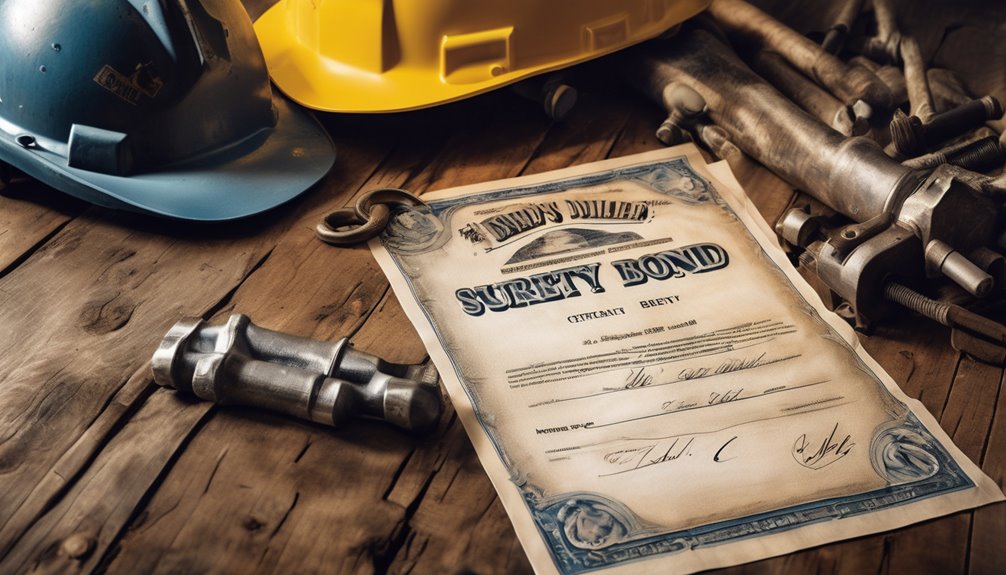
Understanding the purpose of a well driller’s surety bond goes beyond just meeting legal requirements. This bond serves as a safeguard for clients like you, ensuring that the well drilling services provided are performed ethically and professionally.
When you hire a well driller, you want peace of mind, knowing that if something goes wrong—like improper work or failure to adhere to regulations—the bond offers financial protection. It also helps maintain industry standards, encouraging well drillers to operate responsibly.
Furthermore, having this bond can enhance your credibility in the market, attracting more clients who value security and professionalism. Ultimately, a well driller’s surety bond fosters trust between you and the contractor, ensuring a smoother project experience.
How a Well Driller’s Surety Bond Works
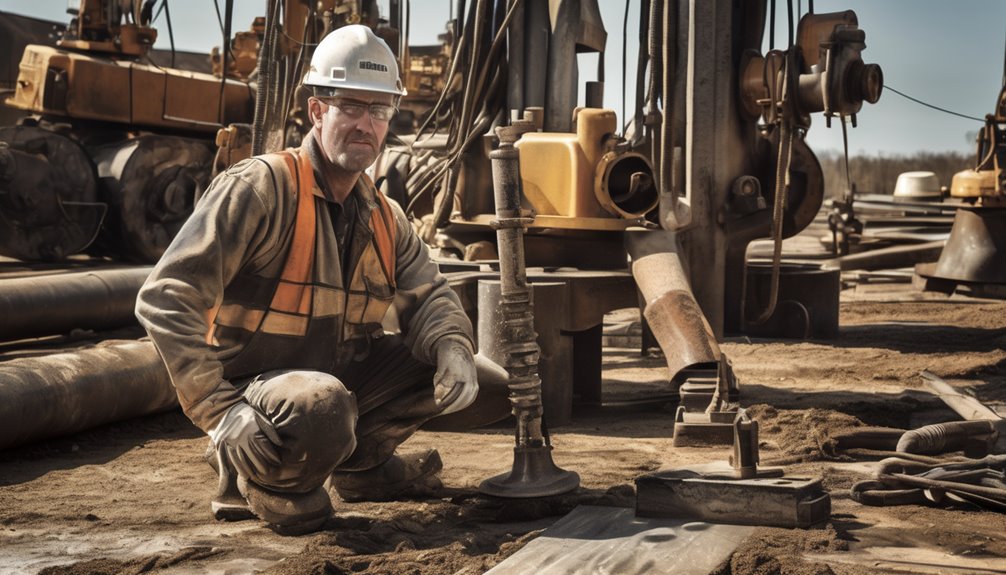
Understanding how a well driller’s surety bond works is essential for your business.
This bond not only protects clients but also outlines the bonding process you’ll need to follow.
Let’s break down its purpose and the steps involved in securing one.
Purpose of Surety Bond
Surety bonds play a crucial role in the well drilling industry by providing financial protection and assurance to clients.
When you hire a well driller, you’re relying on their expertise to deliver quality work. A surety bond guarantees that if the driller fails to meet contractual obligations or causes damage, you won’t be left to foot the bill.
Essentially, it acts as a safety net. If something goes wrong, you can make a claim against the bond, and the surety company will cover the costs up to the bond amount.
This not only protects your investment but also ensures that the driller adheres to industry standards and regulations, giving you peace of mind throughout the drilling process.
Bonding Process Explained
When engaging a well driller, it’s essential to know how the bonding process works to ensure you’re protected.
A well driller’s surety bond acts as a financial guarantee that they’ll adhere to state regulations and complete the job as promised. To obtain this bond, the driller must undergo a thorough underwriting process, where the surety company evaluates their creditworthiness, experience, and business practices.
Once approved, the driller pays a premium, usually a percentage of the bond amount. This bond protects you, the client, in case the driller fails to fulfill their obligations.
If issues arise, you can file a claim against the bond, allowing you to recover damages. Understanding this process helps you make informed decisions when hiring a well driller.
Benefits of Having a Well Driller’s Surety Bond

Having a well driller’s surety bond not only protects your clients but also enhances your credibility in the industry. When you hold a bond, it shows clients you’re committed to meeting industry standards and regulations. This builds trust, making it easier for you to attract new customers.
Plus, having a bond can set you apart from competitors who may not have one, giving you a competitive edge.
Additionally, a surety bond can help you manage financial risks. If a dispute arises, clients can seek compensation through the bond, ensuring they’re covered. This can lead to smoother project completion and fewer legal issues.
Ultimately, investing in a well driller’s surety bond can enhance your reputation, boost client satisfaction, and support your business growth.
Legal Requirements for Well Drillers
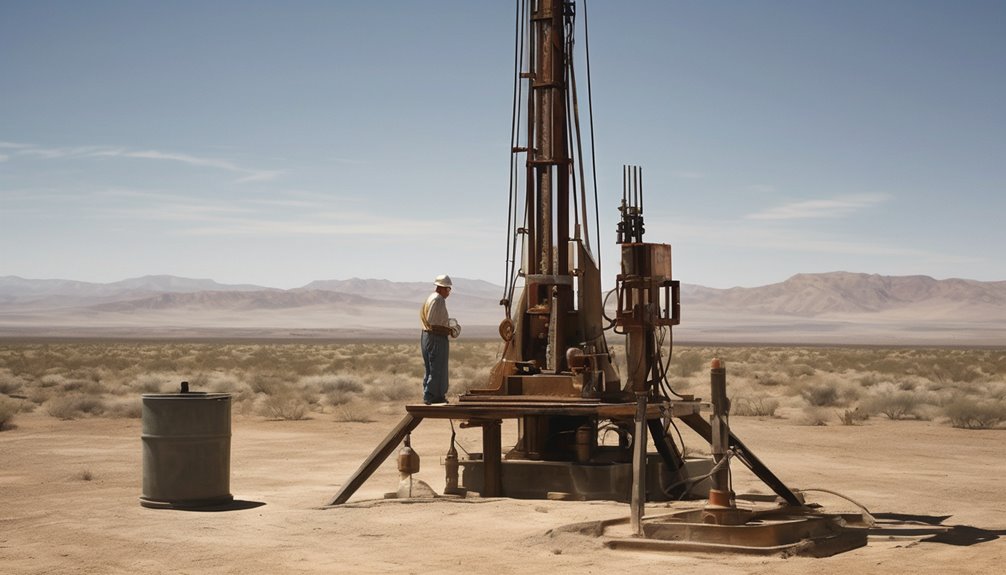
As a well driller, you need to understand the legal requirements that come with the job.
This includes obtaining the necessary licensing and permits, as well as securing the right insurance and bonds.
Meeting these requirements not only keeps you compliant but also protects your business and clients.
Licensing and Permits
Before you can start drilling wells, you must navigate the complex landscape of licensing and permits required by law. Each state has different regulations, so it’s crucial to research your local requirements thoroughly.
You’ll likely need a specific well-drilling license, which may involve passing an examination to demonstrate your knowledge of drilling practices and safety standards.
Additionally, some areas require permits for each well you plan to drill, ensuring compliance with environmental regulations.
It’s also wise to check if you need any local permits to access land or water resources.
Failing to obtain the proper licenses and permits can lead to legal issues and fines, so stay informed and follow the necessary steps to operate legally and safely.
Insurance and Bonds
While you’re getting your well-drilling business off the ground, securing the right insurance and bonds is crucial to protect yourself and your clients.
First, you’ll need liability insurance to cover any accidents or damages that may occur during drilling. This not only safeguards your finances but also builds trust with clients.
Next, a surety bond is often required by state regulations; it ensures that you’ll follow industry standards and complete projects as promised. Without it, you could face fines or lose your license.
Research local laws to ensure compliance, as requirements may vary.
The Process of Obtaining a Well Driller’s Surety Bond

Obtaining a well driller’s surety bond involves several key steps that can streamline the process.
First, you’ll need to gather necessary documentation, such as your business license, financial statements, and any relevant permits.
Next, research different surety bond providers to find one that suits your needs.
Once you’ve chosen a provider, submit your application along with the required documents. The surety company will evaluate your financial stability, business history, and creditworthiness.
After approval, you’ll receive a quote for the bond amount and premium. Upon payment, the bond will be issued, ensuring you’re compliant with state regulations.
Finally, make sure to keep the bond active by renewing it as necessary to maintain your operational status.
Cost Factors of a Well Driller’s Surety Bond

Once you’ve secured your well driller’s surety bond, understanding the cost factors involved is vital for budgeting. Several elements influence the premium you’ll pay.
First, your credit score plays a significant role; a higher score often means lower rates. Next, the bond amount required by your state or local regulations can affect costs.
The bond type also matters—contractor bonds can vary in price based on the specific risks involved. Additionally, the length of the bond term impacts premiums; longer terms may offer better rates.
Finally, your experience and industry reputation can either raise or lower costs. By knowing these factors, you can better prepare for the financial commitment of your well driller’s surety bond.
Common Claims Against Well Driller’s Surety Bonds
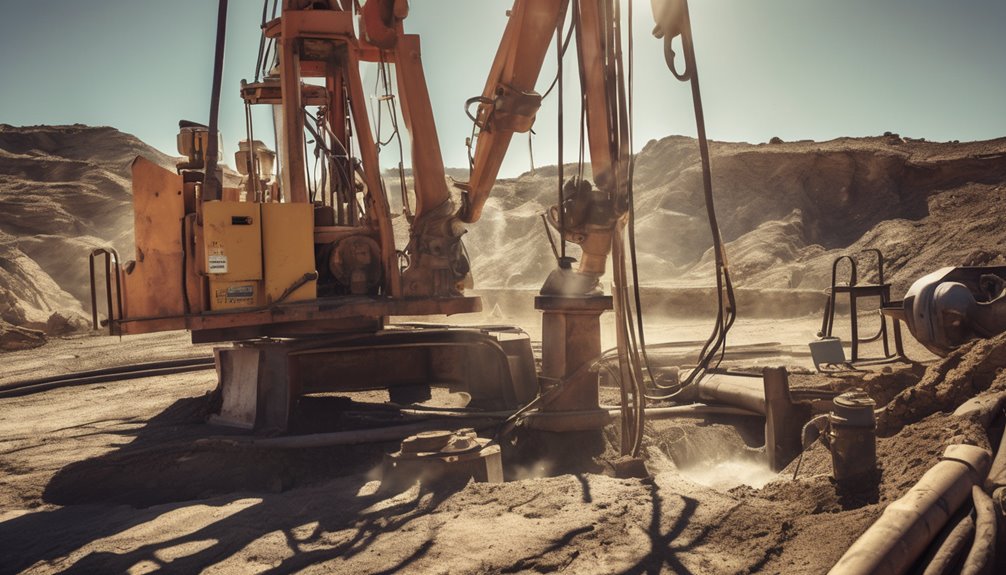
When it comes to well driller’s surety bonds, you might face several common claims.
Breach of contract claims, incomplete work disputes, and regulatory compliance issues can all lead to complications.
Understanding these potential pitfalls can help you navigate the process more effectively.
Breach of Contract Claims
Breach of contract claims often arise in the context of well driller’s surety bonds, particularly when a contractor fails to uphold their obligations.
When you hire a well driller, you expect them to complete the job as agreed. If they don’t meet the terms outlined in the contract, you could face delays or additional costs. This can lead you to file a claim against their surety bond.
The surety company is responsible for compensating you for financial losses resulting from the contractor’s breach. It’s important to document any issues, as this evidence will support your claim.
Always ensure you understand your rights and the specific terms of the bond to navigate these situations effectively.
Incomplete Work Disputes
Incomplete work disputes frequently arise in well drilling projects, creating significant challenges for property owners. When a well driller fails to complete the job as promised, it can lead to frustration and financial loss.
You may find yourself dealing with delays and unfulfilled expectations, which can escalate into claims against the driller’s surety bond.
Here are common issues that arise in these disputes:
- Unfinished drilling work
- Incomplete site restoration
- Failure to install necessary equipment
- Delays in project timelines
- Lack of communication regarding project status
Addressing these problems promptly can help you resolve disputes and ensure your project meets its intended goals.
Understanding your rights and options is crucial to navigating these challenges effectively.
Regulatory Compliance Issues
Regulatory compliance is a crucial aspect of well drilling that can directly impact the validity of a driller’s surety bond. When you fail to adhere to local and state regulations, it can lead to claims against your bond.
Common issues include not obtaining the necessary permits or not following safety protocols. These violations can result in fines, penalties, or even project shutdowns, which can harm your reputation and financial standing.
If a complaint arises due to non-compliance, the surety company may have to pay for damages or rectify the situation, leaving you responsible for reimbursement.
To protect yourself, stay informed about regulations and ensure all work meets the required standards. This proactive approach safeguards your bond and your business.
Maintaining Your Well Driller’s Surety Bond

To keep your well driller’s surety bond intact, you’ll need to stay proactive about compliance and maintenance. Regularly reviewing and addressing your obligations will help ensure you’re protected.
Here are some key steps you should take:
- Stay informed about local regulations and industry standards.
- Renew your bond before expiration to avoid lapses in coverage.
- Keep documentation organized, including project records and compliance certificates.
- Communicate with your surety provider for updates or changes in requirements.
- Address complaints or claims promptly to maintain a good standing.
Choosing the Right Surety Bond Provider

How do you choose the right surety bond provider for your well drilling business? Start by researching providers with experience in the construction or well drilling industries.
Look for companies with a solid reputation and positive customer reviews. It’s crucial to compare rates and terms, ensuring you understand the coverage offered.
Check their financial stability by reviewing their ratings from agencies like A.M. Best or Standard & Poor’s. Additionally, ensure they’re licensed in your state to avoid legal issues.
Engage in conversations with potential providers, asking about their claims process and customer service. Ultimately, you want a provider that’s responsive and transparent, making your bonding experience smooth and hassle-free.
Choose wisely, and your bond will serve you well.
Frequently Asked Questions
What Types of Projects Require a Well Driller’s Surety Bond?
Certain projects like residential wells, commercial drilling, and geothermal installations often require a surety bond. It ensures compliance with regulations and protects clients. You’ll want to check local requirements to stay compliant and avoid issues.
Can a Bond Be Transferred to Another Business?
You can’t typically transfer a bond to another business. Bonds are generally tied to specific entities and their obligations. If a business changes, it’s often necessary to obtain a new bond for the new entity.
How Long Does a Well Driller’s Surety Bond Last?
A well driller’s surety bond typically lasts for a specified term, often one year. You’ll need to renew it before it expires to maintain compliance and ensure continued protection for your operations and clients.
What Happens if a Well Driller Defaults on a Bond?
If you default on a bond, the surety company pays the claim to the affected party. However, you’ll still owe the surety company for that amount, which can lead to financial repercussions for you.
Are There Exceptions to the Bonding Requirements?
Yes, there are exceptions to bonding requirements. Some jurisdictions may waive them for small projects or specific situations. Always check local regulations to see if you qualify for any exemptions that apply to your circumstances.
Conclusion
In summary, a Well Driller’s Surety Bond is essential for protecting both you and your clients. It ensures compliance with regulations and fosters trust in your work. By understanding its purpose and benefits, you can enhance your credibility and safeguard your business from potential claims. Remember to choose a reliable surety bond provider to keep your bond in good standing. With the right approach, you’ll be well-equipped to navigate the challenges of the well drilling industry.