Get an Instant Quote on Removal of Mobile Home – Temporary Hardship Permit Bond Now!

If you’re facing the removal of your mobile home, understanding the Temporary Hardship Permit is essential. This permit can help you navigate zoning regulations that might complicate your relocation. You’ll need to show valid reasons, like financial or health issues, to qualify. But what exactly does the application process involve, and what documentation will you need? Let’s explore the details to ensure your move goes as smoothly as possible.
Understanding Temporary Hardship Permits
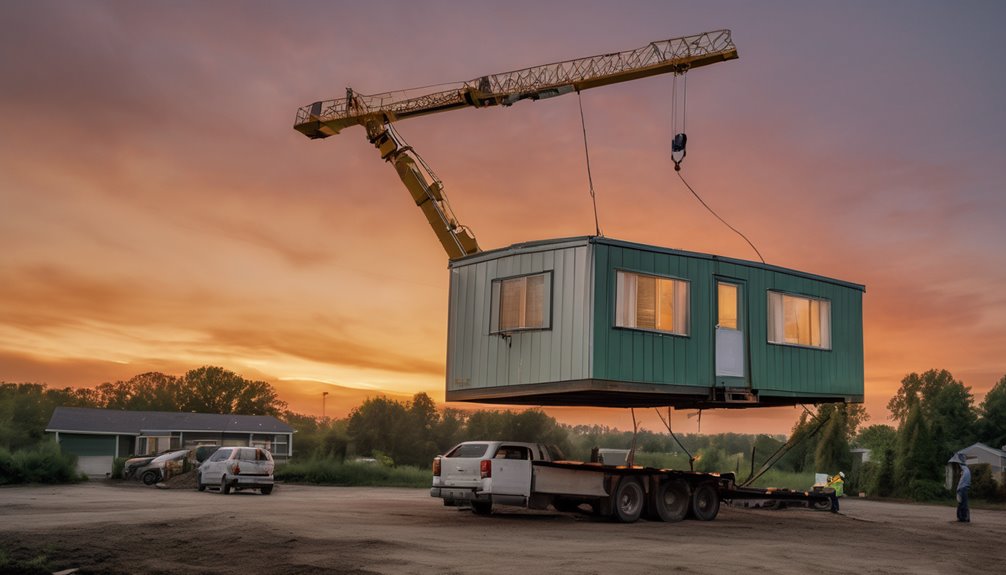
Have you ever wondered how temporary hardship permits can aid in the removal of a mobile home?
These permits provide a crucial pathway for homeowners facing unexpected situations. When life throws challenges your way, such as financial distress or health issues, a temporary hardship permit can offer relief.
This permit allows you to bypass certain zoning regulations, making it easier to relocate your mobile home. You’ll need to present documentation proving your hardship, so be prepared to share your circumstances.
Once approved, the permit grants you the flexibility to make necessary changes without the usual restrictions. Understanding this process can be a lifeline, helping you navigate the complexities of mobile home removal while addressing your unique situation.
Reasons for Mobile Home Relocation
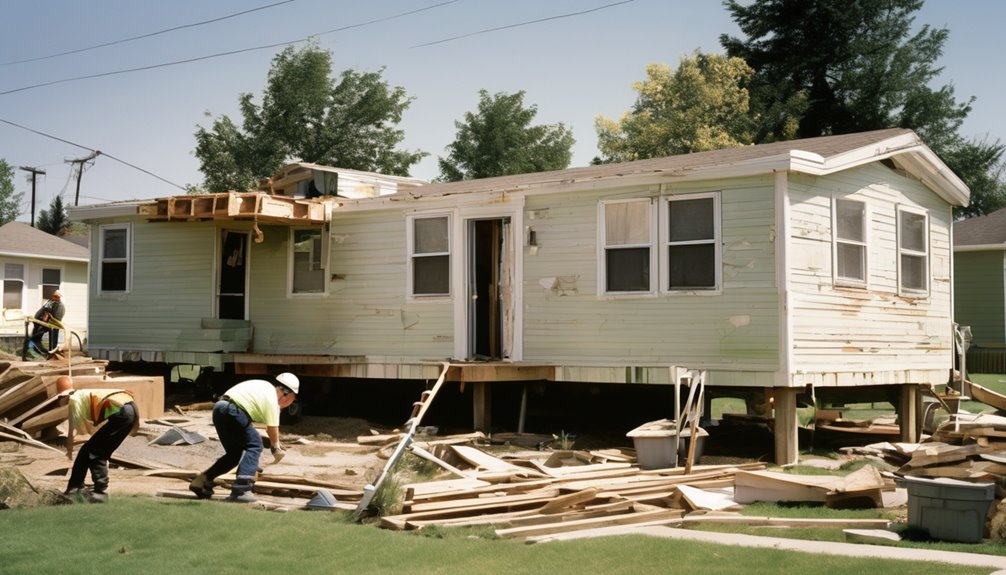
Understanding temporary hardship permits can clarify why some homeowners seek to relocate their mobile homes. When faced with unique challenges, you might find relocating your mobile home is necessary.
Here are a few common reasons:
- Financial difficulties: A change in income or unexpected expenses may force you to move to a more affordable location.
- Health issues: You or a family member may require proximity to medical facilities or caregivers, necessitating relocation.
- Family changes: Life events like divorce, death, or the arrival of new family members can prompt a need for a different living situation.
Relocating your mobile home can provide a fresh start and help you address these pressing challenges effectively.
Eligibility Criteria for Temporary Hardship Permits

To qualify for a temporary hardship permit, you need to meet specific residency requirements and provide evidence of financial hardship.
It’s essential to gather the necessary documentation to support your application.
Understanding these criteria can make the process smoother and increase your chances of approval.
Residency Requirements
Temporary hardship permits allow individuals facing unique challenges to temporarily reside in mobile homes.
To qualify, you need to meet specific residency requirements. These ensure that only those truly in need receive assistance.
- You must be a legal resident of the area where you’re applying.
- You need to demonstrate a direct connection to the hardship, such as medical issues or family emergencies.
- You should provide proof of your current living situation, showing that it’s unsustainable.
Financial Hardship Evidence
When applying for a temporary hardship permit, providing clear evidence of financial hardship is key to demonstrating your eligibility.
You’ll need to gather documents like pay stubs, tax returns, and bank statements to show your income and expenses. If you’re facing unexpected costs, such as medical bills or job loss, make sure to include those details.
It’s also helpful to provide letters from employers or other professionals that outline your situation.
Don’t forget to explain how the removal of your mobile home is impacting your financial stability.
The more thorough and organized your evidence is, the stronger your application will be. This documentation will help you present a compelling case for your temporary hardship permit.
Application Process for Temporary Hardship Permits

How can you navigate the application process for a temporary hardship permit? The journey can feel daunting, but breaking it down into steps makes it manageable.
First, you’ll need to gather essential information about your situation. Next, fill out the application accurately, ensuring all details are correct. Finally, submit your application along with any required fees.
Consider these tips to streamline your process:
- Research local regulations: Understand the specific requirements in your area.
- Seek assistance: Don’t hesitate to ask local agencies for guidance.
- Stay organized: Keep all documents and correspondence in one place to avoid confusion.
Following these steps can help you navigate the application process with ease and confidence.
Required Documentation for Application

Gathering the right documentation is a key step in applying for a temporary hardship permit. You’ll need to provide proof of your current living situation, like a lease or mortgage statement.
It’s also important to include any medical records or letters from healthcare providers that support your claim for hardship. If you’re facing financial difficulties, gather relevant financial documents, such as pay stubs or bank statements.
Don’t forget to include a detailed personal statement explaining your situation and why you need the permit.
Lastly, be ready to submit any supporting documents that showcase your circumstances, like eviction notices or maintenance records. Having all this information organized will help streamline your application process.
Timeline for Permit Approval
When you submit your application for a mobile home removal permit, understanding the timeline for approval is crucial.
Several factors can influence how quickly your permit gets approved, including the completeness of your documentation and local regulations.
Let’s explore what to expect during this process.
Application Submission Process
Before you can remove a mobile home, you’ll need to navigate the application submission process, which is crucial for obtaining the necessary permits.
Here’s what you should do:
- Gather Required Documents: Collect all necessary paperwork, including proof of ownership and identification.
- Complete the Application: Fill out the application form accurately, ensuring you provide all requested information.
- Submit Your Application: Turn in your application along with any fees to your local permitting office, either in person or online.
Once you’ve submitted everything, keep track of your application status.
This step is essential, as it ensures you’ll be informed of any updates or additional requirements needed for your permit approval.
Approval Duration Factors
Understanding the factors that influence the approval duration for your mobile home removal permit can help you set realistic expectations. Several elements affect how quickly your permit gets approved.
First, the completeness of your application plays a crucial role; missing documents can delay the process. Next, local regulations and zoning laws vary and may require additional reviews.
Also, the current workload of the permitting office can impact timelines. If they’re busy, your application might sit in a queue longer than expected.
Finally, public input or objections can prolong the review process, especially in residential areas. By being aware of these factors, you can better navigate the permit approval timeline and plan accordingly.
Local Regulations and Zoning Considerations

Navigating local regulations and zoning considerations is crucial for a smooth mobile home removal process.
You’ll need to familiarize yourself with specific guidelines in your area to avoid delays or complications.
Here are some key factors to keep in mind:
- Permitting Requirements: Check what permits you need to secure before removing your mobile home.
- Zoning Laws: Understand the zoning laws that apply to your property, as they can affect where you can place or remove a mobile home.
- Setback Regulations: Be aware of any setback requirements, which dictate how far structures must be from property lines.
Tips for a Smooth Mobile Home Move
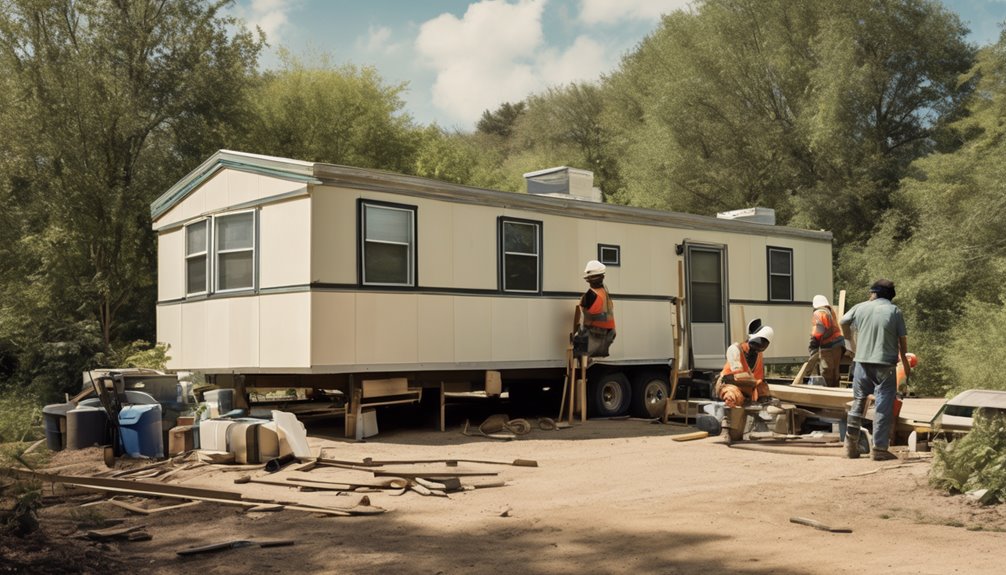
Moving a mobile home can be a daunting task, but with careful planning, you can make the process go smoothly. Start by checking local regulations and obtaining necessary permits.
Next, create a timeline to keep everything organized. Contact a professional mover experienced with mobile homes; they’ll know the ins and outs of the process.
Before the move, prepare your home by securing loose items and disconnecting utilities. Make sure you’ve found a suitable new location, ensuring it meets zoning laws.
On moving day, be present to oversee the operation and address any issues that arise. Lastly, communicate with your movers to ensure everything’s handled efficiently.
Following these tips will help you transition to your new home with ease.
Resources for Homeowners in Need

When you’re facing challenges as a homeowner, accessing the right resources can make all the difference. Here are some valuable tools that can help you navigate tough times:
- Local Assistance Programs: Many communities offer financial aid or housing assistance programs. Check with your local government or non-profits for available resources.
- Online Support Groups: Connect with other homeowners facing similar issues. These online forums can provide advice, share experiences, and offer emotional support.
- Legal Aid Services: If you’re dealing with legal challenges related to your mobile home, seek out local legal aid organizations that provide free or low-cost assistance.
Utilizing these resources can empower you to make informed decisions and find solutions tailored to your situation.
Common Challenges and Solutions
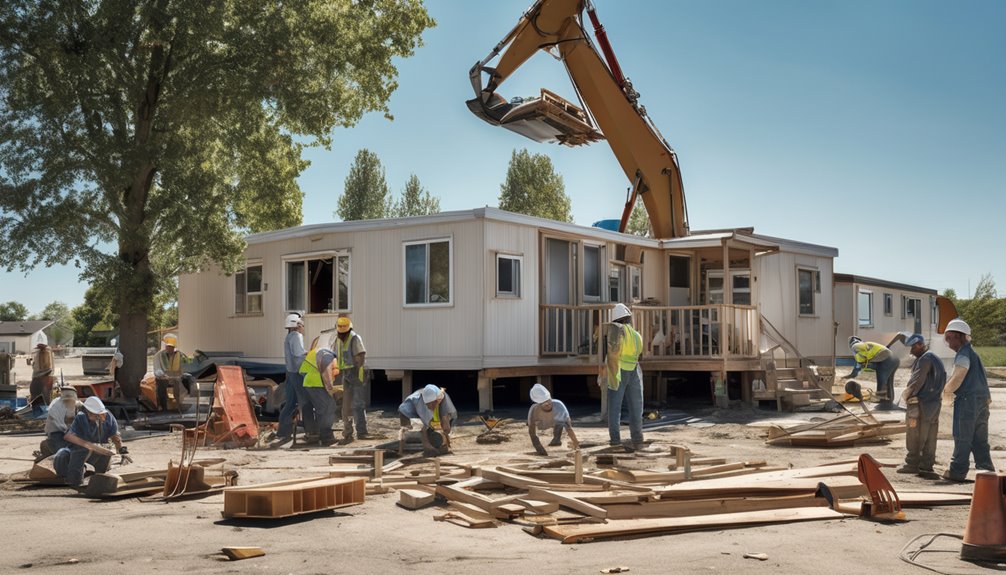
Homeowners often encounter a range of challenges that can complicate their living situation, especially when it comes to mobile homes. One common issue is navigating zoning regulations, which can be daunting. To tackle this, you should consult local authorities or a housing expert to clarify your options.
Another challenge is securing a temporary hardship permit; many find the application process overwhelming. To simplify things, gather all necessary documentation ahead of time, and don’t hesitate to ask for help if needed.
Additionally, you might face financial constraints during this transition. Creating a budget and exploring local assistance programs can ease this burden. By proactively addressing these challenges, you can find effective solutions and make the removal process smoother.
Frequently Asked Questions
Can I Appeal a Denied Temporary Hardship Permit Application?
Yes, you can appeal a denied temporary hardship permit application. Review the denial reasons, gather any necessary documentation, and submit your appeal within the designated timeframe to increase your chances of a successful outcome.
How Long Can I Keep the Mobile Home on My Property?
You can typically keep a mobile home on your property as long as local zoning laws permit. Check with your local authorities for specific regulations regarding duration, permits, and any potential required inspections or fees.
Are There Fees Associated With the Temporary Hardship Permit?
Yes, there’re often fees associated with a temporary hardship permit. You should check with your local authority for specific amounts and any additional costs that might arise during the application process or permit maintenance.
Can I Rent Out the Mobile Home During the Hardship Period?
You can’t rent out the mobile home during the hardship period. It’s important to adhere to the regulations governing your situation, so make sure you understand the specific rules that apply to your circumstances.
What Happens if My Hardship Situation Changes?
If your hardship situation changes, you should reassess your options. You might need to inform relevant authorities, update your permit status, or explore new living arrangements. Staying proactive can help you navigate any new circumstances effectively.
Conclusion
In conclusion, securing a Temporary Hardship Permit can ease the process of relocating your mobile home. By understanding the eligibility criteria and gathering the necessary documentation, you can navigate local regulations effectively. Remember to highlight your unique circumstances and follow the application process closely. With the right preparation and resources, you’ll be well on your way to a smooth move, ensuring you can overcome any challenges that arise during this transition.