When you consider the state of undocumented vessels in California, it's clear you're looking at a complex issue that intertwines legal, environmental, and safety concerns. These boats, often operating without proper registration, complicate ownership and pose serious risks on the waterways. You might find it unsettling how these vessels impact marine ecosystems and contribute to pollution. As California grapples with regulations to manage this problem, you may wonder what effective solutions are emerging and how they could shape the future of boating in the state.
Overview of Undocumented Vessels

Undocumented vessels are boats that lack proper registration or identification, which can lead to various legal and safety issues. When you encounter an undocumented vessel, you may notice it often lacks visible numbers or a valid title. This absence can raise red flags for law enforcement and marina operators alike, as it may suggest the vessel's involvement in illegal activities or ownership disputes.
Owning an undocumented vessel can put you at risk. Without proper documentation, you might find it challenging to secure insurance, face difficulties in selling the boat, or encounter problems during inspections.
Additionally, undocumented vessels may not meet safety standards, putting you and others at risk when you're out on the water.
If you're considering purchasing a boat, it's crucial to verify its documentation status beforehand. You'll want to check for any outstanding liens or claims that could affect your ownership.
Legal Framework and Regulations
California's legal framework surrounding undocumented vessels is complex and varies by jurisdiction. As a boat owner or operator, you need to be aware of the laws that govern undocumented vessels, including registration requirements and safety regulations.
The California Department of Boating and Waterways (DBW) oversees vessel registrations and provides guidelines on compliance. If your vessel lacks proper documentation, you may face penalties, including fines or impoundment.
Local jurisdictions often have their own regulations that can further complicate matters, so it's crucial to check with city or county authorities. You should also be familiar with federal laws, as the U.S. Coast Guard enforces rules concerning undocumented vessels operating in coastal waters.
Additionally, safety equipment requirements apply to all vessels, regardless of their documentation status. As an operator, you must ensure that your vessel meets these standards to avoid legal repercussions.
If you're uncertain about your vessel's status or need assistance with registration, consulting with a legal expert or the DBW can help clarify your obligations. Staying informed and compliant not only protects you legally but also enhances safety on the water.
Environmental Impact Concerns
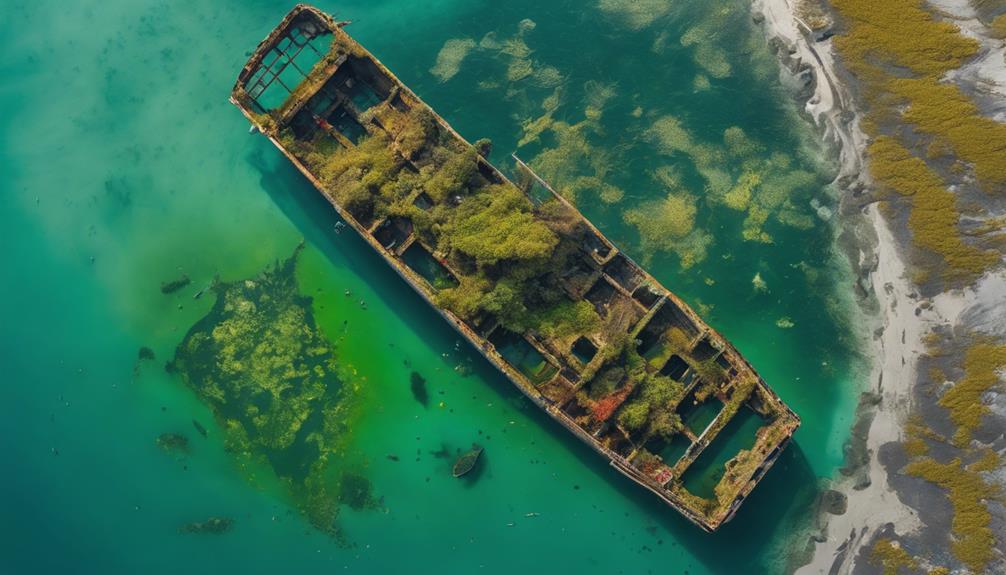
Operating an undocumented vessel can lead to significant environmental issues that affect both marine ecosystems and coastal communities. When you use an undocumented boat, you might be unknowingly contributing to pollution in local waters. These vessels often lack the necessary waste management systems, leading to sewage and oil spills that harm aquatic life and degrade water quality.
In addition, undocumented vessels can disrupt natural habitats. Anchoring in sensitive areas can damage seagrasses and coral reefs, which are crucial for marine biodiversity. As you navigate these waters, you risk propelling invasive species that can outcompete native flora and fauna, further destabilizing the ecosystem.
Moreover, the presence of undocumented vessels can create navigation hazards, resulting in potential collisions that could release hazardous materials into the ocean. Coastal communities, reliant on clean waters for tourism and fishing, may suffer economic consequences as a result.
Safety Risks and Challenges
Navigating the waters in an undocumented vessel poses serious safety risks that can endanger both you and others.
First, the lack of proper registration often means your vessel won't have essential safety equipment or maintenance records. This increases the likelihood of mechanical failures, which can leave you stranded or cause accidents.
Additionally, without proper identification, you may face challenges in emergency situations. Rescue teams need to know your location and vessel information to respond effectively. If you can't provide accurate details, response times may increase, putting you and your passengers at greater risk.
Moreover, undocumented vessels often operate outside the law, leading to an increased likelihood of collisions with other boats. Other mariners expect vessels to adhere to safety regulations, and when you don't, it creates confusion and potential accidents.
Weather conditions also pose a significant threat. If you lack the training or resources to understand weather patterns, you may find yourself in perilous situations.
Proposed Solutions and Management Strategies
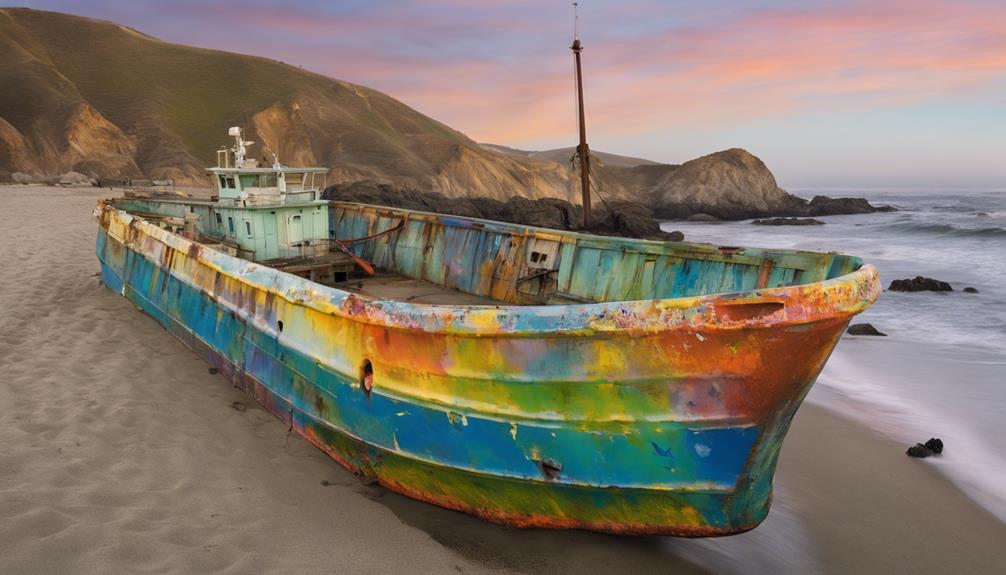
Addressing the challenges posed by undocumented vessels requires a multi-faceted approach that combines education, regulation, and community engagement.
You need to begin by promoting awareness about the dangers of undocumented vessels. Educational campaigns targeting boat owners and the general public can emphasize the importance of compliance with regulations and the potential safety risks involved.
Next, stronger regulations and enforcement are crucial. You should advocate for increased penalties for violations and enhanced monitoring of waterways. This could include partnerships with local law enforcement and environmental agencies to conduct regular patrols and inspections.
Community engagement plays a vital role as well. Encourage local stakeholders, such as marinas and boating clubs, to participate in initiatives aimed at tracking undocumented vessels.
You can organize community workshops to discuss best practices and share resources for reporting suspicious activities.
Lastly, consider implementing a vessel registration incentive program. Offering discounts or grants for proper registration can motivate boat owners to comply with laws.
Conclusion
In conclusion, addressing the issue of undocumented vessels in California is crucial for ensuring safety, legal compliance, and environmental protection. By understanding the regulations and potential risks, you can play a role in promoting responsible boating practices. Supporting proposed management strategies will help minimize the negative impacts on waterways and marine ecosystems. Together, we can work towards a safer, cleaner, and more enjoyable boating experience for everyone in California.