When you're navigating the requirements for a state highway encroachment permit in California, understanding the role of a performance bond is essential. This financial guarantee isn't just a formality; it protects the state and ensures that contractors meet their obligations. But what happens if you don't secure the right bond, or worse, if you fail to comply with Caltrans regulations? The implications could be significant, affecting not only your project timeline but also your financial standing. Let's explore the intricacies of this requirement and its potential impact on your project.
Definition of Performance Bonds

Understanding performance bonds is crucial for anyone involved in construction or contractual agreements. A performance bond is essentially a guarantee that a contractor will fulfill their obligations as outlined in a contract. If the contractor fails to meet these obligations, the bond provides financial compensation to the project owner, ensuring that the project can be completed without incurring significant losses.
When you enter a contractual agreement requiring a performance bond, you're protecting your investment. The bond is issued by a surety company, which assesses the contractor's ability to complete the project based on their financial stability and previous performance. By securing a performance bond, you ensure that there's a safety net in place should any issues arise during the project.
It's important to note that performance bonds aren't insurance; they're a form of credit that the contractor must repay if a claim is made. You should always read the terms and conditions of the bond carefully to understand your rights and obligations.
Ultimately, performance bonds play a vital role in mitigating risk and fostering trust between parties in construction projects.
Importance of Performance Bonds
Performance bonds hold significant importance in the construction industry and contractual agreements. They serve as a safety net for project owners, ensuring that contractors fulfill their obligations. When you enter into a contract, knowing that a performance bond is in place can give you peace of mind. It guarantees that if the contractor fails to complete the project as agreed, you won't bear the financial burden alone.
These bonds also enhance trust between parties. You're more likely to work with contractors who can secure a performance bond, as it reflects their financial stability and commitment to quality work. This trust is crucial in avoiding potential disputes and ensuring smooth project management.
Moreover, performance bonds can expedite project completion. With the assurance that funds are available to cover any defaults, you're more inclined to move forward confidently. This leads to better planning and resource allocation, ultimately benefiting the project timeline.
In short, performance bonds protect your investment, foster trust, and promote efficient project execution. By securing a performance bond, you're not just complying with regulations; you're also investing in the success of your project.
Requirements for Encroachment Permits
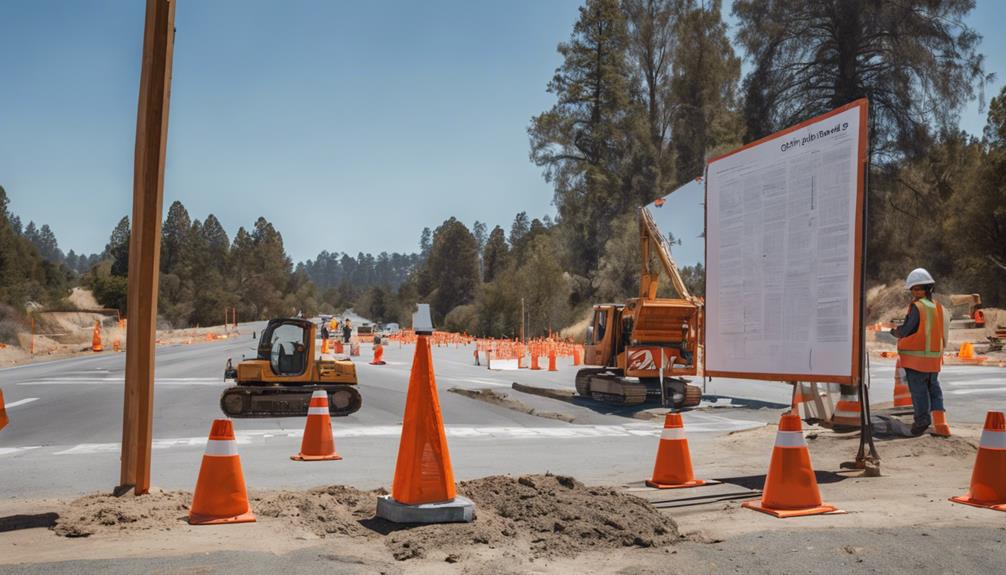
Obtaining an encroachment permit is crucial for any construction project that impacts public right-of-ways or easements.
To start the process, you'll need to submit a completed application form, which includes details about your project's location, scope, and purpose. Be prepared to provide site plans and any relevant engineering documents that clearly outline how your work will affect the area.
Next, you may have to pay an application fee, which varies depending on the project size and complexity. It's essential to check the latest fee schedule to ensure you submit the correct amount.
After your application is filed, it will undergo a review process by the appropriate authorities.
You'll also need to demonstrate that you have adequate insurance and a performance bond in place to cover any potential damages or liabilities.
Depending on the nature of your project, you might've to comply with additional regulations or obtain further permits from other agencies.
Caltrans Regulations Overview
Caltrans regulations often play a crucial role in construction projects that affect California's highways and transportation systems. These regulations ensure that any work done in or near state highways maintains safety, efficiency, and environmental integrity. When you're applying for an encroachment permit, it's essential to familiarize yourself with these rules to avoid potential setbacks.
First, you'll need to understand the various types of permits required for different activities. Whether you're planning temporary traffic control, utility work, or permanent structures, each has specific guidelines you must follow.
Caltrans also mandates that you meet specific design and construction standards, which can vary based on your project's scope.
You should also be aware of the environmental assessments required. Projects often need to comply with the California Environmental Quality Act (CEQA), ensuring they won't negatively impact the surrounding ecosystem.
Lastly, regular inspections during construction are part of the process, ensuring compliance with all regulations. By adhering to Caltrans regulations, you'll help ensure your project runs smoothly and aligns with California's commitment to safe and sustainable transportation infrastructure.
Financial Implications for Permit Holders

When you hold a permit for a construction project, understanding the financial implications can significantly impact your budget and planning. One of the key factors you'll need to consider is the cost of obtaining a performance bond. This bond is often a percentage of the total project cost and can vary based on the project's scope and risk factors. It's essential to factor this expense into your overall budget.
Additionally, if you fail to comply with the permit conditions, you could face penalties that may include forfeiting your bond. This financial setback can derail your project and lead to unexpected costs. Be aware that your bond premiums can also fluctuate, affecting your cash flow.
Moreover, maintaining good relationships with your bonding company and demonstrating financial stability can lead to reduced rates. If you're planning multiple projects, consolidating your bonding needs might also yield savings.
Ultimately, understanding these financial implications allows you to make informed decisions, ensuring your project stays on track and within budget. By proactively managing these costs, you'll be better positioned to navigate the complexities of your construction project.
Process for Obtaining a Performance Bond
Navigating the financial landscape of your construction project includes understanding the process for securing a performance bond. First, you'll need to gather all necessary documentation, such as project plans, specifications, and cost estimates. This information helps surety companies assess the risk associated with your project.
Next, choose a reputable surety company that specializes in performance bonds. It's wise to compare rates and terms from multiple providers. Once you've selected a surety, you'll fill out a bond application. This application typically requires details about your business, the project, and your financial history.
After submitting the application, the surety will conduct a thorough review. They might request additional documentation or clarification on specific points. Be prepared to provide personal and business financial statements, tax returns, and credit histories during this stage.
If approved, the surety will issue the bond, and you'll need to pay a premium, usually a percentage of the bond amount.
Keep in mind that maintaining a good relationship with your surety can facilitate future bonding needs. By following these steps, you'll be well on your way to securing the performance bond necessary for your project.
Impact on Project Timeline
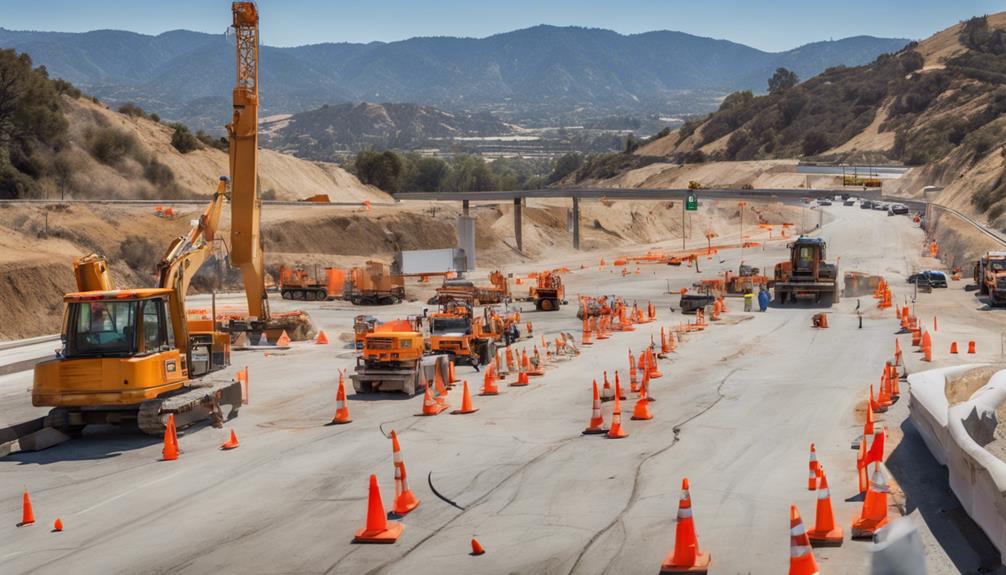
Securing a performance bond can significantly impact your project's timeline. The process of obtaining a bond requires careful planning and coordination. You'll need to gather necessary documentation, including financial statements and project details, which may take time.
Depending on your financial standing, the surety company might take additional time to assess your application, potentially delaying the start of your project. Once you submit your application, the underwriter will evaluate your qualifications, which can also extend the timeline.
If your project involves multiple stakeholders or complex requirements, you might face further delays as everyone aligns on the necessary terms. It's essential to factor in these steps when you're setting your project schedule.
Additionally, if you're working on a government project, be prepared for potential administrative delays in the approval process. These factors can accumulate, pushing back your overall timeline.
To mitigate this, start the bonding process early and maintain open communication with your surety provider. By doing so, you can better manage expectations and ensure that your project stays on track despite these bonding requirements.
Planning ahead will help you navigate the complexities and keep your project moving forward efficiently.
Consequences of Non-Compliance
Failure to comply with performance bond requirements can lead to serious repercussions for your project. First, you may face financial penalties that can significantly impact your budget. These penalties often arise from delays or failures to meet project specifications, which can increase costs and strain your resources.
Additionally, non-compliance can jeopardize your permit. If you fail to adhere to the bond requirements, the state may revoke your encroachment permit, halting your project entirely. This means wasted time and resources, as you'll need to reapply and potentially face a lengthy approval process.
Moreover, your reputation in the industry could suffer. Contractors and other stakeholders may view non-compliance as a red flag, making it harder for you to secure future projects or partnerships. You might also encounter legal issues, including potential lawsuits from affected parties seeking damages.
Lastly, the state may pursue enforcement actions against you. This could lead to more stringent oversight on your current and future projects.
Ultimately, ensuring compliance with performance bond requirements is crucial to your project's success and your standing in the industry. Don't underestimate the importance of adhering to these regulations.
Resources for Permit Applicants

When you're preparing to apply for a permit, having the right resources at your fingertips can make all the difference. Start by visiting the California Department of Transportation (Caltrans) website, where you'll find comprehensive guidelines specific to highway encroachment permits. This site offers essential forms, checklists, and detailed instructions to help you navigate the application process smoothly.
Next, consider reaching out to your local Caltrans district office. They can provide personalized assistance and answer any questions you may have about requirements or documentation. Don't hesitate to utilize their expertise; they're there to help you succeed.
Additionally, look into online forums and local community groups where other permit applicants share their experiences. These platforms can offer invaluable insights and tips that might save you time and effort.
Lastly, keep a close eye on deadlines and required fees. Use a planner or digital calendar to track important dates and avoid last-minute rushes.
Conclusion
In summary, performance bonds are essential for anyone working under a state highway encroachment permit in California. They protect the state and ensure projects meet required standards. By understanding the requirements and processes involved, you can navigate the permitting landscape more effectively. Remember, non-compliance can lead to serious consequences, so it's crucial to stay informed and prepared. Utilizing available resources will help you succeed in your project while maintaining accountability and trust within the construction industry.