When you're navigating the complexities of a state highway encroachment permit in California, understanding the payment bond requirement is essential. This bond not only ensures that your subcontractors and suppliers get paid on time, but it also protects your project from potential financial pitfalls. If you think securing this bond is straightforward, you might be surprised by the intricacies involved in the process and the consequences of non-compliance. The implications for your project could be significant, so it's worth exploring what you need to know.
Overview of Payment Bonds
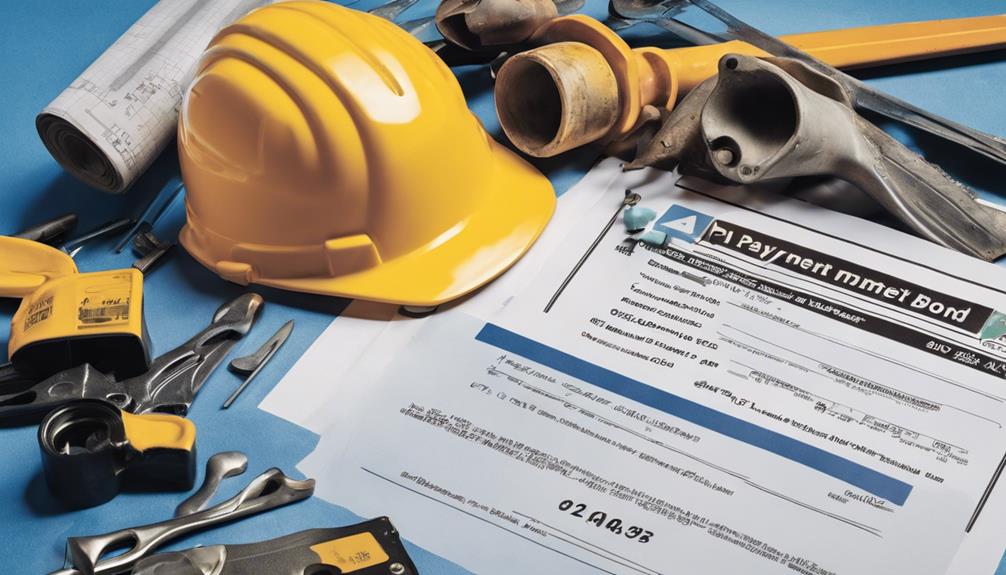
A payment bond is a crucial financial tool in the construction industry, ensuring that subcontractors and suppliers get paid for their work. When you're involved in a construction project, you might encounter a payment bond as part of the contract requirements. This bond serves as a guarantee from the contractor to pay all parties involved in the project. Essentially, it's a safety net that protects those who contribute their labor and materials.
You'll find that payment bonds are often required for public projects, especially in California. They're designed to prevent lien claims against the property, which could complicate the project's completion and affect future financing. When you see a payment bond included in a contract, it signals that the contractor is taking responsibility for paying everyone involved.
If the contractor fails to meet their payment obligations, the bond ensures that the bond issuer will cover the costs, allowing subcontractors and suppliers to receive their due payment. You can think of it as an insurance policy for your financial interests in the project.
Understanding payment bonds can help you navigate the complexities of construction contracts and safeguard your investments.
Importance of Payment Bonds
Understanding the importance of payment bonds can significantly influence the success of your construction project. Payment bonds serve as a safety net, ensuring that subcontractors and suppliers get paid for their work. When you secure a payment bond, you demonstrate your commitment to fulfilling financial obligations, which builds trust with your team and stakeholders. This trust can lead to smoother operations and stronger relationships.
Moreover, having a payment bond in place can protect you from financial turmoil. If a contractor fails to pay their workers or suppliers, the bond guarantees that these parties will still receive their due compensation. This protection not only keeps your project on track but also helps maintain your reputation within the industry.
Additionally, many public agencies require payment bonds for projects, particularly those involving state highways or public works. By having a bond, you ensure compliance with these regulations, allowing you to avoid potential legal issues and delays.
Requirements for Encroachment Permittees
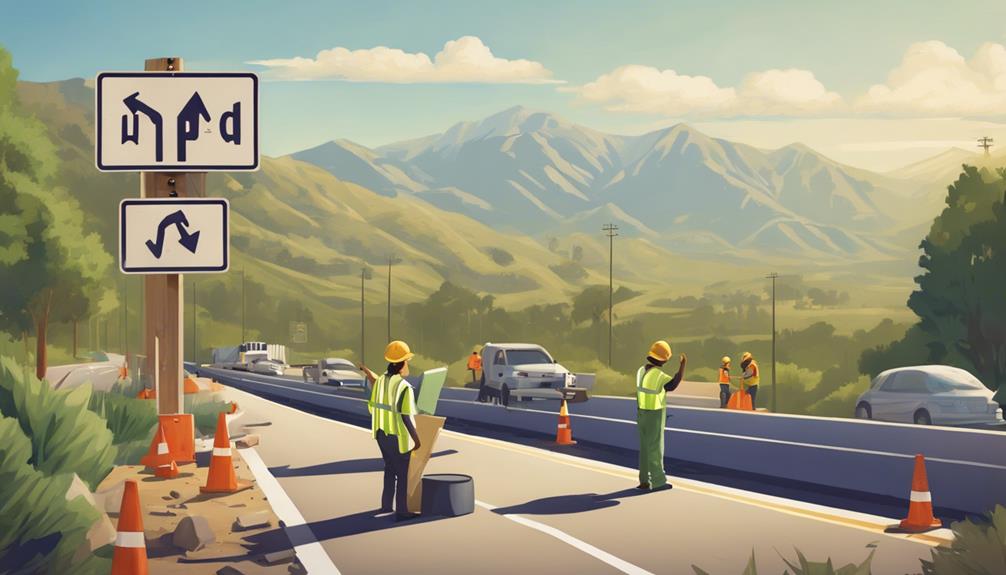
Navigating the requirements for encroachment permittees can feel overwhelming, but knowing the key elements can simplify the process. First, you need to ensure that your project complies with local regulations and guidelines. This includes understanding the specific location where your encroachment will occur, as well as any environmental considerations that may apply.
Next, you'll need to submit a completed application for the encroachment permit. This form typically requires detailed information about your project, including its purpose, design, and any potential impacts on the surrounding area. Be prepared to provide plans and specifications that clearly illustrate your proposals.
You must also secure a payment bond, which guarantees that you'll fulfill your obligations regarding the project. This bond protects the State of California and serves as a financial assurance against potential claims.
Additionally, you may need to provide proof of insurance coverage to further safeguard against liabilities. Familiarize yourself with any specific insurance requirements outlined by the state.
Lastly, always stay updated on any changes in regulations or requirements, as these can evolve over time. By following these steps, you'll be well on your way to successfully navigating the requirements for encroachment permittees.
Process for Obtaining a Payment Bond
Securing a payment bond is a crucial step in the process of obtaining an encroachment permit. To start, you'll need to gather necessary documentation, including details about your project and the estimated costs involved. This information will help you determine the bond amount you require.
Next, you should research and select a reputable bonding company. Look for companies that specialize in payment bonds and have experience with California state regulations. It's a good idea to get quotes from multiple providers, as rates can vary significantly.
Once you've chosen a bonding company, submit your application along with your project details and financial information. The bonding company will assess your application, which may involve a review of your credit history and financial stability.
Be prepared to answer any questions they might have. After approval, you'll receive the payment bond, which you'll need to sign and pay any associated premiums.
Risks of Non-Compliance

Failing to comply with California's payment bond requirements can lead to significant financial and legal repercussions. If you neglect these obligations, you risk facing costly lawsuits from subcontractors or suppliers who aren't paid. This can result in hefty legal fees and potentially crippling damages that could threaten your business's financial stability.
Moreover, non-compliance may lead to penalties imposed by state authorities, including the revocation of your encroachment permit. Without this permit, your ongoing projects could face delays or even complete shutdowns, costing you time and additional resources.
Your reputation in the industry may also suffer, as clients and partners might hesitate to work with someone who's a history of non-compliance. Additionally, bonding companies may increase your premiums or refuse to underwrite future bonds, limiting your ability to take on new projects.
This cycle can create a significant barrier to growth and success in your field. Therefore, it's crucial to stay informed about compliance requirements and take them seriously. By adhering to these regulations, you not only protect your business but also contribute to a smoother working environment for everyone involved.
Frequently Encountered Issues
One of the most common issues contractors face with California's payment bond requirements is misunderstanding the specific documentation needed. You might think that submitting a bond is straightforward, but the details can trip you up.
It's crucial to know what paperwork is necessary to avoid delays or potential penalties.
Another frequent issue is the timing of bond submission. Many contractors underestimate how long it takes to secure a bond and submit it on time.
If you don't get this right, it can jeopardize your project timeline.
Additionally, some contractors forget to keep track of their subcontractors and suppliers. If they don't receive payments, they can file claims against your bond, which could lead to financial complications for you.
Lastly, misunderstandings about the bond amount can create problems. Ensure you're familiar with the required bond amount for your specific project, as it can vary.
To navigate these challenges, stay organized and communicate clearly with your surety company.
Being proactive in understanding California's payment bond requirements can save you from costly mistakes and help your project run smoothly.
Conclusion
In summary, securing a payment bond is essential for California's state highway encroachment permittees. It not only ensures that subcontractors and suppliers get paid on time, but also protects your project's integrity and reputation. By following the requirements and processes outlined, you'll mitigate risks and foster trust among all stakeholders. Don't overlook the importance of compliance; it's key to smooth project execution and can save you from potential legal issues down the road.