Get an Instant Quote on Electrical / Mechanical / Plumbing Contractor – Compliance Only Contractor’s Surety Bond Now!

If you’re an electrical, mechanical, or plumbing contractor in Palm Beach County, you know the importance of compliance with local regulations. Securing a contractor’s surety bond is a crucial step in this process. It not only ensures you meet safety codes but also protects your clients. However, navigating the requirements and application process can be challenging. Let’s explore what you need to know to effectively obtain your surety bond and enhance your credibility.
Understanding Surety Bonds for Contractors
What exactly are surety bonds, and why do they matter for contractors?
Surety bonds are contractual agreements that guarantee a contractor will fulfill their obligations, whether it’s completing a project on time or adhering to regulations.
When you obtain a surety bond, you’re essentially providing a safety net for your clients. If you fail to meet your commitments, the bond ensures that they can be compensated for any losses incurred.
This not only builds trust with your clients but also enhances your reputation in the industry.
Additionally, many jurisdictions, including Palm Beach County, require these bonds for licensing.
Types of Surety Bonds in Palm Beach County
In Palm Beach County, various types of surety bonds play a crucial role in the construction industry. As a contractor, you’ll encounter three main types: bid bonds, performance bonds, and payment bonds.
Bid bonds ensure that you’ll follow through on your proposal, giving clients peace of mind. Performance bonds guarantee that you’ll complete the project according to the contract terms, protecting the project owner from subpar work.
Payment bonds ensure that all subcontractors and suppliers get paid, safeguarding against potential liens or disputes. Understanding these bonds is essential for your compliance and success in the Palm Beach County construction market.
Each bond type serves a specific purpose, so choosing the right one for your projects is vital.
The Application Process for Contractor’s Surety Bonds
When you’re ready to apply for a contractor’s surety bond, you’ll need to gather specific documentation that proves your qualifications.
Next, determining the bond amount is crucial, as it reflects the scope of your work and financial responsibility.
Finally, understanding the underwriting process will help you navigate the requirements and secure your bond efficiently.
Required Documentation Overview
To successfully navigate the application process for contractor’s surety bonds, you need to gather specific documentation that demonstrates your qualifications and financial stability.
Start by preparing your business license and any necessary certifications relevant to your trade. You’ll also need to provide financial statements, including your balance sheet and income statement, which reflect your fiscal health.
Additionally, be ready to submit personal financial information if you’re a sole proprietor or if the bond company requires it.
Don’t forget to include a completed bond application form, detailing your business structure and history.
Having these documents ready will streamline the process and improve your chances of obtaining the surety bond you need for compliance in Palm Beach County.
Bond Amount Determination
After gathering the required documentation, the next step involves determining the bond amount necessary for your contractor’s surety bond. This amount typically reflects the value of the projects you’ll undertake and can vary based on the scope of your work.
In Palm Beach County, the bond amount often aligns with local regulations, so it’s essential to check the specific requirements for your trade. You’ll want to consider factors like project size, potential risks, and your financial history.
Once you’ve assessed these elements, you can establish a bond amount that meets both legal requirements and your business needs. Make sure to consult with your surety bond provider for any specific guidelines they may have.
Underwriting Process Explained
Understanding the underwriting process is crucial for securing a contractor’s surety bond, as it directly impacts your eligibility and the bond amount.
During this process, the underwriter assesses your financial stability, credit history, and experience in the contracting field. You’ll need to provide documentation, such as financial statements, tax returns, and references from previous projects.
Once you submit your application, the underwriter will evaluate the risk associated with issuing your bond. They’ll consider factors like your business’s reputation and any past claims.
If approved, you’ll receive a bond amount based on your assessed risk. Keep in mind, a strong application can lead to better terms and lower premiums, so be thorough and honest in your submissions.
Compliance Requirements for Electrical, Mechanical, and Plumbing Contractors
When navigating the regulatory landscape, you’ll find that compliance requirements for electrical, mechanical, and plumbing contractors in Palm Beach County are crucial for maintaining safety and legality in your projects.
To operate legally, you must obtain the necessary licenses and permits from the county and state. This often includes passing specific exams and providing proof of work experience.
You’ll also need to adhere to local building codes and safety regulations, which can vary between municipalities. Regular inspections may be required to ensure ongoing compliance.
Additionally, keeping up with any changes in legislation is vital to avoid costly penalties. By prioritizing compliance, you not only protect your business but also contribute to the safety of the community.
Common Challenges in Securing Surety Bonds
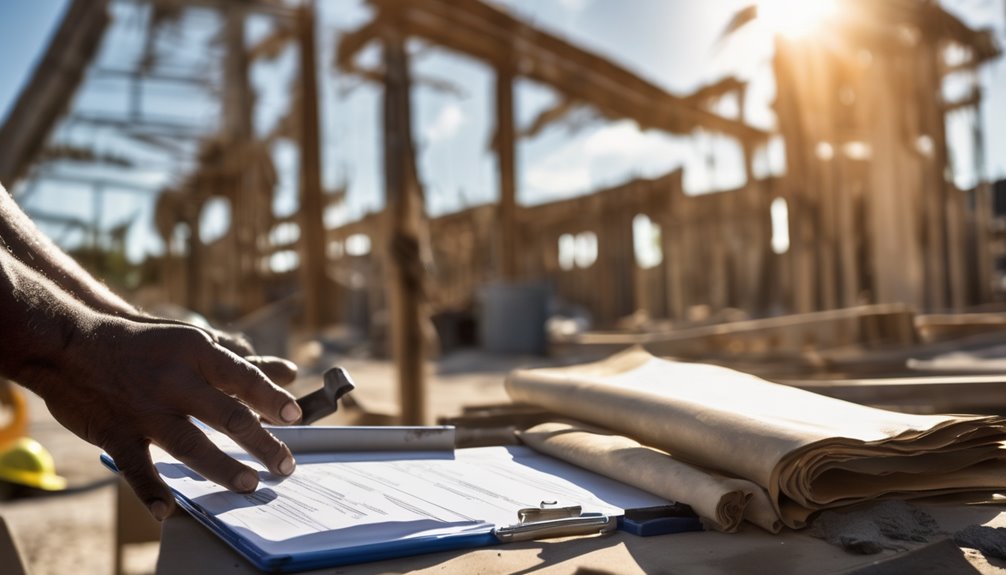
Securing surety bonds can be a daunting process for electrical contractors in Palm Beach County, especially when compliance with various regulations is already a challenge.
One common hurdle is the financial requirements; surety companies often need proof of your financial stability and creditworthiness. If your credit score isn’t up to par, it may limit your options or increase your costs.
Additionally, navigating the paperwork and documentation can be overwhelming, as incomplete submissions can lead to delays or denials.
You might also face challenges in understanding the specific bond types required for your projects.
Lastly, the bonding process can be time-consuming, pulling your focus away from your actual work and projects, adding to your stress as a contractor.
Benefits of Having a Contractor’s Surety Bond

Having a contractor’s surety bond not only enhances your credibility but also offers vital financial protection for your projects.
When clients see you’re bonded, they feel more secure in hiring you, knowing you’ll adhere to industry standards and regulations. This bond acts as a safety net, covering potential financial losses if you fail to complete the work as agreed.
It can also help you win more contracts, as many clients require it before awarding jobs. Additionally, having a surety bond can improve your business reputation, showing that you’re responsible and trustworthy.
Frequently Asked Questions
How Much Does a Contractor’s Surety Bond Cost in Palm Beach County?
The cost of a contractor’s surety bond in Palm Beach County varies, typically ranging from 1% to 15% of the bond amount. It’s essential to shop around for competitive rates and understand your specific needs.
Can I Get a Surety Bond With Bad Credit?
Yes, you can get a surety bond with bad credit, but you might face higher premiums or limited options. It’s best to shop around and compare different providers to find the best deal.
What Is the Bond Amount Required for My Specific Trade?
The bond amount you need varies by trade and location. Typically, it ranges from $5,000 to $100,000. Check with local regulations or your trade association for specific requirements relevant to your situation.
How Long Does It Take to Receive a Surety Bond?
It typically takes one to five business days to receive a surety bond, depending on the provider. You’ll need to supply necessary documents, and they’ll process your application quickly for a timely response.
What Happens if a Claim Is Made Against My Bond?
If a claim’s made against your bond, the surety company investigates it. If valid, they’ll pay the claim up to your bond’s limit. You’ll then need to reimburse the surety for any payouts made.
Conclusion
In conclusion, securing a contractor’s surety bond is essential for electrical, mechanical, and plumbing contractors in Palm Beach County. It not only ensures compliance with local regulations but also enhances your credibility and protects your clients. By understanding the types of bonds, the application process, and the compliance requirements, you can navigate any challenges that arise. Ultimately, having a surety bond strengthens your business and builds trust within the community. Don’t overlook this crucial step in your contracting journey!