Get an Instant Quote on Drywall Contractor – Compliance Only Contractor’s Surety Bond Now!

When hiring a drywall contractor in Palm Beach County, compliance is non-negotiable. You need to ensure they have the proper licenses and permits, along with a contractor’s surety bond. This bond acts as a safeguard for you, ensuring that projects get completed as promised. But how do you know if a contractor truly meets these requirements? Let’s explore what you should look for to protect your investment.
Understanding Drywall Contracting in Palm Beach County

When you’re diving into drywall contracting in Palm Beach County, it’s crucial to grasp the unique regulations and standards that govern the industry.
You’ll encounter specific building codes and local ordinances that dictate how drywall installation must be performed. Familiarizing yourself with these regulations not only ensures compliance but also enhances your credibility as a contractor.
You’ll need to secure the proper licenses and permits before starting any project. Understanding the materials and techniques specified by local codes is essential, as they can vary from one municipality to another.
Networking with local suppliers and other contractors is beneficial; they can provide insights into best practices and potential challenges. Being well-versed in these elements will set you up for success in your drywall contracting endeavors.
The Importance of Compliance in Construction Projects
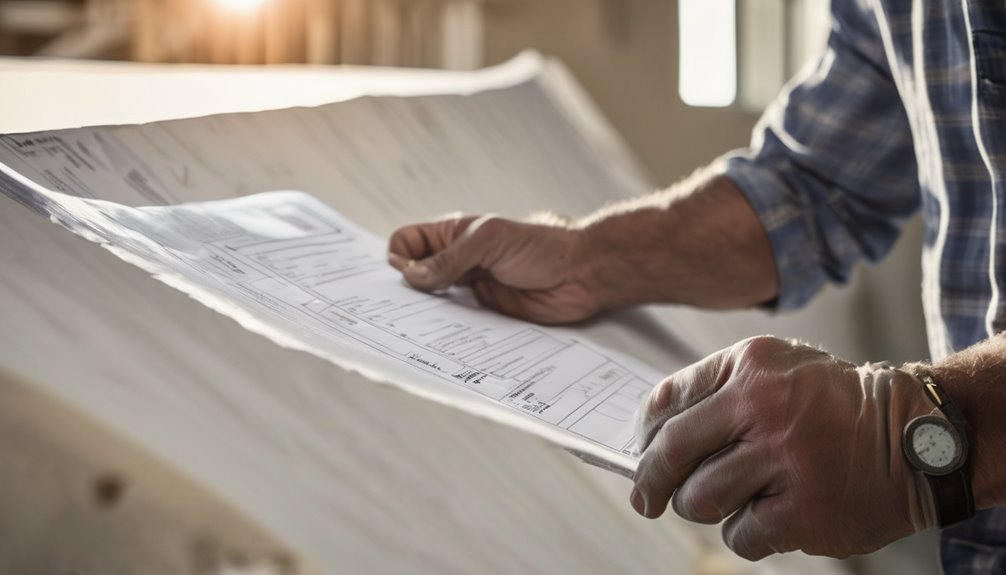
Compliance in construction projects isn’t just a legal obligation; it’s a fundamental aspect of ensuring safety, quality, and efficiency. By adhering to regulations and industry standards, you minimize risks and protect the well-being of your crew and clients.
When you comply with local codes, you enhance the quality of your work, which can lead to positive referrals and repeat business. Plus, meeting these standards helps streamline your operations, saving time and reducing costly delays.
Non-compliance can lead to fines, project shutdowns, or even legal issues that could tarnish your reputation. Remember, staying compliant not only safeguards your current project but also lays a solid foundation for future endeavors, making it a smart investment in your business’s success.
What Is a Contractor’s Surety Bond?

A contractor’s surety bond is a crucial financial tool that protects you and your clients in construction projects.
It acts as a guarantee that you’ll complete the work as agreed, and it can come in different types to suit various needs.
Understanding the purpose and types of surety bonds can help you navigate compliance in Palm Beach County.
Purpose of Surety Bonds
Surety bonds play a crucial role in the construction industry, providing a safety net for both contractors and clients.
As a contractor, you’ll find that these bonds ensure you meet your contractual obligations, whether it’s completing a project on time or adhering to local regulations.
When clients hire you, they want the peace of mind that comes from knowing you’re financially responsible and capable of fulfilling your commitments.
If you fail to meet your obligations, the surety bond offers a way for clients to recover losses. This not only protects them but also enhances your credibility and reputation in the industry.
Types of Surety Bonds
Understanding the different types of surety bonds is vital for contractors in Palm Beach County. There are three main categories: bid bonds, performance bonds, and payment bonds.
A bid bond ensures that you’ll honor your bid and enter the contract if selected. Performance bonds guarantee that you’ll complete the project according to the contract terms, protecting clients from financial loss if you fail to deliver.
Payment bonds ensure that your subcontractors and suppliers get paid, preventing liens against the property. Each type serves a distinct purpose, and having the right bonds in place not only builds trust with clients but also safeguards your business.
Familiarizing yourself with these bonds can help you navigate the contracting landscape more effectively.
Benefits of Hiring a Bonded Drywall Contractor
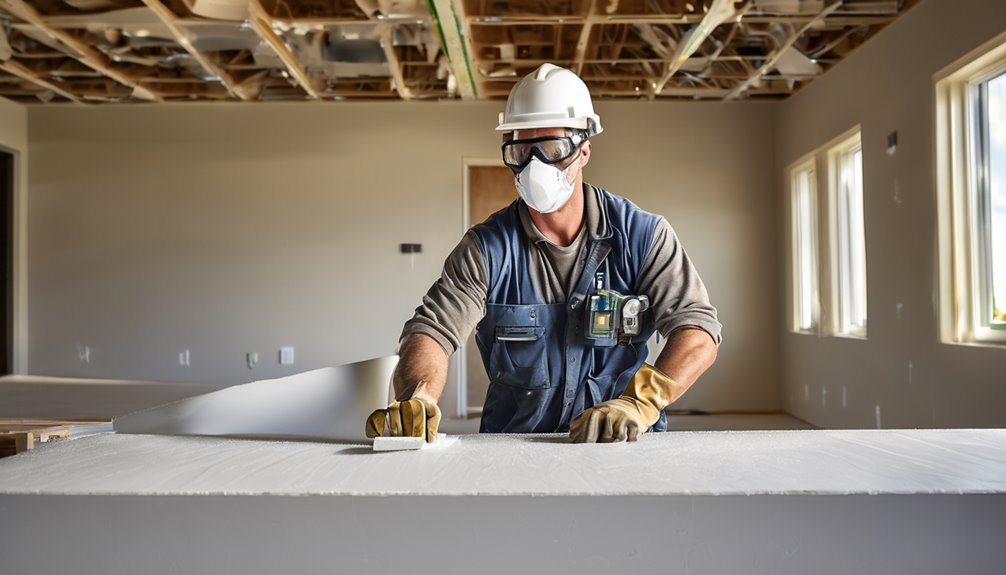
Hiring a bonded drywall contractor gives you financial protection, ensuring you’re covered if any issues arise during the project.
You’ll also benefit from their enhanced professional credibility, which can lead to better workmanship and reliability.
Choosing a bonded contractor means you’re investing in peace of mind for your drywall needs.
Financial Protection Assurance
When you choose a bonded drywall contractor, you gain peace of mind knowing your project is financially protected. A surety bond acts as a safety net, ensuring that you won’t face any unexpected financial burdens.
If the contractor fails to complete the job or doesn’t adhere to the agreed-upon standards, the bond covers your losses. This financial assurance means you can focus on your project without worrying about potential pitfalls.
Additionally, hiring a bonded contractor often speeds up the process, as they’re motivated to meet your expectations and fulfill their obligations.
Ultimately, this protection not only safeguards your investment but also encourages a smoother construction experience, keeping your project’s timeline on track.
Enhanced Professional Credibility
Choosing a bonded drywall contractor not only protects your investment but also significantly boosts the professional credibility of your project.
When you hire a bonded contractor, you’re sending a strong message about your commitment to quality and professionalism. This choice can lead to:
- Increased trust from clients and stakeholders
- Higher chances of successful project completions
- Enhanced reputation in the industry
- Greater likelihood of winning future contracts
- Peace of mind knowing standards are upheld
Bonded contractors adhere to strict regulations, ensuring they’re accountable and reliable.
This credibility can set your project apart, attracting clients who value excellence.
Local Regulations and Building Codes
Understanding local regulations and building codes is crucial for any drywall contractor operating in Palm Beach County. These rules dictate everything from materials used to installation methods, ensuring safety and quality in construction.
You’ll need to familiarize yourself with specific codes related to drywall installation, fire safety, and structural integrity. Compliance isn’t just about following rules; it directly impacts your reputation and the success of your projects.
Ignoring these regulations can lead to fines, project delays, or even legal issues. Make sure to stay updated on any changes in local ordinances or building codes.
How to Verify a Contractor’s Bond and License
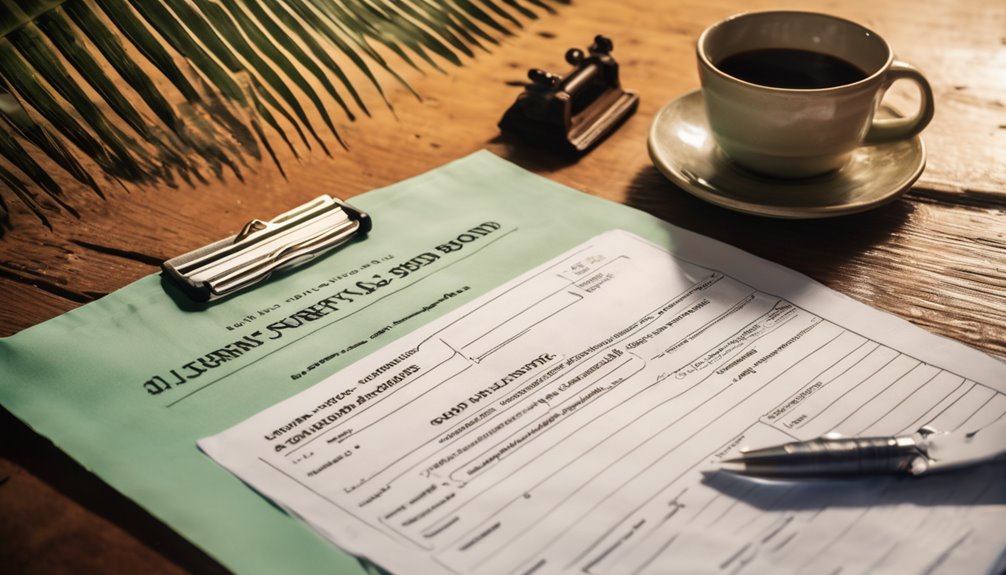
Verifying a contractor’s bond and license is a key step in ensuring that you’re hiring a qualified professional for your drywall project.
You want peace of mind knowing your investment is protected. Here’s how to do it:
- Check local licensing authorities to confirm their license status.
- Request proof of their surety bond, ensuring they’re financially backed.
- Ask for references from past clients to gauge their reliability.
- Look for online reviews to see what others are saying about their work.
- Contact the Better Business Bureau to check for complaints or issues.
Taking these steps not only protects your home but also helps you feel secure in your contractor choice.
It’s worth the effort for a successful project!
Questions to Ask Potential Drywall Contractors
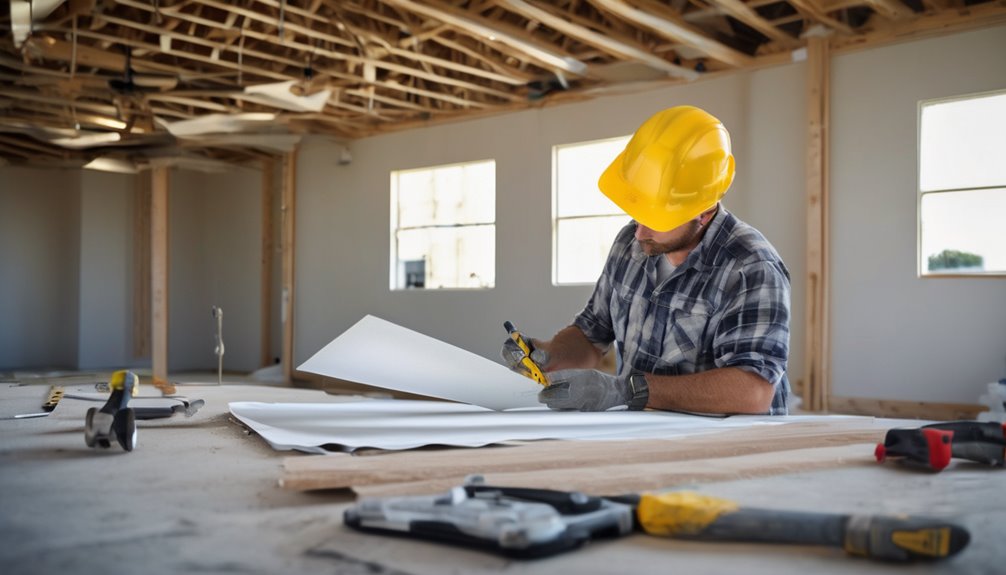
What should you ask potential drywall contractors to ensure you’re making the right choice? Start by inquiring about their experience and the number of similar projects they’ve completed.
Ask for references from past clients to gauge their satisfaction. It’s crucial to understand their approach to timelines and whether they can work within your schedule.
Don’t forget to discuss the materials they plan to use and if those meet industry standards. Clarifying their warranty policy can also give you peace of mind.
Finally, confirm their insurance coverage to protect yourself from any liabilities. By asking these questions, you’ll gather essential information that helps you make an informed decision about hiring the right drywall contractor for your project.
Tips for Ensuring a Successful Drywall Project
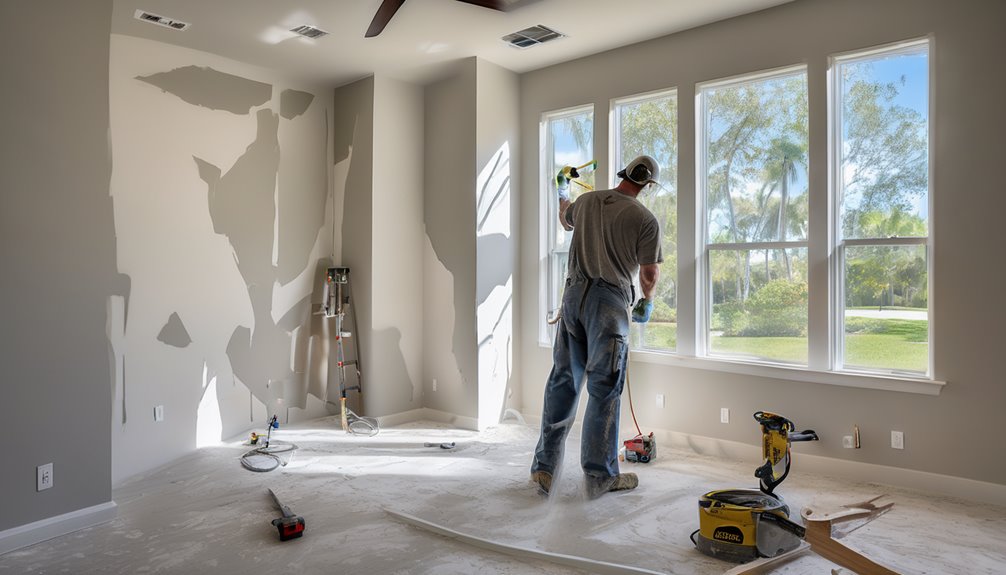
To ensure your drywall project goes smoothly, start by setting clear expectations with your contractor. Communication is key, so don’t hesitate to voice your needs and concerns.
Here are some tips to help you achieve a successful outcome:
- Establish a realistic timeline to avoid frustration.
- Discuss your budget upfront to prevent surprises later.
- Choose quality materials to enhance durability and appearance.
- Inspect the work regularly to ensure it meets your standards.
- Ask for references from previous clients to build trust.
Frequently Asked Questions
What Are the Costs Associated With Obtaining a Contractor’s Surety Bond?
When you’re looking to obtain a contractor’s surety bond, you’ll typically face costs like premiums, application fees, and potential collateral. Rates vary based on your creditworthiness and the bond amount, so be prepared for differing expenses.
How Long Does It Take to Secure a Contractor’s Surety Bond?
It typically takes a few days to secure a contractor’s surety bond. You’ll need to provide necessary documentation, undergo a credit check, and work with your chosen bonding company to finalize the process.
Can I Work as a Drywall Contractor Without a Surety Bond?
You can’t work as a drywall contractor without a surety bond in many areas. Surety bonds protect clients and ensure you adhere to regulations, making them essential for operating legally and securely in this profession.
What Happens if a Contractor Fails to Complete the Project?
If you fail to complete the project, clients may seek legal action against you, leading to financial penalties or loss of reputation. It’s crucial to communicate openly and manage expectations throughout the process to avoid issues.
Are There Any Exceptions to Bond Requirements in Palm Beach County?
In Palm Beach County, you’ll find that certain exceptions to bond requirements exist. For instance, specific low-risk projects or local governmental entities might waive the bond, but it’s essential to verify current regulations before proceeding.
Conclusion
In Palm Beach County, ensuring compliance through a contractor’s surety bond is essential for your drywall project. By hiring a bonded contractor, you protect yourself from potential financial losses and gain peace of mind knowing your project is in capable hands. Always verify a contractor’s bond and license before making a decision. With the right precautions, you can foster a successful partnership, leading to a high-quality drywall installation that meets local regulations and your expectations.