Get an Instant Quote on Building/Demolition Contractor – Compliance Only Contractor’s Surety Bond Now!

As a building or demolition contractor in Palm Beach County, compliance is non-negotiable. You need to understand the importance of securing a contractor’s surety bond, which not only protects project owners but also enhances your credibility. Navigating the requirements and process can seem daunting, but the benefits are significant. So, how can you ensure you’re meeting all local regulations while avoiding common pitfalls? Let’s explore what it takes to stay compliant.
Understanding Contractor Surety Bonds

When you’re navigating the world of construction, understanding contractor surety bonds is crucial for protecting your interests.
These bonds act as a safety net, ensuring that contractors fulfill their obligations and adhere to local regulations. They involve a three-party agreement between you, the contractor, and a surety company.
If the contractor fails to meet their contractual duties, the surety company steps in to cover any financial losses. This arrangement not only provides peace of mind but also enhances your project’s credibility.
You’ll want to ensure that your contractor has a valid surety bond before commencing work; it’s a vital step in safeguarding your investment and ensuring compliance with local laws in Palm Beach County.
Importance of Surety Bonds for Building and Demolition Contractors
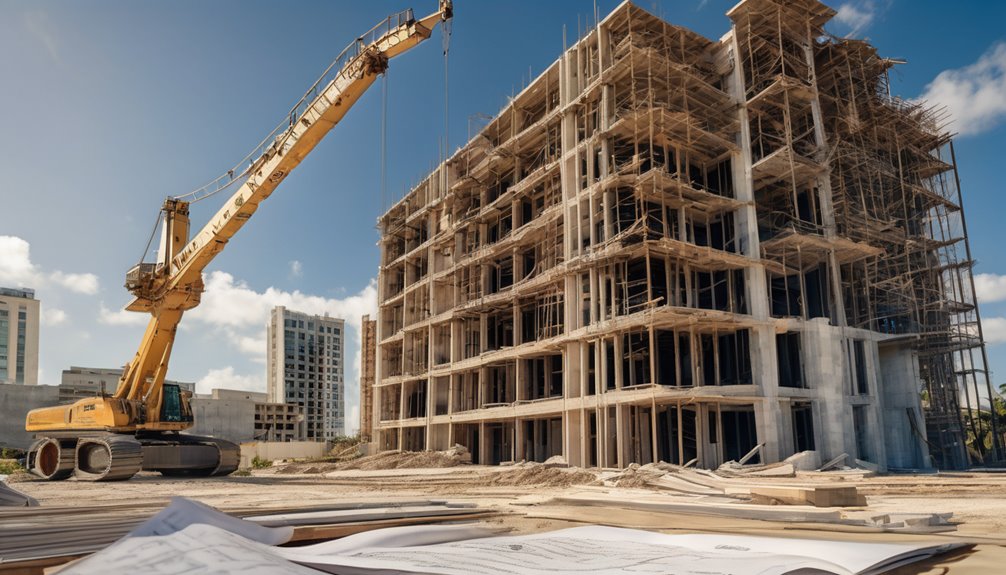
Surety bonds are crucial for building and demolition contractors because they provide financial security assurance for project completion.
They also help you meet regulatory compliance requirements, making your business more credible.
Plus, using surety bonds acts as a risk mitigation strategy, protecting you and your clients from potential losses.
Financial Security Assurance
As you navigate the complexities of building and demolition projects, understanding financial security assurance through surety bonds becomes crucial.
These bonds protect you and your clients, ensuring that funds are available to cover potential losses. Here are three key benefits of surety bonds:
- Project Completion Assurance: If you encounter unexpected challenges, surety bonds guarantee that your project will still be completed, safeguarding your reputation.
- Financial Protection: In the event of a breach of contract, the bond provides financial recourse for clients, reinforcing trust in your services.
- Enhanced Credibility: Holding a surety bond signals your commitment to professionalism, making you a more attractive choice for potential clients.
Regulatory Compliance Requirement
Understanding financial security assurance through surety bonds not only protects your projects but also aligns with regulatory compliance requirements.
As a building or demolition contractor, you need to meet local regulations, ensuring your work adheres to safety and quality standards. Surety bonds act as a guarantee, assuring clients and authorities that you’ll fulfill contractual obligations and comply with laws.
This not only boosts your credibility but also minimizes the risk of penalties or project delays due to non-compliance. When you possess a surety bond, you’re demonstrating your commitment to maintaining industry standards, which can enhance your reputation and foster trust with clients and regulators alike.
Ultimately, compliance through surety bonds helps secure your business’s future.
Risk Mitigation Strategy
When it comes to protecting your projects, implementing a risk mitigation strategy is essential for building and demolition contractors.
Surety bonds play a crucial role in this strategy, providing financial security and trust between you and your clients.
Here’s how they help:
- Financial Assurance: Surety bonds guarantee that your projects will be completed as promised, safeguarding clients’ investments.
- Compliance Support: They ensure you adhere to local regulations, reducing the risk of penalties and legal issues.
- Enhanced Reputation: Holding a surety bond boosts your credibility, making clients more likely to choose you over competitors.
Requirements for Obtaining a Contractor’s Surety Bond in Palm Beach County

In Palm Beach County, obtaining a contractor’s surety bond requires meeting specific criteria that ensure your business’s credibility and reliability.
First, you’ll need to provide proof of your contractor’s license and any relevant certifications.
Next, you must demonstrate financial stability, which often includes submitting financial statements or tax returns. Insurers typically evaluate your credit history, so maintaining a good credit score is crucial.
Additionally, you may need to disclose any past claims or legal issues related to your business.
Lastly, it’s essential to understand the bond amount required for your specific projects, as this varies depending on the job’s scope and nature.
Meeting these requirements will help you secure the bond you need to operate confidently.
The Process of Securing a Surety Bond

Securing a surety bond involves several straightforward steps that can streamline the process for contractors.
First, you’ll need to gather the necessary documentation, including your business financials and project details. This helps insurers assess your risk and financial stability.
Next, reach out to a reputable surety company or broker. They’ll guide you through the application process and provide insights on bond amounts and requirements.
Finally, review the bond terms and conditions carefully before signing. This ensures you fully understand your obligations.
Here’s a quick breakdown:
- Collect Documentation: Gather financial statements, licenses, and project information.
- Contact a Surety Provider: Choose a reliable company or broker.
- Review and Sign: Understand the bond’s terms before committing.
Benefits of Having a Surety Bond

Having a surety bond offers you financial security, ensuring that your projects are backed by a reliable guarantee.
It also boosts your professional credibility, making clients more likely to trust and hire you.
With these benefits, securing a surety bond can be a smart move for your contracting business.
Financial Security Assurance
When you consider the risks involved in construction projects, a surety bond can provide essential financial security. This bond protects you, your clients, and subcontractors, ensuring that everyone’s interests are safeguarded.
Here are three key benefits of having a surety bond:
- Project Completion: If your project faces unexpected issues, the bond guarantees that it’ll be completed without financial loss to your clients.
- Financial Backing: It acts as a financial cushion, covering costs that arise from delays or non-compliance with contract terms.
- Quick Resolution: Should disputes arise, the bond facilitates a faster resolution, minimizing financial strain on your business.
With a surety bond in place, you can tackle projects with confidence and peace of mind.
Enhanced Professional Credibility
A surety bond not only protects your financial interests but also enhances your professional credibility in the construction industry.
When clients see you’re bonded, they recognize your commitment to quality and compliance, setting you apart from competitors. This bond signals that you adhere to industry standards and regulations, building trust with potential clients.
As you complete projects on time and meet obligations, your reputation grows, leading to more referrals and higher-quality contracts.
Additionally, bonding can help you secure better rates from suppliers and subcontractors, further establishing your professionalism.
Ultimately, having a surety bond boosts your image, making you a more attractive choice for clients looking for reliable contractors.
Enhance your credibility and watch your business thrive.
Common Challenges Contractors Face With Surety Bonds
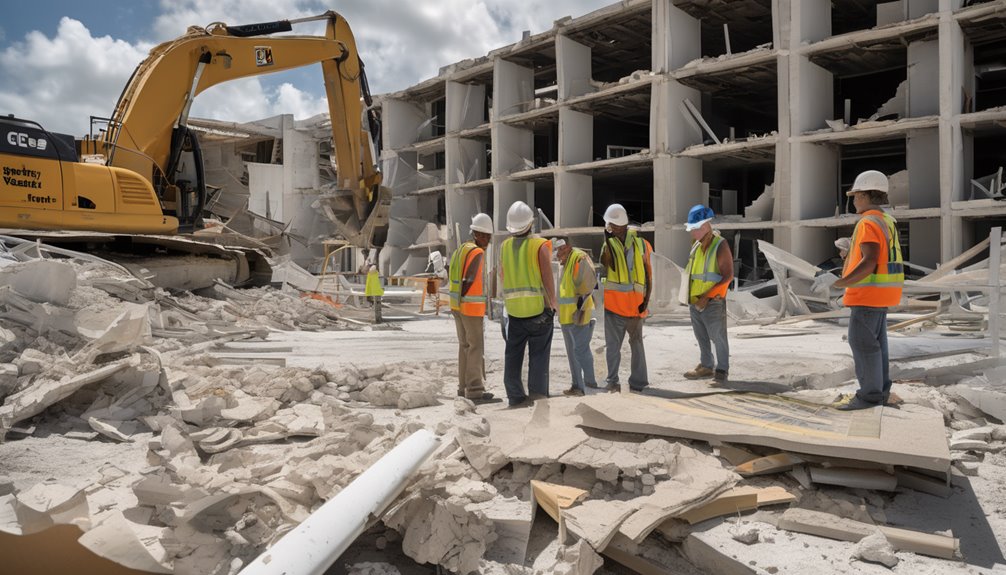
Though you might understand the importance of surety bonds in the construction industry, navigating the complexities surrounding them can still pose significant challenges.
Here are three common issues you may encounter:
- Cost Variability: Surety bond premiums can fluctuate based on your credit score, project size, and risk factors, making budgeting difficult.
- Documentation Requirements: You’ll often face extensive paperwork and financial disclosures, which can be overwhelming and time-consuming.
- Claims and Disputes: If a claim arises, you may need to manage disputes or legal actions, which can strain resources and impact timelines.
Staying Compliant With Local Regulations and Standards

To ensure your construction projects run smoothly, staying compliant with local regulations and standards is essential.
Start by familiarizing yourself with Palm Beach County’s specific codes and requirements. Regularly check for updates, as regulations can change frequently.
Make it a habit to attend local meetings or workshops to stay informed about any new developments in the industry.
Collaborate with local authorities and other contractors to share insights and updates.
Keep thorough documentation of your permits, inspections, and compliance measures. This not only helps avoid fines but also enhances your credibility.
Finally, consider hiring a compliance officer or consultant if you’re unsure about navigating the regulations.
Staying proactive will save you time and resources, ensuring your projects succeed without unnecessary setbacks.
Frequently Asked Questions
How Much Does a Contractor’s Surety Bond Typically Cost?
A contractor’s surety bond typically costs between 0.5% to 3% of the total bond amount. Factors like credit score and project size influence the exact rate, so you should shop around for the best options.
Can I Receive a Refund if I Don’t Use My Bond?
You typically can’t receive a refund if you don’t use your bond. Most surety bonds are non-cancelable and non-refundable, so it’s important to confirm the terms with your provider before purchasing.
What Happens if a Claim Is Made Against My Bond?
If a claim’s made against your bond, the surety investigates the situation. If valid, they’ll pay the claim up to the bond amount, and you’ll have to reimburse them for that payment.
Do Surety Bonds Expire, and How Often Do I Need to Renew?
Surety bonds generally don’t expire, but they often require renewal or periodic reviews. You should check your bond’s terms and renew it as needed to maintain compliance and protect your interests effectively.
Are There Different Types of Surety Bonds for Contractors?
Yes, there are different types of surety bonds for contractors. You’ll find performance bonds, payment bonds, and license bonds, among others. Each serves a unique purpose, ensuring various obligations are met throughout your projects.
Conclusion
In conclusion, securing a contractor’s surety bond in Palm Beach County isn’t just a requirement; it’s a vital step toward establishing your credibility and ensuring compliance with local regulations. By understanding the bond process and staying informed about local codes, you can navigate potential challenges more effectively. Remember, having a surety bond not only protects you but also reassures project owners of your commitment to fulfilling your obligations. Stay compliant, and your projects will thrive.