Get an Instant Quote on Building/Roofing/Demolition Contractor – Compliance Only Contractor’s Surety Bond Now!

If you’re a contractor in Palm Beach County, understanding the ins and outs of surety bonds is crucial. These bonds not only protect project owners but also bolster your credibility in a competitive market. You might be wondering what it takes to secure one and the benefits it brings. As you navigate these requirements, you’ll find that compliance can significantly impact your business success. What steps do you need to take to get started?
Understanding Surety Bonds and Their Purpose
When you embark on a construction project in Palm Beach County, understanding surety bonds is crucial.
These bonds serve as a financial guarantee that you’ll fulfill your contractual obligations. Essentially, they protect project owners from potential losses if you fail to complete the job or meet regulatory requirements.
By securing a surety bond, you not only demonstrate your credibility as a contractor but also enhance your chances of winning contracts. It shows clients that you’re committed to quality work and adhering to local laws.
In this competitive market, having a surety bond can set you apart from others who mightn’t have this assurance in place.
Types of Surety Bonds for Contractors
Surety bonds come in various types, each serving a specific purpose in the construction industry.
As a contractor, you’ll encounter three main types: bid bonds, performance bonds, and payment bonds.
Bid bonds protect project owners by ensuring that you’ll honor your bid and enter into a contract if selected.
Performance bonds guarantee that you’ll complete the project according to the contract terms.
Payment bonds ensure that your subcontractors and suppliers get paid, protecting them from non-payment issues.
Each bond type plays a crucial role in building trust and mitigating risks in construction projects.
Knowing these bonds helps you navigate the contracting landscape more effectively, ensuring compliance and securing your reputation in Palm Beach County.
Requirements for Obtaining a Surety Bond in Palm Beach County

When you’re looking to obtain a surety bond in Palm Beach County, it’s essential to understand the different bond types available.
You’ll also need to follow a specific application process to secure your bond successfully.
Let’s break down these requirements so you can navigate them with ease.
Bond Types Overview
To ensure compliance in Palm Beach County, it’s essential to understand the various types of bonds required for construction projects.
The most common types include performance bonds, which guarantee the completion of work as specified; payment bonds, ensuring that subcontractors and suppliers are paid; and bid bonds, which protect the project owner in case a contractor backs out after winning the bid.
Each type serves a distinct purpose and helps safeguard your project against financial loss or legal issues. When you’re applying for a contractor’s surety bond, knowing which bonds you need is crucial for your success.
Application Process Steps
Understanding the application process for obtaining a surety bond in Palm Beach County is crucial for contractors looking to ensure compliance.
First, you’ll need to gather necessary documents, including your business license, financial statements, and any relevant insurance information.
Next, choose a reputable surety company and complete their bond application. This typically involves providing personal and business details and may require a credit check.
After submitting your application, the surety company will evaluate your financial stability and project history.
If approved, you’ll receive the bond, which you’ll need to pay for, often as a percentage of the bond amount.
Finally, ensure you submit the bond to the appropriate local authorities to finalize compliance with Palm Beach County regulations.
Benefits of Surety Bonds for Contractors and Clients
Surety bonds offer significant advantages for both contractors and clients, ensuring financial security and accountability throughout a project.
By securing a surety bond, you can enjoy these key benefits:
- Financial Protection: Surety bonds protect clients from financial loss if a contractor fails to meet obligations.
- Enhanced Credibility: Having a bond in place boosts your reputation, showing clients you’re serious about your commitments.
- Project Assurance: Clients gain peace of mind knowing their project is backed by a reliable financial guarantee.
- Risk Mitigation: Surety bonds help minimize project risks, making it easier for you to focus on delivering quality work.
The Process of Claiming Against a Surety Bond
When a contractor fails to fulfill their obligations, claiming against a surety bond can provide the necessary recourse for clients.
First, you’ll need to gather relevant documentation, such as contracts, invoices, and any correspondence. This evidence will support your claim.
Next, contact the surety company that issued the bond and notify them of your intent to file a claim. They’ll likely require a formal written claim, detailing the contractor’s failures and the damages you’ve incurred.
Once submitted, the surety company will investigate your claim, which may involve reaching out to the contractor. If they find your claim valid, they’ll compensate you up to the bond’s limit.
Always keep records of all communications throughout this process for your protection.
Best Practices for Maintaining Compliance With Surety Bonds
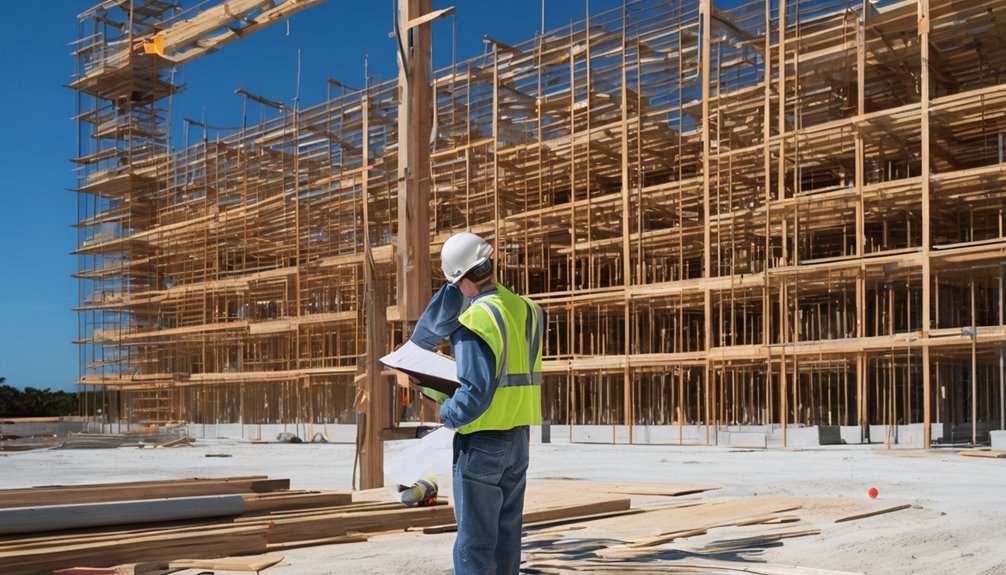
Maintaining compliance with surety bonds is vital for contractors aiming to uphold their reputations and avoid costly claims.
To ensure you’re always in good standing, follow these best practices:
- Stay Updated: Regularly review local regulations and bond requirements.
- Document Everything: Keep detailed records of contracts, payments, and communications.
- Communicate with Surety: Maintain open lines of communication with your surety provider to address any concerns.
- Complete Projects on Time: Timely project completion reduces the risk of claims against your bond.
Frequently Asked Questions
What Is the Average Cost of a Surety Bond in Palm Beach County?
The average cost of a surety bond in Palm Beach County typically ranges from 1% to 5% of the bond amount. You should shop around to find the best rates that meet your needs.
How Long Does It Take to Obtain a Surety Bond?
It usually takes a few days to obtain a surety bond, but it can vary based on your financial history and the bond amount. Be prepared to provide necessary documentation to expedite the process.
Are There Specific Bonds for Roofing Contractors Only?
Yes, there are specific bonds for roofing contractors. These bonds often cover compliance with local regulations and ensure project completion. You should check your state’s requirements to find the right bond for your roofing business.
Can a Contractor Get Bonded With Bad Credit?
Yes, you can still get bonded with bad credit, but it might cost you more. Some surety companies specialize in high-risk clients, so explore your options and be prepared for potentially higher premiums.
What Happens if a Contractor Defaults on Their Bond?
If a contractor defaults on their bond, you’ll face financial repercussions. The surety company pays the claim, but then seeks reimbursement from you. This can damage your credit and reputation, making future projects challenging.
Conclusion
In Palm Beach County, securing a contractor’s surety bond is essential for your success and compliance. It not only protects your clients but also boosts your credibility in the competitive market. By understanding the requirements and benefits of these bonds, you can enhance your reputation and ensure smooth project execution. Stay proactive in maintaining compliance to avoid potential pitfalls, and you’ll build lasting trust with your clients, leading to more opportunities in the future.