Get an Instant Quote on Bond for Payment of Disposal Charges Now!

When it comes to waste disposal, tipping fees play a crucial role in shaping your choices. These charges vary based on several factors, and understanding them can significantly impact your budget and waste management habits. As landfill space shrinks and costs increase, knowing how these fees work becomes even more essential. What strategies might help you minimize these costs while making a positive impact on the environment?
What Are Tipping Fees?
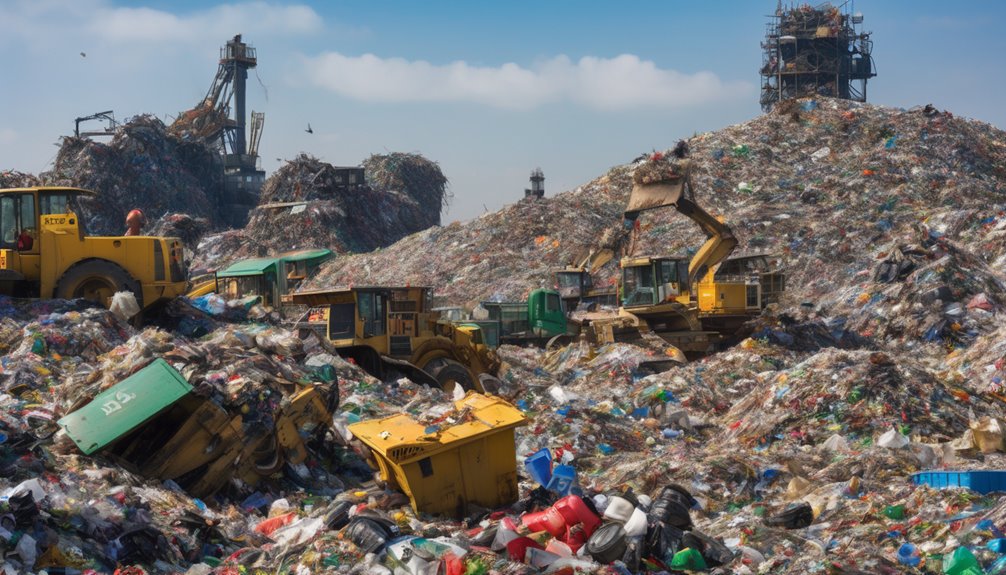
Tipping fees are the charges you’ll pay when disposing of waste at a landfill or waste management facility.
These fees vary based on several factors, including the type of waste, the facility’s location, and the amount of waste being disposed of. When you bring your waste to a facility, staff will weigh your load and calculate the fee accordingly.
It’s important to know that different materials, like construction debris or organic waste, often have different rates. Being aware of these fees can help you budget your disposal costs effectively.
Additionally, some facilities may offer discounts for larger quantities or regular customers. Understanding tipping fees enables you to make informed decisions about waste disposal and management.
The Purpose of Tipping Fees
While you might think of tipping fees as just another expense, they actually serve several important purposes in waste management. By understanding these goals, you can appreciate the role they play in both environmental sustainability and operational efficiency.
- Encouraging recycling: Tipping fees can incentivize waste diversion, promoting recycling and composting efforts.
- Covering operational costs: They help facilities manage expenses, ensuring proper maintenance and efficient waste processing.
- Funding infrastructure: Fees contribute to building and upgrading waste management systems, benefiting the community.
- Regulating waste generation: Higher fees can discourage excessive waste production, encouraging more responsible consumption habits.
In this way, tipping fees play a vital role in creating a more sustainable and efficient waste management system.
Factors Influencing Tipping Fees
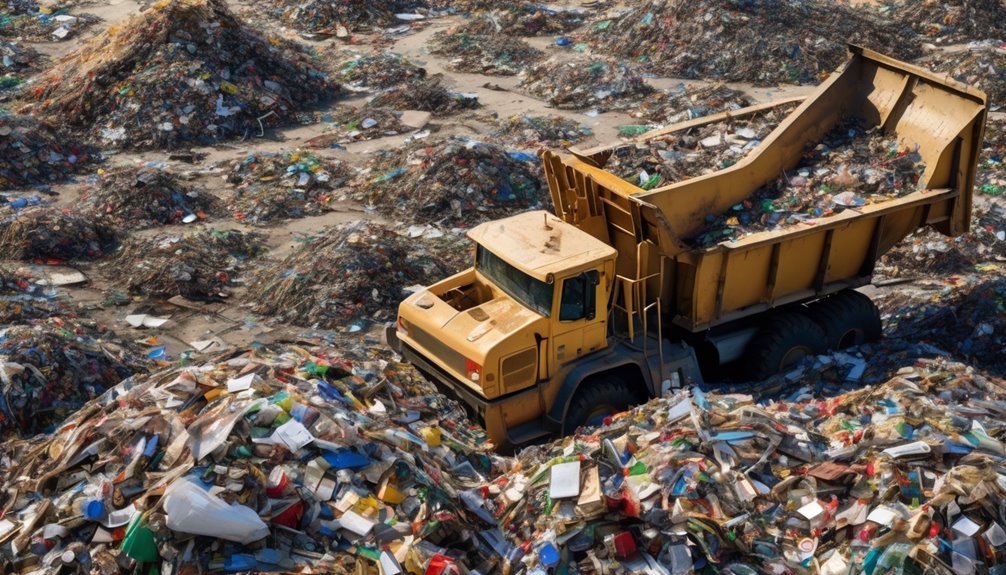
Several factors come into play when determining tipping fees, influencing how much you might pay for waste disposal.
The type of waste you’re disposing of matters; hazardous materials often incur higher fees due to special handling requirements.
Location also plays a role; facilities in urban areas may charge more due to higher operational costs.
Seasonal demand can impact fees as well; during peak times, like spring cleaning, you might see an increase.
Additionally, the weight or volume of your waste can affect the price; heavier loads typically cost more to process.
Finally, regulations and local government policies can dictate fee structures, so staying informed is essential to avoid surprises when you take your waste to the disposal facility.
How Tipping Fees Are Calculated

How are tipping fees calculated? Tipping fees are determined based on several factors that influence the overall cost of waste disposal.
When you’re trying to figure out the fees, keep these key elements in mind:
- Type of Waste: Different materials, like construction debris or organic waste, can have varying fees.
- Weight: Fees are often calculated per ton, so heavier loads will cost you more.
- Location: Local regulations and the proximity of landfills can affect prices.
- Operational Costs: The expenses related to running the waste facility, including maintenance and labor, are factored in.
The Impact of Tipping Fees on Waste Management
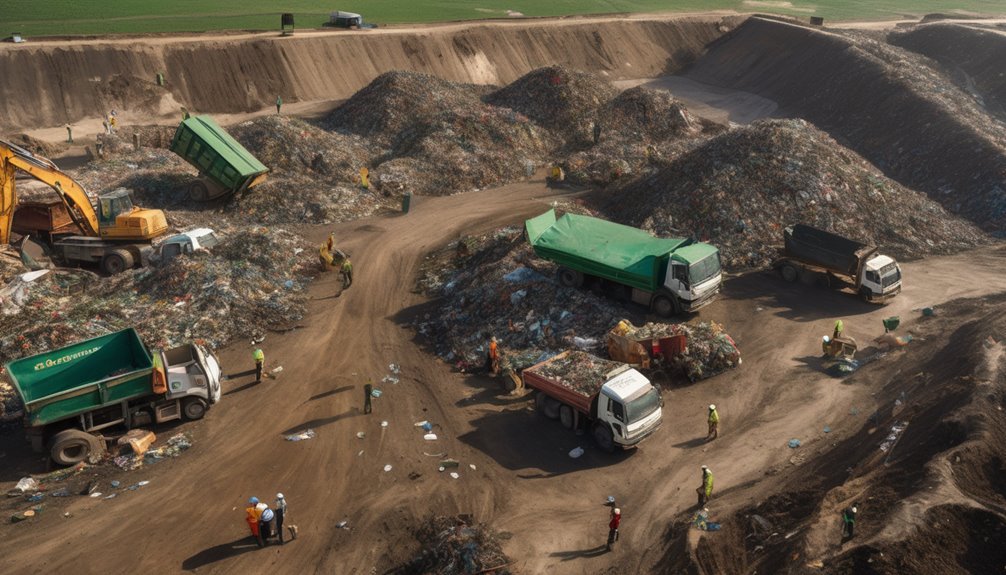
Tipping fees play a significant role in shaping waste management practices. When you pay these fees, you’re not just disposing of waste; you’re influencing how municipalities manage their resources.
Higher tipping fees often encourage you to reduce waste and seek alternatives, like composting or donating items. This financial pressure can lead local governments to adopt more efficient waste management strategies, helping to minimize landfill use.
On the flip side, lower fees might lead to increased waste generation, as there’s less incentive to recycle or reduce consumption.
Ultimately, the structure of tipping fees affects your behavior and can drive change in how communities approach waste management, making it crucial to consider their impact on sustainability efforts.
Tipping Fees and Recycling Initiatives
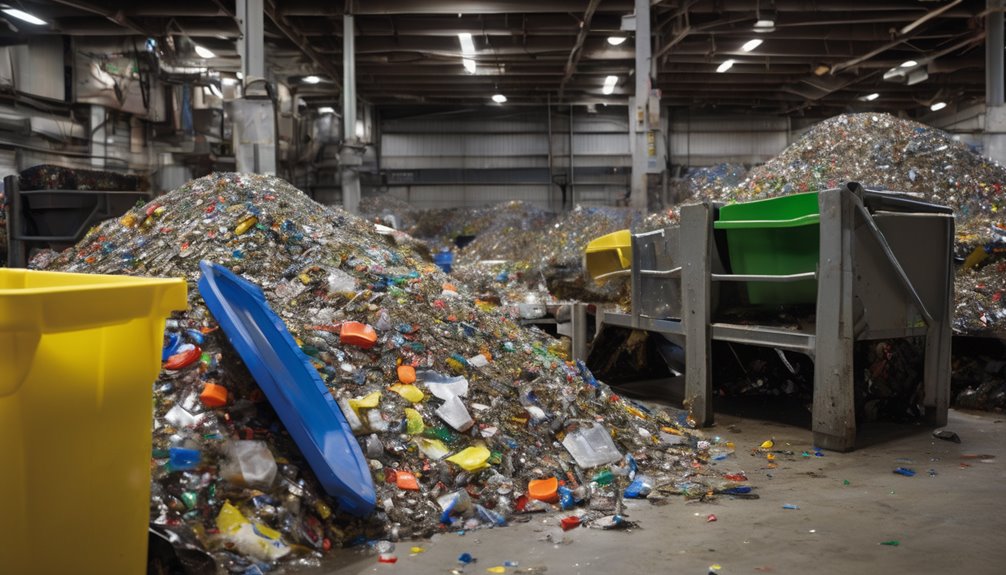
While many people might see tipping fees as just an added cost of waste disposal, they can significantly influence recycling initiatives in your community.
When municipalities implement these fees, they often encourage residents to reduce waste and recycle more. By making disposal more expensive, you’re incentivized to think twice before throwing things away.
Here are some ways tipping fees can boost recycling efforts:
- Increased awareness of waste generation
- Encouragement for better sorting of recyclables
- Funding for local recycling programs
- Promotion of sustainable waste practices
Ultimately, adjusting tipping fees can lead to a positive shift in how you and your neighbors approach waste management, resulting in a cleaner environment and a more sustainable community.
Variability of Tipping Fees Across Regions
As you explore waste management practices, you’ll notice that tipping fees can vary significantly from one region to another.
These fees depend on a variety of factors, including local regulations, landfill availability, and operational costs. In some urban areas, tipping fees might be higher due to increased demand and limited landfill space.
Conversely, rural regions often have lower fees because of abundant land and fewer regulations. You may also find that municipalities with robust recycling programs can offset costs, leading to lower tipping fees for residents.
Understanding these regional differences can help you make informed decisions about waste disposal, whether you’re a homeowner or a business owner looking to optimize your waste management strategy.
Strategies to Minimize Tipping Fees
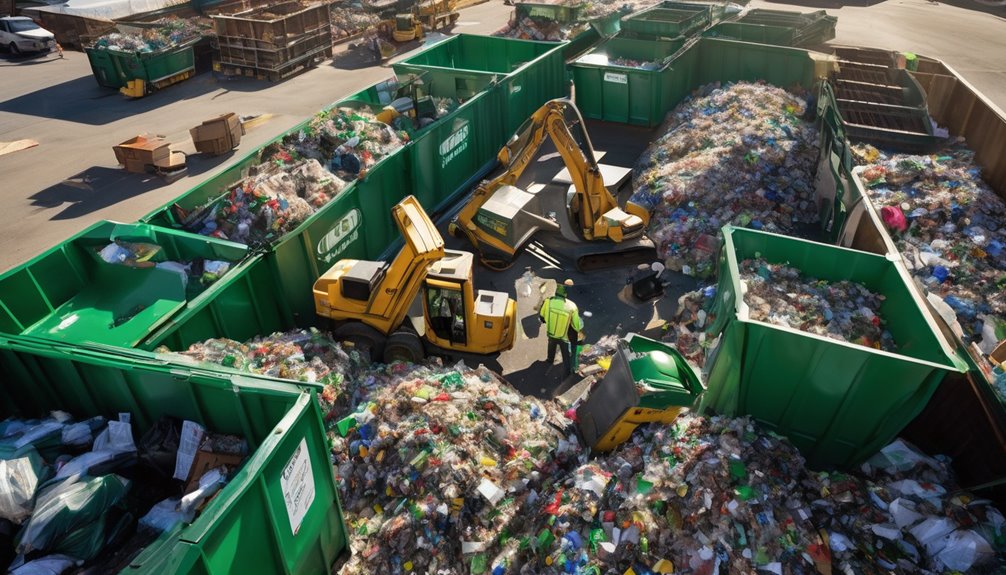
To minimize tipping fees, you’ll want to adopt strategies that prioritize waste reduction and efficient disposal practices. By being proactive, you can significantly reduce your overall costs.
Here are some effective strategies you can implement:
- Conduct regular waste audits: Identify what materials you’re throwing away and find ways to reduce or recycle them.
- Practice source separation: Keep recyclables and compostables separate from general waste to avoid extra fees.
- Implement a waste diversion program: Encourage employees or household members to recycle and compost more effectively.
- Negotiate contracts with waste haulers: Shop around for competitive rates and consider long-term agreements for better pricing.
The Future of Tipping Fees in Waste Management

As you look ahead, consider how evolving regulations and technological innovations will shape tipping fees in waste management.
You’ll see that sustainability trends are also pushing costs in new directions.
Understanding these factors will help you navigate the future landscape of waste disposal.
Evolving Regulatory Framework
With growing concerns about environmental sustainability, the regulatory framework surrounding tipping fees in waste management is rapidly evolving.
You’ll likely notice new policies aimed at reducing waste and encouraging recycling. These regulations are designed to ensure that tipping fees reflect not just disposal costs but also environmental impacts.
- Increased transparency in fee structures
- Incentives for recycling and waste diversion
- Stricter penalties for non-compliance
- Support for community-based waste management solutions
As these changes take shape, staying informed will help you navigate potential shifts in costs and practices.
Embracing these evolving regulations can lead to more sustainable waste management practices, ultimately benefiting both your community and the environment.
Technological Innovations Impact
While advancements in technology continue to reshape various industries, waste management is no exception, particularly in how tipping fees are calculated and implemented.
You might notice smarter waste tracking systems that use sensors and data analytics to monitor waste levels in real time. This allows facilities to adjust their operations efficiently, leading to fairer tipping fees based on actual usage.
Additionally, automation in sorting and processing can reduce operational costs, potentially lowering fees for consumers. Mobile apps can also provide seamless payment options, making transactions smoother.
As technology evolves, you’ll likely see more dynamic pricing models that reflect fluctuating supply and demand, ensuring that tipping fees remain transparent and equitable for everyone involved in waste management.
Sustainability and Cost Trends
The future of tipping fees in waste management is increasingly tied to sustainability and cost trends. As you consider your waste strategies, keeping these factors in mind can help you adapt effectively:
- Rising landfill costs: As landfill space dwindles, fees are likely to increase.
- Recycling incentives: Enhanced recycling programs can lower tipping fees by reducing waste volume.
- Green technologies: Investments in sustainable waste technologies can lead to long-term savings and lower tipping fees.
- Regulatory changes: New regulations may impose additional costs, pushing tipping fees higher.
Frequently Asked Questions
How Often Do Tipping Fees Change?
Fees can change frequently, depending on various factors like regulations, market demand, and operational costs. You should check with local providers regularly to stay updated on any adjustments that might affect your expenses.
Can Individuals Pay Tipping Fees for Personal Waste Disposal?
Yes, you can pay fees for personal waste disposal at designated facilities. Many local waste management sites allow individuals to drop off their waste, often charging a fee based on the type and amount of waste.
Are There Exemptions for Non-Profit Organizations?
Yes, there are often exemptions for non-profit organizations. If you’re involved with one, check local regulations to see if you qualify. Many municipalities offer reduced rates or complete waivers for charitable activities.
What Happens to Unpaid Tipping Fees?
If you don’t pay fees, consequences may arise. You might face penalties, increased charges, or legal action. It’s crucial to address unpaid fees promptly to avoid escalating issues with your account or service access.
How Do Tipping Fees Affect Small Businesses?
Small businesses often struggle with rising costs, and fees can strain budgets. You might find that unexpected expenses limit your resources, making it harder to invest in growth or maintain competitive pricing against larger companies.
Conclusion
In conclusion, understanding tipping fees is crucial for effective waste management. By being aware of how these fees work and what influences them, you can make informed decisions that not only save you money but also promote recycling and sustainability. As the landscape of waste disposal continues to evolve, staying updated on tipping fees and exploring strategies to minimize them will benefit both your wallet and the environment. Embrace these practices to contribute positively to waste management efforts.