Get an Instant Quote on Bond for Payment of Disposal Charges (Landfill Dumping Fees) Now!

When it comes to managing waste, understanding landfill dumping fees is crucial. You might not realize how essential a Landfill Dumping Fees Bond is for ensuring timely payment of these charges. This bond serves as a safety net for municipalities and operators, safeguarding against unpaid fees. But how does it really work, and what are the benefits? Let’s explore the intricacies of this financial tool and its impact on waste management practices.
Understanding Landfill Dumping Fees
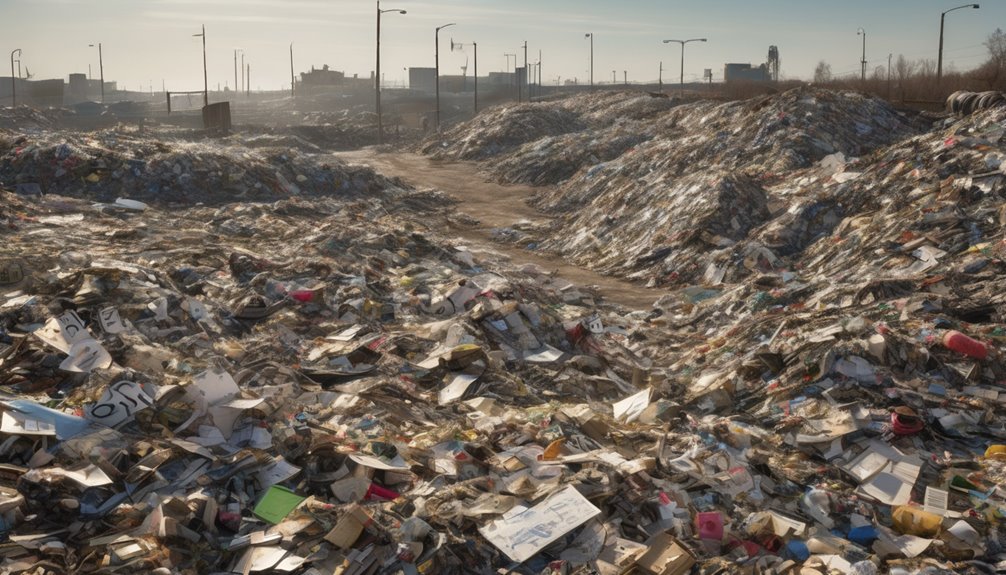
When you consider the costs associated with waste disposal, understanding landfill dumping fees becomes essential. These fees vary widely based on location, type of waste, and local regulations.
You’ll often find that municipalities charge different rates for residential versus commercial waste, reflecting the volume and complexity of disposal. Additionally, some landfills may impose extra fees for hazardous materials or oversized items.
To manage your waste disposal budget effectively, familiarize yourself with these charges before you haul your waste to the landfill. By knowing what to expect, you can avoid surprises and plan your budget accordingly.
Understanding these fees not only helps you save money but also encourages responsible waste management practices.
The Role of Landfill Dumping Fees Bonds
While landfill dumping fees are crucial for managing waste disposal, bonds related to these fees play a significant role in ensuring compliance and financial responsibility.
These bonds act as a safety net, protecting municipalities and operators from the financial fallout of unpaid fees. They ensure that you, as a waste generator, remain accountable for your disposal charges, which ultimately keeps the system functioning smoothly.
- They safeguard public funds by ensuring payment for disposal services.
- Bonds encourage responsible waste management practices among generators.
- They provide a mechanism for dispute resolution, minimizing financial risks.
Understanding the importance of these bonds can help you appreciate their contribution to sustainable waste management and the overall health of your community.
How Landfill Dumping Fees Bonds Work
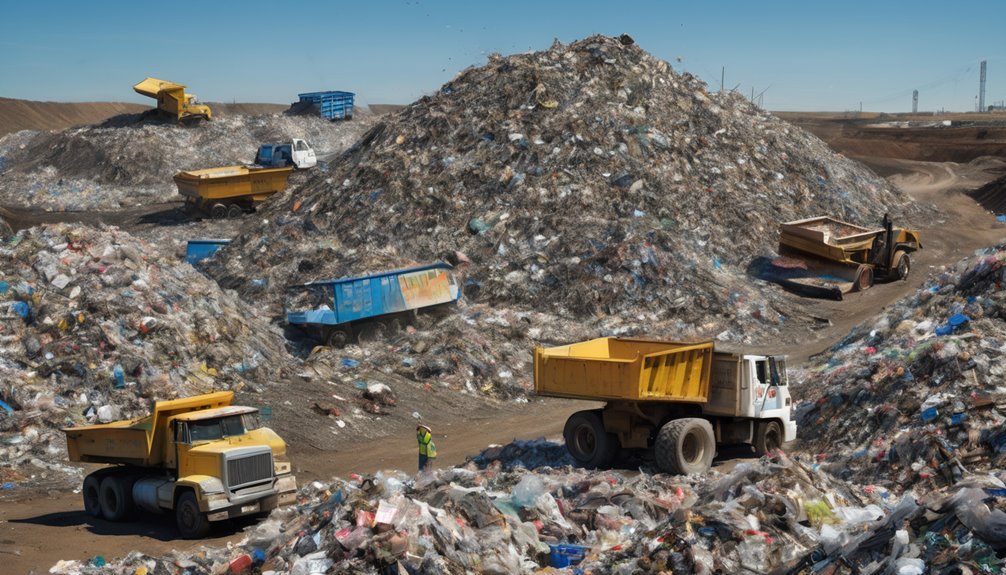
Understanding how landfill dumping fees bonds work can help you navigate the complexities of waste management. These bonds act as a financial guarantee that ensures you’ll cover the disposal charges associated with your waste.
When you secure a bond, you’re essentially promising that funds will be available to pay the landfill fees, which protects the landfill operator from financial loss.
To obtain a bond, you’ll typically need to provide some financial information and possibly collateral, depending on the size of your operation.
Once issued, the bond remains active as long as you’re compliant with payment terms. If you fail to pay your fees, the bond can be called upon to cover the costs, ensuring that waste disposal remains financially secure for everyone involved.
Benefits of Using Landfill Dumping Fees Bonds

Using landfill dumping fees bonds can really help you manage costs and create predictability in your budgeting.
You’ll also find that these bonds streamline your payment processes, making everything more efficient.
This way, you can focus on what matters most while keeping your finances in check.
Cost Management and Predictability
When you implement landfill dumping fees bonds, you not only streamline your budget but also enhance cost predictability.
This approach helps you manage expenses more effectively, reducing the uncertainty often associated with waste disposal fees. By establishing a fixed bond amount, you gain clarity on your financial commitments, allowing you to plan with confidence.
Here are some key benefits of using landfill dumping fees bonds:
- Stable budgeting: Predictable fees help you allocate resources more efficiently.
- Reduced financial surprises: Fixed costs minimize the risk of unexpected charges.
- Improved cash flow: Knowing your disposal costs promotes better cash management.
Streamlined Payment Processes
Implementing landfill dumping fees bonds not only enhances cost management but also simplifies payment processes.
You’ll find that these bonds create a clear framework for payments, reducing confusion and delays. Instead of juggling multiple invoices and payment schedules, you can focus on a single, streamlined transaction. This efficiency means less time spent on administrative tasks and more time on your core activities.
Plus, using bonds helps ensure that funds are readily available for disposal charges, which can minimize the risk of unexpected costs. By adopting this system, you gain peace of mind knowing that your payment obligations are structured and secure.
Ultimately, streamlined payment processes lead to better cash flow management, allowing you to allocate resources more effectively.
Legal Requirements for Landfill Dumping Fees Bonds
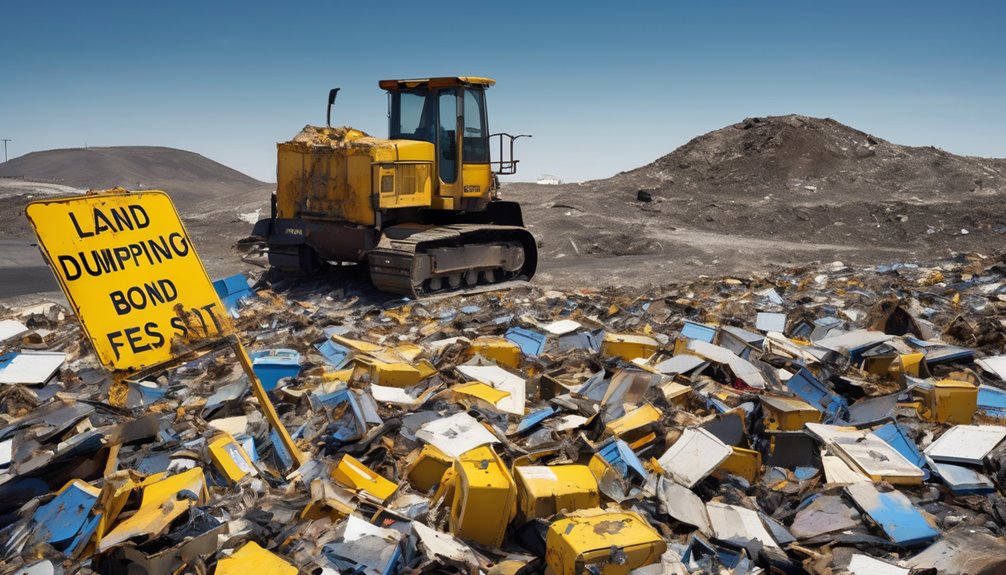
Why are legal requirements for landfill dumping fees bonds so crucial? They ensure that you, as a waste generator, meet financial obligations related to waste disposal.
These regulations protect the environment and local communities by ensuring the responsible management of waste. Here are some key aspects of these legal requirements:
- Financial Security: Bonds provide assurance that funds are available for disposal fees, preventing unpaid debts.
- Compliance: Meeting legal standards helps you avoid penalties, fines, or potential shutdowns of your waste management operations.
- Environmental Responsibility: Adhering to regulations fosters sustainable practices and protects local ecosystems from improper waste disposal.
Understanding these legal requirements is essential for maintaining compliance and promoting responsible waste management in your community.
The Process of Obtaining a Landfill Dumping Fees Bond
To obtain a landfill dumping fees bond, you first need to understand the specific bond requirements set by your local regulations.
Once you’re clear on those, you can proceed with the application submission process.
Getting it right from the start will save you time and hassle down the line.
Understanding Bond Requirements
Understanding the bond requirements for landfill dumping fees is crucial for anyone looking to operate in this industry. These bonds assure authorities that you’ll meet your financial obligations related to waste disposal.
Here’s what you need to know:
- Bond Amount: Typically based on expected disposal volumes and local regulations, ensuring adequate coverage.
- Duration: Most bonds are valid for a specific period, often tied to your operating license, so plan for renewals.
- Financial Stability: Insurers may assess your financial health, including credit history, to determine eligibility and rates.
Application Submission Process
When you’re ready to apply for a landfill dumping fees bond, the process can seem overwhelming, but breaking it down into manageable steps makes it easier.
First, gather all necessary documents, such as financial statements and proof of business operations. Next, choose a reputable surety company that specializes in landfill bonds.
Fill out their application form, providing accurate information about your business and its disposal activities. After submission, the surety will conduct a credit check and assess your financial stability.
Once approved, you’ll receive a quote for the bond amount and premium. Finally, review the terms, pay the premium, and secure your bond.
Now, you’re ready to start disposing of waste responsibly!
Common Challenges With Landfill Dumping Fees Bonds
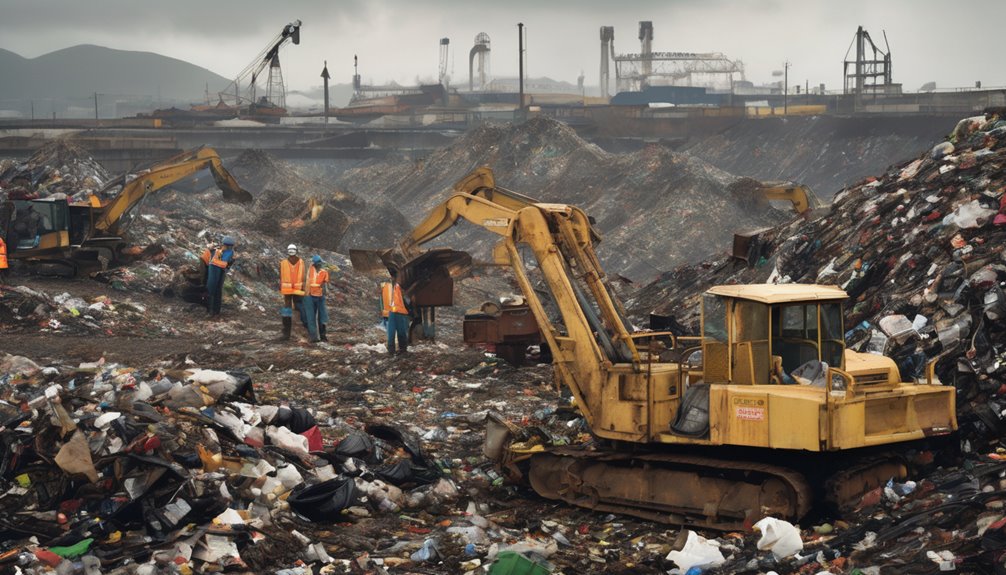
Navigating the complexities of landfill dumping fees bonds can be daunting, especially since mismanagement or misunderstandings can lead to significant financial repercussions.
You might face several challenges that complicate the process, making it essential to stay informed.
- Lack of Clarity: The terms and conditions can be confusing, leaving you unsure of your obligations.
- Variable Fees: Changes in disposal rates or unexpected charges can catch you off guard, affecting your budget.
- Regulatory Compliance: Staying up-to-date with regulations is crucial; failing to comply could risk your bond’s validity.
Best Practices for Managing Landfill Dumping Fees

Managing landfill dumping fees effectively requires a proactive approach to avoid the pitfalls outlined earlier. Start by conducting regular audits to track your disposal charges and identify any discrepancies.
Establish clear payment schedules and adhere to them to prevent late fees. It’s crucial to maintain open communication with your waste management provider, ensuring you’re aware of any changes in rates or policies.
Additionally, consider implementing a budgeting strategy that includes anticipated landfill costs. Training your staff on proper waste segregation can also minimize fees by reducing the volume of waste sent to the landfill.
Finally, stay informed about local regulations and best practices to optimize your waste management processes and keep dumping fees in check.
Future Trends in Waste Management and Bonding Solutions
As waste management continues to evolve, innovative bonding solutions are emerging to address environmental concerns and regulatory challenges.
You’ll find that these solutions not only facilitate compliance but also promote sustainability.
- Performance Bonds: These ensure that waste management companies fulfill their obligations, providing financial security for municipalities and stakeholders.
- Green Bonds: Investing in eco-friendly projects helps fund sustainable waste management initiatives, encouraging recycling and waste-to-energy projects.
- Insurance-backed Bonds: These reduce the financial risk for municipalities, ensuring that funds are available for landfill cleanup and closure if a company defaults.
Frequently Asked Questions
What Types of Waste Are Typically Accepted at Landfills?
Landfills typically accept household waste, construction debris, yard waste, and some industrial waste. You should check local regulations, as some materials like hazardous waste or electronics aren’t allowed, ensuring you’re disposing of properly and legally.
How Are Landfill Dumping Fees Calculated?
Landfill dumping fees are calculated based on the type and weight of waste you bring, local regulations, and operational costs. You’ll often pay per ton, with additional fees for specific materials or services.
Can Individuals Obtain Landfill Dumping Fees Bonds?
Yes, you can obtain landfill dumping fees bonds through various providers. You’ll need to meet specific requirements and provide necessary documentation. Research your options to find the best rates and terms for your situation.
What Happens if a Bond Is Not Paid?
If you don’t pay a bond, you risk penalties, including legal action. You’ll likely face increased fees and a damaged credit rating, making it harder to secure future bonds or loans related to waste disposal.
Are Landfill Dumping Fees Bonds Transferable Between Companies?
Landfill dumping fees bonds aren’t typically transferable between companies. If you want to transfer a bond, you should check specific regulations and consult with your legal or financial advisor to understand possible restrictions or requirements.
Conclusion
In conclusion, securing a landfill dumping fees bond is essential for both municipalities and waste generators. It not only guarantees timely payment for disposal charges but also promotes responsible waste management. By understanding the benefits and legal requirements, you can navigate the process smoothly and effectively. As the waste management landscape evolves, staying informed about best practices and emerging trends will help you make the most of your bonding solutions. Embrace this financial safeguard for a more sustainable future.