Get an Instant Quote on Public Right of Way and Drain Laying Bond Now!

When it comes to public rights of way and drain laying, balancing accessibility and infrastructure needs can be challenging. You might not realize how crucial these pathways are for pedestrians, cyclists, and equestrians alike. It’s essential to understand the legal framework and best practices that govern these interactions. What happens when drainage projects threaten to obstruct these vital routes? The implications can be far-reaching, and it’s worth exploring further.
Understanding Public Rights of Way

Public rights of way are essential pathways that allow everyone to access and navigate through various areas, whether in urban or rural settings. These routes include footpaths, bridleways, and cycle paths, providing you with safe and legal passage.
Understanding your rights is crucial; you can walk, cycle, or ride horses on these paths without obstruction. Local authorities manage these rights, ensuring they’re maintained and accessible.
You should also be aware of any restrictions or changes, as these can affect your journey. Familiarizing yourself with maps and local regulations can help you utilize these pathways effectively.
The Importance of Drain Laying
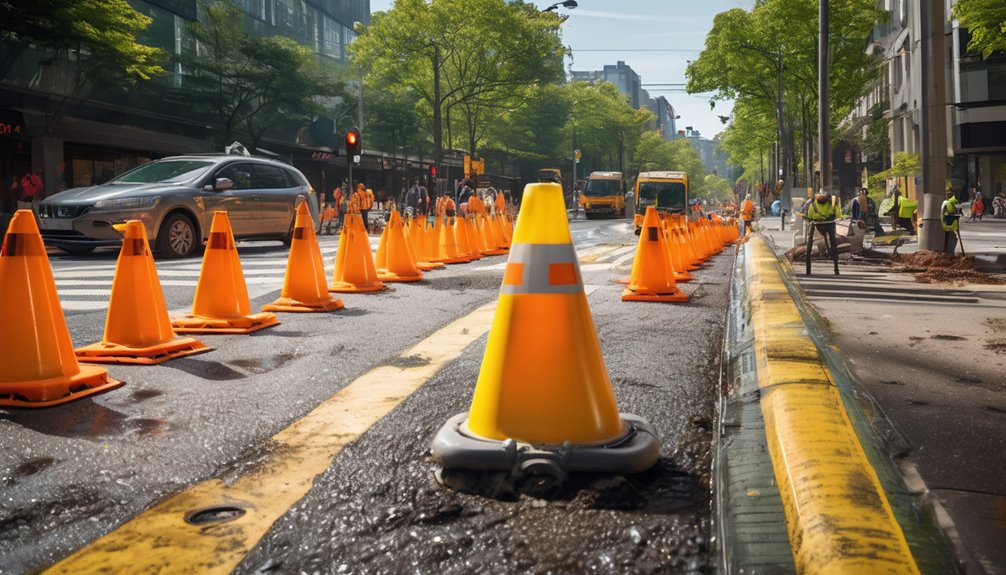
Drain laying plays a crucial role in preventing water accumulation in public spaces.
By effectively managing water runoff, it ensures public safety and reduces the risk of accidents.
Understanding its importance can help you appreciate the infrastructure that keeps your community secure.
Preventing Water Accumulation
When heavy rains hit, you might find that water accumulates in unwanted areas, creating hazards and damaging property. Proper drain laying is essential to prevent these issues and protect your home and community.
You’ll want to ensure efficient drainage by focusing on:
- Clear, unobstructed pathways for water to flow freely.
- Strategically placed drains that adapt to the landscape’s natural slope.
- Regular maintenance to remove debris that could block flow.
- Properly sized drainage pipes to handle heavy rain without overflow.
- Effective grading that directs water away from structures.
Ensuring Public Safety
Effective drainage systems are crucial not just for property protection but also for ensuring public safety. When drains function properly, they prevent flooding and reduce hazards like slippery roads and standing water, which can lead to accidents.
You’ll find that well-designed drainage keeps pathways clear, allowing pedestrians and cyclists to navigate safely. Regular maintenance of these systems is essential; clogged drains can create dangerous conditions, especially during storms.
By investing in proper drain laying, you’re not just protecting your property but also contributing to a safer community. Remember, effective drainage benefits everyone, from residents to emergency services, ensuring that roads remain accessible and safe for all.
Prioritizing this infrastructure is a step towards safeguarding public wellbeing.
Legal Framework Governing Public Rights of Way
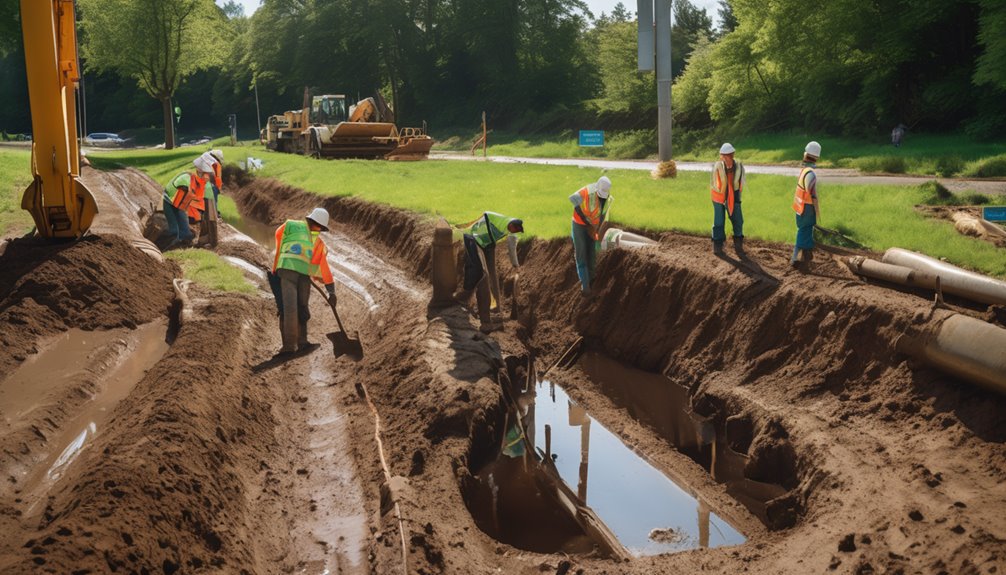
Understanding the legal framework governing public rights of way is essential for anyone involved in land use or community planning.
Familiarizing yourself with this framework helps you navigate the complexities of access rights. Key elements include:
- Easements that grant specific access privileges.
- Local ordinances that dictate how paths are maintained.
- State laws outlining the process for establishing new rights of way.
- Landowner responsibilities regarding usage and maintenance.
- Public input mechanisms that allow community voices in planning.
Impact of Drain Laying on Public Access
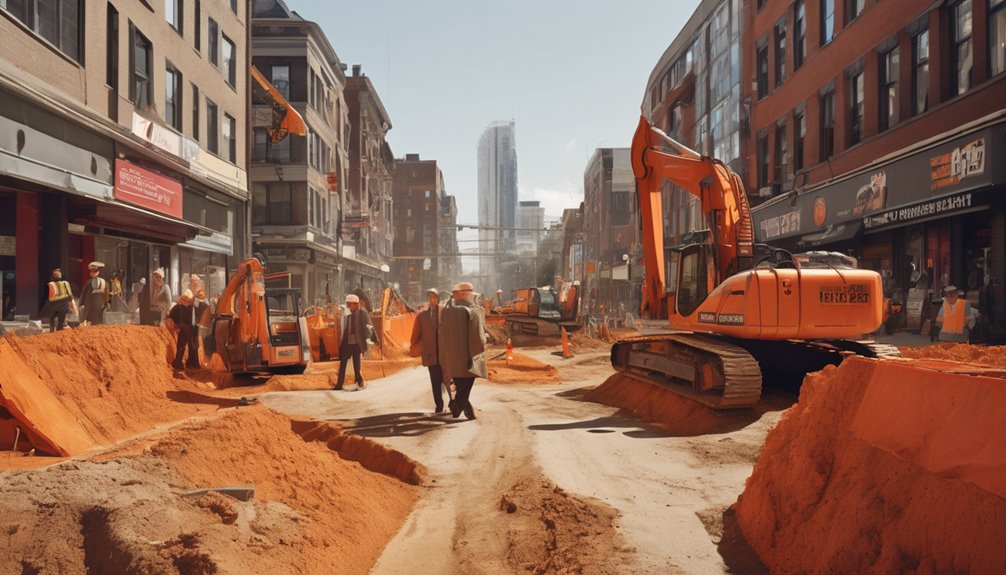
While drain laying is crucial for managing water flow and preventing flooding, it can significantly impact public access to rights of way.
You might find that paths are temporarily blocked or rerouted during construction, making it difficult to navigate your usual routes. This disruption can lead to frustration and inconvenience, especially for pedestrians, cyclists, and those with mobility challenges.
Additionally, the presence of heavy machinery and work crews can create safety hazards, further limiting access.
It’s essential to stay informed about any planned work in your area so you can prepare accordingly. Understanding these impacts helps you advocate for better planning and communication, ensuring that your right to access public pathways is respected throughout the drain laying process.
Community Engagement and Communication
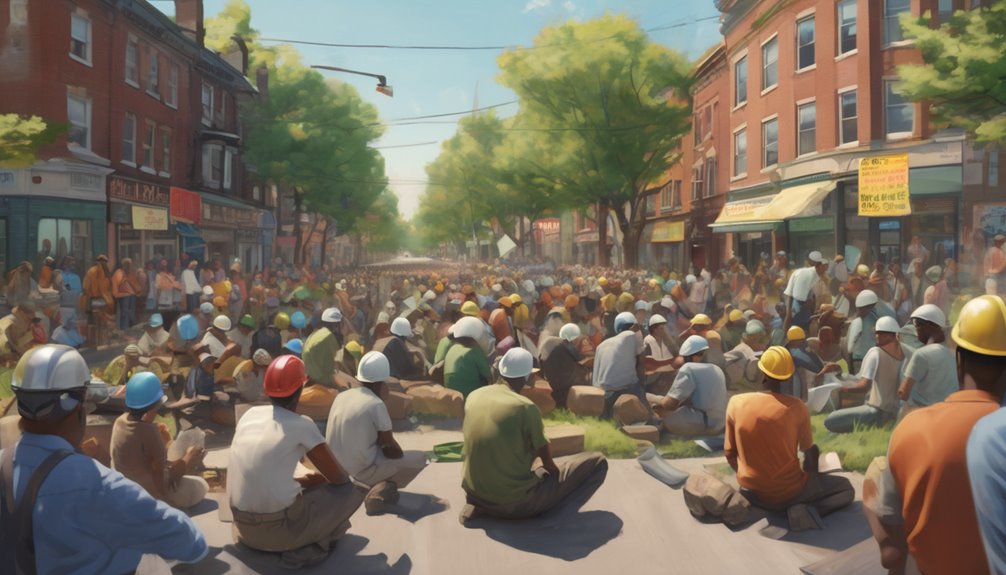
When it comes to drain laying, transparency is crucial for community trust.
You’ll want to engage stakeholders effectively and create communication channels that keep everyone informed.
Importance of Transparency
Transparency plays a crucial role in fostering community trust during projects like drain laying in public rights of way.
When you keep everyone informed, it helps to build a positive relationship between the community and the project team.
Here’s why transparency matters:
- Open communication about project timelines
- Sharing potential impacts on local residents
- Providing regular updates on progress
- Addressing concerns promptly and respectfully
- Encouraging community feedback and suggestions
Stakeholder Involvement Strategies
Effective community engagement and communication strategies are key to involving stakeholders in drain laying projects within public rights of way. Start by identifying your stakeholders, including local residents, business owners, and community groups.
You’ll want to ensure they’re informed about the project’s purpose and timeline. Hosting community meetings is a great way to gather input and address concerns. Use surveys to capture feedback and gauge public sentiment.
Don’t underestimate the power of social media; it can help reach a wider audience quickly. Always provide updates throughout the project to maintain transparency and trust.
Effective Communication Channels
How can you ensure your community stays informed and engaged during drain laying projects? Effective communication is key. Here are some strategies to keep everyone in the loop:
- Regular updates: Use newsletters or flyers to share project timelines and progress.
- Community meetings: Host open forums where residents can ask questions and voice concerns.
- Social media: Create a dedicated page for real-time updates and community feedback.
- Door-to-door outreach: Connect personally with residents, offering information and addressing worries directly.
- Feedback forms: Distribute surveys to gather opinions and improve future communication efforts.
Best Practices for Balancing Drainage and Access

When planning drainage systems in public rights of way, it’s crucial to ensure that access remains unobstructed.
Start by assessing the site to identify existing pathways and potential drainage routes. Collaborate with local authorities to understand regulations and community needs.
Use versatile drainage solutions, like permeable materials, that blend seamlessly with pathways and minimize disruption. Prioritize regular maintenance to prevent blockages and ensure both drainage and access function effectively.
Clearly mark drainage features to inform users and reduce hazards. Finally, involve community feedback during the planning phase to address concerns and enhance acceptance.
Case Studies: Successful Integration of Drain Laying and Public Pathways
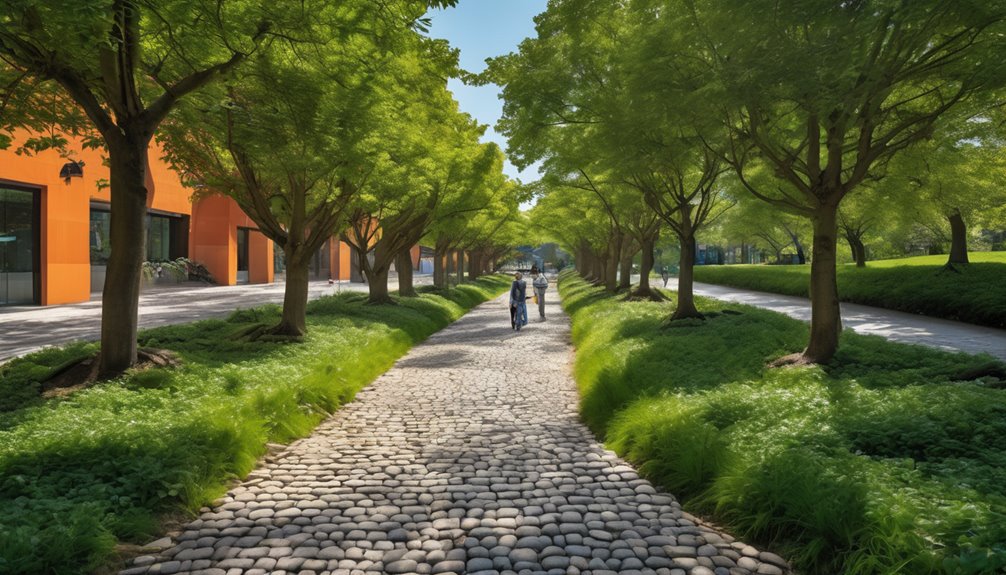
While many communities face challenges in integrating drainage systems with public pathways, several case studies highlight successful strategies that can serve as models.
These examples demonstrate that you can create functional designs that benefit both drainage needs and pedestrian access.
Consider these successful approaches:
- Rain gardens that naturally filter runoff while enhancing green space.
- Permeable pavements allowing water to flow through, reducing flooding.
- Well-placed culverts that direct water without obstructing pathways.
- Integrated signage guiding pedestrians while educating them about drainage systems.
- Community engagement where residents participate in planning, fostering ownership.
Each of these strategies showcases how thoughtful design choices can make public pathways more accessible and environmentally sustainable.
You can draw inspiration from these examples for your community’s projects.
Future Trends in Infrastructure Development and Public Rights of Way
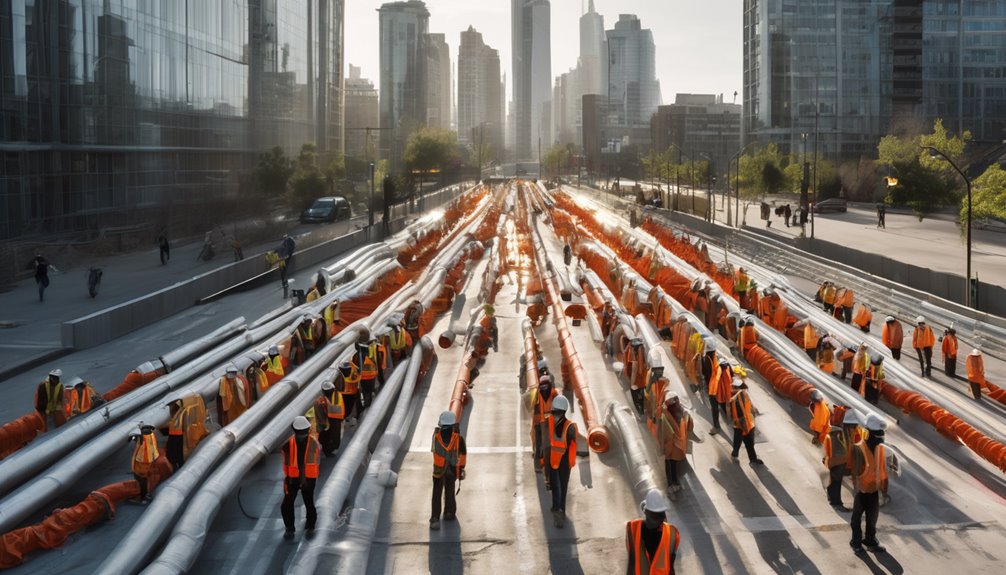
As cities evolve, you’ll see a growing emphasis on integrating smart technology and sustainable practices into infrastructure development, particularly concerning public rights of way.
You’ll notice planners focusing on multi-use pathways that accommodate pedestrians, cyclists, and vehicles, enhancing accessibility for everyone. Innovations like permeable surfaces and green spaces will become common, promoting environmental benefits while improving aesthetics.
Additionally, smart sensors and IoT devices will monitor and manage traffic flow, ensuring safer and more efficient public spaces. Emphasizing community engagement in planning will also shape these developments, allowing residents to voice their needs and preferences.
As you observe these trends unfold, you’ll appreciate how infrastructure can foster connectivity, sustainability, and a higher quality of life for urban dwellers.
Frequently Asked Questions
How Can I Report a Blocked Public Right of Way?
If you notice a blocked path, snap a photo and take note of the location. Then, contact your local council or relevant authority to report the issue and provide them with the details you’ve gathered.
What Permits Are Needed for Drain Laying in Public Areas?
To lay drains in public areas, you’ll need permits from local authorities. Check with your municipality for specific requirements, as they vary. You might also need to notify utility companies to avoid conflicts.
Are There Fees Associated With Accessing Public Rights of Way?
Yes, there’re typically fees associated with accessing public rights of way. These fees can vary based on location and specific regulations, so it’s best to check with your local authorities for accurate information.
Can Private Property Owners Obstruct Public Pathways?
You can’t obstruct public pathways as a private property owner. Doing so violates laws protecting public access. Ensure you respect these pathways, promoting community engagement and safety while avoiding potential legal issues for yourself.
How Can I Get Involved in Local Drainage Projects?
You can get involved in local drainage projects by attending community meetings, volunteering with local organizations, or reaching out to your city’s public works department. Your participation can help improve your neighborhood’s infrastructure and environmental health.
Conclusion
In conclusion, balancing public rights of way with effective drain laying is crucial for maintaining accessibility and safety. By understanding the legal framework and engaging with the community, you can ensure that drainage projects respect public pathways. Implementing best practices and learning from successful case studies can guide future infrastructure developments. As you move forward, prioritize communication and thoughtful planning to create spaces that serve both public access and essential drainage needs.