Get an Instant Quote on Public Right of Way and Drain Laying Bond Now!

When it comes to public rights of way, you need to consider how crucial proper drain laying is. It’s not just about aesthetics; it’s about safety and functionality in your community. Without effective drainage, you risk flooding and health hazards that can affect everyone. So, how do you ensure that your drainage projects meet regulations and serve the community effectively? Let’s explore the key aspects that make a difference.
Understanding Public Right of Way
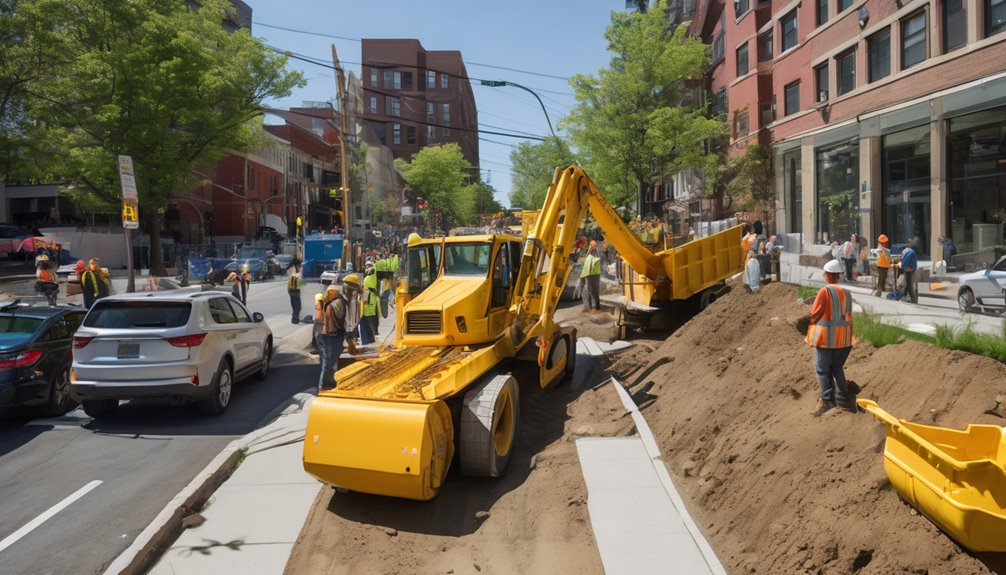
When you think about public right of way, it’s essential to recognize that it’s more than just a legal concept; it’s a vital aspect of community access and mobility.
Public right of way refers to the land set aside for public use, allowing pedestrians, cyclists, and vehicles to move freely. This access supports local economies and promotes social interaction among community members.
Understanding how these spaces function helps you appreciate their role in urban planning and infrastructure. You’ll see that maintaining clear pathways is crucial for safety and accessibility, ensuring everyone can navigate their environment without obstacles.
The Importance of Proper Drain Laying
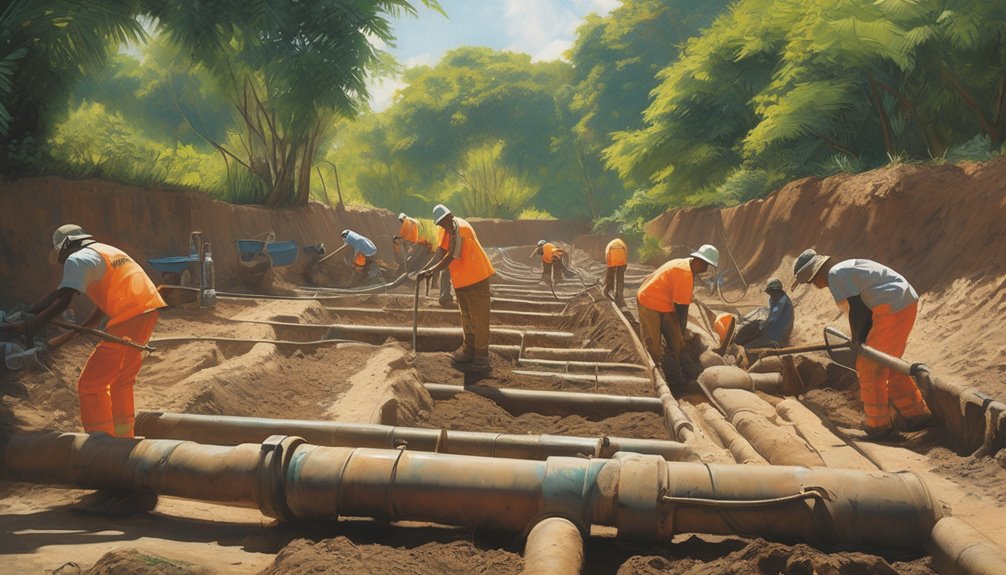
Proper drain laying is crucial for maintaining both the integrity of public right of way and the overall health of a community. When drains are installed correctly, they effectively manage water flow, preventing flooding and erosion. This not only protects roadways and pathways but also safeguards nearby properties.
You’ll notice that well-placed drains enhance the landscape, promoting better aesthetics and usability for everyone. Additionally, proper drainage minimizes standing water, reducing health risks associated with stagnant water, like mosquito breeding.
Legal Considerations and Regulations
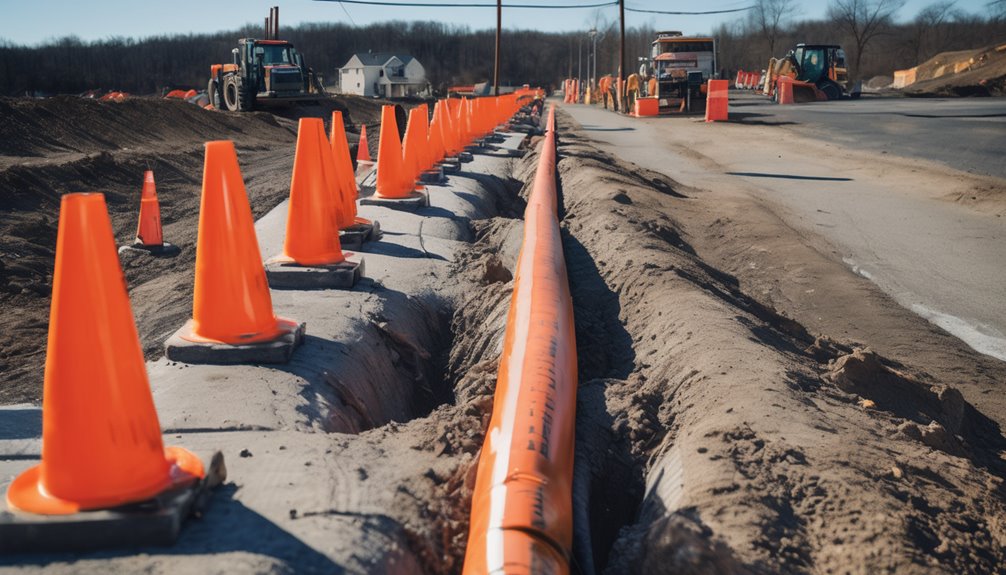
Installing drains isn’t just about functionality; it also involves navigating a complex landscape of legal considerations and regulations.
Before you start, you’ll need to check local laws regarding public rights of way. Many areas require permits for any work that may affect drainage, so don’t skip that step.
You must also adhere to regulations concerning environmental protection, ensuring that your drains don’t negatively impact local ecosystems.
Additionally, consider any easements that may affect your project; these can dictate where you can and can’t lay drains.
Finally, keep in mind that failure to follow these legal guidelines can result in fines or forced removal of your installation, so it’s crucial to stay informed and compliant throughout the process.
Community Impact and Stakeholder Engagement
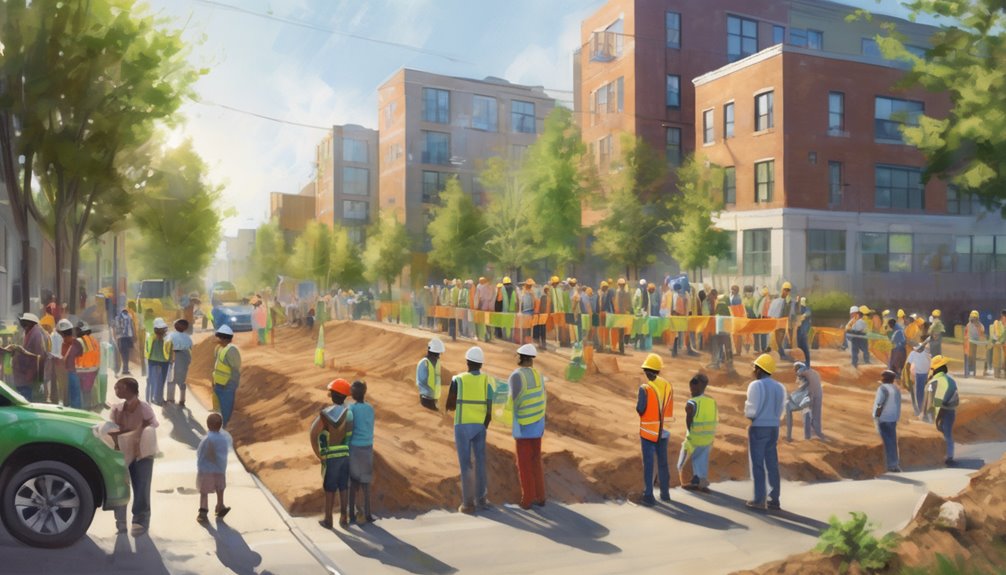
Understanding the community impact of your drain-laying project is essential, especially since local residents and businesses may be directly affected.
Engaging stakeholders early in the process helps you gather valuable insights and address concerns. Communicate clearly about project timelines, potential disruptions, and benefits to the community.
Host meetings or workshops to encourage dialogue and feedback, ensuring everyone feels heard.
Use surveys or social media to broaden your outreach.
Best Practices for Coordinating Infrastructure Projects
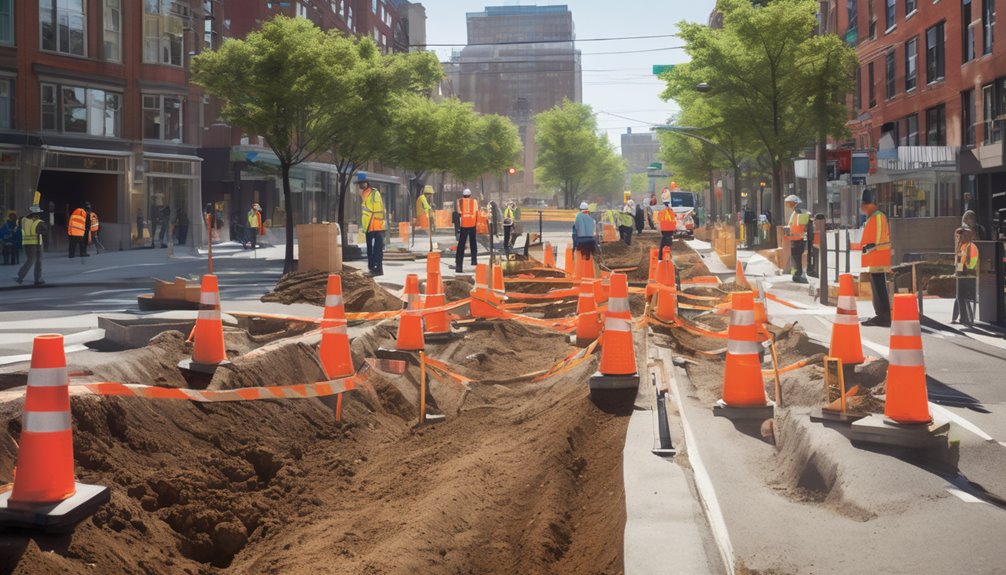
When planning infrastructure projects, coordinating effectively with all involved parties is crucial to ensure smooth execution and minimize disruptions.
Start by identifying key stakeholders, including local authorities, utility companies, and community members. Schedule regular meetings to share updates and address concerns. Use clear, concise communication to convey project timelines and expectations.
Establish a centralized platform for sharing information, so everyone stays informed and engaged. Consider the timing of construction to avoid peak traffic hours and local events, reducing inconvenience.
Always be open to feedback and ready to adapt plans when necessary. By fostering collaboration and transparency, you can enhance relationships and achieve successful outcomes for all parties involved.
Implementing these best practices will streamline your infrastructure project significantly.
Frequently Asked Questions
What Are the Consequences of Obstructing a Public Right of Way?
Obstructing a public right of way can lead to legal penalties, fines, or even court orders to remove the obstruction. You might also face community backlash and damage your reputation in the area.
Can Homeowners Lay Drains on Their Property Without Permits?
You can often lay drains on your property without permits, but it’s wise to check local regulations first. Some areas require permits for certain types of drainage work, so be sure to verify your specific requirements.
How Do I Report a Blocked Public Right of Way?
To report a blocked public right of way, you should document the obstruction with photos, gather any witness statements, and contact your local council or relevant authority to file a formal complaint about the issue.
Are There Fines for Improper Drain Laying Practices?
Yes, there’re fines for improper drain laying practices. If you violate local regulations, you could face penalties. It’s crucial to follow guidelines to avoid legal issues and ensure proper drainage for your property and community.
What Maintenance Responsibilities Do Municipalities Have for Public Drains?
Municipalities ensure drains function properly by regularly inspecting, cleaning, and repairing them. You’ll find they’re also responsible for managing blockages and ensuring drainage systems meet safety and environmental standards for the community’s benefit.
Conclusion
In conclusion, ensuring the public right of way and effective drain laying goes hand in hand. By prioritizing proper drainage, you enhance safety and accessibility for everyone in your community. Staying informed about legal regulations and actively engaging with stakeholders helps create a harmonious environment. Remember, adopting best practices in infrastructure projects not only improves public spaces but also protects public health. Together, you can make a meaningful impact on your community’s well-being and functionality.