If you're involved in the distribution of alcoholic beverages, understanding the Alcoholic Beverage Distributor Tax Bond is essential. This bond not only ensures compliance with tax regulations but also protects your business from potential legal issues. You might wonder how it affects your operations and what the process looks like to obtain one. Let's explore the significance of this bond and what it means for your future in the industry.
What Is an Alcoholic Beverage Distributor Tax Bond?

An alcoholic beverage distributor tax bond is a crucial financial instrument for businesses involved in the distribution of alcoholic beverages.
This bond serves as a guarantee that you'll comply with state and federal tax regulations. When you obtain this bond, you're essentially assuring the government that you'll pay the required taxes on the alcoholic products you distribute.
If you fail to meet those obligations, the bond can be used to cover any unpaid taxes or penalties. This not only protects the state's revenue but also fosters trust between your business and regulatory authorities.
The Importance of the Alcoholic Beverage Distributor Tax Bond

Understanding the importance of an alcoholic beverage distributor tax bond is crucial for your business.
It ensures legal compliance, provides financial security, and helps build trust within the industry.
Legal Compliance Necessity
Because the alcoholic beverage industry is heavily regulated, securing an Alcoholic Beverage Distributor Tax Bond is crucial for legal compliance.
This bond not only helps you meet state and local laws but also protects you from potential legal issues. Without it, you risk hefty fines, penalties, and even losing your license to operate.
It shows your commitment to adhering to regulations and maintaining ethical business practices, which can enhance your reputation in the industry.
Moreover, having this bond in place can streamline your dealings with government agencies and reduce the likelihood of audits.
In essence, obtaining this bond isn't just a formality; it's a vital step in ensuring you operate within the legal framework of the alcoholic beverage market.
Financial Security Assurance
Securing an Alcoholic Beverage Distributor Tax Bond not only ensures compliance but also provides essential financial security for your business.
This bond acts as a safety net, guaranteeing that you meet your tax obligations to the state. If you fail to pay these taxes, the bond can cover the amount owed, protecting your assets and reputation.
Moreover, having this bond in place can enhance your credibility with suppliers and customers, showing them you're a responsible business owner. It helps you avoid costly penalties and legal issues, allowing you to focus on growth and profitability.
Ultimately, investing in this bond means investing in the long-term stability and success of your enterprise.
Industry Trust Building
While navigating the competitive landscape of the alcoholic beverage industry, building trust is crucial for success. An Alcoholic Beverage Distributor Tax Bond plays a vital role in establishing credibility with your partners and customers. Here's why it matters:
- Regulatory Compliance: It ensures you're compliant with tax obligations, reassuring stakeholders that you operate within the law.
- Financial Responsibility: By securing the bond, you demonstrate financial stability, making you a more attractive partner for distributors and retailers.
- Customer Confidence: A tax bond signals to consumers that you're committed to ethical practices, enhancing your brand reputation.
When you prioritize trust through these measures, you not only foster strong relationships but also position your business for long-term growth.
How the Bond Protects State Revenues

When you consider the role of an alcoholic beverage distributor tax bond, you'll see it acts as a crucial safeguard for state revenues.
This bond ensures that distributors comply with tax regulations, providing a financial guarantee that they'll pay the required taxes on the alcoholic beverages they distribute.
If a distributor defaults or fails to meet their tax obligations, the bond can be used to cover any unpaid taxes, protecting the state from revenue loss.
By requiring this bond, states create a level of accountability, encouraging responsible business practices among distributors.
In essence, the bond acts as a financial safety net, ensuring that tax revenues remain stable and that the state's budget isn't adversely affected by non-compliance.
Who Needs an Alcoholic Beverage Distributor Tax Bond?

Alcoholic beverage distributors play a vital role in the supply chain, and many of them are required to obtain a tax bond. This bond ensures that you'll comply with state regulations and pay the necessary taxes on the alcoholic beverages you distribute.
Here's who typically needs an alcoholic beverage distributor tax bond:
- Distributors: If you distribute beer, wine, or spirits to retailers, you likely need this bond to operate legally.
- Importers: If you import alcoholic beverages into the state, a tax bond is often a requirement to ensure tax obligations are met.
- Wholesalers: If you sell alcoholic beverages in bulk to retailers, you'll need a bond to secure compliance with tax laws.
Understanding these categories can help you determine if you need this bond for your business.
The Application Process for Obtaining a Bond

Obtaining an alcoholic beverage distributor tax bond involves a straightforward application process, so you can get your business up and running without delays.
First, you'll need to gather necessary documentation, including your business license and financial statements.
Next, fill out the bond application form, providing details about your business operations and financial stability.
After submitting your application, a surety company will evaluate your profile, assessing factors like credit history and business experience.
If approved, you'll receive a quote for the bond premium.
Once you accept the terms, the bond will be issued.
Make sure to keep a copy for your records, as you'll need it for licensing and compliance purposes.
Costs Associated With the Alcoholic Beverage Distributor Tax Bond

Understanding the costs associated with an alcoholic beverage distributor tax bond is essential for budgeting your business. Here's what you need to keep in mind:
- Premium Costs: This is the amount you'll pay annually, typically ranging from 0.5% to 3% of the bond amount, depending on your credit score and financial history.
- Bond Amount: The required bond amount varies by state and can range from $10,000 to over $100,000, which impacts your overall financial commitment.
- Fees: Don't forget potential additional fees, such as application fees or notary fees, which could add to your initial expenses.
Consequences of Not Having the Bond

Failing to secure an alcoholic beverage distributor tax bond can lead to serious repercussions for your business. Without this bond, you risk facing hefty fines, penalties, or even losing your distribution license.
Regulatory authorities expect compliance, and not having the bond may signal to them that you're not committed to following the rules. This could result in audits or investigations, further damaging your reputation.
Additionally, vendors and customers may hesitate to work with you, fearing potential legal issues. In the worst-case scenario, you might find your business operations halted, which could lead to significant financial losses.
Protect your business and ensure your operations run smoothly by obtaining the required bond without delay.
How the Bond Affects Distributors and Their Operations
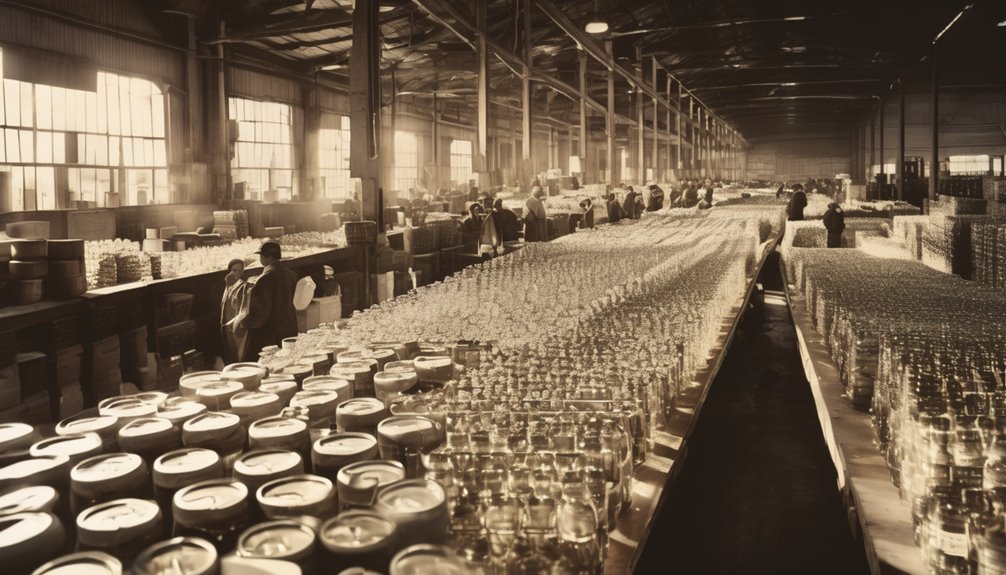
When you secure an alcoholic beverage distributor tax bond, it not only ensures compliance with legal requirements but also enhances your business's credibility.
This bond plays a crucial role in how you operate and interact with your stakeholders. Here are three key ways it affects your distribution business:
- Increased Trust: Having the bond signals to suppliers and customers that you're serious about your responsibilities, fostering trust in your operations.
- Regulatory Compliance: It helps you stay compliant with state and federal regulations, reducing the risk of fines or legal issues.
- Access to Opportunities: Many retailers and vendors prefer working with licensed distributors, so the bond can open doors to more business opportunities.
With these advantages, the bond becomes an essential part of your distributor operations.
The Impact on Consumers and the Market

The alcoholic beverage distributor tax bond doesn't just benefit distributors; it also has a significant impact on consumers and the overall market.
By ensuring that distributors comply with tax regulations, it promotes fair competition and stability within the industry. This means you can expect better prices and a wider selection of beverages, as compliant distributors can operate without the risk of penalties or shutdowns.
Additionally, when distributors are held accountable, it reduces the chances of illegal sales and substandard products, enhancing your safety as a consumer.
Overall, a well-regulated market creates a positive environment for everyone, fostering innovation and quality while keeping prices competitive.
In the end, you benefit from a more reliable and varied alcoholic beverage landscape.
Frequently Asked Questions
How Long Does the Bond Remain Valid?
The bond typically remains valid for a specific period, often one year. You'll need to renew it before expiration to ensure continued compliance. Always check the exact terms to avoid any lapses in coverage.
Can the Bond Be Transferred to Another Distributor?
You can't typically transfer a bond to another distributor. Each bond is specific to the original distributor's license and obligations, so you'll need to secure a new bond if transferring your business ownership.
What Happens if a Distributor Goes Bankrupt?
If a distributor goes bankrupt, you may face financial losses and potential disruptions in your supply chain. It's crucial to assess your options, including seeking legal advice to navigate the situation effectively and protect your interests.
Are There Exemptions for Small Distributors?
Yes, there are exemptions for small distributors, depending on your location. You should check local regulations, as they often provide specific criteria or thresholds that determine whether you qualify for those exemptions.
How Can a Bond Be Renewed?
To renew your bond, check with your bonding company for the renewal process. You'll typically need to submit updated information, pay any required fees, and ensure your coverage meets the necessary regulations for your business.
Conclusion
In summary, having an Alcoholic Beverage Distributor Tax Bond is essential for your business. It not only ensures you comply with tax regulations but also protects your revenue and reputation. By securing this bond, you avoid hefty fines, safeguard your operating license, and open up new opportunities in the industry. Remember, investing in this bond is a smart move that benefits you, your business, and the market as a whole. Don't overlook its importance!