When you're planning a construction project that involves encroachment or street opening, securing a bond is essential. This bond not only protects your interests but also ensures compliance with local regulations. Without it, you could face significant risks, including financial liabilities. Understanding the requirements and processes involved is crucial to avoid potential pitfalls. Curious about what steps you need to take next? Let's explore this topic further.
Understanding Encroachment Bonds

When you're dealing with property boundaries, understanding encroachment bonds is crucial.
These bonds protect property owners in case someone builds or extends a structure onto their land without permission. If you find yourself facing an encroachment issue, an encroachment bond can provide financial security. It guarantees that the encroaching party will either remove the structure or compensate you for any damages.
You'll want to ensure that the bond's terms are clear and that it covers potential legal fees or repairs. Additionally, checking local regulations can help you understand how encroachment bonds work in your area.
Ultimately, being informed about encroachment bonds helps you safeguard your property rights and maintain peace with your neighbors.
The Importance of Street Opening Permits

When you're planning a street opening, securing a permit isn't just a formality; it's a legal requirement.
It ensures safety and accessibility for everyone while also allowing you to assess the potential impact on the community.
Legal Compliance Requirements
Before you embark on any street opening project, understanding the legal compliance requirements is crucial.
Failing to adhere to these regulations can lead to fines and project delays.
Here's what you need to consider:
- Permits: Obtain the necessary street opening permits from local authorities.
- Zoning Laws: Ensure your project complies with local zoning laws and regulations.
- Notification: Notify utility companies to avoid disrupting services and incurring penalties.
- Inspections: Be prepared for inspections throughout the project to confirm compliance with local codes.
Safety and Accessibility
Ensuring safety and accessibility is paramount in any street opening project, as improper management can lead to hazardous conditions for both workers and the public.
You must obtain the necessary street opening permits to guarantee that all safety protocols are followed. These permits often require you to outline your plans for traffic management, signage, and pedestrian access. By doing this, you not only comply with regulations but also minimize risks.
Moreover, implementing safety measures such as barriers and clear signage helps keep everyone informed and safe.
Remember, a well-planned street opening enhances accessibility for all, ensuring that emergency services can navigate through affected areas without delay.
Prioritizing safety protects both your team and the community at large.
Community Impact Assessment
A thorough community impact assessment is essential for any street opening project, as it helps identify how construction activities may affect local residents and businesses.
This process ensures that everyone's voice is heard and that potential issues are addressed proactively.
Here are four key areas to consider:
- Traffic Flow: Understand how street closures will impact local traffic patterns.
- Noise Levels: Assess the potential noise pollution during construction and its effects on nearby residents.
- Access to Businesses: Identify how construction may limit access to local shops and services.
- Environmental Concerns: Evaluate any environmental impact, including green spaces and wildlife.
How to Obtain a Bond for Encroachment
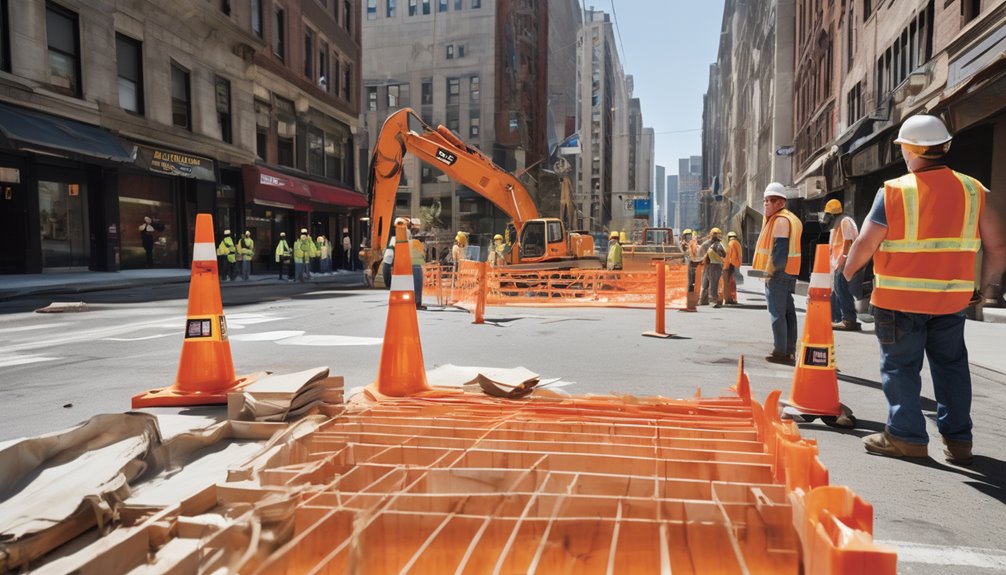
To obtain a bond for encroachment, you first need to understand the specific bond requirements set by your local authority.
Next, gather all necessary documentation that supports your application.
Finally, submit your application to ensure a smooth approval process.
Understand Bond Requirements
When you're looking to obtain a bond for encroachment, understanding the specific requirements is crucial.
Familiarizing yourself with these requirements will streamline the process and help you avoid delays. Here are four key factors to consider:
- Type of Bond: Determine if you need a performance bond, payment bond, or another type based on your project.
- Bond Amount: Check local regulations to find out the required bond amount for your encroachment.
- Duration: Understand how long the bond needs to be in effect, as this can vary by location.
- Surety Company: Choose a reputable surety company, as they'll evaluate your financial stability and project specifics.
Gather Necessary Documentation
Gathering the necessary documentation is a vital step in obtaining a bond for encroachment. Start by collecting any permits related to your project, as these often outline specific requirements.
Next, gather property deeds and surveys to prove ownership and delineate boundaries. You'll also need detailed plans of the encroachment, showing how it affects public property.
If applicable, obtain any prior correspondence with local authorities regarding your encroachment. Financial documents, such as proof of insurance and creditworthiness, may also be required.
Lastly, check if you need letters of support from neighbors or community members. Having all this information organized and ready will streamline the process and help ensure your application is successful.
Submit Application Process
After you've gathered all necessary documentation, the next step is to submit your application for the bond.
Follow these steps to ensure a smooth process:
- Fill out the Application: Complete the bond application form accurately, ensuring all required fields are filled.
- Attach Documentation: Include any supporting documents you've collected, such as maps, permits, and proof of insurance.
- Pay the Fee: Submit the required application fee, as specified by your local authority.
- Submit: Deliver your application and documents to the appropriate office, either in person or via email, if permitted.
Once you've submitted everything, keep a record of your application for future reference.
You're one step closer to obtaining your encroachment bond!
Key Requirements for Encroachment Bonds

While encroachment bonds serve as a critical safeguard for property owners, several key requirements must be met to ensure their effectiveness.
First, you need to provide a detailed description of the encroachment, including its location and nature.
Next, you'll have to demonstrate that you have the legal right to use the property in question.
Additionally, securing a reputable surety company is essential, as they'll issue the bond.
You must also ensure that the bond amount adequately covers potential damages or liabilities.
Lastly, completion of any necessary permits or approvals from local authorities is crucial.
Meeting these requirements not only helps protect your interests but also facilitates a smoother process in managing encroachments.
Consequences of Not Securing a Bond

Failing to secure an encroachment bond can lead to serious consequences that may jeopardize your property rights.
Without this bond, you expose yourself to various risks that can escalate quickly.
Here are four potential consequences you could face:
- Legal Liabilities: You might be held responsible for damages caused by your encroachment, leading to costly lawsuits.
- Fines and Penalties: Local authorities could impose fines for unauthorized use of public property, which can add up.
- Loss of Access: Your ability to use the encroached area may be revoked, disrupting your property's functionality.
- Increased Insurance Costs: Lacking a bond can result in higher premiums or difficulty securing coverage for your property.
Taking the time to secure a bond is essential to protect your interests.
Best Practices for Contractors and Developers
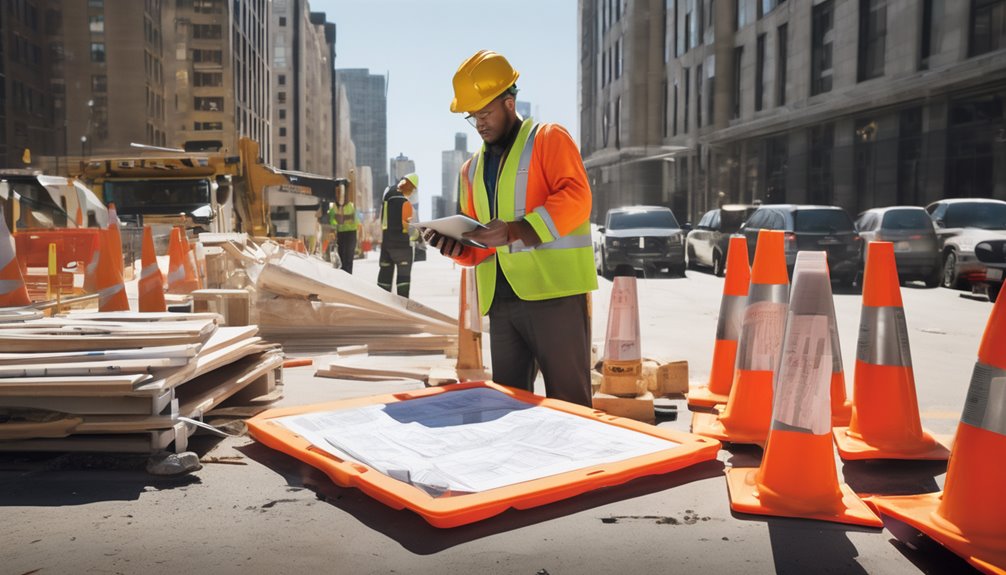
When you're a contractor or developer dealing with encroachments, following best practices can save you time, money, and headaches.
First, always secure the necessary bonds before starting any project. This not only protects you but also demonstrates your professionalism.
Next, communicate with local authorities to understand regulations and obtain permits. Keeping open lines of communication with your team and stakeholders is crucial for managing expectations.
Regularly inspect your work site to ensure compliance and address any issues promptly. Document everything, from project changes to communications, as this can protect you if disputes arise.
Lastly, stay informed about industry trends and best practices to continually improve your processes and avoid costly mistakes.
Frequently Asked Questions
What Is the Typical Cost of an Encroachment Bond?
The typical cost of an encroachment bond varies, but you can expect to pay between $500 and $5,000. It depends on factors like project size, location, and the specific requirements set by local authorities.
How Long Does It Take to Process an Encroachment Bond Application?
It typically takes a few weeks to process your application. Factors like completeness and local regulations can affect the timeline, so staying organized and following up with the relevant authorities can help expedite the process.
Can Homeowners Apply for an Encroachment Bond?
Yes, you can apply for an encroachment bond as a homeowner. It's essential to check your local regulations and requirements first, as they can vary by location. Don't hesitate to seek guidance during the application process.
Are Encroachment Bonds Refundable After Project Completion?
Yes, encroachment bonds can be refundable after your project's completion, provided you meet all requirements and conditions set by the issuing authority. It's essential to follow up to ensure you receive your funds promptly.
What Types of Projects Require an Encroachment Bond?
You'll typically need an encroachment bond for projects that involve construction or modifications near public rights-of-way, such as utility installations, road improvements, or landscaping that extends into city property. It ensures compliance and protects public interests.
Conclusion
In conclusion, securing a bond for encroachment and street opening is essential for any construction project. It protects your interests, ensures compliance with local regulations, and helps maintain community safety. By understanding the requirements and following best practices, you can navigate the process smoothly. Don't take unnecessary risks—getting the right bond not only safeguards your investment but also fosters positive relationships with local authorities and neighbors. Make sure you're covered before breaking ground!