When you're planning any construction or maintenance work that involves public roads, understanding the Right of Way, Road Cut, or Street Excavation Permit is crucial. These permits not only ensure compliance with local regulations but also protect existing infrastructure and enhance safety for everyone. Failing to secure the necessary permits can lead to significant challenges. So, what's the best way to navigate this process and avoid potential pitfalls?
Understanding Right of Way Regulations
When you're navigating the complexities of right of way regulations, it's essential to understand how they impact your projects and daily activities.
These regulations dictate the use of public spaces for construction, maintenance, and other activities. You'll need to identify the specific requirements in your area, as they can vary significantly.
Familiarize yourself with local laws and guidelines to avoid potential fines or delays. It's crucial to obtain the necessary permits before starting any work.
As you plan your projects, consider factors like accessibility, safety, and environmental impact. By doing so, you'll not only comply with regulations but also ensure the smooth progress of your work, ultimately saving time and resources in the process.
The Importance of Road Cut Permits
When you're considering a road cut permit, think about the safety implications for both workers and drivers.
Protecting existing infrastructure is crucial, and a permit ensures you're legally compliant with local regulations.
Understanding these factors can save you time and resources down the road.
Safety Considerations
While road cut permits might seem like just another bureaucratic requirement, they play a crucial role in ensuring safety for both workers and drivers.
These permits establish guidelines that help minimize risks associated with road excavations. By following proper protocols, you protect yourself and others from potential accidents, like cave-ins or vehicle collisions.
Additionally, permits ensure that you're aware of existing utilities, reducing the chances of damaging underground lines. Proper signage and barriers required by the permit keep traffic flowing smoothly and prevent confusion.
When you adhere to these regulations, you not only comply with the law but also contribute to a safer community.
Infrastructure Protection
Understanding the importance of road cut permits is essential for protecting critical infrastructure. When you engage in road work without the proper permits, you risk damaging vital systems and services.
Here are key reasons why securing a road cut permit matters:
- Preventing Utility Damage: Avoid disrupting water, gas, or electrical lines that service communities.
- Ensuring Public Safety: Minimize hazards for pedestrians and drivers during construction activities.
- Maintaining Traffic Flow: Reduce congestion by following approved traffic management plans.
- Protecting Road Integrity: Preserve the road's structure, preventing future costly repairs.
Legal Compliance
Securing a road cut permit isn't just a bureaucratic hurdle; it's a legal necessity that helps you avoid potential fines and legal repercussions.
When you undertake any excavation work, you're not only affecting the road but also surrounding infrastructure and public safety. By obtaining the proper permits, you ensure compliance with local regulations, which protects you from costly delays and lawsuits.
Moreover, these permits often come with guidelines for safe operation, minimizing risks to workers and the public. Ignoring this requirement can lead to penalties that outweigh the initial costs of compliance.
Street Excavation Permit Requirements
When you're ready to start a street excavation, understanding the permit requirements is essential.
You'll need to follow a specific application process and gather necessary documentation to ensure everything goes smoothly.
Let's break down what you need to prepare for a successful permit application.
Application Process Overview
To successfully navigate the application process for a street excavation permit, you'll need to gather specific documentation and meet certain criteria.
Here's a quick overview to help you get started:
- Eligibility: Ensure your project complies with local regulations and zoning laws.
- Application Form: Complete the official street excavation permit application, providing all required details.
- Project Description: Clearly outline the scope of work, including start and completion dates.
- Fees: Be prepared to pay any associated application fees, as these can vary based on the project size.
Necessary Documentation Checklist
Gathering the right documentation is crucial for a successful street excavation permit application. First, you'll need a completed application form. This form typically requires details about your project and contact information.
Next, prepare a site plan that shows the excavation area, including dimensions and any nearby structures. You should also include proof of insurance to cover any potential damages during the project.
If applicable, a traffic control plan is essential to ensure safety during the excavation. Lastly, gather any additional permits required by local regulations.
The Application Process for Permits
Navigating the application process for permits can feel overwhelming, but understanding the steps involved makes it much simpler.
To help you get started, follow these four essential steps:
- Gather Required Documentation: Ensure you have all necessary documents ready, as detailed in the previous section.
- Complete the Application Form: Fill out the permit application form accurately, providing all requested information.
- Submit Your Application: Turn in your completed application along with the required fees to the appropriate authority.
- Follow Up: Keep track of your application status and be prepared to address any questions or additional requirements from officials.
Common Challenges and Solutions

While applying for a right of way permit can be a straightforward process, you may encounter several challenges along the way.
One common issue is incomplete documentation. Make sure you double-check your application and provide all necessary documents to avoid delays.
Another challenge is miscommunication with local authorities. It's essential to clarify requirements upfront and maintain open lines of communication throughout the process.
You might also face timeline constraints. To mitigate this, create a detailed project schedule and account for potential permit processing delays.
Lastly, community opposition can arise. Engage with local residents early on to address concerns and gain support for your project.
Consequences of Non-Compliance

Failing to comply with right of way permit regulations can lead to serious repercussions.
If you ignore these rules, you might face several consequences that could affect your project and finances:
- Fines and Penalties: You could incur significant fines for each day of non-compliance.
- Work Stoppage: Authorities may halt your project until all requirements are met.
- Legal Action: Continued violations can lead to lawsuits or further legal complications.
- Reputation Damage: Your credibility in the community may suffer, making future projects more challenging.
Best Practices for Obtaining Permits
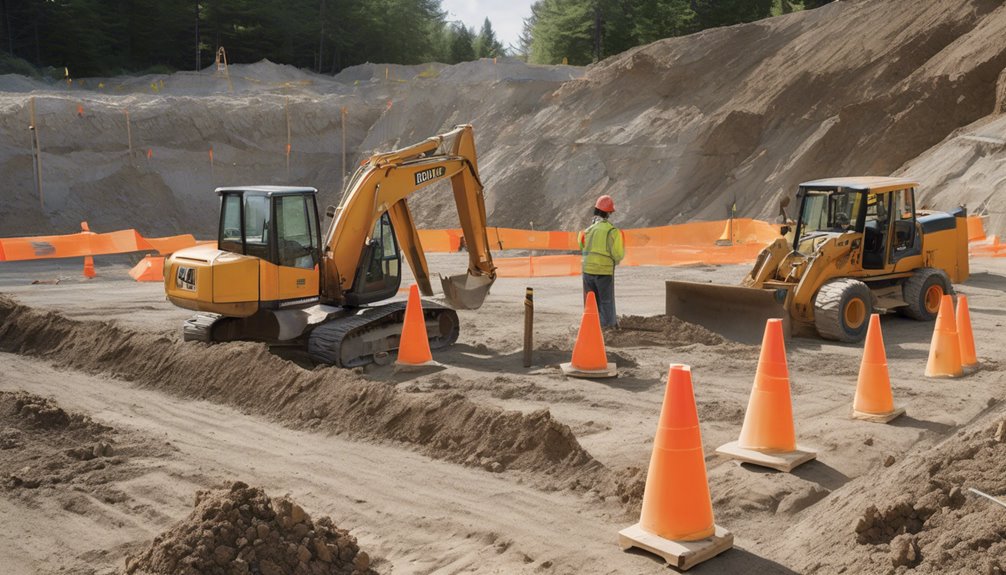
To ensure a smooth process when obtaining right of way permits, it's essential to start with thorough research and preparation. Familiarize yourself with local regulations and requirements, as these can vary significantly.
Create a checklist of necessary documents, including site plans and project descriptions.
Next, engage with local authorities early in the process. This can help clarify expectations and identify any potential issues.
When submitting your application, make sure all information is accurate and complete—missing details can delay approval.
Finally, maintain open lines of communication with officials throughout the review process. Be prepared to address any questions or concerns quickly.
Following these best practices will streamline your permit acquisition and minimize the risk of complications down the line.
Frequently Asked Questions
What Is the Typical Processing Time for These Permits?
Processing times for permits can vary widely based on the type and complexity. You might expect a few days to several weeks, depending on the requirements, necessary reviews, and any potential complications that arise.
Are There Fees Associated With Obtaining These Permits?
Yes, there're usually fees involved when you apply for permits. These can vary based on the type of permit and your location. It's best to check with your local authority for specific details and amounts.
Can Permits Be Expedited for Urgent Projects?
Yes, you can often expedite permits for urgent projects. You'll need to provide justification for the urgency and possibly pay additional fees. Check with your local authority to understand their specific process and requirements.
What Are the Penalties for Permit Violations?
If you violate permit regulations, you could face fines, project delays, or even a stop-work order. It's crucial to understand the specific rules in your area to avoid these potential penalties and complications.
Is a Permit Required for Temporary Street Closures?
Yes, you'll typically need a permit for temporary street closures. It ensures safety and coordination with local authorities. Always check local regulations to avoid complications and ensure a smooth process for your project.
Conclusion
In summary, securing a Right of Way, Road Cut, or Street Excavation Permit is crucial for any construction project involving public spaces. By understanding regulations and following the application process, you can avoid common pitfalls and ensure compliance. Remember, neglecting these permits can lead to serious legal and financial consequences. By following best practices and staying informed, you'll not only protect your project but also enhance safety for everyone on the road.