When you're planning a construction or utility project, understanding the nuances of Right of Way, Road Cut, and Street Excavation permits is crucial. These permits govern how you can interact with public spaces and roadways. Ignoring these requirements can lead to unexpected delays and fines. So, what do you need to know to navigate the application process effectively and ensure compliance? Let's explore the key aspects that can make or break your project.
Understanding Right of Way Permits

When you're planning any project that involves digging or construction near public roads, understanding right of way permits is crucial.
These permits allow you to use a portion of public land for your work, ensuring you don't infringe on public access or safety. You'll need to apply for the permit through your local government, providing details about your project, including its location and scope.
It's important to check specific regulations, as requirements can vary widely by area. Failing to secure the necessary permits can lead to fines or project delays.
By familiarizing yourself with the right of way permit process early on, you can streamline your project and avoid potential legal issues.
Don't overlook this essential step!
The Importance of Road Cut Permits

Road cut permits are crucial for ensuring that your projects comply with local laws and regulations.
They not only help maintain safety on the road but also address maintenance issues that could arise from unauthorized cuts.
Legal Compliance Necessity
Understanding the legal compliance necessity of road cut permits is crucial for anyone planning to undertake excavation or construction work.
These permits ensure that you're following city regulations, protecting public safety, and minimizing disruption to local traffic. Ignoring this requirement can lead to costly fines and project delays.
Here are a few reasons why obtaining a road cut permit is essential:
- Avoid Legal Penalties: Non-compliance can result in hefty fines and potential legal action.
- Ensure Public Safety: Proper permits help maintain safe conditions for both workers and pedestrians.
- Facilitate Coordination: Permits allow for better planning with local authorities, ensuring smoother execution of your project.
Safety and Maintenance Issues
While you might see road cut permits as just another bureaucratic hurdle, they play a vital role in ensuring safety and maintenance during excavation projects.
These permits help regulate the conditions under which you can dig, minimizing risks to pedestrians and vehicles. Without proper oversight, you could inadvertently create hazards like unstable road surfaces or obstructed traffic flow.
Moreover, permits ensure that necessary utility lines are respected, preventing costly disruptions. They also lay the groundwork for required inspections and repairs, which keep roads in good condition.
By following the guidelines set forth in these permits, you not only protect the public but also safeguard your own project from potential liability and fines.
Prioritizing safety and maintenance with road cut permits is essential for everyone's well-being.
Street Excavation Permit Overview
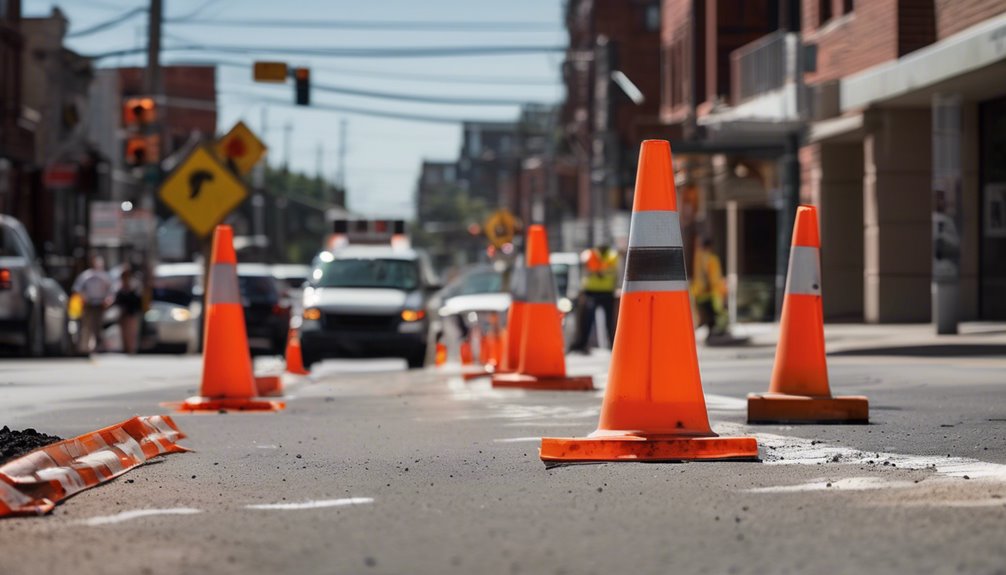
When you apply for a street excavation permit, you'll need to follow a specific application process that ensures compliance with local regulations.
Understanding these requirements is crucial to avoid delays or penalties.
Let's break down what you need to know to make your application successful.
Permit Application Process
Before you begin your street excavation project, you'll need to navigate the permit application process. This step is crucial to ensure your work complies with local regulations and minimizes disruption to the community.
Here's what you'll typically need to do:
- Gather necessary documents: Collect plans, project details, and any other required information.
- Submit your application: Fill out the permit application accurately and submit it through the designated channels, whether online or in-person.
- Await approval: Be prepared for potential revisions or additional requirements before you receive your permit.
Compliance and Regulations
Understanding compliance and regulations is vital for anyone planning a street excavation project. You must familiarize yourself with local laws, codes, and guidelines that govern these activities.
Each municipality has specific requirements regarding safety, timing, and restoration of the road surface. Before you start, ensure you've secured the necessary permits and that your work aligns with all regulations.
It's crucial to notify utility companies to avoid damaging underground infrastructure. Non-compliance can lead to fines, delays, or project shutdowns.
Always keep documentation of your permits and communications handy. By staying informed and following regulations, you'll not only ensure a smooth excavation process but also contribute to the safety and integrity of the surrounding area.
Key Differences Between Right of Way, Road Cut, and Street Excavation Permits

Although they may seem similar, right of way, road cut, and street excavation permits serve distinct purposes in urban planning and infrastructure maintenance. Understanding these differences helps you navigate the permitting process effectively.
- Right of Way Permit: This allows you to use public land for utilities or construction projects, ensuring access and safety for all users.
- Road Cut Permit: This is specifically for cutting into the road surface, usually for utility installations or repairs, and often requires restoration of the road after work is completed.
- Street Excavation Permit: This covers digging in the street, whether for utility work or construction, and involves specific guidelines to minimize disruption to traffic and pedestrians.
Recognizing these distinctions can save you time and ensure compliance with local regulations.
The Application Process for Permits
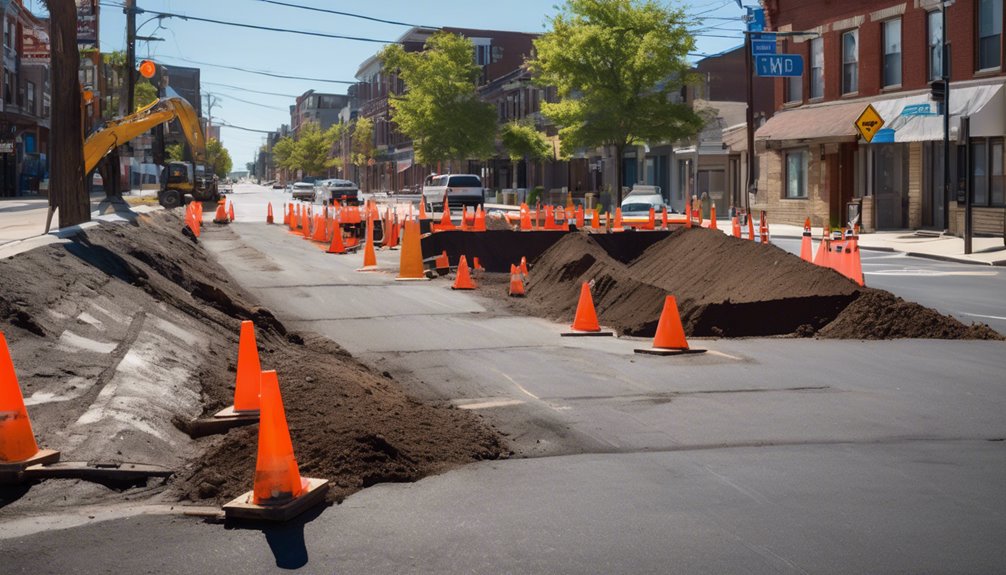
When you're ready to apply for a permit, it's crucial to gather all the required documentation.
You'll want to check off each item on the checklist to ensure a smooth submission process.
After you submit your application, knowing the review timeline can help you plan your next steps effectively.
Required Documentation Checklist
To successfully navigate the application process for right of way and road cut permits, you'll need to gather specific documentation.
This checklist will help ensure you have everything in order before submitting your application.
- Site Plan: A detailed map showing the proposed excavation area and its relation to existing infrastructure.
- Traffic Control Plan: A strategy outlining how you'll manage traffic during the excavation, ensuring safety for both workers and drivers.
- Proof of Insurance: Documentation proving you have adequate liability coverage to protect against potential damages or accidents.
Having these documents ready will streamline your application process and help avoid unnecessary delays.
Make sure you double-check everything for accuracy before submission!
Application Review Timeline
Once you've gathered all the necessary documentation, the next step is understanding the application review timeline for your right of way and road cut permits.
Typically, you can expect the review process to take anywhere from two to four weeks. During this time, the relevant authorities will evaluate your application for compliance with local regulations, safety standards, and environmental considerations.
If everything's in order, you'll receive your permit; however, if there are issues, you might face delays or additional requests for information.
To avoid setbacks, ensure your application is complete and accurate before submission. Staying proactive and responsive to any inquiries can help expedite the process and get you on the road to completing your project.
Required Documentation for Permit Applications

Applying for a right of way or road cut permit requires specific documentation to ensure a smooth approval process.
You'll need to gather and submit several key documents. Missing any of these can delay your application, so it's important to be thorough.
- A detailed project plan outlining the scope of work
- Proof of insurance and bonding as required by local regulations
- A traffic control plan to ensure public safety during construction
Make sure all documents are up-to-date and accurately reflect your project details.
This preparation can save time and help you avoid unnecessary hurdles, ultimately leading to a successful permit application.
Keep everything organized, and you'll be well on your way to getting that permit approved!
Responsibilities of Contractors and City Planners

While navigating the complexities of right of way and road cut permits, contractors and city planners both play crucial roles in ensuring compliance and successful project execution.
As a contractor, you're responsible for understanding permit requirements, adhering to timelines, and coordinating with city planners to ensure your project aligns with local regulations. You must also communicate any changes or challenges that arise during construction.
City planners, on the other hand, oversee the permitting process, ensuring that plans meet safety and zoning standards. They facilitate collaboration between various stakeholders and provide guidance on best practices.
Safety Regulations and Compliance

Understanding safety regulations and compliance is vital for both contractors and city planners in the execution of road cut projects. These regulations ensure that everyone involved remains safe while minimizing disruption to the public.
By adhering to these guidelines, you can effectively manage risks and promote a secure work environment.
- Proper signage: Clearly display warning signs and barriers to alert drivers and pedestrians of ongoing work.
- Safety gear: Ensure all workers wear appropriate personal protective equipment (PPE) like helmets, goggles, and high-visibility vests.
- Training programs: Provide ongoing safety training to your team, emphasizing the importance of compliance with regulations.
Following these safety measures not only protects your team but also fosters community trust in your work.
Common Challenges and Solutions in the Permit Process

Navigating the permit process for road cuts can be daunting, especially when you encounter unexpected challenges that delay your project.
You might face issues like incomplete applications or insufficient documentation. Make sure you carefully review requirements before submission to avoid this pitfall.
Additionally, local regulations can change frequently, so staying updated is crucial. If you hit a snag, don't hesitate to reach out to your local permitting office; they can provide guidance and clarify any confusion.
Communication is key, especially if you need to negotiate timelines or address community concerns. By proactively addressing these common challenges, you can streamline the process and keep your project on track.
Best Practices for Successful Permit Acquisition

To successfully acquire road cut permits, adopting best practices can make all the difference in your project's timeline and efficiency. Start by thoroughly researching local regulations and guidelines; understanding the requirements upfront can save you time later.
Next, engage with local authorities early in the process; their insights can help you avoid potential roadblocks. Finally, maintain clear communication with all stakeholders involved, ensuring everyone is on the same page.
- Prepare a comprehensive application: Include all necessary documentation and details.
- Establish a timeline: Set realistic deadlines for each step in the process.
- Follow up regularly: Keep in touch with the permitting office to stay updated on your application status.
Frequently Asked Questions
What Is the Typical Processing Time for These Permits?
The typical processing time for permits varies depending on your location and the complexity of your request. Generally, it can take anywhere from a few days to several weeks, so be prepared for potential delays.
Are There Fees Associated With Permit Applications?
Yes, there're usually fees associated with permit applications. The amount can vary based on the type of permit and your location. It's best to check with your local authority for specific fee details.
Can Permits Be Expedited for Urgent Projects?
Yes, permits can often be expedited for urgent projects. You'll need to provide a clear explanation of your urgency and follow any specific procedures set by the relevant authority to speed up the process.
What Penalties Exist for Working Without a Permit?
If you work without a permit, you could face hefty fines, project delays, or even enforced removal of your work. It's crucial to ensure compliance to avoid these serious penalties and complications.
How Can I Appeal a Denied Permit Application?
If your permit application's denied, you can typically appeal by reviewing the denial reasons, gathering supporting documents, and submitting a formal appeal to the appropriate authority. Don't forget to meet the appeal deadlines!
Conclusion
In conclusion, understanding the nuances of Right of Way, Road Cut, and Street Excavation permits is crucial for your construction or utility projects. By following best practices, ensuring compliance, and preparing thorough applications, you can navigate the permit process more smoothly. Remember, effective communication with city planners and staying informed about safety regulations can help you avoid common challenges. Ultimately, obtaining the right permits not only keeps your project on track but also fosters positive relationships with local authorities.