Get an Instant Quote on Electrical, HVAC & Plumbing Contractor HVAC Contractor – 3rd Party Liability Now!

When hiring an HVAC contractor, understanding third-party liability coverage is crucial. This type of insurance not only protects you but also safeguards the contractor against unexpected incidents. It can be overwhelming to navigate the different coverage options available and the potential risks involved. Knowing what to look for can make a significant difference in your choice of contractor. What factors should you consider to ensure you’re making the right decision?
Understanding Third-Party Liability Coverage
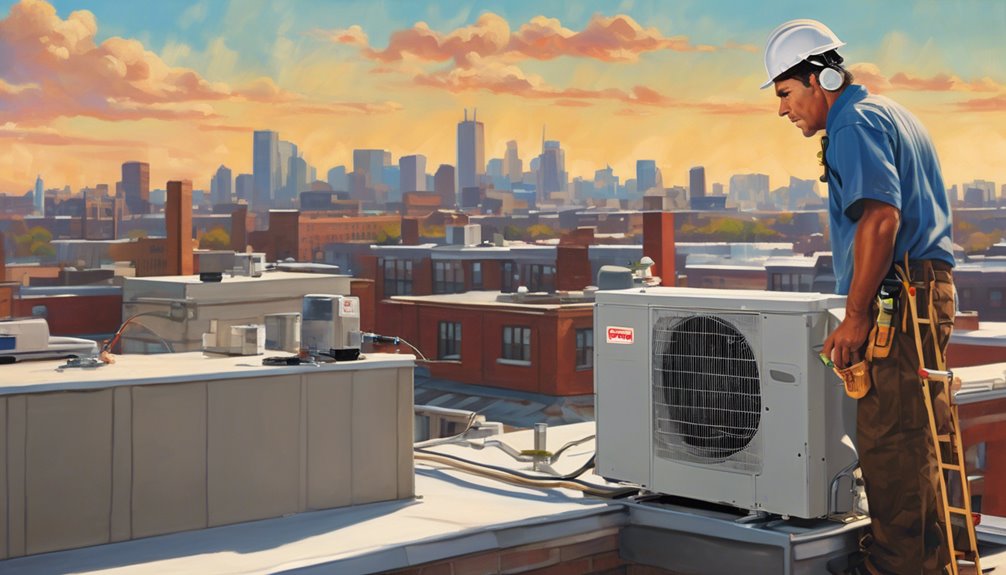
When you’re running an HVAC business, understanding third-party liability coverage is crucial for protecting your interests. This type of insurance helps cover legal costs and damages if a client or another party claims your work caused them harm or property damage.
Without this coverage, you could face significant financial losses that can jeopardize your business. It’s essential to know the specific coverage limits and exclusions in your policy, as they can vary widely.
A good policy not only protects you from lawsuits but also provides peace of mind, allowing you to focus on delivering quality service. Make sure to review your options and consult with an insurance professional to ensure you’re adequately covered for the unique risks associated with your HVAC operations.
Importance of Liability Coverage for HVAC Contractors
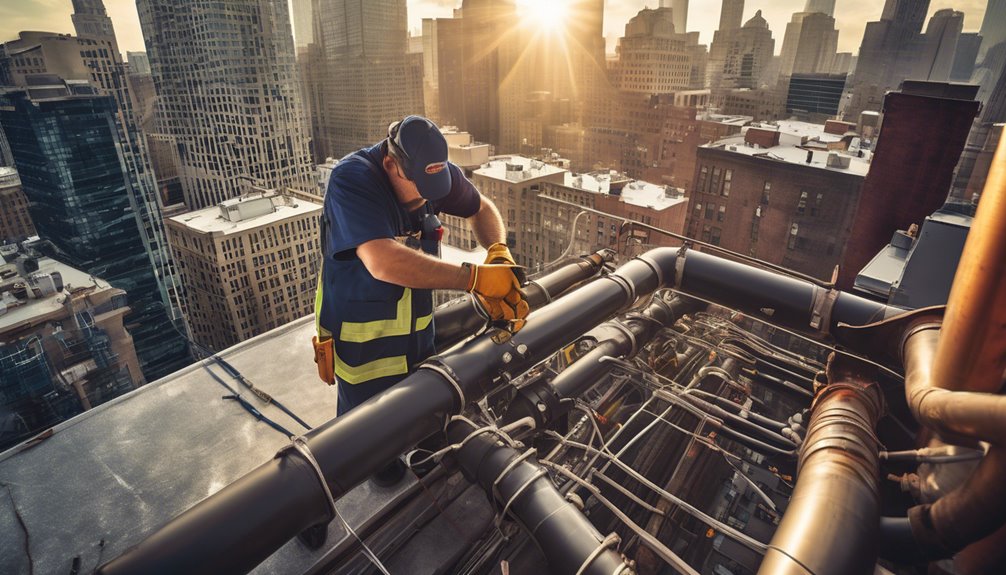
Liability coverage is a vital safety net for HVAC contractors, safeguarding you against unforeseen mishaps that can arise during your work.
Whether it’s a minor accident or a significant error, having this coverage ensures you’re protected from potential lawsuits and financial losses. Without it, one mishap could lead to crippling expenses, jeopardizing your business and livelihood.
It also enhances your credibility with clients, showing that you take your responsibilities seriously. Clients often feel more secure knowing you carry liability insurance, which can lead to more job opportunities.
Common Risks Faced by HVAC Contractors
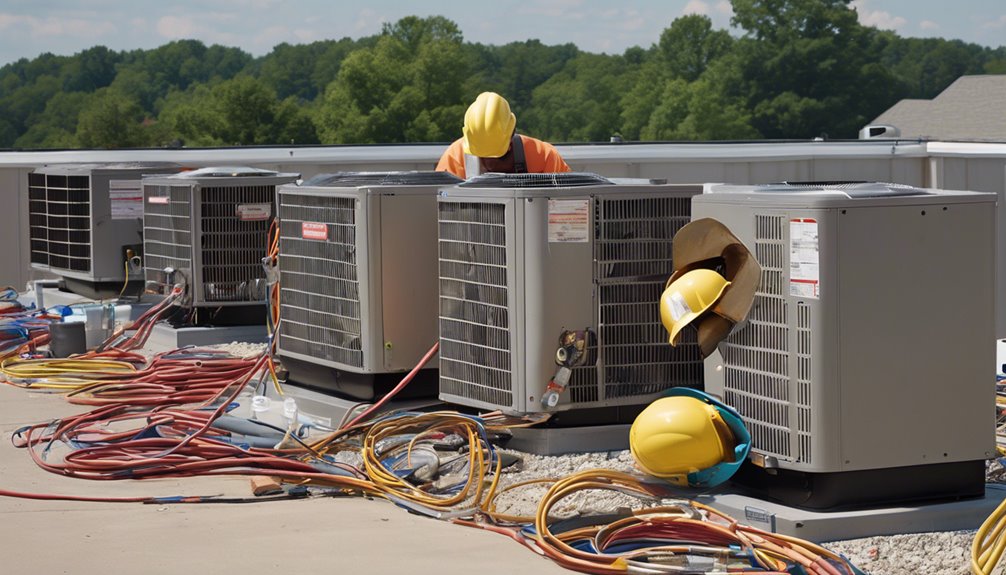
As an HVAC contractor, you face a variety of risks that can impact your business.
Equipment malfunctions, safety compliance violations, and weather-related incidents are just a few challenges you might encounter.
Understanding these risks is crucial for protecting your work and ensuring client satisfaction.
Equipment Malfunction Risks
While HVAC contractors are skilled at installing and maintaining systems, they often face significant risks related to equipment malfunctions. These issues can arise from improper installation, aging components, or unexpected wear and tear.
When equipment fails, it can lead to costly repairs, project delays, and even safety hazards. You might find yourself dealing with malfunctioning systems that disrupt client comfort or operational efficiency.
Additionally, equipment failures can expose you to liability claims if they result in property damage or injury. It’s crucial to stay proactive by regularly inspecting and servicing equipment, using quality parts, and keeping up with manufacturer guidelines.
Safety Compliance Violations
Although you may prioritize safety on every job, HVAC contractors often face significant risks related to safety compliance violations. These violations can stem from improper handling of refrigerants, insufficient training on equipment, or failure to follow local codes and regulations.
Not only can these issues lead to accidents, but they can also result in hefty fines and legal liabilities. It’s crucial to stay updated on safety standards and ensure your team is well-trained.
Regular inspections and audits can help identify potential compliance gaps. By actively addressing these risks, you not only protect your workers but also safeguard your business’s reputation and financial stability.
Weather-Related Incidents
Safety compliance violations aren’t the only risks HVAC contractors face. Weather-related incidents can significantly impact your work and safety.
Extreme temperatures, storms, and heavy rain can create hazardous conditions on job sites, increasing the likelihood of accidents. For instance, icy surfaces can lead to slips and falls, while high winds can jeopardize equipment stability.
Additionally, severe weather might delay projects, leading to financial losses. You must also consider the potential for damage to tools and materials.
Keeping an eye on forecasts and being prepared for sudden changes can help mitigate these risks. Investing in proper training and safety gear is crucial to protect yourself and your crew during challenging weather conditions.
Stay vigilant, and always prioritize safety.
Benefits of Third-Party Liability for Homeowners

When you hire an HVAC contractor, third-party liability insurance can offer you crucial financial protection.
It ensures that if something goes wrong, you’re not left covering the costs alone. This kind of legal coverage gives you peace of mind, knowing you’re safeguarded against unexpected incidents.
Financial Protection Assurance
Homeownership comes with a host of responsibilities, and one of the most crucial is ensuring your property is protected from unforeseen liabilities. By securing third-party liability coverage, you gain financial protection that can save you from significant out-of-pocket expenses.
If a contractor accidentally damages your property during repairs or installations, their liability insurance can cover these costs, sparing you the financial burden. Additionally, this protection extends to injuries that occur on your property as a result of contractor work.
With third-party liability, you won’t face overwhelming repair bills or medical expenses alone. This assurance allows you to focus on enjoying your home, knowing you’re safeguarded against unexpected financial strains related to contractor services.
Legal Coverage Peace of Mind
Understanding the importance of third-party liability coverage goes beyond just financial protection; it also provides legal peace of mind for homeowners.
When you hire an HVAC contractor, you want to ensure that any accidents or damages don’t lead to costly legal disputes. With third-party liability insurance, you’re protected against claims that could arise from injuries or property damage during the job.
This coverage means that if something goes wrong, you won’t be held financially responsible or face legal battles alone. You can focus on enjoying your home, knowing you’ve taken the right steps to safeguard yourself.
It’s not just about protecting your wallet; it’s about ensuring your peace of mind throughout the entire process.
How Liability Coverage Protects Contractors

Liability coverage acts as a safety net for HVAC contractors, shielding them from potential financial setbacks due to accidents or claims.
When you’re working on a job site, unexpected incidents can happen—equipment might fail, or a client could trip over a tool. Without liability coverage, you could be stuck covering these costs out of pocket.
This protection not only helps you manage the financial risks associated with these incidents but also enhances your professional credibility. Clients are more likely to hire you knowing you’re insured, which can lead to more business opportunities.
Choosing the Right Liability Coverage for HVAC Services
When you’re selecting liability coverage for your HVAC services, it’s crucial to consider your specific needs and the risks associated with your work.
Start by evaluating the types of projects you handle. Are you mainly working in residential areas or taking on commercial contracts? This distinction can significantly influence the coverage you require.
Next, assess the potential risks involved, such as equipment failure or property damage. You’ll want a policy that addresses these concerns adequately.
Don’t forget to compare quotes from different insurance providers to ensure you’re getting the best value.
Finally, consider any additional endorsements that might enhance your coverage, like professional liability or workers’ compensation.
Choosing the right insurance can safeguard your business and help you work with confidence.
The Role of Insurance in Risk Management
Insurance plays a vital role in managing risks for HVAC contractors. It protects you from potential financial losses arising from accidents, damages, or lawsuits.
When you invest in the right coverage, you’re not just safeguarding your business assets; you’re also ensuring your peace of mind. In the event of a mishap, insurance helps cover repair costs, legal fees, and settlements, allowing you to focus on your work without the constant worry of financial repercussions.
Moreover, having adequate insurance can enhance your credibility with clients, as they’ll see you take responsibility for your business practices.
Ultimately, effective risk management through insurance keeps your HVAC operations running smoothly, enabling you to thrive in a competitive market.
Legal Requirements for HVAC Contractors in Benton
In Benton, HVAC contractors must navigate a variety of legal requirements to operate legally and efficiently.
First, you need to obtain the appropriate licenses and permits, which vary based on the scope of your work. Familiarize yourself with local building codes and regulations to ensure compliance.
You’ll also need liability insurance to protect against potential damages or accidents on the job. Additionally, it’s crucial to stay updated on any changes in state or federal regulations that may affect your services.
Don’t forget to maintain proper documentation of your work, as this can be vital for inspections and legal protection.
Tips for Homeowners When Hiring HVAC Contractors
Hiring an HVAC contractor can feel overwhelming, especially after navigating the legal requirements that ensure they operate legitimately.
To simplify your search, start by asking for recommendations from friends or family. Check online reviews and ratings to gauge their reputation. Always verify their licensing and insurance; it protects you from liability.
Get multiple quotes to compare prices, but don’t just go for the lowest bid—consider quality too. Ask about warranties on both parts and labor to ensure you’re covered.
Schedule a consultation to discuss your needs and gauge their professionalism. Finally, trust your instincts; choose someone who communicates well and makes you feel comfortable.
A good contractor can make a significant difference in your home’s comfort and efficiency.
Frequently Asked Questions
What Is the Average Cost of Third-Party Liability Insurance for HVAC Contractors?
The average cost of third-party liability insurance for HVAC contractors typically ranges from $500 to $2,000 annually, depending on your location, business size, and coverage options. It’s essential to shop around for the best rates.
How Can Contractors Reduce Their Liability Risks While Working?
To reduce your liability risks, you should implement safety protocols, conduct regular training, maintain accurate records, and ensure proper equipment use. Additionally, staying updated on regulations and using contracts can further protect you and your business.
Does Liability Coverage Cover Employee Injuries on the Job?
Liability coverage typically doesn’t cover employee injuries on the job; that’s usually addressed by workers’ compensation insurance. You should ensure you have the right policies in place to protect both your employees and your business.
Are There Specific Exclusions in HVAC Liability Insurance Policies?
Yes, HVAC liability insurance policies often have specific exclusions. These can include intentional acts, property damage to your own equipment, and certain environmental hazards. Always read your policy carefully to understand your coverage limitations.
How Often Should HVAC Contractors Review Their Liability Coverage?
You should review your liability coverage at least annually, or whenever your business circumstances change. Regular assessments help ensure you’re adequately protected against risks and can adapt to new regulations or evolving industry standards.
Conclusion
In conclusion, prioritizing third-party liability coverage is essential for both HVAC contractors and homeowners. It not only protects against unforeseen accidents but also builds trust and credibility. As you hire an HVAC contractor, ensure they have adequate liability coverage to safeguard your interests. This way, you can enjoy peace of mind knowing you’re protected, while contractors can focus on delivering quality service without the fear of legal repercussions. Choose wisely, and ensure a secure partnership for your HVAC needs.