Get an Instant Quote on Electrical, HVAC & Plumbing Contractor Improvement Location Permit – 3rd Party Liability Now!

When you’re working as an electrical, HVAC, or plumbing contractor in Benton, securing an Improvement Location Permit is essential. This permit not only ensures your projects meet local zoning and safety standards, but it also plays a crucial role in managing third-party liability. Understanding the implications of this permit can significantly impact your business. What are the specific responsibilities you need to know to protect yourself and your clients?
Overview of the Improvement Location Permit

The Improvement Location Permit is crucial for ensuring that your construction project aligns with local zoning and development regulations.
This permit serves as a verification that your proposed work meets the city’s standards and guidelines. Before you begin construction, it’s essential to apply for this permit to avoid potential legal issues down the line.
By obtaining the permit, you demonstrate compliance with zoning laws, which can affect property use and future developments. It also helps to identify any restrictions or requirements specific to your project’s location.
Ensuring that you have this permit before breaking ground can save you time, money, and headaches, ensuring a smoother construction process overall.
Always check with local authorities for specific application requirements.
Importance of the Permit for Contractors
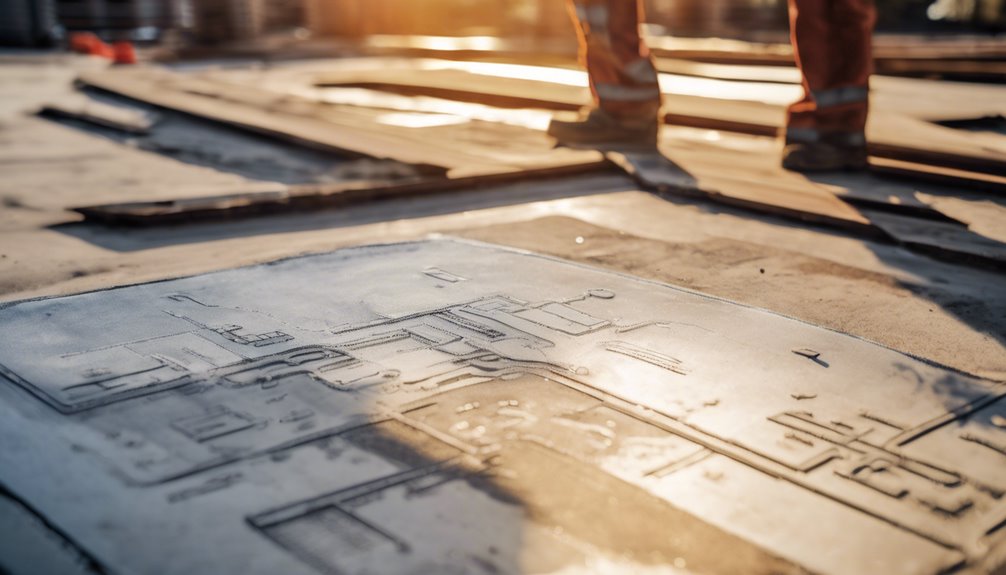
Understanding the importance of the Benton Contractor Improvement Permit is crucial for your projects.
It helps you stay compliant with legal requirements, manage risks effectively, and navigate the project approval process smoothly.
Let’s explore how this permit can safeguard your work and streamline your operations.
Legal Compliance Requirements
Securing a Benton Contractor Improvement Permit is crucial for any contractor aiming to operate legally and avoid potential penalties.
This permit ensures that your electrical, HVAC, or plumbing work meets local codes and standards, protecting you from fines or legal issues. By obtaining the permit, you demonstrate your commitment to quality and compliance, which can enhance your reputation in the community.
Additionally, having the proper permit can streamline inspections and approvals, making your projects run more smoothly. Without it, you risk facing delays, costly fines, or even the shutdown of your operations.
Risk Management Benefits
Obtaining a Benton Contractor Improvement Permit significantly enhances your risk management strategy as a contractor. This permit not only ensures compliance with local regulations but also protects you from potential liabilities.
By securing the permit, you demonstrate professionalism and reliability, which can boost your reputation among clients. Additionally, it helps in identifying potential risks before they become costly issues, allowing you to address them proactively.
With this permit in hand, you’re better equipped to manage project scope and timelines, reducing the chances of disputes. Ultimately, it creates a safer work environment for you and your team, minimizing accidents and enhancing overall project success.
Investing in this permit is a smart move for your long-term business growth.
Project Approval Process
When you navigate the project approval process, having a Benton Contractor Improvement Permit can be a game changer. This permit shows your commitment to compliance with local regulations, making it easier to get approvals from city officials.
You’ll find that having this permit streamlines communication between you and the authorities, reducing potential delays. It also helps you avoid costly fines or project shutdowns that can arise from working without proper authorization.
Plus, clients appreciate knowing that you adhere to the law, enhancing your reputation. By securing this permit, you’re not just protecting your business; you’re also ensuring a smoother path to project completion.
In the competitive contractor landscape, this advantage can set you apart.
Responsibilities of Contractors Under the Permit
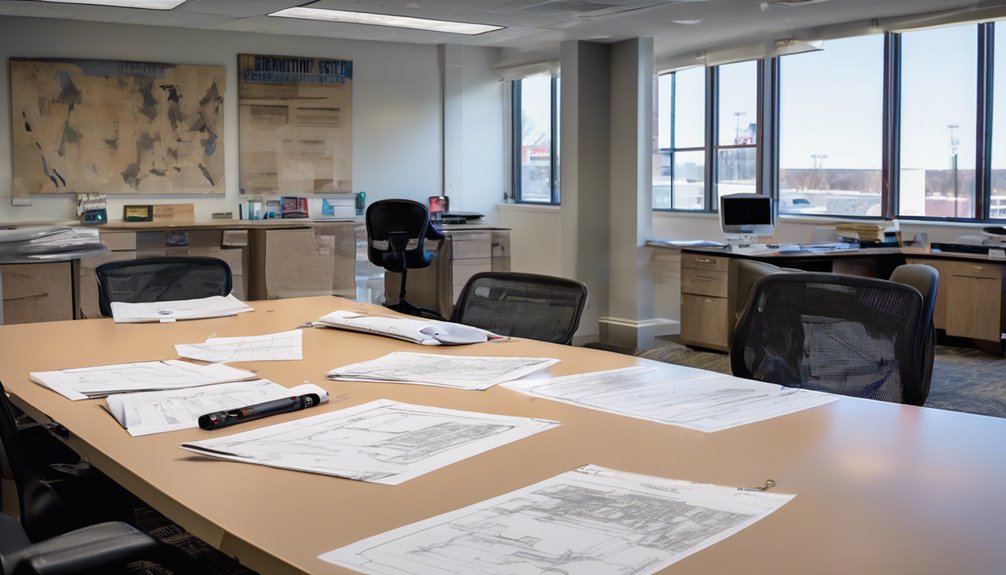
As a contractor under the Benton Improvement Permit, you’ve got key responsibilities to uphold.
You need to ensure you have liability insurance, comply with local codes, and adhere to safety standards.
Meeting these requirements not only protects you but also ensures the success of your projects.
Liability Insurance Requirements
To ensure your project proceeds smoothly under the Benton Contractor Improvement Permit, it’s crucial to understand your liability insurance requirements.
You’re responsible for obtaining a minimum amount of general liability insurance that covers potential damages or injuries related to your work. This coverage protects you and your clients, ensuring financial stability in case of accidents.
Make sure your policy includes specific provisions for the types of work you’re performing, whether electrical, HVAC, or plumbing. Additionally, you’ll need to provide proof of your insurance when applying for the permit, so keep your documentation handy.
Regularly review your coverage to ensure it meets any updates to local regulations and adequately reflects the scope of your projects.
Compliance With Local Codes
Understanding compliance with local codes is essential for contractors operating under the Benton Contractor Improvement Permit, since adherence not only ensures the safety of your project but also protects you from potential legal issues.
You need to familiarize yourself with local building codes, zoning regulations, and any specific requirements for electrical, HVAC, and plumbing work. Make sure your plans and installations meet these standards before starting any project.
Failure to comply can lead to fines, permit revocations, or even legal action. Regularly consult with local authorities and stay updated on code changes to ensure ongoing compliance.
Safety Standards Adherence
When you operate under the Benton Contractor Improvement Permit, adhering to safety standards isn’t just a recommendation—it’s a responsibility that directly impacts the well-being of your team and the public.
You’ll need to ensure that all electrical, HVAC, and plumbing work meets established safety guidelines. This includes using proper protective gear, maintaining equipment, and following safe work practices.
Regular training and updates on safety protocols will keep your skills sharp and your team informed. You’ll also want to conduct routine inspections to identify potential hazards before they become issues.
Remember, compliance with these safety standards helps you avoid liabilities and fosters a culture of safety that benefits everyone involved in your projects.
Your diligence is key to a successful operation.
Implications for Third-Party Liability

While navigating the Benton Contractor Improvement Permit process, it’s crucial to consider the implications for third-party liability. As a contractor, you’re not just responsible for your work; your actions can impact others involved in the project.
If a third party suffers damages due to your work—whether it’s a faulty installation or negligence—you could face legal claims. This means you should ensure compliance with safety standards and regulations to minimize risks.
Additionally, having adequate insurance coverage is essential to protect yourself from potential financial burdens. Always document your work and maintain clear communication with clients and subcontractors to limit misunderstandings.
Ultimately, being proactive in understanding third-party liability can save you from costly disputes down the line.
Navigating Legal Disputes in Construction

Legal disputes in construction can arise from various factors, including contract misunderstandings and safety violations.
When you find yourself in such a situation, it’s essential to assess the specific issue quickly. Start by gathering all relevant documentation, including contracts, emails, and project records. This evidence can clarify responsibilities and deadlines.
Communication is key; try discussing the matter with the other party to reach an amicable solution. If negotiations fail, consider mediation or arbitration as alternatives to court. These methods can save time and reduce costs.
Best Practices for Compliance and Risk Mitigation

To ensure compliance and mitigate risks in construction projects, it’s crucial to establish a robust framework from the outset.
Begin by thoroughly understanding local regulations and securing the necessary permits. Keep detailed records of all communications and agreements to protect against disputes.
Regularly train your team on safety protocols and legal requirements, ensuring everyone’s on the same page. Implement a system for conducting routine inspections, addressing potential issues before they escalate.
Establish clear communication channels with subcontractors and suppliers to foster transparency. Lastly, consider investing in comprehensive insurance coverage to shield your business from unforeseen liabilities.
Frequently Asked Questions
What Documents Are Required to Apply for the Permit?
To apply for the permit, you’ll need an application form, proof of identification, project plans, and any necessary licenses or certifications. Make sure to check local regulations for any additional documentation required.
How Long Does the Permit Application Process Typically Take?
Typically, the permit application process takes a few weeks, depending on the complexity of your project and local regulations. It’s best to check with your local office for specific timelines and requirements.
Are There Fees Associated With the Improvement Location Permit?
Yes, there are typically fees associated with improvement location permits. These fees can vary based on the project size and scope, so it’s best to check with your local authority for specific amounts and details.
Can Homeowners Apply for This Permit Directly?
Yes, you can apply for the improvement location permit directly as a homeowner. Just make sure you understand the requirements and gather the necessary documentation to ensure a smooth application process.
What Happens if the Permit Is Denied?
If your permit’s denied, you’ll receive a notice explaining the reasons. You can address the issues, make necessary adjustments, and reapply. It’s essential to understand the requirements to improve your chances next time.
Conclusion
In summary, securing an Improvement Location Permit is crucial for your electrical, HVAC, or plumbing projects in Benton. It not only ensures compliance with local regulations but also protects you from potential third-party liability. By understanding your responsibilities and following best practices, you can effectively navigate risks and legal disputes. Prioritizing safety and compliance will help you foster a successful contractor business and maintain a solid reputation in the community.