Get an Instant Quote on Street Excavation Bond Now!

If you’re involved in excavation work, you know the importance of compliance with local regulations. A street excavation bond is a key component in this process, acting as a financial safety net for both you and the municipality. It ensures that your project adheres to standards and protects against potential damages. But what exactly do you need to know about obtaining one? Let’s explore the essential aspects of street excavation bonds that can influence your project outcomes.
Understanding Street Excavation Bonds
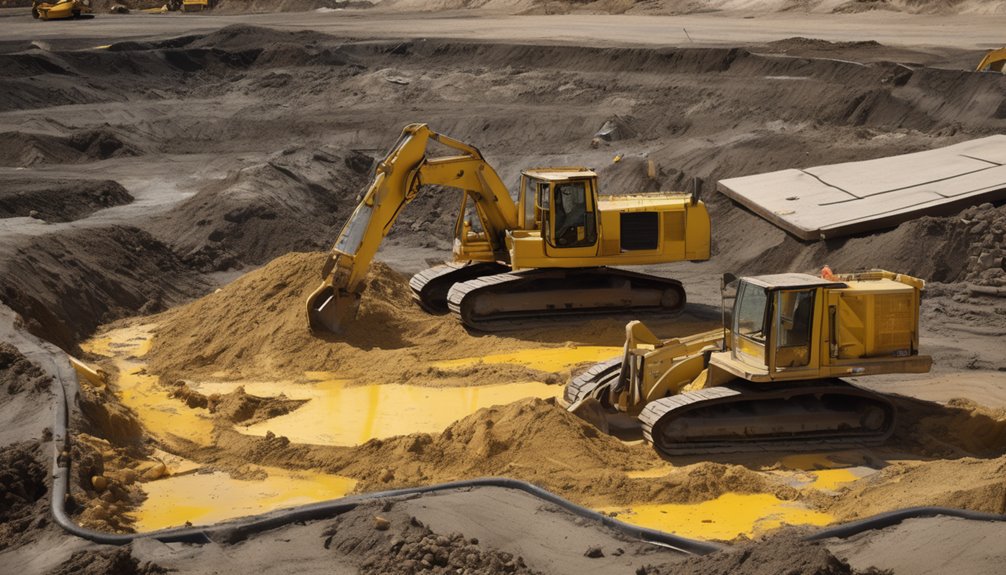
When you dig into street excavation bonds, you’re navigating a crucial aspect of construction and public safety.
These bonds serve as a financial guarantee that contractors will comply with local regulations and restore the street after completing their work. Essentially, they protect municipalities and the public from potential damages caused by excavation activities.
You’ll find that obtaining a street excavation bond often requires you to provide proof of insurance and demonstrate your expertise in managing excavation projects.
Understanding the specific requirements in your area is vital, as they can vary significantly.
The Importance of Street Excavation Bonds
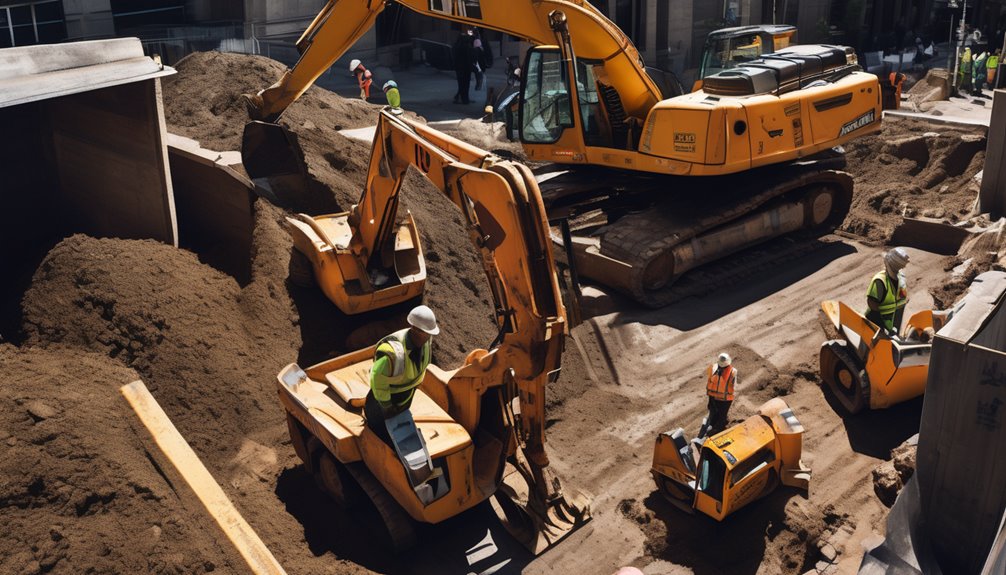
Street excavation bonds play a vital role in maintaining the integrity of public infrastructure. When you dig up streets for repairs or installations, you’re not just affecting the surface; you risk damaging essential utilities below.
These bonds ensure you’ll restore any disruptions, protecting both the community and your reputation. They act as a safety net, providing financial guarantees that you’ll comply with local regulations and standards.
Without them, you could face hefty fines or even legal action, jeopardizing your projects. By securing a street excavation bond, you show your commitment to responsible practices, fostering trust with local authorities and residents.
Ultimately, these bonds not only safeguard infrastructure but also enhance your credibility as a contractor.
Types of Street Excavation Bonds
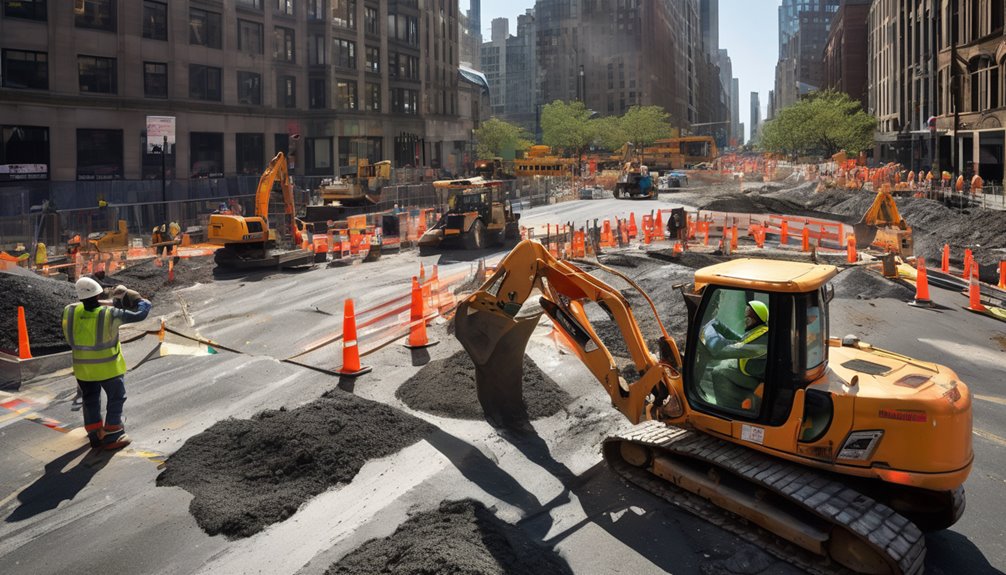
Understanding the types of street excavation bonds is essential for contractors and project managers.
There are primarily two types: performance bonds and maintenance bonds. A performance bond guarantees that you’ll complete the project according to the terms of the contract. If you fail to do so, the bond provides financial protection to the project owner.
On the other hand, a maintenance bond ensures that any necessary repairs or corrections are made after project completion, typically for a specified period.
Knowing these distinctions helps you choose the right bond for your project and meet regulatory requirements. Be sure to assess your needs carefully, as each bond type serves a unique purpose in safeguarding your work and finances.
How to Obtain a Street Excavation Bond
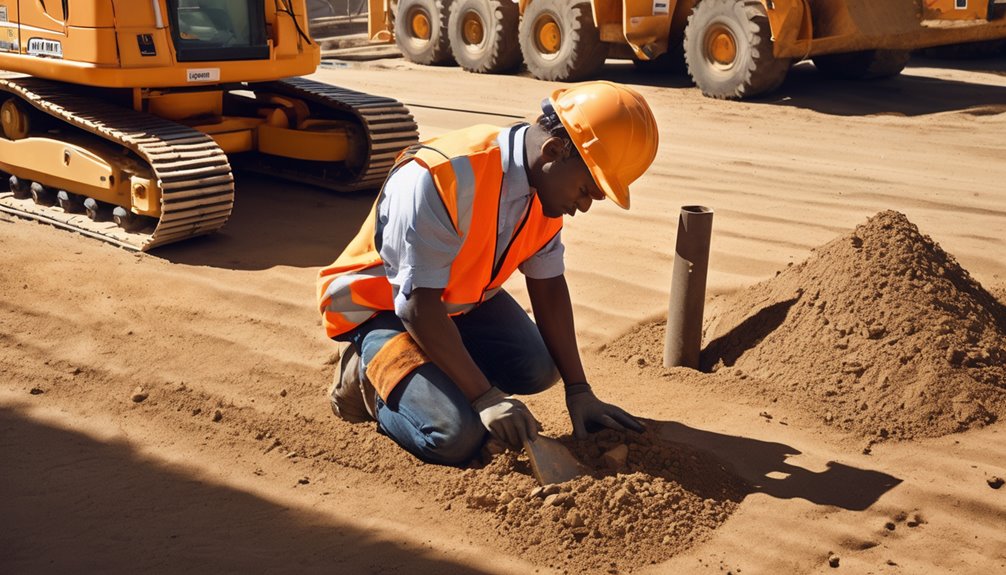
To obtain a street excavation bond, you’ll need to understand the specific bond requirements that apply to your project.
The application process involves several key steps, and being aware of the associated costs and fees will help you budget effectively.
Let’s break down what you need to know to get started.
Bond Requirements Overview
When you’re ready to start your street excavation project, obtaining a bond is a crucial step.
To get your street excavation bond, you’ll need to meet a few key requirements. First, check your local regulations, as these can vary significantly.
You’ll likely need to provide proof of your business license and insurance coverage. Additionally, having a clean record with no major violations will strengthen your application.
Many sureties will require a credit check to assess your financial reliability. Be prepared to submit personal and business financial statements, as they help demonstrate your ability to complete the project responsibly.
Application Process Steps
Before diving into your street excavation project, you’ll need to navigate the application process for obtaining a bond.
Start by gathering the necessary documentation, which usually includes proof of insurance, a detailed project plan, and any required permits.
Next, reach out to a licensed surety bond provider, as they’ll guide you throughout the process. You’ll fill out an application form, detailing your project and financial history.
Be prepared for a credit check, as it helps determine your eligibility. Once approved, you’ll review the bond terms and conditions.
After that, sign the agreement and pay any necessary fees to finalize the bond. With your bond in hand, you’re ready to proceed with your excavation project confidently.
Costs and Fees
After securing your street excavation bond, understanding the associated costs and fees is vital for budgeting your project accurately.
Typically, you’ll encounter a premium, which is a percentage of the bond amount, often ranging from 1% to 5%. This premium depends on factors like your credit score and the project’s scope.
Additionally, some companies may charge administrative or processing fees. It’s essential to shop around for different providers to find the best rates.
Don’t forget to factor in potential renewal costs if your project extends beyond the bond’s initial term.
The Role of Street Excavation Bonds in Project Compliance
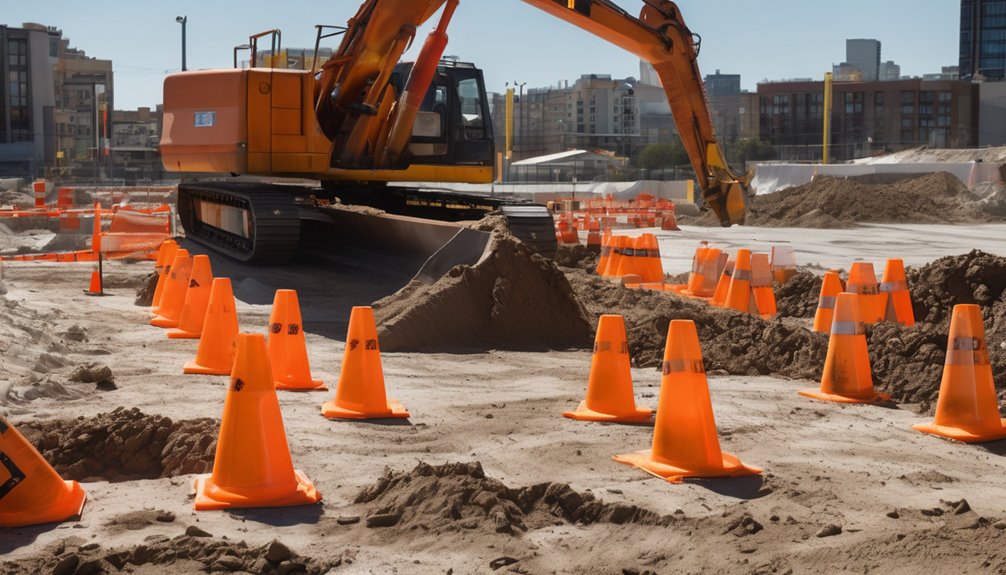
Street excavation bonds play a crucial role in ensuring project compliance, as they provide financial security that encourages contractors to adhere to local regulations and standards.
By securing these bonds, you’re safeguarding your project against potential non-compliance issues. This ensures that contractors:
- Follow safety protocols to protect workers and the public
- Restore streets and sidewalks to their original condition post-excavation
- Obtain necessary permits and inspections from local authorities
- Mitigate risks related to delays and additional costs
With a street excavation bond in place, you’re fostering a culture of accountability.
It empowers you to hold contractors responsible for their work, ensuring that projects not only meet legal requirements but also maintain community standards and trust.
Financial Implications of Street Excavation Bonds

When you’re considering street excavation bonds, it’s crucial to understand their financial implications.
The cost of bonding can significantly impact your project budget, so you’ll want to factor that in early on.
Additionally, effective risk mitigation strategies can help you navigate potential financial pitfalls throughout the project.
Cost of Bonding
Although bonding for street excavation might seem like just another expense, it can significantly impact your project’s overall budget.
Understanding the costs involved is crucial for effective planning. Here are some financial aspects to consider:
- Bond Premiums: These are upfront costs that vary based on project size and risk.
- Administrative Fees: You’re likely to encounter additional charges for processing the bond.
- Potential Collateral: Some bonding companies may require you to secure the bond with cash or assets.
- Renewal Costs: If your project extends beyond the bond’s term, you may face renewal fees.
Impact on Project Budget
Understanding the financial implications of street excavation bonds is vital for maintaining your project’s budget. These bonds aren’t just an added expense; they can significantly affect your overall financial planning.
First, consider the upfront costs of acquiring the bond. This expense can strain your cash flow, especially if you’re working with a tight budget.
Secondly, if your project encounters delays or unexpected issues, the bond might require additional funds to cover potential liabilities.
Moreover, non-compliance with bond conditions can lead to penalties, further inflating your costs.
It’s essential to analyze these factors to ensure your project remains financially viable and to avoid unforeseen expenses that could derail your budget.
Planning wisely can help you stay on track and ensure successful project completion.
Risk Mitigation Strategies
To effectively manage the financial implications of street excavation bonds, implementing robust risk mitigation strategies is essential. By proactively addressing potential risks, you can safeguard your project’s budget and timeline.
Here are key strategies you should consider:
- Thorough Planning: Conduct comprehensive site assessments to identify underground utilities and potential hazards.
- Insurance Coverage: Secure adequate insurance to cover unforeseen events that could lead to financial loss.
- Stakeholder Communication: Maintain open lines of communication with local authorities, contractors, and the community to anticipate issues.
- Contingency Funds: Allocate a portion of your budget for unexpected costs related to excavation that might arise during the project.
Common Regulations Governing Street Excavation Bonds

When you engage in street excavation, it’s crucial to abide by the common regulations governing excavation bonds, as these rules ensure safety and compliance.
Typically, you must obtain a bond that covers potential damages or liabilities arising from your work. This bond often requires you to submit specific documentation, including proof of insurance and a detailed project plan.
You’ll also need to adhere to local ordinances regarding excavation depth, restoration procedures, and traffic management. Regular inspections may be mandated to ensure you’re following safety protocols.
Additionally, penalties can arise if you fail to meet these regulations, so staying informed and compliant is essential for a successful project. Always check with local authorities for the latest requirements in your area.
Risks Associated With Not Having a Street Excavation Bond

Failing to secure a street excavation bond can expose you to significant financial and legal risks.
Without this bond, you may face serious consequences that can impact your project and your finances.
Consider these potential pitfalls:
- Liability for Damages: You could be held responsible for any damage to public or private property during excavation.
- Legal Penalties: Operating without a bond may lead to fines or legal action from local authorities.
- Project Delays: You might encounter delays if issues arise that require bonding for resolution.
- Loss of Reputation: Contractors and clients may be hesitant to work with you, damaging your professional credibility.
Protect yourself by understanding these risks and securing a street excavation bond.
Best Practices for Managing Street Excavation Bonds

Managing street excavation bonds effectively is crucial for ensuring a smooth project execution. Start by understanding the specific requirements set by your local government.
Keep all documentation organized and accessible to avoid delays. Regularly review your bond’s status and ensure it’s always up-to-date.
Communicate with contractors about their responsibilities regarding the bond, and make sure they understand its importance. Establish a clear timeline for inspections and approvals to prevent last-minute issues.
If problems arise, address them immediately to maintain compliance. Lastly, maintain open lines of communication with your bonding company for support and guidance.
Frequently Asked Questions
What Is the Typical Cost of a Street Excavation Bond?
The typical cost of a street excavation bond varies based on location, project size, and local regulations. You’ll usually pay a percentage of the estimated project cost, often ranging from a few hundred to several thousand dollars.
Can a Street Excavation Bond Be Refunded After Project Completion?
Yes, you can often get a street excavation bond refunded after project completion. However, you’ll need to ensure all conditions are met and any required inspections are passed before the refund process begins.
How Long Does It Take to Obtain a Street Excavation Bond?
It usually takes a few days to obtain a street excavation bond, depending on your preparation and the issuing agency’s requirements. You’ll need to gather necessary documents and submit your application promptly for faster processing.
Are There Penalties for Bond Violations?
Yes, there are penalties for bond violations. If you fail to meet obligations, you might face fines, legal action, or loss of the bond. Staying compliant is essential to avoid these potential consequences.
Do I Need a Bond for Small Excavation Projects?
For small excavation projects, you typically don’t need a bond, but it’s crucial to check local regulations. Some areas might require permits or insurance instead, so always verify with your local authority before starting.
Conclusion
In conclusion, securing a street excavation bond is essential for your excavation projects. It not only protects you from potential liabilities but also builds trust with local authorities. By understanding the types of bonds available and following best practices, you can ensure compliance and safeguard public infrastructure. Don’t underestimate the risks of forgoing a bond; investing in one is a proactive step toward responsible excavation. Stay informed and make the right choices for your projects.