In Colorado, surety bonds for Division of Wildlife License Agents play a vital role in ensuring compliance and protecting public interests. These bonds not only hold agents accountable but also promote ethical practices within the hunting and fishing license system. Understanding how these bonds work can shed light on their importance for both agents and the communities they serve. So, what implications do these bonds have for wildlife management and conservation efforts?
Understanding Surety Bonds in Colorado

While navigating the regulatory landscape in Colorado, understanding surety bonds is crucial for wildlife license agents. A surety bond acts as a financial guarantee that you'll adhere to state laws and regulations in your licensing activities.
When you secure a surety bond, it protects the public and ensures that you fulfill your obligations as an agent. If you fail to comply, the bond provides a means for affected parties to seek compensation.
You'll typically need to obtain a bond for a specified amount, which varies based on your role and the regulations in place. By grasping the importance of surety bonds, you enhance your credibility and professionalism in the wildlife licensing sector.
Don't overlook this essential requirement in your regulatory journey.
The Role of Division of Wildlife License Agents
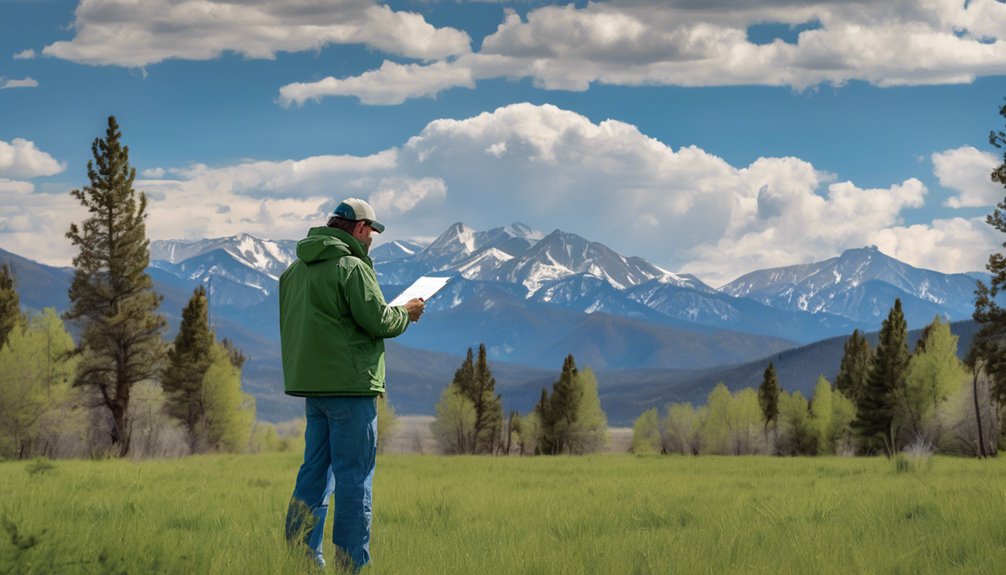
Understanding the role of Division of Wildlife license agents is essential for anyone involved in wildlife management in Colorado. These agents serve as vital intermediaries between the public and the state's wildlife resources.
You'll find them issuing hunting and fishing licenses, providing information on regulations, and promoting conservation efforts. Their work helps ensure that wildlife populations are managed sustainably and responsibly.
As a license agent, you'll also assist in educating the community about wildlife laws and the importance of preserving natural habitats. By fostering a positive relationship between the state and the public, you contribute to better wildlife management practices.
Ultimately, your role helps protect Colorado's diverse ecosystems and ensures future generations can enjoy the state's natural beauty.
Compliance and Regulatory Requirements
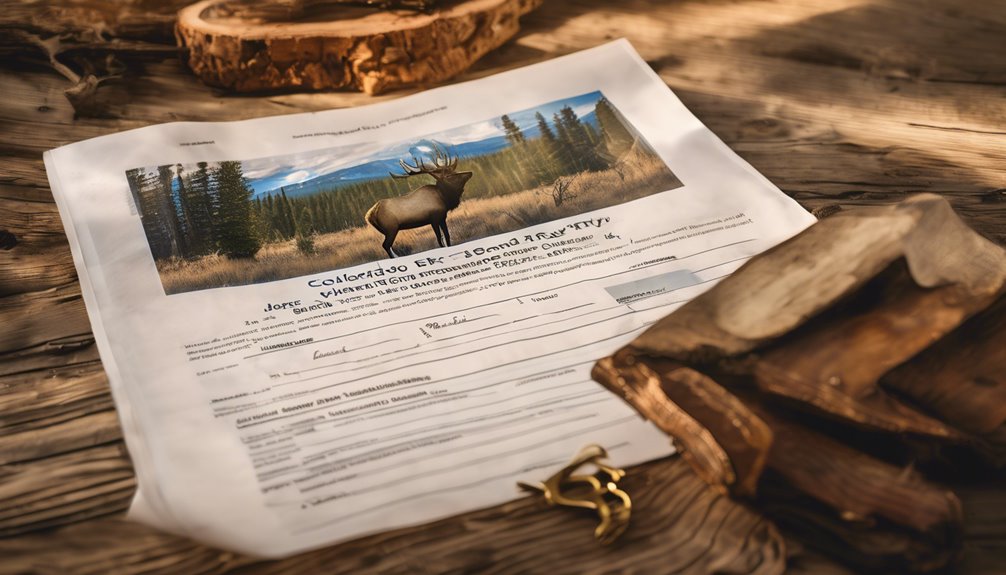
To ensure smooth operations, compliance with regulatory requirements is crucial for wildlife license agents in Colorado.
You'll need to familiarize yourself with state laws and regulations governing the sale of hunting and fishing licenses. This includes understanding the specific documentation required, such as proof of training or background checks.
Regular audits and inspections may occur, so keeping accurate records is essential. You must also stay updated on any changes in legislation that could affect your operations.
Failure to comply can lead to penalties, including fines or suspension of your license. By adhering to these regulations, you not only protect your business but also contribute to the conservation efforts and sustainable management of Colorado's wildlife resources.
Benefits of Surety Bonds for License Agents

Navigating the regulatory landscape as a wildlife license agent in Colorado comes with its challenges, but securing a surety bond offers significant advantages.
First, it builds trust with your clients, showing you're committed to ethical practices and compliance. This bond acts as a financial safety net, protecting customers against potential mismanagement or fraud.
If any issues arise, it also ensures that claims can be covered without impacting your personal finances. Additionally, having a surety bond may enhance your reputation, making it easier to attract clients and establish long-term relationships.
Ultimately, this bond not only satisfies legal requirements but also positions you as a reliable and professional agent in the wildlife licensing industry.
The Application Process for Obtaining a Surety Bond

When you're ready to obtain a surety bond, it's essential to understand the bond requirements first.
You'll need to follow a series of application steps to secure your bond efficiently.
Let's break down what you need to know to get started.
Bond Requirement Overview
Before you can become a licensed wildlife agent in Colorado, securing a surety bond is essential. This bond acts as a financial safety net, ensuring you comply with all state regulations and responsibilities associated with your role.
The bond protects the state and the public from any potential misconduct or failure to uphold your obligations.
You'll need to determine the required bond amount, which is typically set by the Colorado Division of Wildlife. Once you know the amount, you can approach a surety bond provider to initiate the process.
They'll assess your qualifications and financial standing before issuing the bond. Remember, having a surety bond isn't just a formality; it's a crucial step in your journey to becoming an authorized wildlife agent.
Application Steps Explained
Once you've secured the necessary surety bond amount, it's time to tackle the application process.
Start by gathering the required documentation, which typically includes your identification, business details, and any relevant licenses.
Next, choose a surety bond provider that's recognized and reliable. Fill out their application form accurately, ensuring all information aligns with your documents.
After submission, the provider will assess your financial history and creditworthiness, which may take a few days.
If approved, you'll receive a quote outlining the bond premium. Once you agree to the terms and pay the premium, you'll receive your bond.
Finally, submit the bond to the Division of Wildlife to complete your licensing process.
You're now ready to operate as a wildlife license agent!
Financial Implications of Surety Bonds

When considering a surety bond, you'll want to understand the costs involved and how they can affect your budget.
Factors like risk assessment can influence the premiums you pay, impacting your overall financial strategy.
Additionally, these bonds can have significant implications for your business operations, so it's crucial to weigh all aspects carefully.
Cost of Surety Bonds
Understanding the cost of surety bonds is crucial for Colorado wildlife license agents, as it directly impacts your financial planning and operational budget.
The price of a surety bond typically depends on several factors, including the bond amount required and your credit history. Generally, you can expect to pay a percentage of the total bond amount, usually ranging from 1% to 15%. This means that if your bond requirement is $10,000, your premium could be anywhere from $100 to $1,500 annually.
Additionally, other fees might apply, such as application or processing fees. By factoring these costs into your budget, you can ensure compliance without straining your financial resources, allowing you to focus on your core business activities.
Risk Assessment Factors
While navigating the world of surety bonds, it's essential to assess the inherent risks associated with them, as these factors can significantly affect your financial health.
When you take on a surety bond, you're essentially agreeing to cover any potential losses incurred by the state or your clients due to your actions—or inactions. If a claim is made against your bond, it could lead to financial repercussions, including increased premiums or diminished credit ratings.
Additionally, your business reputation may suffer, impacting future opportunities. Understanding these risk assessment factors allows you to prepare adequately and mitigate potential issues.
Impact on Business Operations
The financial implications of surety bonds can significantly influence your business operations, especially as a Colorado wildlife license agent.
Surety bonds require you to pay premiums, which can impact your cash flow. If you're not prepared, these costs might strain your budget.
Additionally, a bond demonstrates your credibility and reliability, potentially attracting more clients. However, if claims arise against your bond, it could lead to increased premiums or even difficulty obtaining future bonds.
You'll need to maintain a good financial standing to keep your bond active. Overall, understanding these financial aspects is vital for ensuring your business remains compliant and competitive in the wildlife licensing arena.
Prioritize your finances to navigate these challenges effectively.
Ensuring Accountability in Wildlife Management

To ensure accountability in wildlife management, it's crucial that Colorado wildlife license agents operate under strict regulations and oversight.
By requiring agents to obtain surety bonds, the state guarantees that they adhere to legal and ethical standards. This bond acts as a safety net, protecting the public from potential misconduct. When agents know they're held accountable, they're more likely to act responsibly and prioritize wildlife conservation.
Regular audits and evaluations can further enhance transparency, allowing the Division of Wildlife to monitor compliance effectively.
You can play a role in this process by voicing concerns or reporting suspicious activities. Together, we can ensure that wildlife management remains focused on preserving Colorado's natural resources for future generations.
The Impact on Wildlife Conservation Efforts

Accountability measures, like surety bonds for wildlife license agents, directly influence wildlife conservation efforts in Colorado.
When agents know they're held accountable, they're more likely to act responsibly. This fosters a culture of trust and integrity, which ultimately benefits wildlife and habitats.
Here are three key impacts:
- Increased Compliance: Agents adhere to regulations better, ensuring that conservation laws are followed.
- Enhanced Public Trust: The community gains confidence in the system, encouraging more people to engage in conservation efforts.
- Improved Resource Management: Responsible agents help manage wildlife populations effectively, leading to sustainable ecosystems.
Common Challenges for License Agents
As a license agent, you face the constant challenge of navigating regulatory compliance issues, which can be daunting.
Meeting financial responsibility requirements adds another layer of complexity to your role.
Staying informed and organized is crucial to successfully manage these hurdles.
Regulatory Compliance Issues
Although navigating regulatory compliance can be daunting, it's essential for license agents in Colorado to understand the challenges that come with it.
Staying compliant means avoiding pitfalls that could jeopardize your operations. Here are three common challenges you might face:
- Understanding Complex Regulations: The rules governing wildlife licenses can be intricate and constantly changing, making it hard to keep up.
- Ensuring Accurate Reporting: You must accurately report sales and transactions, as errors can lead to fines or loss of your license.
- Maintaining Required Documentation: Keeping all necessary paperwork organized and up-to-date is crucial to demonstrate compliance during inspections.
Financial Responsibility Requirements
Navigating financial responsibility requirements can pose significant challenges for wildlife license agents in Colorado. You must maintain adequate surety bonds to ensure compliance and protect your business interests. This can feel daunting, especially with fluctuating regulations and varying bond amounts.
The financial burden of securing these bonds can strain your resources, making it vital to budget carefully. Additionally, understanding the implications of your bond and any potential claims against it can be overwhelming.
You might also face difficulties in determining the best insurance options to complement your surety bond. Staying informed about changes in legislation and seeking expert advice can help you manage these challenges effectively, ensuring you meet all financial responsibility requirements while focusing on your core business operations.
Future Trends in Surety Bond Requirements

While the landscape of wildlife licensing continues to evolve, surety bond requirements are likely to adapt in response to emerging trends and regulatory changes.
As a license agent, you should stay informed about these shifts to ensure compliance and protect your interests. Here are some potential trends to watch for:
- Increased Financial Limits: Expect higher bond amounts to reflect rising costs and risks associated with wildlife management.
- Enhanced Compliance Standards: Regulatory agencies may implement stricter compliance measures to ensure agents adhere to ethical practices.
- Technological Integration: Digital platforms might emerge, streamlining the bonding process and improving transparency for all parties involved.
Frequently Asked Questions
What Is the Cost of Obtaining a Surety Bond in Colorado?
The cost of obtaining a surety bond in Colorado varies based on factors like your credit score and the bond amount. Typically, you'll pay a percentage of the total bond, often between 1% to 10%.
How Long Does a Surety Bond Last for License Agents?
A surety bond typically lasts for one year. You'll need to renew it annually to maintain coverage. Check with your bonding company for specific terms, as they may vary based on your situation or jurisdiction.
Can I Transfer My Surety Bond to Another Agent?
You can't transfer your surety bond to another agent. Each bond is specific to the individual agent's license, so if you're switching agents, you'll need to obtain a new bond for that agent.
What Happens if a License Agent Defaults on Their Bond?
If you default on your surety bond, the surety company typically pays the claim to the affected party. You'll then owe that amount to the surety, potentially facing legal action or loss of your license.
Are There Alternatives to Surety Bonds for Wildlife License Agents?
Yes, you can explore alternatives like cash deposits, letters of credit, or self-insurance. Each option has its pros and cons, so consider your situation carefully to choose the best fit for your needs.
Conclusion
In conclusion, obtaining a surety bond for Division of Wildlife License Agents in Colorado is essential for promoting accountability and ethical practices. These bonds not only protect the public but also support wildlife conservation efforts. As you navigate the application process, staying informed about compliance requirements will help ensure your success. By embracing these bonds, you contribute to a trustworthy relationship with the community and play a vital role in preserving Colorado's natural resources.