In California, the roles of subhaulers, sub-subhaulers, and lessor-employees under the Public Utilities Code are essential for efficient freight transportation. These entities must navigate a complex web of regulations and compliance requirements. Understanding their responsibilities and obligations isn't just about following the rules; it's about ensuring safety and fairness in logistics operations. What challenges do these players face in an ever-evolving regulatory landscape?
Overview of California's Public Utilities Code
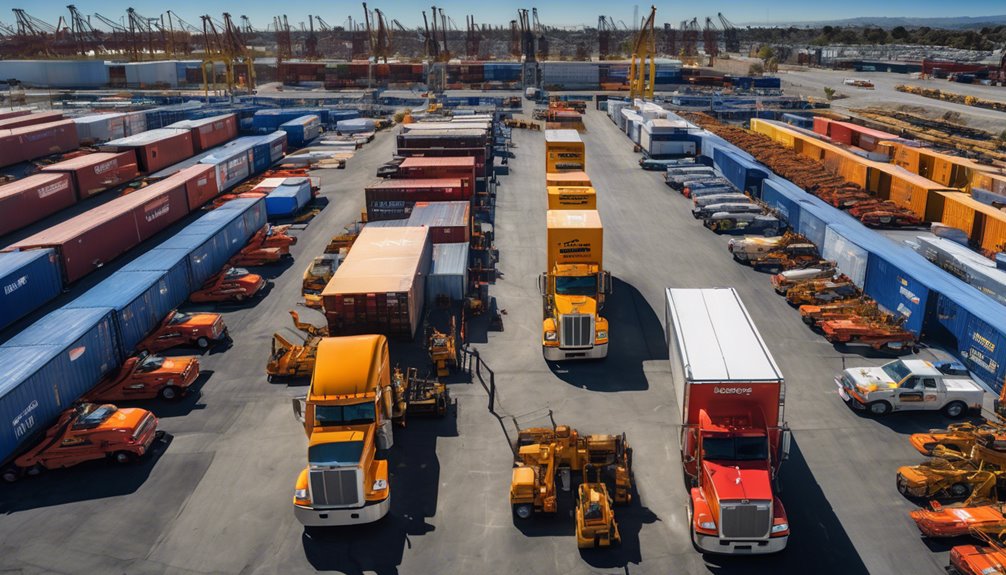
California's Public Utilities Code serves as the backbone for regulating essential services like electricity, gas, water, and transportation within the state.
It's designed to ensure fair practices, safety, and reliability for consumers. When you engage with utility providers, you're directly impacted by this code, which sets the standards for service quality and pricing.
It establishes the framework for how utilities operate and how they interact with their customers, ensuring accountability and transparency. You'll find regulations covering everything from rate-setting procedures to service obligations.
Understanding this code is crucial for anyone involved in or affected by these essential services, as it directly shapes the landscape of utility provision in California. Your awareness can empower you as a consumer and participant in these systems.
Definition of Subhaulers

Subhaulers play a crucial role in the transportation industry by facilitating the movement of goods from one location to another.
Understanding their definition is essential, as it also involves navigating various regulatory compliance requirements.
You'll want to grasp how these factors affect both the subhaulers and the broader logistics framework.
Role in Transportation Industry
In the transportation industry, subhaulers play a crucial role by acting as intermediaries between freight brokers and larger trucking companies. They help streamline logistics, ensuring that freight is moved efficiently and cost-effectively. By utilizing their resources and expertise, subhaulers facilitate the flow of goods across various routes.
Here's what makes them essential:
- They provide flexible transportation solutions.
- They enable smaller carriers to access larger freight opportunities.
- They help manage seasonal surges in demand.
- They allow for quicker response times in logistics.
- They contribute to the overall efficiency of the supply chain.
Subhaulers not only enhance operational capabilities but also create a dynamic network that supports the entire transportation ecosystem.
Regulatory Compliance Requirements
When navigating the complexities of the transportation industry, understanding the regulatory compliance requirements for subhaulers is essential.
Subhaulers must comply with various laws outlined in the Public Utilities Code, which includes obtaining the necessary permits and licenses. You'll need to maintain proper insurance coverage and ensure that your vehicles meet safety standards.
Additionally, it's vital to keep accurate records of your operations and transactions, as regulatory agencies may request them during audits. Compliance with driver qualification standards is also crucial, so ensure that your drivers possess valid licenses and meet training requirements.
Role and Responsibilities of Subhaulers
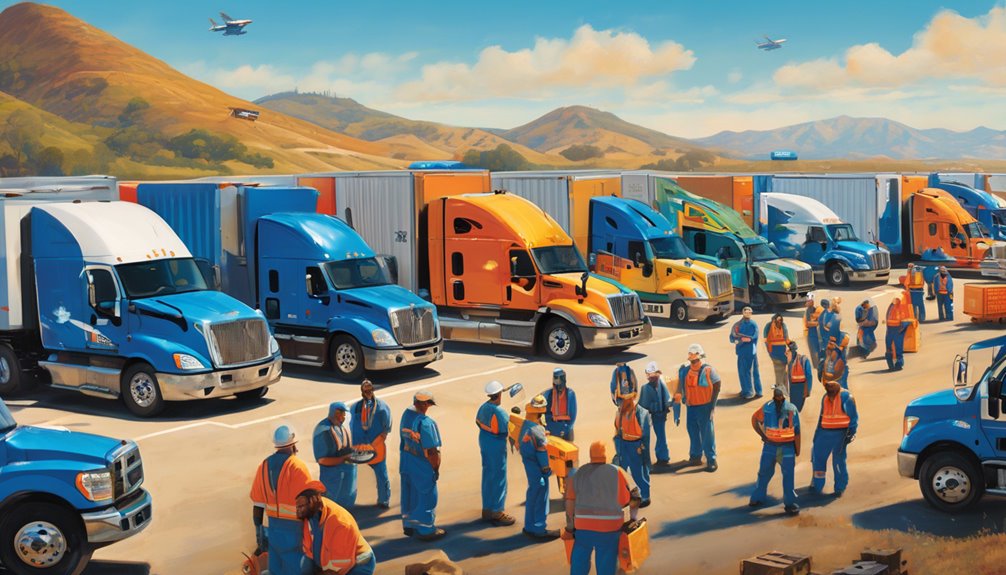
Operating as a vital link in the logistics chain, subhaulers manage the transportation of goods for larger carriers under the guidelines of California's Public Utilities Code.
Your role involves several key responsibilities that ensure smooth operations and compliance.
- Coordinating pick-up and delivery schedules
- Maintaining accurate records of shipments
- Ensuring compliance with safety regulations
- Communicating effectively with carriers and clients
- Managing vehicle maintenance and inspections
Understanding Sub-Subhaulers
When you think about sub-subhaulers, it's important to understand their definition and role in the supply chain.
These entities often work under subhaulers to help move goods while also navigating complex regulatory compliance requirements.
Knowing how they fit into the overall framework can help you grasp the intricacies of California's transportation laws.
Definition and Role
Sub-subhaulers play a crucial role in the transportation of goods within California's complex logistics landscape.
These entities serve as a vital link between primary carriers and the end consumers, ensuring that products reach their destination efficiently. Here are some key aspects of their role:
- They help manage overflow capacity for primary carriers.
- Sub-subhaulers can specialize in specific types of cargo, enhancing service quality.
- They often operate locally, providing flexibility in delivery schedules.
- Their involvement can reduce costs for primary carriers while expanding service offerings.
- Sub-subhaulers play a part in optimizing supply chains by improving delivery routes.
Understanding their function helps you appreciate how interconnected the transportation network truly is.
Regulatory Compliance Requirements
To ensure smooth operations within California's regulatory framework, understanding the compliance requirements for sub-subhaulers is essential.
You'll need to familiarize yourself with the Public Utilities Code, which outlines the necessary permits, licenses, and insurance obligations. Always verify that your sub-subhaulers are registered with the appropriate authorities and maintain valid operating permits.
Additionally, keep accurate records of all transactions and ensure compliance with safety regulations. Regular audits can help identify any gaps in compliance, minimizing potential penalties.
Obligations of Sub-Subhaulers
While navigating the complexities of California's Public Utilities Code, you'll find that sub-subhaulers bear specific obligations that ensure compliance and efficiency within the transportation sector.
Understanding these responsibilities is crucial for maintaining smooth operations. Here's what you need to keep in mind:
- Adhering to licensing and regulatory standards.
- Maintaining accurate records of shipments and transactions.
- Ensuring vehicles meet safety and environmental requirements.
- Reporting any accidents or incidents to the relevant authorities.
- Communicating effectively with both clients and primary haulers.
Lessor-Employees Explained
Understanding the roles within the transportation sector extends beyond sub-subhaulers to include lessor-employees, who play a pivotal role in ensuring operational efficiency.
Lessor-employees typically lease their vehicles to a carrier and provide services under a specified agreement. You might find that they're crucial in maintaining flexibility and scalability within the operations.
By leasing equipment, lessor-employees can respond quickly to fluctuating demands without the burden of ownership costs. This arrangement allows you to focus on operational needs while ensuring vehicles are available when required.
Additionally, lessor-employees often bring specialized skills and knowledge, enhancing the overall performance of the transportation network. Their contributions are vital, as they directly impact service quality and customer satisfaction.
Compliance Requirements for All Parties
Compliance with regulations is essential for all parties involved in the transportation sector, ensuring that operations run smoothly and legally.
To maintain compliance, you need to be aware of several key requirements:
- Obtain necessary permits and licenses.
- Maintain accurate records of all transactions and vehicle maintenance.
- Ensure drivers meet specific qualifications and training standards.
- Adhere to safety regulations and vehicle inspections.
- Follow state and federal wage laws for employees and subcontractors.
Implications for Freight Transportation Operations
Freight transportation operations in California are significantly influenced by the regulations outlined in the Public Utilities Code. These regulations require you to carefully evaluate your relationships with subhaulers and sub-subhaulers.
Ensuring compliance means you must maintain proper documentation and establish clear agreements with all parties involved. You may face increased liability if your subhaulers don't adhere to the regulations, making it crucial to vet their qualifications.
Additionally, the need for transparency in payment structures can impact your financial planning. Understanding your responsibilities can help you avoid penalties and maintain smooth operations.
Future Trends in Regulation and Compliance
As the landscape of freight transportation evolves, staying ahead of future trends in regulation and compliance is essential for operators in California.
You'll need to adapt to emerging guidelines that focus on sustainability, technology, and workforce protection.
Here are key trends to watch:
- Increased scrutiny on subhauler contracts and liabilities
- Stricter emissions regulations impacting fleet operations
- Greater emphasis on driver classification and employee rights
- Adoption of technology for compliance tracking and reporting
- Enhanced training requirements for safety and regulatory practices
Frequently Asked Questions
What Penalties Exist for Non-Compliance With the Public Utilities Code?
If you fail to comply with the public utilities code, you could face significant fines, license suspensions, or even legal action. It's crucial to understand the regulations to avoid these serious penalties.
How Do Subhaulers Obtain Necessary Permits and Licenses?
To obtain necessary permits and licenses, you'll need to research local regulations, complete required applications, provide necessary documentation, and pay any associated fees. Staying informed about compliance requirements is essential for successful operation in this industry.
Are There Specific Insurance Requirements for Subhaulers?
Yes, subhaulers need specific insurance requirements, including liability and cargo insurance. You'll have to ensure you meet the minimum coverage levels set by regulations to protect your business and comply with legal obligations.
Can Subcontractors Work Under Subhaulers Without Authorization?
No, subcontractors can't work under subhaulers without proper authorization. You need to ensure all parties involved have the necessary agreements and permissions to avoid legal complications and ensure compliance with regulations.
What Are the Reporting Requirements for Freight Operations?
You need to report freight operations accurately, including details like cargo type, weight, and destination. Regularly update your records and ensure compliance with local regulations to avoid penalties and maintain operational efficiency.
Conclusion
In conclusion, understanding the roles of subhaulers, sub-subhaulers, and lessor-employees under California's Public Utilities Code is vital for anyone involved in freight transportation. By adhering to regulatory requirements and maintaining high safety standards, you can ensure efficient operations and contribute to a fair logistics environment. As regulations evolve, staying informed will be key to navigating the complexities of the industry and securing a competitive edge in the ever-changing landscape of transportation.