As a dry cleaning business owner in California, understanding the Dry Cleaning Plant Registrant's Bond is essential. This bond not only safeguards your customers but also ensures your compliance with state regulations. It's a critical step in establishing your business's credibility and commitment to ethical practices. Curious about how to obtain this bond and what it entails? Let's explore the key aspects that can impact your operations.
Overview of the Dry Cleaning Plant Registrant's Bond

The Dry Cleaning Plant Registrant's Bond is a crucial requirement for businesses in California's dry cleaning industry. This bond ensures that you comply with state regulations and protect your customers.
By obtaining the bond, you demonstrate your commitment to following environmental laws and maintaining ethical business practices. It acts as a financial safety net, covering any potential claims against your operation due to violations or damages.
When you apply for the bond, you'll need to provide specific information about your business, including your financial standing and operational history. This bond not only helps you gain credibility but also shows your dedication to maintaining high standards in the industry.
Understanding this obligation is essential for the success of your dry cleaning business.
Importance of the Bond in California's Dry Cleaning Industry
While operating a dry cleaning business in California, understanding the importance of the Dry Cleaning Plant Registrant's Bond can significantly impact your success.
This bond serves as a financial safety net, ensuring you meet regulatory obligations and protecting you from potential liabilities. It not only helps you maintain compliance with state laws but also boosts your credibility with customers and suppliers.
When you have this bond in place, it demonstrates your commitment to responsible business practices and environmental stewardship. Moreover, it can provide peace of mind, knowing that you're safeguarded against unforeseen circumstances.
Eligibility Requirements for Obtaining the Bond
To obtain a California Dry Cleaning Plant Registrant's Bond, you need to meet specific eligibility requirements.
This includes understanding the bond amount criteria, having a valid business license, and proving your financial stability.
Fulfilling these conditions is essential to ensure a smooth bonding process.
Bond Amount Criteria
When you apply for a California dry cleaning plant registrant's bond, understanding the bond amount criteria is crucial for ensuring compliance with state regulations.
The bond amount typically reflects the level of your business operations and potential environmental impact. Generally, you'll need to provide a bond ranging from $10,000 to $25,000, depending on your specific circumstances.
Factors like the size of your plant, the volume of solvents used, and your compliance history can influence this amount. To qualify, you must demonstrate financial responsibility and a commitment to adhering to environmental laws.
Business License Necessity
Obtaining a California dry cleaning plant registrant's bond requires more than just meeting bond amount criteria; you also need a valid business license.
Before applying for the bond, make sure you've registered your business with the appropriate local government. This process often involves submitting an application, paying fees, and providing necessary documentation.
Your business license confirms that you're authorized to operate legally in your chosen location. Additionally, ensure that your license is up-to-date and complies with any state or local regulations.
Failing to have a valid business license can delay your bond application or result in rejection. So, take this step seriously to streamline your bonding process and stay compliant with California's regulations.
Financial Stability Proof
Financial stability is a key factor in securing a California dry cleaning plant registrant's bond. To prove your financial stability, you'll typically need to provide documentation like bank statements, tax returns, and profit-and-loss statements.
These documents help demonstrate your ability to meet financial obligations and maintain your business. Lenders and surety companies will assess your creditworthiness, so a good credit score can significantly improve your chances of approval.
Additionally, showing a solid history of paying debts and managing finances responsibly is crucial. Being transparent and organized in your financial records won't only help you obtain the bond but also enhance your credibility in the industry.
Application Process for the Dry Cleaning Plant Registrant's Bond

When you're ready to apply for the Dry Cleaning Plant Registrant's Bond, understanding the application requirements is crucial.
You'll need to follow a specific submission process and keep in mind the steps for renewal and maintenance.
Let's break down what you'll need to do to ensure a smooth application experience.
Bond Application Requirements
How can you ensure your application for a Dry Cleaning Plant Registrant's Bond goes smoothly?
First, gather all necessary documents, including your business license, tax identification number, and proof of insurance.
You'll also need to provide details about your dry cleaning operation, such as the types of solvents used and your facility's location.
Make sure to complete the application form accurately, as any discrepancies can delay the process.
Additionally, check if you need to submit a personal financial statement or credit history, as some surety companies require this to assess your risk profile.
Finally, be prepared to pay the required premium, which may vary based on your business's financial stability and bond amount.
Submission Process Overview
To ensure a seamless submission process for your Dry Cleaning Plant Registrant's Bond, you'll want to follow a structured approach.
Here's what you need to keep in mind:
- Gather Required Documents: Collect all necessary paperwork, including proof of business registration.
- Complete the Application: Fill out the bond application thoroughly, ensuring all details are accurate.
- Choose a Surety: Select a reputable surety company that offers the bond.
- Submit Payment: Pay any required fees associated with the bond application.
- Follow Up: Confirm receipt of your application and check for any additional requirements.
Renewal and Maintenance Steps
After successfully submitting your Dry Cleaning Plant Registrant's Bond application, it's important to stay on top of the renewal and maintenance process.
To ensure your bond remains valid, mark your calendar for renewal deadlines, typically every year. You'll need to submit a renewal application along with any required documentation and fees.
Regularly review your bond's terms to understand any changes in regulations that may affect you. Also, keep communication lines open with your surety provider; they can help clarify any questions.
If your business undergoes significant changes, like ownership shifts or location moves, inform your surety immediately.
Staying proactive in these steps will help maintain compliance and avoid potential issues with your bond.
Financial Implications and Coverage of the Bond

A California dry cleaning plant registrant's bond plays a crucial role in ensuring financial security for both business owners and their clients. This bond protects against potential losses caused by non-compliance with regulations or financial mismanagement.
Here are some key financial implications and coverage aspects:
- Loss Protection: Covers damages or losses resulting from violations.
- Client Trust: Enhances confidence among customers, knowing they're protected.
- Operational Stability: Provides a financial safeguard for your business operations.
- Legal Compliance: Ensures adherence to state laws, minimizing legal risks.
- Claim Assistance: Offers a financial resource in case of claims against your business.
Understanding these implications can help you make informed decisions about securing your bond and protecting your investment.
Regulatory Compliance and Environmental Responsibilities
While navigating the complexities of running a dry cleaning business in California, you must prioritize regulatory compliance and environmental responsibilities. Understanding local, state, and federal regulations is crucial.
You'll need to stay updated on laws governing hazardous waste management, chemical handling, and air quality standards. Implementing proper waste disposal procedures and using eco-friendly solvents can minimize your environmental impact.
Regular training for your staff ensures everyone is aware of safety protocols and compliance requirements. Additionally, keeping meticulous records of your operations can help demonstrate your commitment to regulatory standards.
Consequences of Non-Compliance With Bond Requirements
Failing to comply with bond requirements can lead to serious repercussions for your dry cleaning business.
Not only can it jeopardize your operations, but it can also result in financial and legal trouble.
Here are some potential consequences you might face:
- Fines and Penalties: You could incur hefty fines for non-compliance.
- License Suspension: Your business license may be suspended or revoked.
- Increased Scrutiny: Expect more frequent inspections and audits from regulatory authorities.
- Loss of Customer Trust: Customers may lose confidence in your business's reliability.
- Legal Action: You could face lawsuits from affected parties or the state.
Staying compliant is crucial to maintaining your business's reputation and operational viability.
Renewing and Maintaining Your Dry Cleaning Plant Registrant's Bond
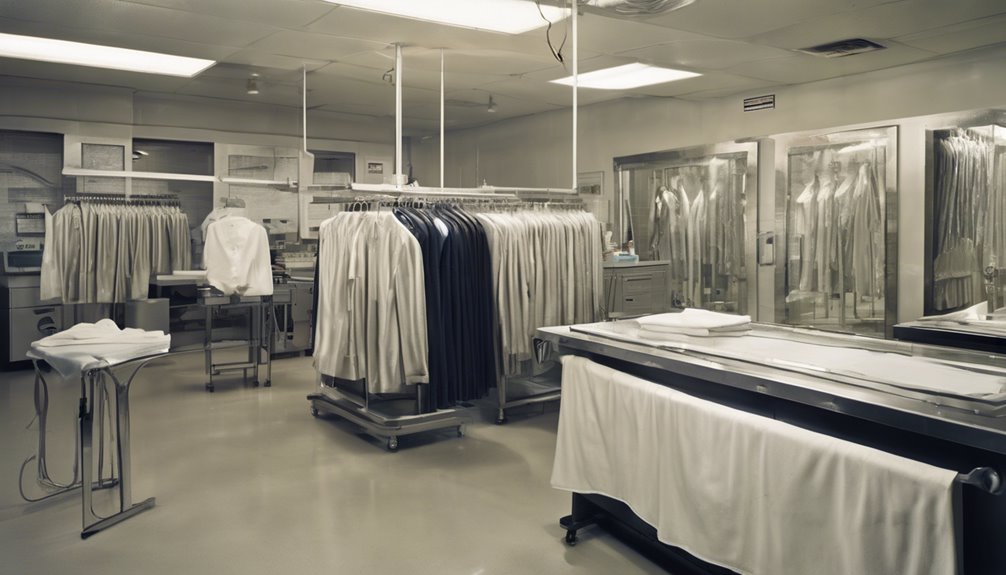
To ensure your dry cleaning business remains compliant and protected, it's essential to stay on top of renewing and maintaining your registrant's bond.
Keep track of your bond's expiration date and set reminders well in advance, so you don't face any lapses. Regularly review the terms of your bond, as requirements may change over time.
If your business circumstances shift, such as changes in ownership or location, update your bond accordingly. Maintain open communication with your bonding company to address any concerns or questions.
Additionally, ensure that any premiums are paid on time to avoid penalties. By proactively managing your bond, you'll help safeguard your business and maintain your good standing in California's regulatory environment.
Resources for Dry Cleaning Business Owners in California

As you navigate the complexities of running a dry cleaning business in California, accessing the right resources can make all the difference.
Here are some essential tools and organizations to help you thrive:
- California Department of Public Health: Stay updated on regulations and safety standards.
- Drycleaning & Laundry Institute: Gain access to industry insights and training programs.
- California Small Business Development Center: Get business advice and support tailored for small businesses.
- Local Chambers of Commerce: Network with other business owners and discover community resources.
- Environmental Protection Agency: Learn about best practices for environmental compliance.
Utilizing these resources can streamline your operations and ensure your business remains competitive and compliant.
Frequently Asked Questions
How Long Does the Bond Remain Valid After Issuance?
Typically, a bond remains valid for a specified term, often one year, after issuance. You should check the specific terms of your bond to understand its duration and any renewal requirements that may apply.
Can I Change My Bond Amount During the Term?
You can change your bond amount during the term, but you'll need to notify your bond provider and possibly meet certain requirements. It's essential to ensure your coverage aligns with your current business needs.
What Happens if My Business Closes?
If your business closes, you'll need to settle any outstanding obligations, including debts and licenses. You may also want to notify relevant authorities and cancel any permits or registrations associated with your business.
Are There Alternatives to Obtaining This Bond?
Yes, you can explore alternatives like self-insurance, obtaining a letter of credit, or seeking a surety bond from a different provider. Each option has its own requirements, so consider what best fits your business needs.
How Do I File a Claim Against the Bond?
To file a claim against the bond, you'll need to gather relevant documentation, contact the bond issuer, and submit your claim form, detailing your losses. Ensure you meet any deadlines specified in your bond agreement.
Conclusion
In summary, obtaining a Dry Cleaning Plant Registrant's Bond is essential for your business in California. It not only ensures compliance with state regulations but also protects your customers and enhances your credibility. By understanding the eligibility requirements and application process, you can navigate the responsibilities that come with this bond. Stay committed to ethical practices and maintain your bond to avoid any legal repercussions—it's a crucial step in securing your business's future and reputation.