Get an Instant Quote on Highway Right of Way Now!

When it comes to the highway right of way in Arkansas, understanding its significance is crucial for anyone involved in land ownership or development. You’ll find that this area isn’t just about roads; it plays a vital role in economic growth and community planning. But what does the acquisition process look like, and what rights do you have as a landowner? Let’s explore these important aspects further.
Overview of Highway Right of Way in Arkansas

When you travel through Arkansas, you mightn’t realize the importance of highway right of way, which defines the land designated for transportation purposes. This area ensures that roads remain accessible and safe for everyone.
The right of way includes not just the roadway itself but also adjacent areas that provide necessary space for drainage, signage, and utilities. In Arkansas, maintaining this right of way is crucial for effective traffic flow and safety.
It prevents encroachments that could hinder transportation infrastructure. Understanding these boundaries helps you appreciate how highways are maintained and improved over time.
Without proper management of right of way, the state’s ability to support growing transportation needs would be severely compromised, affecting your travel experience.
Importance of Right of Way for Community Development

The right of way plays a vital role in community development, as it not only facilitates transportation but also enhances economic growth.
When you invest in right of way projects, you’re creating pathways for businesses and residents alike. These corridors improve access to jobs, services, and amenities, making your community more appealing to newcomers.
Additionally, well-planned right of way areas often lead to increased property values and attract investments. This growth fosters a vibrant local economy, providing more job opportunities and enhancing the overall quality of life.
Legal Framework Governing Right of Way

When it comes to highway right of way in Arkansas, understanding the legal framework is crucial.
You’ll find that statutory regulations set the groundwork for how right of way is managed and acquired.
Let’s break down these regulations and the processes involved in acquiring the necessary land.
Statutory Regulations Overview
While navigating the complexities of highway right of way in Arkansas, it’s essential to understand the statutory regulations that govern this area.
The Arkansas Code outlines various laws that dictate how right of way is defined, used, and maintained. These regulations ensure safety and accessibility for both motorists and pedestrians.
You’ll find specifics on the widths, conditions, and usage of right of way spaces, as well as guidelines for maintaining clear zones. Compliance with these laws is crucial for avoiding potential legal issues and ensuring public safety.
Familiarizing yourself with these regulations can help you effectively manage or navigate any right of way matters you may encounter in your work or daily life.
Acquisition Processes Explained
Understanding the acquisition processes for highway right of way in Arkansas can seem daunting, but it’s crucial for effective project management.
You’ll need to navigate a structured legal framework that involves several key steps. First, identify the necessary land and assess its value. Next, engage with property owners, discussing fair compensation based on appraisals.
If negotiations stall, you may need to pursue condemnation proceedings, which involves the court establishing the right of way. Throughout this process, adhere to state regulations and ensure transparency.
Process for Acquiring Highway Right of Way

Acquiring highway right of way in Arkansas involves several key steps that ensure property owners and the state navigate the process efficiently.
First, you’ll receive notification about the proposed project impacting your property. Next, the state conducts an appraisal to determine fair compensation for the land needed. You’ll have the chance to review this appraisal and negotiate terms if necessary.
Once an agreement is reached, you’ll sign a right-of-way acquisition agreement, allowing the state to proceed. Following this, the state will finalize the acquisition with the proper documentation.
It’s essential to stay informed throughout this process and communicate with state representatives to address any concerns or questions you may have. Your cooperation helps facilitate timely project completion.
Rights and Responsibilities of Landowners

As a landowner affected by highway right of way acquisition in Arkansas, you have specific rights and responsibilities that are crucial to understand.
You’re entitled to fair compensation for your property, which reflects its market value. It’s your responsibility to provide accurate information about your land, ensuring the acquisition process runs smoothly.
You also have the right to contest the proposed acquisition if you believe it’s unjustified or not in the public interest. Additionally, you should stay informed about the project’s timeline and any potential impacts on your property.
Engaging with the acquiring agency can help clarify any concerns you might have. Remember, knowing your rights and responsibilities empowers you during this process.
Impact on Development Projects
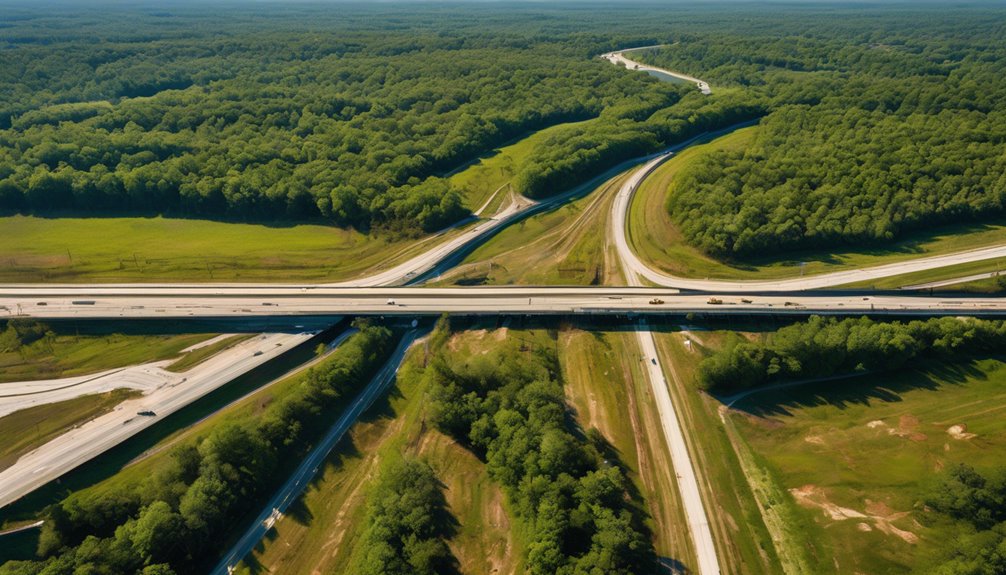
When you’re planning a development project, understanding the permitting and approvals process is crucial.
You’ll also face land acquisition challenges that could impact your timeline and budget.
Navigating these hurdles effectively can make all the difference in your project’s success.
Permitting and Approvals Process
Navigating the permitting and approvals process in Arkansas can significantly impact your development project.
Understanding the steps involved is crucial to avoid delays and ensure compliance. Here are some key points to consider:
- Application timelines: Be aware that processing times can vary, affecting your project schedule.
- Documentation requirements: Ensure you have all necessary documents prepared, as incomplete submissions can lead to rejections.
- Local regulations: Familiarize yourself with city and county regulations that may affect your project, as these can differ from state guidelines.
Land Acquisition Challenges
Securing land for your development project in Arkansas poses unique challenges that can significantly impact timelines and budgets.
You’ll likely encounter issues like lengthy negotiations with landowners, which can stall your progress. Understanding local laws and regulations is crucial, as they can affect your acquisition strategy.
Moreover, you might face environmental assessments that add layers of complexity and delay. It’s also essential to consider community opposition, as public sentiment can influence decisions and prolong the process.
To navigate these challenges, you need a solid plan and possibly seek assistance from experienced professionals who know the local landscape. By anticipating these hurdles, you can better prepare and streamline your development efforts in Arkansas.
Future Trends in Arkansas Highway Infrastructure

As advancements in technology and sustainability shape the future, Arkansas’s highway infrastructure is poised for significant transformation.
You’ll see innovative designs and materials that prioritize efficiency and safety. Here are some trends to watch:
- Smart Traffic Management: Implementing real-time data analytics to optimize traffic flow and reduce congestion.
- Sustainable Materials: Using eco-friendly materials for road construction, minimizing environmental impact.
- Electric Vehicle Charging Stations: Expanding infrastructure to support electric vehicles, making travel more convenient and sustainable.
These trends not only enhance the driving experience but also align with global efforts to promote greener transportation solutions.
Frequently Asked Questions
How Can I Report a Right of Way Obstruction?
To report a right of way obstruction, contact your local authorities or transportation department. Provide clear details about the obstruction’s location and nature, and they’ll investigate it promptly to ensure public safety and accessibility.
Are There Compensation Options for Landowners Affected by Right of Way?
Yes, there’re compensation options for landowners impacted by right of way issues. You can negotiate with the relevant authorities, seek fair market value for your property, or explore any available state or local programs for assistance.
What Types of Structures Are Allowed Within Highway Right of Way?
You can typically place fences, signs, and utility poles within highway right of way, but you’ll need to check local regulations. Always ensure your structures don’t obstruct traffic or violate safety standards.
Who Maintains the Right of Way Area After Acquisition?
After acquisition, you’ll find that maintenance of the right-of-way typically falls to the responsible governmental agency. They ensure the area remains safe, clean, and accessible for public use, handling any necessary repairs or landscaping.
Can I Appeal a Right of Way Decision Affecting My Property?
Yes, you can appeal a right of way decision affecting your property. You’ll need to gather relevant information, follow the proper appeal process, and submit your request within the specified timeframe to ensure your voice is heard.
Conclusion
In conclusion, understanding the highway right of way in Arkansas is vital for both landowners and the state. By grasping the legal framework and your rights, you can navigate the acquisition process more effectively. Remember, your input and accurate information play a crucial role in community development. As Arkansas continues to evolve its infrastructure, staying informed will help you advocate for your interests and contribute to safer, more efficient transportation solutions.