Get an Instant Quote on Transportation Broker Bond Now!

As a transportation broker in Alabama, you’re positioned in a sector that’s both dynamic and challenging. The state’s strategic location and infrastructure offer unique advantages, but fluctuating fuel prices and regulatory pressures are constant hurdles. You’ll need to adapt to emerging trends and technology to maintain your edge. What strategies can you implement to navigate these complexities and seize new opportunities for growth? Let’s explore the current landscape together.
Overview of Transportation Brokerage in Alabama
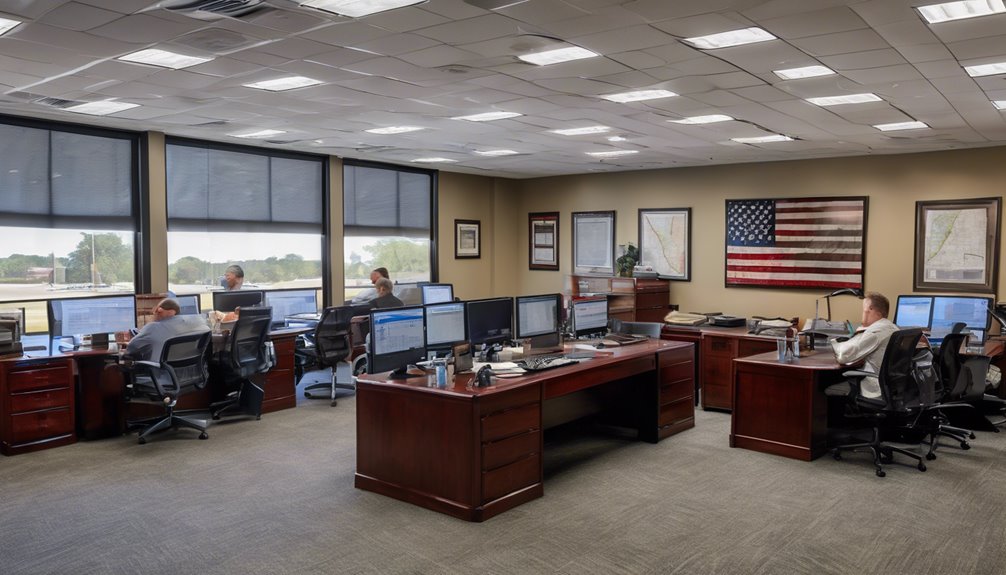
When you think about transportation brokerage in Alabama, it’s essential to understand its vital role in the logistics industry. Transportation brokers act as intermediaries between shippers and carriers, facilitating the movement of goods efficiently.
They leverage their industry knowledge and network to match freight needs with available transport options. By doing so, brokers help streamline operations, minimize delays, and reduce costs for businesses.
In Alabama, the transportation brokerage sector is thriving, supported by the state’s strategic location and robust infrastructure. With a mix of road, rail, and port access, brokers can provide diverse solutions tailored to client needs.
Key Trends Impacting the Industry

As the transportation brokerage industry in Alabama evolves, several key trends are shaping its future.
First, technology adoption is skyrocketing, with brokers leveraging advanced software for route optimization and real-time tracking. This enhances efficiency and customer satisfaction.
Second, sustainability is becoming essential. More companies are prioritizing eco-friendly practices, such as utilizing electric vehicles and optimizing loads to reduce emissions.
Third, the rise of e-commerce is creating greater demand for logistics services, pushing brokers to adapt quickly to fulfill customer needs.
Finally, data analytics is gaining prominence, allowing brokers to make informed decisions based on market trends and consumer behavior.
Challenges Facing Transportation Brokers

Despite the advancements in technology and growing demand, transportation brokers in Alabama face significant challenges that can impact their operations.
One major hurdle is the constant fluctuation in fuel prices, which can affect profitability. Additionally, navigating complex regulations and compliance requirements can be overwhelming, especially for smaller brokers.
You’ll also encounter fierce competition from both established players and new entrants, making it crucial to differentiate your services.
Moreover, managing relationships with carriers and shippers can be tricky, as communication gaps may lead to misunderstandings.
Finally, the ongoing driver shortage adds pressure, as finding reliable transport options becomes increasingly difficult.
Addressing these challenges head-on is essential for maintaining a successful brokerage in this evolving industry.
Opportunities for Growth in the Sector
While challenges abound for transportation brokers in Alabama, numerous opportunities for growth are emerging in the sector.
You can tap into the increasing demand for e-commerce logistics, as more businesses rely on efficient transportation solutions. By investing in technology, like route optimization software and tracking systems, you can streamline operations and improve service.
Building strong partnerships with local carriers can also enhance your network, allowing you to offer more competitive rates. Additionally, expanding your services to include specialized transport, such as refrigerated goods or oversized loads, can attract new clients.
Lastly, focusing on sustainability initiatives can set you apart in a market that increasingly values eco-friendly practices. Embrace these opportunities to position your brokerage for success in a changing landscape.
Regulatory Landscape for Transportation Brokers

Navigating the regulatory landscape for transportation brokers in Alabama can be complex, but understanding the key requirements is essential for your success.
First, you need to obtain a motor carrier authority from the Federal Motor Carrier Safety Administration (FMCSA). This involves applying for a broker’s license and securing a $75,000 bond, which protects clients against financial loss.
Additionally, you must comply with state regulations, including any local licensing requirements. Keep records of your transactions and ensure you’re following all safety and insurance regulations.
Regularly review changes in legislation, as compliance is crucial to avoid penalties. By staying informed and organized, you’ll build a solid foundation for your brokerage and enhance your credibility in the industry.
Technology’s Role in Modern Brokerage

As technology continues to evolve, it plays an increasingly vital role in modern brokerage, streamlining operations and enhancing efficiency.
You’ll find that digital platforms allow for real-time tracking of shipments, improving communication between brokers, carriers, and clients. Automated systems handle paperwork and billing, reducing errors and saving time.
With data analytics, you can make informed decisions, optimize routes, and better manage resources. Mobile applications also empower you to stay connected on the go, ensuring you’re always updated on your operations.
By embracing these advancements, you not only enhance your service but also build stronger relationships with clients and carriers.
In today’s fast-paced market, leveraging technology is essential for staying competitive and meeting customer expectations effectively.
Future Outlook for Alabama’s Transportation Market

With ongoing investments in infrastructure and technology, Alabama’s transportation market is poised for significant growth in the coming years.
You can expect increased efficiency in logistics and reduced transit times as new systems are implemented. The rise of e-commerce will also drive demand for reliable transportation services, creating more opportunities for brokers like you.
As more businesses expand their reach, there’ll be a greater need for innovative solutions in freight management. Embracing technology will help you stay competitive in this evolving landscape.
Moreover, government initiatives aimed at enhancing road networks and public transport will further stimulate growth. By adapting to these changes, you can position yourself advantageously in Alabama’s thriving transportation sector.
Frequently Asked Questions
What Qualifications Are Needed to Become a Transportation Broker in Alabama?
To become a transportation broker, you’ll need a high school diploma, industry experience, and a broker license. Familiarizing yourself with federal regulations and building a network of carriers and shippers is also essential.
How Much Can I Expect to Earn as a Transportation Broker?
As a transportation broker, you can expect to earn between $40,000 and $100,000 annually, depending on your experience, clientele, and market conditions. Your earnings will increase as you build a successful network and reputation.
What Insurance Do Transportation Brokers Need in Alabama?
As a transportation broker, you’ll need general liability insurance and contingent cargo insurance. Additionally, consider errors and omissions coverage to protect against claims resulting from mistakes. Always check local regulations for specific insurance requirements.
How Do I Find Clients as a New Transportation Broker?
To find clients as a new transportation broker, network with industry professionals, leverage social media, attend trade shows, and join relevant associations. You should also create a strong online presence and utilize targeted marketing strategies.
Are There Networking Events for Transportation Brokers in Alabama?
Yes, there are networking events for transportation brokers in Alabama. You can attend industry conferences, local meetups, and trade shows. Joining associations and online groups also helps you connect with potential clients and other brokers.
Conclusion
In conclusion, Alabama’s transportation brokerage sector is poised for growth amidst evolving trends and challenges. By leveraging technology and fostering strong partnerships, you can navigate hurdles like fluctuating fuel prices and regulations effectively. Embracing sustainability practices will not only enhance your competitive edge but also align with market demands. As you adapt to these changes, the future of your brokerage looks promising, ready to capitalize on new opportunities in this dynamic landscape.