Get an Instant Quote on Manufactured Housing Manufacturer/Retailer License and Permit Bond Mobile Home Manufacturer Now!
If you’re looking to enter the manufactured housing market in Alabama, you’ll need to navigate the licensing process carefully. Securing a Manufactured Housing Manufacturer/Retailer License is vital for your business’s credibility and compliance with state regulations. You’ll also need a permit bond to protect consumers and demonstrate financial responsibility. Understanding these requirements can set you on the path to success, but there are specific steps and obligations you should be aware of.
Overview of Manufactured Housing in Alabama
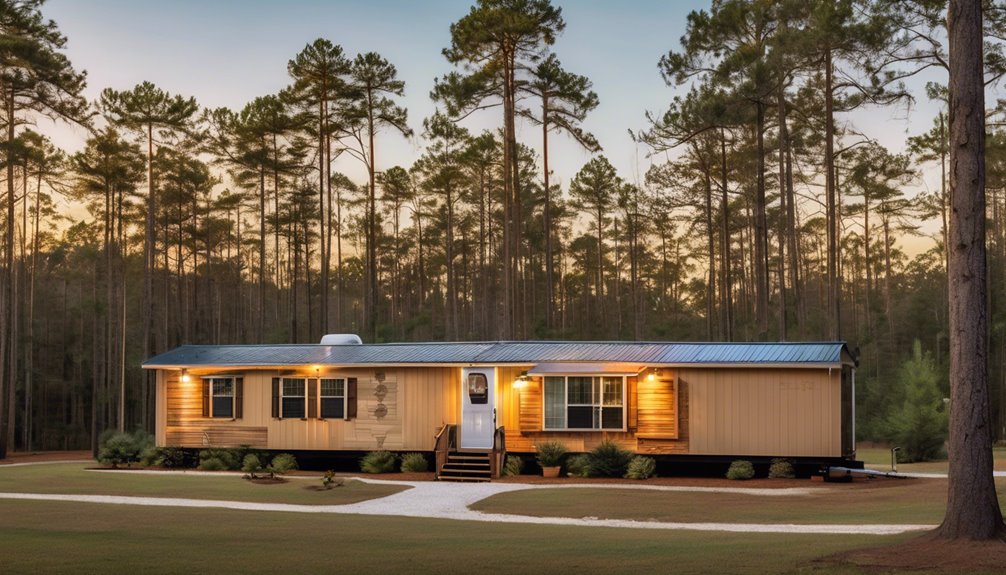
Manufactured housing in Alabama offers an affordable and flexible housing option, especially for those looking to own a home without the high costs associated with traditional construction.
These homes provide you with a quicker path to homeownership, as they often require less time to set up and can be customized to fit your needs. You’ll find a range of styles and sizes, making it easy to find something that suits your lifestyle and budget.
Additionally, many communities support manufactured homes, creating a sense of belonging and community. With lower utility costs and maintenance requirements, manufactured housing can be a practical choice for many.
If you’re considering this option, you’ll appreciate the benefits that come with choosing a manufactured home in Alabama.
Licensing Requirements for Manufacturers and Retailers

In Alabama, anyone looking to engage in the manufacturing or retailing of manufactured homes must meet specific licensing requirements.
First, you’ll need to submit an application to the Alabama Manufactured Housing Commission. This includes providing proof of your business structure, such as an LLC or corporation. You must also demonstrate financial stability and provide a comprehensive business plan.
Additionally, you may be required to pass a background check. Once your application is approved, you’ll need to pay the necessary fees to obtain your license.
Keep in mind that ongoing education may be required to maintain your license. Always stay updated on state regulations to ensure compliance throughout your operations.
The Importance of the Permit Bond
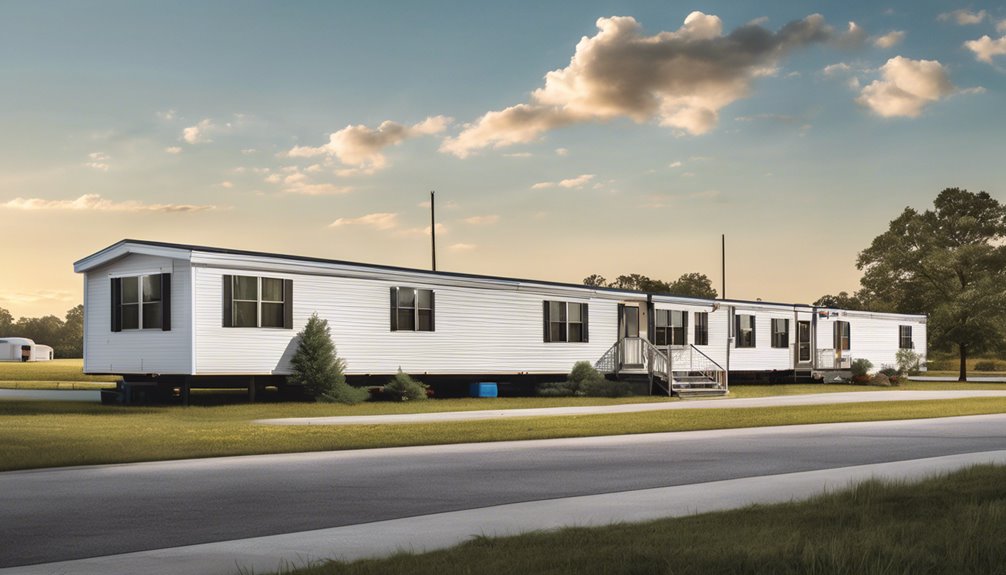
While you may focus on getting your business up and running, securing a permit bond is crucial for your success in the manufactured housing industry. This bond not only demonstrates your commitment to following state regulations but also protects consumers against potential financial losses.
By having this bond in place, you build trust with your customers, showing that you’re serious about your business practices. It also helps you avoid fines or penalties that could arise from non-compliance.
Additionally, many lenders and suppliers may require a permit bond before they’re willing to work with you, impacting your ability to operate smoothly. Ultimately, a permit bond is an essential safeguard for your business reputation and financial stability.
Application Process for the License and Bond

Navigating the application process for your Alabama manufactured housing license and permit bond can seem daunting, but breaking it down into manageable steps makes it much easier.
First, gather all necessary documents, including proof of business registration and financial statements.
Next, complete the application form provided by the Alabama Manufactured Housing Commission, ensuring all information is accurate.
After that, prepare to submit your application along with the required fees. It’s crucial to include your bond as part of this submission, so ensure it’s obtained from a licensed surety company.
Once you’ve submitted everything, keep an eye on any additional requests from the Commission.
Finally, patiently wait for your application to be processed and approved. Good luck!
Compliance and Regulatory Obligations
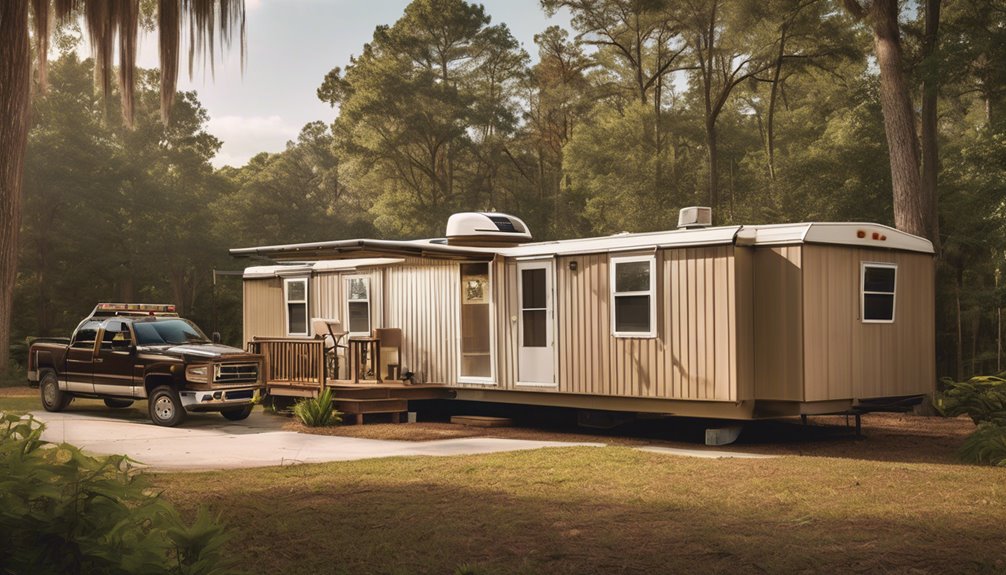
When operating in Alabama’s manufactured housing industry, you need to understand your compliance and regulatory obligations.
This includes knowing the licensing requirements, securing the necessary bonds and insurance, and following inspection procedures.
Staying informed about these points ensures you maintain legal standing and protect your business.
Licensing Requirements Overview
Obtaining the proper licensing for manufactured housing in Alabama is essential for compliance with state regulations.
You’ll need to apply for a manufacturer or retailer license through the Alabama Department of Economic and Community Affairs (ADECA). This process involves submitting necessary documentation, including proof of business structure, financial statements, and background checks. You’ll also need to pay applicable fees.
Understanding local zoning laws and building codes is crucial, as these can vary by county or municipality.
Once licensed, you must maintain good standing by renewing your license periodically and adhering to all operational regulations. Staying informed about any changes in the law will help you avoid penalties and ensure your business runs smoothly.
Bonding and Insurance Necessities
To comply with Alabama’s regulations for manufactured housing, you’ll need to secure both a license and the appropriate bonds and insurance.
The bond acts as a financial guarantee, ensuring you’ll fulfill your obligations to customers and the state. It’s crucial to select a bond amount that meets Alabama’s requirements and reflects the scope of your business.
Additionally, obtaining liability insurance is essential to protect yourself from potential claims or damages arising from your operations.
This insurance not only provides peace of mind but also demonstrates your commitment to professionalism and compliance.
Together, these bonding and insurance measures form a vital part of your regulatory obligations, safeguarding both your business and your customers.
Compliance Inspection Procedures
Compliance inspections are a critical aspect of maintaining your manufactured housing business in Alabama. These inspections ensure that your operations align with state regulations, protecting both you and your customers.
You’ll need to prepare for these inspections by keeping all records, permits, and licenses up to date. Make sure your manufactured homes meet safety and quality standards; this can include checking construction materials and installation processes.
During the inspection, be ready to answer questions and provide access to your facilities. If any issues arise, address them promptly to avoid penalties.
Staying proactive with compliance won’t only help you pass inspections but also build trust with your customers and enhance your business reputation.
Consequences of Non-Compliance

If you don’t comply with Alabama’s manufactured housing regulations, you could face serious legal penalties and fines.
This non-compliance can also tarnish your business reputation, making it harder to attract customers.
Staying informed and adhering to the rules is crucial for your success.
Legal Penalties and Fines
Failing to comply with Alabama’s manufactured housing licensing requirements can lead to significant legal penalties and fines. You might face hefty monetary fines that can accumulate quickly, especially for repeated violations.
Additionally, the Alabama Housing Finance Authority may impose strict penalties, including suspension or revocation of your license, which can halt your operations entirely. You could also be liable for any damages caused by your non-compliance, leading to even more financial burdens.
It’s crucial to understand that ignoring these regulations doesn’t just affect your wallet; it could also bring about legal action against you. Staying informed and compliant with all licensing laws is essential to avoid these serious repercussions and keep your business running smoothly.
Business Reputation Damage
Reputation is everything in the manufactured housing industry, and non-compliance with Alabama’s licensing laws can severely tarnish yours.
When you fail to meet these regulations, you risk losing trust from customers and partners. People talk, and negative experiences spread like wildfire; potential clients might steer clear of your business.
You may also encounter difficulties securing future contracts, as other companies may hesitate to work with someone who isn’t compliant.
Moreover, your online presence can suffer. Bad reviews and complaints can dominate search results, making it hard to attract new clients.
Ultimately, protecting your reputation requires a commitment to compliance. Stay informed, follow the rules, and keep your business’s reputation intact.
Your success depends on it.
Frequently Asked Questions
What Are the Fees Associated With Obtaining the License and Bond?
When you’re looking to obtain a license and bond, you should expect various fees. These can include application fees, bonding costs, and any additional processing fees, all of which can vary based on your location.
How Long Does It Take to Process the License Application?
It typically takes several weeks to process your license application. The exact timeframe can vary based on the completeness of your submission and any additional requirements, so ensure you provide all necessary documentation to avoid delays.
Can I Transfer My License to Another Manufacturer or Retailer?
You can’t directly transfer your license to another manufacturer or retailer. Instead, you’ll need to surrender your current license and have the new manufacturer or retailer apply for their own license. Always check local regulations for specifics.
Are There Specific Training Requirements for Employees in This Industry?
Yes, there are specific training requirements for employees in the manufactured housing industry. You’ll need to ensure your team understands safety protocols, installation procedures, and compliance with regulations to maintain quality and customer satisfaction.
What Resources Are Available for Ongoing Compliance Assistance?
You can access various resources for ongoing compliance assistance, including industry associations, online training programs, regulatory websites, and local workshops. These tools help you stay updated on regulations and best practices in your field.
Conclusion
In summary, if you’re looking to operate in Alabama’s manufactured housing industry, securing your Manufacturer/Retailer License and permit bond is crucial. These steps not only ensure you’re compliant with state regulations, but they also protect your customers and bolster your business reputation. By following the outlined requirements and maintaining compliance, you’ll set yourself up for long-term success in this competitive market. Don’t overlook these vital components; they’re key to thriving in the manufactured housing sector.