If you're planning a project that involves public land in Sacramento County, understanding the Encroachment Permit Bond is crucial. This bond not only ensures compliance with local regulations but also protects you from potential liabilities that could arise during your project. You'll want to explore the specific requirements and processes involved, as even minor oversights can lead to complications. Curious about how to navigate these intricacies effectively? There are several key aspects that can significantly impact your experience.
What Is an Encroachment Permit Bond?
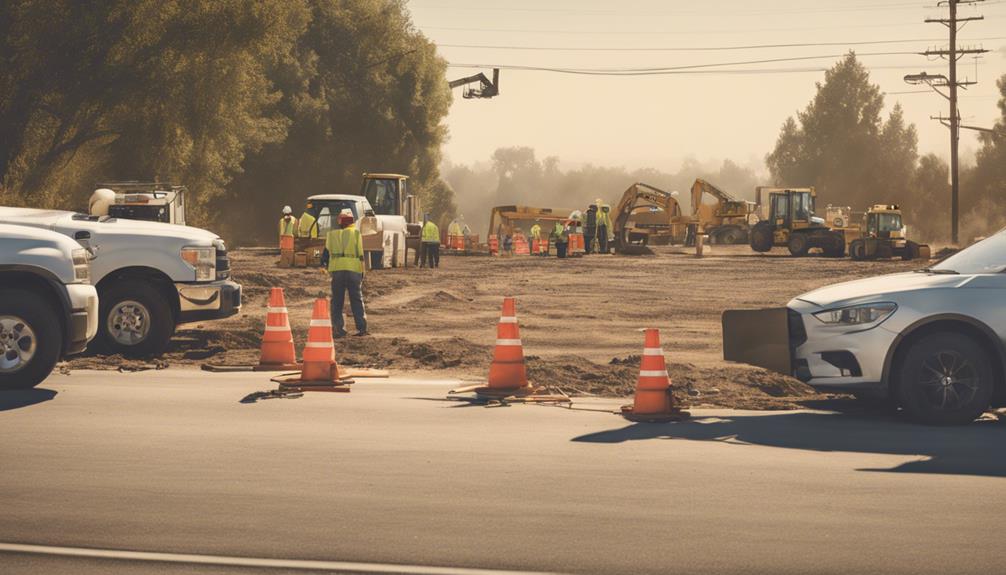
An encroachment permit bond is a financial guarantee that you might need when planning to use public land for private purposes, like building a fence or installing utilities. This bond ensures that you'll comply with local regulations and restore the public land to its original condition once your project is complete.
When you apply for an encroachment permit, the bond acts as a safety net for the county, ensuring that any potential damages or violations won't be left unaddressed. If you fail to meet the conditions of your permit or cause damage to the public land, the county can claim against the bond to recover costs associated with repairs or compliance.
To secure an encroachment permit bond, you typically have to work with a bonding company that assesses your project and financial standing. The bond amount can vary based on the nature of your project and local regulations.
Importance of the Bond
Understanding the importance of an encroachment permit bond can save you time, money, and headaches down the road. This bond acts as a safety net, ensuring that you comply with local regulations when working on or near public property. If you fail to meet these requirements, the bond guarantees that any damages or violations can be addressed without burdening the local government or affecting your project.
By securing an encroachment permit bond, you're not only protecting yourself but also fostering a positive relationship with local authorities. It shows that you're serious about following the rules, which can lead to smoother project approvals. Without this bond, you risk facing potential fines or delays that can derail your plans and inflate costs.
Additionally, should any issues arise during your project, the bond can cover the costs of repairs or penalties, reducing your financial exposure. This way, you can focus on completing your project without worrying about unexpected expenses.
Ultimately, having an encroachment permit bond is a smart investment that safeguards your interests and ensures compliance with local regulations. It's a crucial step in navigating the complexities of construction and development in Sacramento County.
Types of Encroachment Permits

When planning your project, it's important to know the different types of encroachment permits available in Sacramento County. Understanding these permits will help you navigate the process smoothly and ensure compliance with local regulations.
One common type is the Construction Encroachment Permit, which you'll need if your project involves construction work that encroaches on public property. This can include sidewalks, streets, or utility easements.
Another type is the Temporary Encroachment Permit. If your project requires temporary use of public space, like staging or equipment storage, this permit is essential. It typically has a time limit and specific conditions you must follow.
You might also encounter Utility Encroachment Permits. These are necessary for utility companies or contractors laying lines, installing poles, or performing maintenance within public right-of-ways.
Lastly, there's the Landscape Encroachment Permit for projects that involve planting or landscaping on public land.
Each permit type has unique requirements and processes, so it's crucial to identify which one applies to your project. By doing so, you'll help ensure your project proceeds without unnecessary delays.
Eligibility Requirements
Before you apply for an encroachment permit in Sacramento County, it's essential to know if you meet the eligibility requirements.
To start, you must be the property owner or have the owner's authorization for the proposed work. This ensures that you're responsible for the area you'll be working in.
Your planned work should also comply with local, state, and federal regulations. If your project involves construction or alterations that may impact public rights-of-way, you'll need to demonstrate that your plans adhere to these guidelines.
Additionally, you might need to provide proof of any necessary licenses or permits related to the work being proposed. For specific projects, you may be required to submit plans prepared by a licensed professional. This ensures that all work meets safety and quality standards.
Lastly, be prepared to pay any associated fees. These can vary based on the type of encroachment and the complexity of the project.
Meeting these eligibility requirements will streamline your application process and help you avoid unnecessary delays. Always check with the Sacramento County Public Works Department for the most current guidelines.
Application Process

The application process for an encroachment permit in Sacramento County involves several key steps to ensure your project gets approved smoothly.
First, you'll need to gather all necessary documentation, including detailed plans of your proposed encroachment. This can include site plans, maps, and any other relevant information that clearly outlines your project.
Next, you'll fill out the application form, which can usually be found on the Sacramento County website. Make sure you provide accurate information and answer all questions thoroughly to avoid delays.
Once your application is complete, submit it along with any required attachments to the appropriate county department.
After submission, your application will be reviewed by county officials. They may reach out for additional information or clarification, so be prepared to respond promptly.
If your project requires public notification, you may need to notify neighboring property owners about your plans.
Once your application is approved, you'll receive your encroachment permit. Be sure to keep a copy on-site during your project.
Following these steps will help you navigate the application process efficiently and set the stage for a successful project.
Costs and Fees Associated
Understanding the costs and fees associated with obtaining an encroachment permit in Sacramento County is crucial for budgeting your project effectively. The fees can vary depending on several factors, including the scope of your project and the specific location of your encroachment. Typically, you'll need to pay an application fee, which may range from a few hundred to several thousand dollars.
In addition to the application fee, you might also incur costs for inspections, which are necessary to ensure compliance with local regulations. These inspection fees can add up, so it's wise to factor them into your budget.
Furthermore, if your project requires additional permits or approvals, those will come with their own fees as well.
Don't forget to consider the cost of the encroachment bond, which is often a requirement for securing your permit. This bond serves as a financial guarantee that you'll adhere to the terms of your permit and complete your work to code.
Duration and Renewal

When you apply for an encroachment permit in Sacramento County, it's essential to know how long the permit lasts and what's involved in renewing it. Typically, an encroachment permit is valid for a specific duration, often up to one year from the date of issuance. However, this can vary based on the type of work being performed, so it's crucial to check the exact terms outlined in your permit.
As the expiration date approaches, you'll need to consider renewal options. To renew your permit, you usually have to submit a renewal application before the current permit expires. This might involve a review process to ensure compliance with any updated regulations or conditions.
It's wise to start the renewal process early, allowing enough time for any potential adjustments or approvals. In some cases, you may also need to pay a renewal fee.
Keep all relevant documentation handy, including your original permit and any correspondence with the county. Staying proactive about your permit's duration and renewal can help you avoid interruptions in your project and ensure that you comply with local regulations.
Common Mistakes to Avoid
Renewing your encroachment permit can be straightforward, but several common mistakes can complicate the process.
First, don't overlook the expiration date. Waiting until the last minute can lead to delays and potential fines. Make sure you know when your permit expires and start the renewal process early.
Next, avoid submitting incomplete applications. Double-check that you've included all required documents, such as proof of insurance and your encroachment permit bond. Missing paperwork can stall your renewal.
Another mistake is failing to communicate with local authorities. If you have questions or need clarification on requirements, reach out. Ignoring guidelines can lead to costly errors.
It's also essential to keep your contact information up to date. If the county needs to reach you regarding your permit, you don't want to miss important notifications.
Lastly, don't forget to review any changes in local regulations that might affect your permit. Laws and requirements can change, and staying informed will help you avoid unnecessary complications.
Legal Implications

Neglecting the legal implications of your encroachment permit can lead to serious consequences. If you bypass regulations or fail to secure the necessary permits, you could face hefty fines or even legal action from the county. This not only impacts your financial standing but can also stall your project significantly. You might be forced to remove any unauthorized work, resulting in additional costs and delays.
Moreover, failing to comply with local ordinances can create liability issues. If your encroachment causes damage to public or private property, you could be held responsible for repairs or compensation. This liability can extend to third parties, potentially leading to lawsuits, which can drain your resources and time.
It's crucial to understand that the encroachment permit process is designed to protect both public safety and property rights. Ignoring these legal frameworks undermines these protections and can jeopardize your project's viability.
Always ensure you're informed about the specific requirements and obligations tied to your encroachment permit to avoid these legal pitfalls. By being proactive, you can safeguard your interests and ensure a smoother project execution.
Resources for Further Assistance
Understanding the legal implications of your encroachment permit is just the first step in ensuring your project's success. To navigate the complexities of the permitting process and bond requirements, you've got several resources at your disposal.
Start by visiting the Sacramento County Public Works website. They offer comprehensive guidelines, application forms, and contact details for staff who can answer your specific questions. If you prefer speaking to someone directly, don't hesitate to call their office. The staff is usually more than willing to help clarify any doubts you may have.
Additionally, consider reaching out to a local attorney specializing in construction or land use. Their expertise can provide you with tailored advice and ensure you comply with all regulations.
Networking with local contractors or developers can also be beneficial, as they often have firsthand experience with the encroachment permit process.
Lastly, online forums and community groups can be excellent resources. They provide platforms for sharing experiences, tips, and best practices.
Conclusion
In summary, securing a Sacramento County Encroachment Permit Bond is essential for anyone planning to work on public land. It not only ensures compliance with local regulations but also protects you from potential financial risks and reinforces your relationship with local authorities. By understanding the bond's importance and following the application process carefully, you can successfully navigate your project while safeguarding both your interests and public property. Don't overlook this crucial step in your planning!