Get an Instant Quote on Public Right Of Way Contractor License/Performance Bond Now!

If you’re involved in public infrastructure projects, understanding the Right of Way (ROW) contractor license and performance bond is crucial. These elements not only ensure legal compliance but also safeguard your reputation. By securing these credentials, you can enhance your credibility with clients. But what does the licensing process involve, and how do performance bonds work? Let’s explore these key aspects and their implications for your projects.
Understanding Right of Way (ROW) Work

Right of Way (ROW) work involves managing and maintaining land for public infrastructure, like roads and utilities.
You’re responsible for ensuring that these areas are clear and accessible, which often includes negotiating land use, acquiring easements, and working with various stakeholders. This process requires careful planning to minimize disruption to both the land and the public.
You’ll deal with environmental assessments, right of way surveys, and potential relocation of utilities. Communication is key, as you’ll need to collaborate with local governments, property owners, and contractors.
Understanding regulations and legal requirements is crucial to navigate the complexities of ROW work efficiently.
Ultimately, your efforts ensure that essential services continue to function smoothly and safely for the community.
The Importance of a ROW Contractor License

Having a ROW contractor license isn’t just a formality; it’s essential for legal compliance in your projects.
Without it, you risk facing significant penalties and losing credibility with clients and stakeholders.
A valid license not only protects you but also enhances the trustworthiness of your work.
Legal Compliance Necessity
Securing a Right of Way (ROW) contractor license is crucial for anyone operating in this field, as it ensures compliance with local laws and regulations. Without this license, you risk facing legal penalties, fines, and even project shutdowns.
It’s not just about following the rules; it’s about protecting your business and reputation. A ROW contractor license demonstrates your commitment to safety and quality, making it easier to navigate the complexities of public works projects.
Additionally, being licensed can streamline the permitting process, saving you time and resources. Ultimately, compliance isn’t just a legal obligation—it’s a vital step in establishing trust with clients and stakeholders.
Enhanced Project Credibility
Obtaining a ROW contractor license can significantly boost your project’s credibility in the eyes of clients and stakeholders. When you hold this license, it signals your commitment to professionalism and adherence to industry standards.
Clients feel more secure knowing that you’ve met the necessary qualifications and regulations, which can lead to increased trust and confidence in your work. Moreover, a licensed contractor is more likely to attract larger projects and partnerships, as it demonstrates reliability and accountability.
This credibility can set you apart from competitors who lack proper licensing, making you a preferred choice for clients. Ultimately, having a ROW contractor license positions you as a leader in the field, enhancing your reputation and opportunities for success.
Navigating the Licensing Process

Navigating the licensing process for a Right of Way Contractor License can seem overwhelming, but it doesn’t have to be.
You’ll want to start by familiarizing yourself with the specific licensing requirements and then follow the application steps carefully.
Understanding these key points will set you up for success as you move forward.
Licensing Requirements Overview
When you decide to pursue a right of way contractor license, understanding the licensing requirements is crucial. These requirements vary by state, but they often include several key elements. Knowing what’s needed can streamline your path to certification.
- Proof of relevant experience or education
- A clean criminal background check
- Completion of a licensing application
- Payment of applicable fees
- Obtaining a performance bond or insurance
Being prepared with this information will save you time and effort during the application process.
Make sure you research your state’s specific regulations to ensure you meet all necessary criteria. Familiarizing yourself with these requirements will set a solid foundation for your licensing journey.
Application Steps Explained
Before you dive into the application process for your right of way contractor license, it’s essential to understand each step clearly.
First, gather all required documents, including proof of experience and any relevant certifications. Next, complete the application form accurately, paying close attention to details.
Once you’ve submitted your application, be prepared to pay any associated fees. After that, you may need to pass a background check or an examination, depending on your state’s requirements.
Finally, once approved, you’ll receive your license, allowing you to operate legally.
Performance Bonds: What You Need to Know
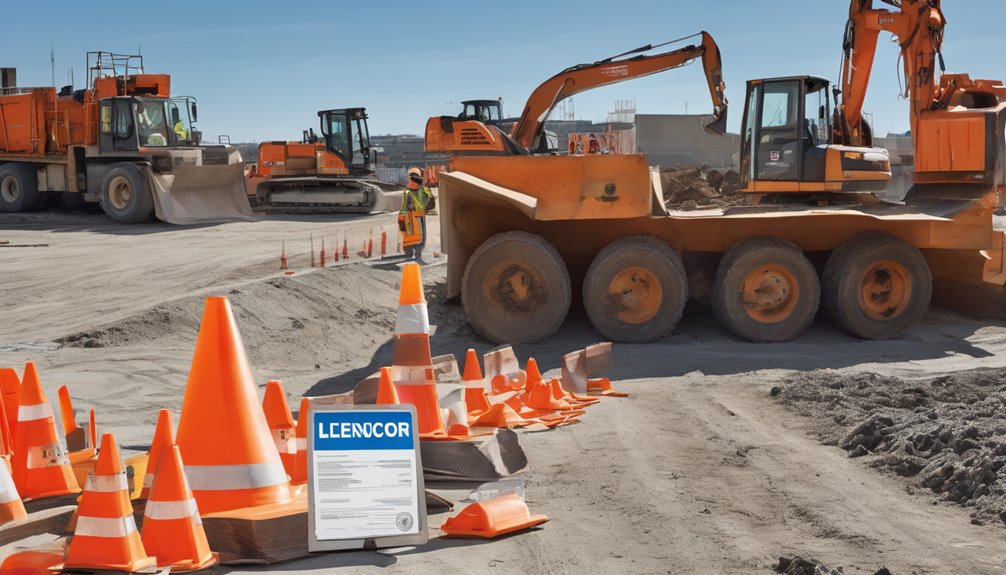
Have you ever wondered how performance bonds can protect both contractors and clients in the construction industry?
These bonds serve as a financial guarantee that a contractor will fulfill their obligations according to the contract. If they fail to do so, the bond provides compensation to the client.
Here’s what you need to know about performance bonds:
- They ensure project completion on time.
- They cover financial losses due to contractor default.
- They promote trust between parties involved.
- They can improve your chances of winning contracts.
- They often require a premium payment based on the contract amount.
Understanding these key aspects of performance bonds can help you navigate the construction landscape more effectively and secure your projects with confidence.
The Benefits of Performance Bonding

Performance bonding offers numerous advantages that can significantly impact your construction projects.
First, it provides a safety net for both you and your clients, ensuring that you’ll fulfill your contractual obligations. If something goes wrong, the bond guarantees financial protection, which can enhance your reputation and build trust with clients.
Additionally, having a performance bond can differentiate you from competitors, giving you an edge in securing contracts. It also streamlines project financing, as lenders often prefer working with bonded contractors.
Lastly, performance bonding can encourage better project management and accountability, motivating you to maintain high standards throughout the project.
Compliance and Best Practices for ROW Projects

Ensuring compliance with regulations and best practices is crucial for the success of Right of Way (ROW) projects. By adhering to these standards, you not only protect your interests but also contribute to the project’s overall efficiency and safety.
Here are some key practices to follow:
- Conduct thorough site assessments before beginning work.
- Maintain open communication with stakeholders and the community.
- Follow environmental regulations to minimize impact.
- Keep accurate records of all project activities and changes.
- Regularly train your team on compliance requirements and safety protocols.
Frequently Asked Questions
What Is the Typical Duration of a ROW Contractor License?
The typical duration of a contractor license varies by state, but it’s usually valid for one to three years. You’ll need to renew it periodically to maintain compliance with local regulations and standards.
Can I Transfer My ROW Contractor License to Another State?
You can’t directly transfer your contractor license to another state. Each state has its own licensing requirements. You’ll need to apply for a new license and may have to meet specific criteria or exams.
What Are the Costs Associated With Obtaining a Performance Bond?
Obtaining a performance bond typically involves costs like the bond premium, which usually ranges from 1% to 15% of the bond amount, along with potential fees for application and underwriting. It’s best to compare providers.
How Often Should I Renew My ROW Contractor License?
You should renew your contractor license every year to stay compliant with regulations. Check your local requirements, as some areas may have different renewal schedules. Staying updated helps maintain your business reputation and operational ability.
Are There Specific Insurance Requirements for ROW Contractors?
Yes, there are specific insurance requirements for contractors. You’ll likely need general liability insurance, workers’ compensation, and possibly additional coverage depending on your location and the nature of your projects. Always check local regulations for specifics.
Conclusion
In conclusion, securing a Right of Way contractor license and performance bond is crucial for your success in public infrastructure projects. These credentials not only ensure legal compliance but also build trust with clients and stakeholders. By adhering to best practices and prioritizing safety and quality, you’ll streamline project execution and mitigate risks. Embracing these elements will enhance your credibility and set you up for long-term success in the ROW industry.