Get an Instant Quote on Right of Way City Performance And Maintenance Bond (ROW General/Sidewalk/Paving Excavation) Now!

If you’re planning a construction project in Aurora, Illinois, understanding the Right of Way Performance and Maintenance Bond is crucial. This bond ensures that your work complies with local regulations and maintains public safety throughout the excavation process. But what exactly does securing this bond entail, and how does it affect your responsibilities as a contractor? Let’s explore the key aspects you need to know.
Overview of the Right of Way Performance and Maintenance Bond
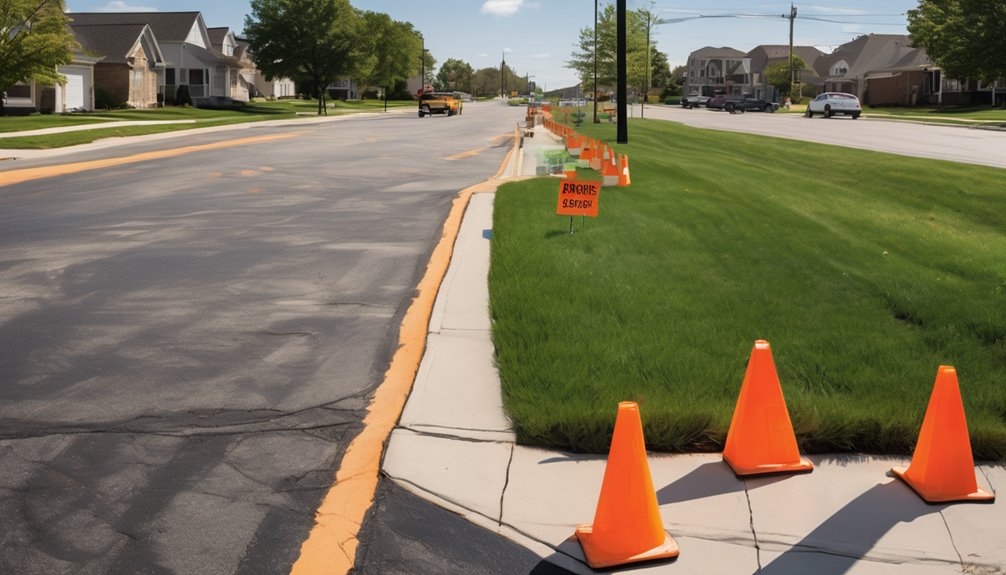
When you’re planning a project that affects the right of way in Aurora, Illinois, understanding the Right of Way Performance and Maintenance Bond is crucial.
This bond serves as a financial guarantee that you’ll adhere to local regulations and maintain the integrity of the right of way during and after your project. It ensures that any damage caused by your work is repaired, safeguarding public access and safety.
By securing this bond, you’re showing your commitment to responsible project management and community standards. Additionally, it can help streamline the permitting process, as city officials often require proof of the bond before granting approvals.
In short, it’s an essential step in protecting both your investment and the community’s interests.
Key Requirements for Obtaining a ROW Bond
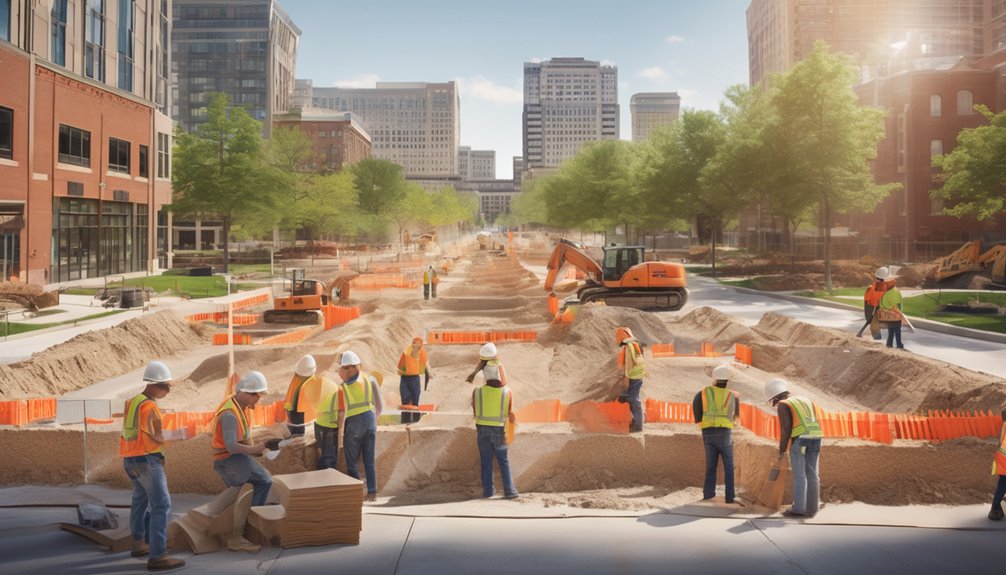
To obtain a Right of Way (ROW) bond in Aurora, you’ll need to meet several key requirements set by the city.
First, you’ll have to submit a completed application form, which details your project and compliance with local regulations.
Next, you’ll need to provide proof of insurance that meets the city’s standards, ensuring coverage for potential damages or liabilities.
Lastly, securing a financial guarantee is essential, which could be a cash deposit or a surety bond.
- Complete the application form detailing your project.
- Provide proof of insurance meeting city standards.
- Secure a financial guarantee, like a cash deposit or surety bond.
Types of Excavations Covered by the ROW Bond
When you’re planning an excavation in Aurora, it’s crucial to understand the types covered by the ROW bond.
This includes sidewalk excavation guidelines, paving project requirements, and general excavation procedures.
Knowing these specifics can help ensure your project runs smoothly and complies with local regulations.
Sidewalk Excavation Guidelines
Understanding the sidewalk excavation guidelines is essential for anyone planning to undertake work in the City of Aurora.
These guidelines ensure safety and compliance with local regulations, helping you avoid potential fines or delays.
Here are key points to keep in mind:
- Permits Required: You must obtain the necessary permits before starting any sidewalk excavation work.
- Location Marking: Clearly mark the excavation area to inform pedestrians and comply with safety standards.
- Restoration Obligations: After completing your work, you’re responsible for restoring the sidewalk to its original condition, including proper backfilling and surface repaving.
Paving Project Requirements
Before starting a paving project in the City of Aurora, it’s crucial to know which types of excavations are covered by the Right of Way (ROW) bond.
The ROW bond typically covers excavations related to street paving, curb installation, and driveway approaches. If you’re planning to dig for utility repairs or installations, those activities may also fall under this bond.
Remember, any excavation that impacts public right-of-way or infrastructure requires adherence to these guidelines.
Make sure to evaluate your project scope and confirm that all necessary types of excavation are included in your bond application. This way, you’ll ensure compliance and avoid potential fines or delays.
Knowing these requirements upfront can save you time and hassle down the road.
General Excavation Procedures
Excavations covered by the Right of Way (ROW) bond in Aurora include various types of work that affect public infrastructure.
Understanding these procedures is crucial for ensuring compliance and safety during your projects.
Here are the main types of excavations you should be aware of:
- Utility Excavations: These involve digging to install, repair, or maintain underground utilities such as water, gas, or electricity.
- Sidewalk and Curb Excavations: Necessary for the construction or repair of pedestrian pathways and curbs, ensuring safe access for the public.
- Roadway Excavations: Required for resurfacing or repairing existing roads, which helps maintain the integrity of transportation routes.
Financial Implications of the ROW Bond
The financial implications of the Right of Way (ROW) bond can significantly impact the City of Aurora’s budget and future development projects. When you invest in a ROW bond, you’re essentially ensuring that funds are available for necessary repairs and maintenance. This can lead to improved infrastructure, potentially increasing property values and attracting new businesses.
However, if the costs of these projects exceed what’s anticipated, it could strain the city’s finances. You also need to consider the potential for claims against the bond, which can further affect budget allocations.
Understanding these financial dynamics is crucial for effective planning and resource management, ensuring that the city remains financially stable while pursuing growth and development initiatives.
Responsibilities of Contractors Under the ROW Bond
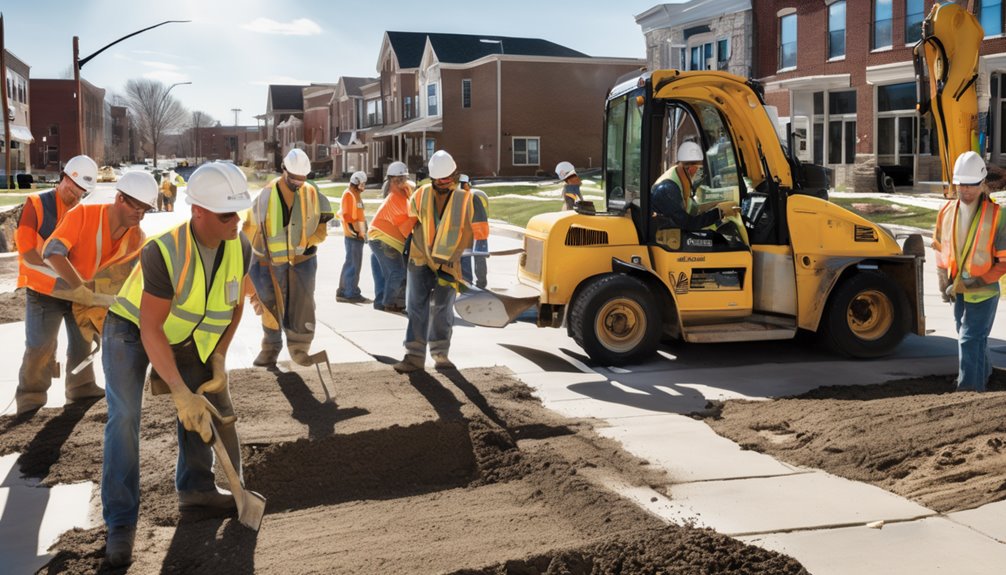
Understanding the financial implications of the ROW bond also involves recognizing the responsibilities of contractors involved in these projects.
As a contractor, you’re accountable for ensuring that all work complies with city regulations and standards. This means you must complete projects on time and maintain the quality of your work throughout the duration of the bond.
Your key responsibilities include:
- Adhering to safety regulations: Ensure that all safety measures are in place to protect workers and the public.
- Restoring the right of way: You must restore any disturbed areas to their original condition or better after completing the work.
- Addressing any defects: If issues arise within the warranty period, you’re responsible for promptly fixing them at no additional cost to the city.
The Impact of ROW Bonds on Community Safety
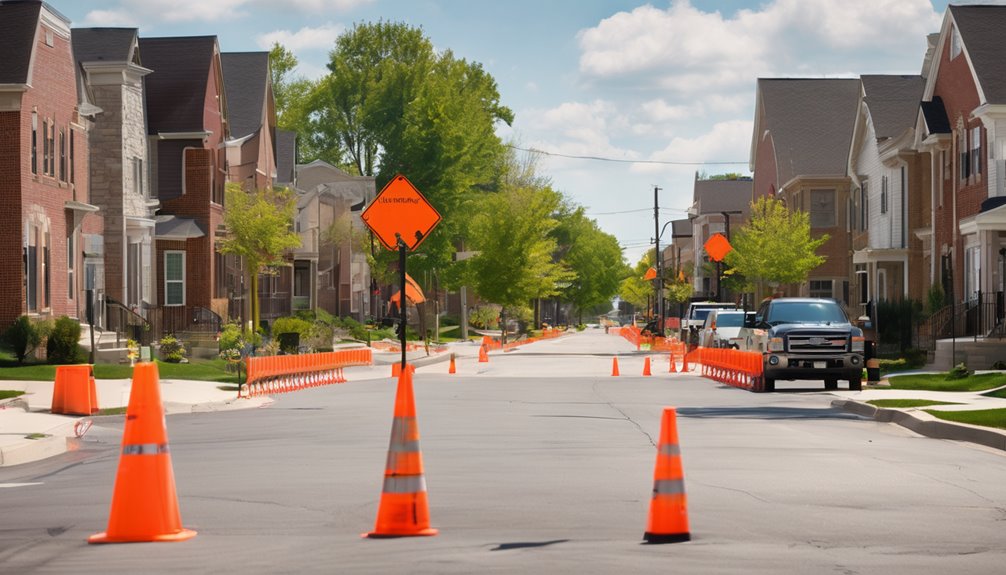
While ROW bonds primarily serve as a financial assurance for project completion, their influence on community safety can’t be overstated.
When contractors know they’re held accountable through these bonds, they’re more likely to adhere to safety regulations and maintain high standards during construction. This commitment minimizes hazards like open trenches and poorly marked work zones that could endanger pedestrians and drivers.
Furthermore, when projects are completed on time and to code, neighborhoods remain accessible and safe, fostering trust among residents.
You’ll find that a community with effective ROW bonds experiences fewer accidents and disruptions, ultimately enhancing the quality of life.
Process for Claiming Against a ROW Bond

If you find yourself needing to claim against a ROW bond, it’s crucial to follow a specific process to ensure your request is handled properly.
Start by gathering all necessary documentation, including contracts and proof of any damages.
Next, submit your claim to the appropriate bonding company, making sure to include all required information.
Finally, keep track of your claim’s status and follow up if needed.
Here’s a simple checklist to guide you:
- Collect Documentation: Assemble contracts, invoices, and proof of damages.
- Submit Your Claim: Send your claim form and documents to the bonding company.
- Follow Up: Monitor your claim’s progress and reach out for updates if necessary.
Frequently Asked Questions
What Is the Duration of the ROW Bond Coverage?
The duration of a performance bond typically lasts for a specified period, often ranging from one to three years. You’ll need to check the specific terms outlined in your bond agreement for accurate details.
How Often Must ROW Bonds Be Renewed?
You must renew ROW bonds periodically, typically at intervals specified in your local regulations or the bond agreement. Staying on top of these renewals helps ensure your projects remain compliant and uninterrupted.
Are There Penalties for Bond Violations?
Yes, there are penalties for bond violations. If you fail to comply with the terms, you could face fines, loss of the bond, or even legal action. It’s crucial to understand your obligations.
Who Is Responsible for Bond Claims?
You’re typically responsible for bond claims if you’re the contractor or party involved. If issues arise, you need to address them promptly to avoid complications and ensure compliance with the bond’s terms and conditions.
Can Homeowners Request Bond Information for Contractors?
Yes, you can request bond information for contractors. Homeowners often seek this information to ensure contractors are financially responsible and to protect themselves from potential issues that may arise during or after the project.
Conclusion
In summary, securing a Right of Way Performance and Maintenance Bond in Aurora is crucial for contractors to ensure compliance and maintain community safety. By understanding the requirements and responsibilities tied to this bond, you’ll enhance your project management and protect public access. Remember, it’s not just a financial obligation; it’s a commitment to uphold the standards that keep our streets safe and functional. So, make sure to prioritize obtaining this bond before starting your excavation work.