Get an Instant Quote on Right of Way Bond Now!

If you’re planning a construction project in St. Petersburg, understanding the Right of Way Bond is essential. This bond serves as a financial safeguard for both you and the community, ensuring compliance with local regulations. But who exactly needs one, and what does the application process look like? Exploring these questions can help you navigate the complexities of securing a Right of Way Bond effectively.
Understanding the Right of Way Bond

When you’re navigating the complexities of city regulations, understanding the Right of Way Bond is crucial for any project involving public infrastructure.
This bond acts as a financial guarantee, ensuring that you’ll adhere to local laws and complete your work without causing disruptions. It covers potential damages to public property and ensures the city can recover costs if necessary.
Before you start any project, you’ll need to apply for this bond, which requires you to demonstrate your financial stability and commitment to compliance. The city reviews your application carefully, so being prepared with the right documentation can speed up the process.
Ultimately, grasping the intricacies of the Right of Way Bond helps you avoid costly setbacks and fosters smoother project execution.
Importance of the Right of Way Bond in St. Petersburg

The Right of Way Bond is crucial for ensuring you meet legal compliance requirements in St. Petersburg.
It not only enhances community safety but also protects vital infrastructure from potential damage.
Understanding its importance can help you navigate the responsibilities involved in maintaining public spaces.
Legal Compliance Requirements
Although navigating the legal landscape of city regulations can be daunting, understanding the importance of the Right of Way Bond in St. Petersburg is crucial for compliance.
This bond serves as a financial guarantee that you’ll adhere to local laws and regulations related to construction or excavation in public spaces.
Here are key legal compliance requirements to keep in mind:
- Financial Responsibility: The bond ensures you can cover any damages resulting from your project.
- Permit Acquisition: It’s often a prerequisite for obtaining necessary permits, streamlining your project initiation.
- Liability Protection: It protects the city and its residents from potential liabilities during your work.
Community Safety Enhancement
Understanding the legal compliance requirements surrounding the Right of Way Bond also highlights its role in enhancing community safety in St. Petersburg.
By securing this bond, you’re not just meeting regulations; you’re actively contributing to a safer environment for everyone. The bond ensures that any construction or maintenance work within the right of way adheres to safety standards, minimizing hazards for pedestrians and drivers alike.
It promotes responsible management of public spaces, reducing the risk of accidents and ensuring that any disruptions are handled promptly and effectively.
When you prioritize safety through the Right of Way Bond, you foster a community where everyone can navigate streets confidently, knowing that their well-being is a top priority.
Infrastructure Protection Assurance
Securing a Right of Way Bond is crucial for protecting St. Petersburg’s infrastructure. This bond acts as a financial safeguard, ensuring that any potential damages caused by construction or maintenance activities are addressed promptly.
You’ll find that having this bond in place enhances the city’s resilience and stability.
Consider the following benefits:
- Financial Responsibility: It guarantees that contractors cover repair costs, minimizing taxpayer burden.
- Public Safety: By ensuring compliance with regulations, it reduces risks associated with infrastructure disruption.
- Community Trust: A bond demonstrates a commitment to maintaining high standards, fostering confidence among residents.
In essence, a Right of Way Bond is vital for safeguarding infrastructure and promoting a thriving community in St. Petersburg.
Who Needs a Right of Way Bond?

Have you ever wondered who actually needs a right of way bond? If you’re a contractor planning to work on public property, this bond is essential. It ensures that you’ll adhere to local regulations and protect the infrastructure during your project.
Utility companies, as they install or maintain services in public rights of way, also require this bond to guarantee compliance. Additionally, developers who plan to build in these areas must secure a right of way bond to safeguard public interests.
Even business owners looking to conduct activities that affect the right of way, like sidewalk sales or outdoor seating, might need one. Understanding these requirements helps you avoid potential legal issues and ensures smooth project progression.
Application Process for Obtaining a Right of Way Bond
If you’re ready to apply for a right of way bond, it’s important to know the steps involved in the process.
Start by gathering the necessary documentation. This will help streamline your application and avoid delays. Here’s what you’ll typically need:
- Proof of your business’s financial stability
- Detailed project plans and specifications
- Completed application forms required by the city
Once you have your documents, submit your application to the appropriate city department. They’ll review your submission and may request additional information.
Finally, be prepared to pay any associated fees. Following these steps can help ensure a smoother application process, getting you closer to securing your right of way bond in St. Petersburg.
Requirements and Regulations for Right of Way Bonds

Understanding the requirements and regulations for obtaining a right of way bond is crucial for ensuring compliance with city standards.
First, you need to provide proof of financial responsibility, typically in the form of a surety bond. This bond must meet the minimum coverage amounts set by the City of St. Petersburg.
Additionally, you’ll need to submit a completed application form along with any required documentation detailing your project.
It’s essential to adhere to the specific guidelines outlined by the city, which may include obtaining necessary permits and approvals before you begin work.
Lastly, make sure to pay any associated fees, as these are integral to the bonding process and your project’s approval.
Common Types of Projects Requiring a Right of Way Bond
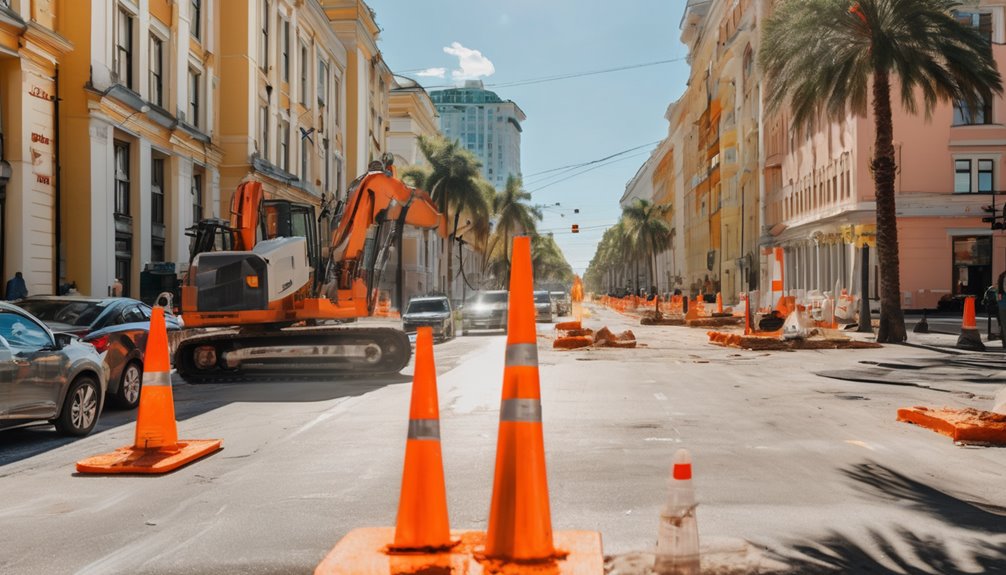
When you think about projects that require a right of way bond, utility installation projects often come to mind.
Roadway improvements and sidewalk construction activities are also common examples. Each of these projects plays a vital role in enhancing public infrastructure and safety.
Utility Installation Projects
Utility installation projects often require a right of way bond to ensure compliance with local regulations and protect public infrastructure.
These projects can affect streets, sidewalks, and utilities, and having a bond in place safeguards the community against potential mishaps.
Here are some common types of utility installation projects that necessitate a right of way bond:
- Water and Sewer Line Installations: Ensuring the safe placement and connection of essential services.
- Telecommunication Lines: Installing fiber optics or cable infrastructure to enhance communication services.
- Electric Utility Upgrades: Enhancing electric service capabilities while adhering to safety standards.
Roadway Improvements
Roadway improvements are vital for maintaining the safety and efficiency of transportation networks. When you undertake projects like resurfacing roads, adding lanes, or upgrading traffic signals, securing a right of way bond is often necessary.
These improvements enhance traffic flow and reduce accidents, making your community safer. You might also consider projects that involve realigning intersections or improving drainage systems to prevent flooding.
Each of these activities not only boosts the road’s functionality but also increases property values in the surrounding areas. By investing in these improvements, you’re ensuring that the roads can handle today’s traffic demands while preparing for future growth.
Always check local regulations to ensure compliance and secure the appropriate bonding for your projects.
Sidewalk Construction Activities
Building new sidewalks or enhancing existing ones significantly improves pedestrian safety and accessibility.
These projects often require a right of way bond to ensure compliance with local regulations and standards.
When you’re planning sidewalk construction activities, consider the following common types of projects that typically necessitate this bond:
- New Sidewalk Installations: Creating sidewalks in areas lacking pedestrian pathways.
- Sidewalk Repairs and Upgrades: Fixing damaged sidewalks or upgrading to meet ADA standards.
- Sidewalk Extensions: Expanding existing sidewalks to connect key destinations or improve flow.
Consequences of Not Securing a Right of Way Bond

If you choose not to secure a Right of Way Bond, you risk facing significant legal and financial repercussions.
Without this bond, you may become liable for any damages or injuries that occur during your project. This could lead to costly lawsuits, fines, or repair expenses that can quickly add up.
Additionally, local authorities might halt your project, causing delays and further financial strain. You could also face penalties from the city, impacting your reputation and future project opportunities.
Furthermore, the absence of a bond could make it challenging to obtain permits for future work.
In short, not securing a Right of Way Bond can jeopardize your financial stability and hinder your ability to operate effectively in St. Petersburg.
Tips for Navigating Right of Way Bond Regulations in St. Petersburg

Navigating the Right of Way Bond regulations in St. Petersburg can be challenging, but with the right approach, you can streamline the process. Here are some tips to help you:
- Understand the requirements: Familiarize yourself with the specific regulations and documentation needed for your project.
- Consult with experts: Don’t hesitate to reach out to professionals, such as attorneys or bonding agents, who can provide valuable insights and guidance.
- Stay organized: Keep all your documents and correspondence in order to avoid delays and ensure a smooth application process.
Frequently Asked Questions
What Is the Cost of Obtaining a Right of Way Bond?
The cost of obtaining a right of way bond varies based on factors like project size and location. You’ll typically pay a premium, often a percentage of the bond’s total value, so budgeting is essential.
How Long Does It Take to Process a Right of Way Bond Application?
It typically takes a few weeks to process a right of way bond application, depending on various factors like documentation completeness and local regulations. Patience is key while waiting for approval and necessary inspections.
Can a Right of Way Bond Be Transferred to Another Party?
Yes, you can transfer a right of way bond to another party, but you’ll need to follow specific procedures. It’s crucial to check local regulations and ensure all parties involved agree to the transfer terms.
Is a Right of Way Bond Required for Residential Projects?
For residential projects, you typically need a right of way bond to ensure compliance with local regulations. It’s crucial to check specific requirements in your area, as they can vary significantly from one location to another.
What Happens if a Right of Way Bond Expires?
If a right of way bond expires, you risk losing financial protection for your project. You’ll need to renew or replace it promptly to avoid potential penalties or complications with your construction or development activities.
Conclusion
In summary, securing a Right of Way Bond in St. Petersburg is essential for anyone involved in public property projects. It not only protects infrastructure and ensures compliance with local regulations but also fosters trust within the community. By understanding the application process and requirements, you can navigate the necessary steps with ease. Don’t overlook the importance of this bond—it’s a vital safeguard for your project and the safety of the public.