When you're involved in urban development, understanding the Public Right of Way Performance Bond is crucial. It acts as a safety net, ensuring that contractors fulfill their obligations regarding public spaces. This bond not only protects local municipalities but also enhances community trust. However, navigating the intricacies of performance bonds can be challenging. What are the key components and processes you need to know to ensure compliance and success?
Understanding Public Right of Way Performance Bonds
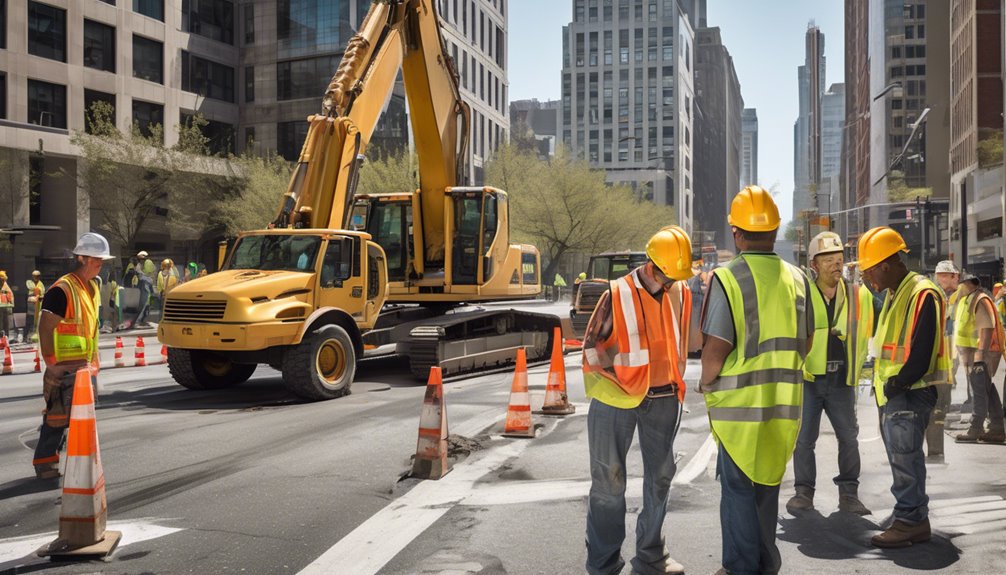
Public Right of Way Performance Bonds are crucial for ensuring that any work done within public spaces meets specific standards.
When you engage in projects that affect sidewalks, streets, or other public areas, these bonds act as a safety net. They guarantee that you'll complete the work according to the agreed specifications and rectify any issues that arise during or after the project.
If you fail to meet these obligations, the bond provides financial compensation to cover repairs or damages. Understanding this process helps you navigate the regulatory landscape more effectively, ensuring compliance and protecting community interests.
The Importance of Performance Bonds in Urban Development

In urban development, performance bonds play a crucial role in ensuring projects are completed on time and within budget.
They provide financial security, protecting you from potential losses if a contractor fails to fulfill their obligations.
Ensuring Project Completion
While urban development projects often promise growth and revitalization, they can also face significant risks that jeopardize their completion.
Performance bonds play a crucial role in ensuring that projects meet their deadlines and specifications. When you secure a performance bond, you're not just protecting your investment; you're also motivating contractors to fulfill their obligations.
If they fail to complete the project as promised, the bond provides a financial safety net, allowing you to hire another contractor to finish the work. This security ensures that your project will reach completion, minimizing disruptions and maintaining community trust.
Financial Security Assurance
Performance bonds are essential for safeguarding financial interests in urban development projects. They provide a safety net, ensuring that if a contractor fails to meet their obligations, you won't be left covering the costs.
This financial security assurance protects your investment and enhances your credibility with stakeholders. When you secure a performance bond, you're not just fulfilling a requirement, but also demonstrating your commitment to delivering quality work.
It reassures investors and the community that you're serious about project completion. Moreover, these bonds often lead to better financing options, as lenders see them as indicators of responsible management.
In an industry where trust is crucial, a performance bond can be your best ally.
Risk Mitigation Strategies
By incorporating performance bonds into your urban development projects, you significantly reduce the risks associated with contractor defaults and project delays.
These bonds serve as a financial guarantee, ensuring that contractors fulfill their obligations on time and to the required standards. If a contractor fails to meet these terms, the bond provides the necessary funds to complete the project or rectify issues, protecting your investment.
Moreover, performance bonds enhance your credibility with stakeholders. They signal that you prioritize accountability and quality, fostering trust with investors and the community.
This proactive approach not only mitigates financial risks but also streamlines project completion, ultimately leading to successful urban development that meets both deadlines and expectations.
Key Components of a Performance Bond

A performance bond typically includes three key components: the principal, the obligee, and the surety. Understanding these elements is crucial for anyone involved in the bonding process.
- Principal: This is the party responsible for fulfilling the contract and providing the bond.
- Obligee: This is the party that requires the bond, usually a government entity or project owner, ensuring contract completion.
- Surety: This is the insurance company or financial institution that backs the bond, guaranteeing compensation if the principal fails to meet obligations.
- Bond Amount: This is the monetary value of the bond, reflecting the potential loss the obligee could face if the principal defaults.
These components work together to ensure security and trust in contractual agreements.
How Performance Bonds Protect Public Interests

Performance bonds play a crucial role in safeguarding public interests by ensuring that projects are completed on time and to the required standards.
They provide financial security assurance, giving you peace of mind that funds are available if issues arise.
Additionally, these bonds implement risk mitigation strategies that help protect the community from potential project failures.
Ensuring Project Completion
Ensuring that projects are completed on time and within budget is vital for public interests, and performance bonds play a crucial role in achieving this goal. They act as a safety net, ensuring that if contractors fail to meet their obligations, the public won't bear the financial burden.
Here's how performance bonds protect your interests:
- Incentives for Timely Completion: Contractors are motivated to finish projects as agreed to avoid losing their bond.
- Quality Assurance: Bonds require adherence to specific standards, ensuring better workmanship.
- Financial Protection: If a contractor defaults, the bond can cover costs to complete the project.
- Trust Building: Performance bonds enhance trust between public agencies and contractors, fostering better relationships.
With these protections, you can feel more secure about public projects.
Financial Security Assurance
While you mightn't think about it often, financial security assurance through performance bonds is essential for protecting public interests in construction projects.
These bonds guarantee that contractors fulfill their obligations, ensuring that projects are completed on time and within budget. If a contractor fails to meet their commitments, the bond provides funds to cover the costs of completing the work or remedying defects.
This not only safeguards taxpayers from financial loss but also maintains the integrity of public infrastructure. By holding contractors accountable, performance bonds encourage quality work and responsible project management.
Ultimately, these bonds act as a safety net, fostering trust between the public and contractors while ensuring that community resources are used effectively.
Risk Mitigation Strategies
Contractors often face risks that can impact project completion and quality, which is where performance bonds come into play as a vital tool for risk mitigation.
These bonds not only protect public interests but also provide contractors with a framework to manage potential pitfalls effectively.
Here are four key ways performance bonds help mitigate risks:
- Financial Security: They ensure funds are available for project completion if contractors fail to meet obligations.
- Quality Assurance: Bonds motivate contractors to adhere to high standards, knowing they're accountable.
- Timely Completion: They encourage on-time project delivery, reducing delays that could affect public services.
- Dispute Resolution: Performance bonds streamline processes for resolving conflicts, minimizing disruptions to the community.
The Process of Obtaining a Public Right of Way Performance Bond

Obtaining a Public Right of Way Performance Bond involves several key steps that can streamline your project's compliance process.
First, you'll need to gather documentation, including project plans and any required permits.
Then, you'll want to assess your bonding needs by determining the bond amount based on project scope and local regulations.
Next, approach a surety company or bonding agent that specializes in performance bonds. They'll evaluate your financial stability and project details, so be prepared to provide necessary information.
Once approved, review the bond terms carefully before signing.
Finally, pay the premium, and you'll receive your bond, ensuring compliance with local laws and protecting all parties involved in the project.
Common Challenges in Performance Bond Execution

When navigating the complexities of performance bond execution, you may encounter several common challenges that can impact your project's timeline and budget.
Here are four issues you might face:
- Documentation Delays: Missing or incomplete paperwork can stall your bond approval process, causing frustration and added costs.
- Cost Overruns: Unexpected expenses during project execution can exceed your initial bond, complicating financial planning.
- Regulatory Compliance: Staying updated with local regulations is crucial; overlooking changes can lead to penalties or project halts.
- Communication Gaps: Misunderstandings between stakeholders can create confusion, resulting in delays and increased risk.
The Role of Municipalities in Performance Bond Management

Although performance bonds are often seen as a contractor's responsibility, municipalities play a crucial role in their management and oversight. You need to ensure that these bonds are adequate and enforceable, protecting public interests.
By reviewing bond terms and conditions, you help maintain compliance with local regulations. Municipalities also monitor project progress, verifying that contractors meet performance standards.
If a contractor fails to deliver, you have the authority to invoke the bond, ensuring funds are available for project completion. Your active involvement fosters transparency and accountability, ultimately enhancing community trust.
Additionally, offering guidance to contractors on bond requirements can streamline the process, making it easier for everyone involved to navigate the complexities of public right-of-way projects.
Future Trends in Public Right of Way Performance Bonds

As municipalities adapt to evolving infrastructure needs, future trends in public right-of-way performance bonds are likely to focus on enhanced technology and data-driven approaches.
You'll see significant changes that streamline processes and improve transparency. Here are four trends to watch:
- Digital Platforms: Expect more online systems for submitting and managing performance bonds, making it easier for you to track compliance.
- Smart Contracts: Blockchain technology could automate bond enforcement, reducing disputes and improving efficiency.
- Data Analytics: Using data to predict potential issues will help municipalities proactively manage infrastructure projects.
- Sustainability Metrics: Performance bonds may increasingly factor in environmental impacts, emphasizing greener infrastructure solutions.
These trends will ultimately make managing public right-of-way performance bonds more efficient and effective.
Frequently Asked Questions
What Is the Typical Cost of a Public Right of Way Performance Bond?
The typical cost varies based on project size and location. You'll usually pay between 1% to 3% of the total project value. It's wise to get multiple quotes to ensure you're getting a fair price.
How Long Does a Performance Bond Remain Active?
A performance bond typically remains active until the project's completion or until the specified timeframe expires. You should check the bond's terms to ensure you understand when it will be released or terminated.
Can Performance Bonds Be Transferred Between Projects?
You can generally transfer performance bonds between projects, but it depends on the bond's terms and the surety company's policies. Always check the specific conditions before attempting to make any transfers to ensure compliance.
What Happens if a Bond Issuer Goes Bankrupt?
If a bond issuer goes bankrupt, you might face difficulties. Your funds could be tied up, and recovering them might take time. It's crucial to stay informed about the issuer's financial stability before committing.
Are Performance Bonds Required for All Urban Development Projects?
Not all urban development projects require performance bonds. It usually depends on local regulations, project size, and specific risks involved. You should check your area's requirements to ensure compliance and protect your investment.
Conclusion
In conclusion, understanding and utilizing public right of way performance bonds is crucial for successful urban development. These bonds not only protect municipalities and communities but also ensure that contractors fulfill their obligations. By recognizing the importance of these financial guarantees, you can contribute to safer, well-maintained public spaces. As trends evolve, staying informed about performance bonds will empower you to navigate challenges and foster trust between contractors and local agencies for the benefit of all.