Get an Instant Quote on Plumber and Sewer Contractor – Compliance Only License Bond Now!

If you’re a plumber or sewer contractor in Chicago Heights, understanding the compliance landscape is crucial. The requirement for a license bond isn’t just a formality; it plays a significant role in ensuring both your credibility and the safety of your clients. Navigating the licensing and bonding process can seem daunting, but it’s essential for your business. What steps do you need to take to secure your future in this industry?
Overview of Plumbing Regulations in Chicago Heights
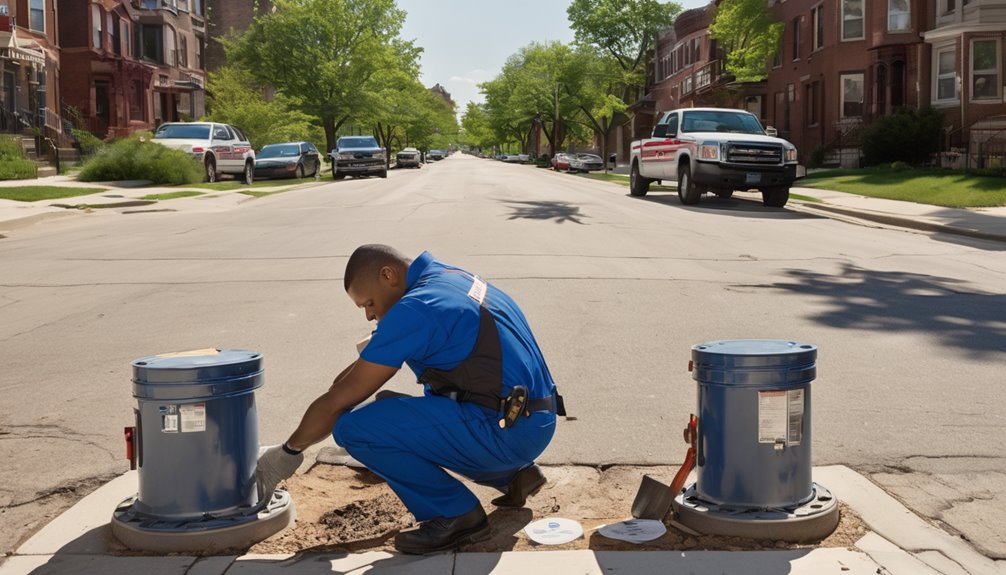
Plumbing regulations in Chicago Heights are essential for ensuring safety and efficiency in your home or business.
These rules govern the installation, maintenance, and repair of plumbing systems, helping to prevent hazards like leaks and sewage backups. They cover everything from the materials you can use to the specific techniques for piping and fixtures.
You’ll need to adhere to local codes, which often align with state standards, to avoid costly fines or project delays. Ensuring your plumbing complies with these regulations not only protects your property but also your health.
Familiarizing yourself with these guidelines can save you time and money, making it easier to navigate any renovations or repairs you might plan in the future.
Importance of Licensing for Plumbers and Sewer Contractors

While many may overlook the importance of licensing, it plays a crucial role in ensuring that plumbers and sewer contractors meet the necessary standards for safety and quality.
When you hire a licensed professional, you can trust they’ve undergone proper training and possess the expertise to handle complex plumbing and sewer issues.
Licensing also protects you from potential fraud, as it verifies that the contractor adheres to local regulations and industry best practices.
Furthermore, in the event of a dispute, a licensed contractor is typically more accountable, providing you with peace of mind.
Ultimately, choosing a licensed plumber or sewer contractor safeguards your property and ensures that the work is done correctly and efficiently.
Understanding Bonding Requirements
When you’re working as a plumber or sewer contractor in Chicago Heights, understanding bonding requirements is crucial.
Different bond types serve various purposes, and knowing which one you need can keep your business compliant.
Failing to meet these requirements can lead to significant issues, so it’s important to stay informed.
Bond Types Explained
Understanding bond types is crucial for any plumbing or sewer contractor in Chicago Heights. There are several key types of bonds you’ll encounter.
First, a license bond ensures you comply with local regulations and protects consumers against unfulfilled obligations.
Next, a performance bond guarantees the successful completion of your projects, offering peace of mind to clients.
There’s also a payment bond, which ensures subcontractors and suppliers get paid for their work.
Lastly, you might need a maintenance bond to cover any issues that arise after project completion.
Familiarizing yourself with these bonds helps you not only meet legal requirements but also build trust with your clients, ultimately benefiting your business.
Importance of Compliance
Complying with bonding requirements isn’t just a legal obligation; it’s essential for your reputation and business success as a plumber or sewer contractor in Chicago Heights.
When you adhere to these regulations, you not only protect yourself from potential lawsuits but also build trust with your clients. A licensed and bonded contractor demonstrates professionalism, reassuring customers that you’re committed to quality work and ethical practices.
Non-compliance can lead to fines, loss of business, and damage to your credibility. By understanding and meeting these bonding requirements, you position yourself as a reliable choice in a competitive market.
Ultimately, compliance isn’t just about following the law—it’s about cultivating a trustworthy brand that clients can depend on.
Steps to Obtain a Plumbing License in Chicago Heights
To obtain a plumbing license in Chicago Heights, you’ll need to follow several key steps that ensure you’re fully compliant with local regulations.
First, you’ll want to complete a plumbing apprenticeship or relevant training program to gain the necessary skills and knowledge.
Next, gather all required documentation, including proof of experience and any certifications you’ve earned.
Once you have everything in order, submit your application to the city’s licensing department, along with the applicable fees.
After that, you may need to pass a licensing exam to demonstrate your competency.
Finally, after approval, you’ll receive your plumbing license, allowing you to operate legally within the city.
Always stay updated on any changes to regulations to maintain your compliance.
How to Secure the Necessary Bonds
Before diving into your plumbing work in Chicago Heights, you’ll need to secure the necessary bonds to protect both your business and your clients.
Start by researching the specific bonding requirements for plumbers in your area. Reach out to a reputable bonding company or insurance agent who understands the local regulations.
You’ll need to provide documentation, such as proof of your license, identification, and business information. Once you gather the required paperwork, submit your application for the bond.
After the bond is approved and issued, make sure to keep it on file and renew it as needed. This process not only ensures compliance but also builds trust with your clients, showing you’re a responsible contractor.
Consequences of Non-Compliance

Failing to comply with the plumbing regulations in Chicago Heights can lead to serious repercussions for your business.
You might face penalties that can impact your bottom line and reputation. It’s crucial to understand the potential consequences:
- Fines and Fees: Non-compliance can result in hefty fines, which can add up quickly and strain your finances.
- License Suspension: Your plumbing license or permit could be suspended or revoked, halting your ability to operate legally.
- Legal Trouble: You might find yourself entangled in legal disputes, which can be time-consuming and costly.
Benefits of Hiring Licensed Plumbing Professionals

When you hire licensed plumbing professionals, you not only ensure quality work but also gain peace of mind knowing that your project is in capable hands.
Licensed plumbers have undergone rigorous training and adhere to strict industry standards, which means you can trust their expertise. They’re up-to-date with the latest codes and regulations, minimizing the risk of costly mistakes.
Moreover, licensed professionals often carry insurance, protecting you from liability in case of accidents. You’ll also benefit from warranties on their work, giving you further assurance in the long run.
Resources for Contractors in Chicago Heights

In Chicago Heights, contractors can tap into a variety of resources to enhance their business operations and compliance efforts.
Here are three key resources you shouldn’t miss:
- Local Trade Associations: Joining organizations like the Plumbing-Heating-Cooling Contractors Association (PHCC) can provide networking opportunities and access to industry-specific training.
- City Licensing Office: Stay updated on local regulations and licensing requirements by regularly checking in with the City of Chicago Heights Licensing Office. They can guide you through the compliance process.
- Online Training Platforms: Utilize platforms like Coursera or Udemy to sharpen your skills and keep up with industry best practices.
Future Trends in Plumbing Compliance Regulations

As the plumbing industry evolves, staying informed about future trends in compliance regulations becomes increasingly important for contractors in Chicago Heights.
You’ll likely see a push for more sustainable practices, emphasizing water conservation and eco-friendly materials. Digital technology will play a significant role, with smart plumbing systems requiring compliance with updated codes.
Additionally, expect stricter enforcement of existing regulations, as municipalities aim to improve public safety and environmental standards. Familiarizing yourself with these changes will help you stay competitive.
Keeping up with training and certifications will also be essential as new techniques and technologies emerge. By proactively adapting to these trends, you can ensure compliance and enhance your reputation in the industry.
Frequently Asked Questions
What Are the Fees Associated With Obtaining a Plumbing License?
To obtain a plumbing license, you’ll typically face application fees, testing fees, and renewal charges. These costs can vary by location, so check your local regulations to ensure you’re prepared for all expenses involved.
Can I Work as an Apprentice Without a License?
Yes, you can work as an apprentice without a license. Apprenticeship programs typically allow you to gain hands-on experience while you learn. Just make sure you’re supervised by a licensed professional throughout your training.
How Often Do I Need to Renew My Plumbing License?
You typically need to renew your plumbing license every one to three years, depending on your state’s regulations. Make sure you stay updated on continuing education requirements to ensure your license remains valid.
What Types of Insurance Do I Need as a Plumber?
As a plumber, you’ll typically need general liability insurance, workers’ compensation, and possibly professional liability insurance. These protect you from accidents, injuries, and mistakes, ensuring your business remains secure and compliant with industry standards.
Are There Specific Continuing Education Requirements for Plumbers?
Yes, there are specific continuing education requirements for plumbers. You’ll need to complete a certain number of hours in approved courses to stay updated on codes, safety practices, and new technologies in the plumbing field.
Conclusion
In conclusion, staying compliant with plumbing regulations in Chicago Heights is crucial for your success as a contractor. By obtaining the necessary license bond, you not only protect yourself from penalties but also build trust with your clients. Remember, hiring licensed professionals ensures quality work and safety standards are met. As you navigate this process, keep an eye on future trends to stay ahead in the industry and maintain your credibility within the community.