Get an Instant Quote on Contractor’s Surety Bond Now!

As a water and sewer contractor in Palm Beach County, Florida, you know compliance isn’t just a requirement—it’s essential for public health and safety. Understanding the role of a Contractor’s Surety Bond can significantly impact your business. This bond not only protects your clients but also enhances your credibility in a competitive market. So, what steps do you need to take to secure this bond and ensure your projects meet local regulations?
Understanding the Role of Water and Sewer Contractors in Palm Beach County

When you think about the essential services that keep a community running smoothly, water and sewer contractors often play a crucial role in Palm Beach County.
These professionals are responsible for installing, maintaining, and repairing the infrastructure that delivers clean water and manages wastewater. You mightn’t realize just how vital their work is until there’s a problem.
They ensure that pipes are correctly laid, valves function properly, and that everything meets local regulations. By managing these systems, contractors help prevent leaks, contamination, and service disruptions.
They also respond quickly to emergencies, ensuring that communities have access to safe water. Understanding their role highlights the importance of reliable water and sewer services in your daily life.
The Importance of Compliance in the Water and Sewer Industry
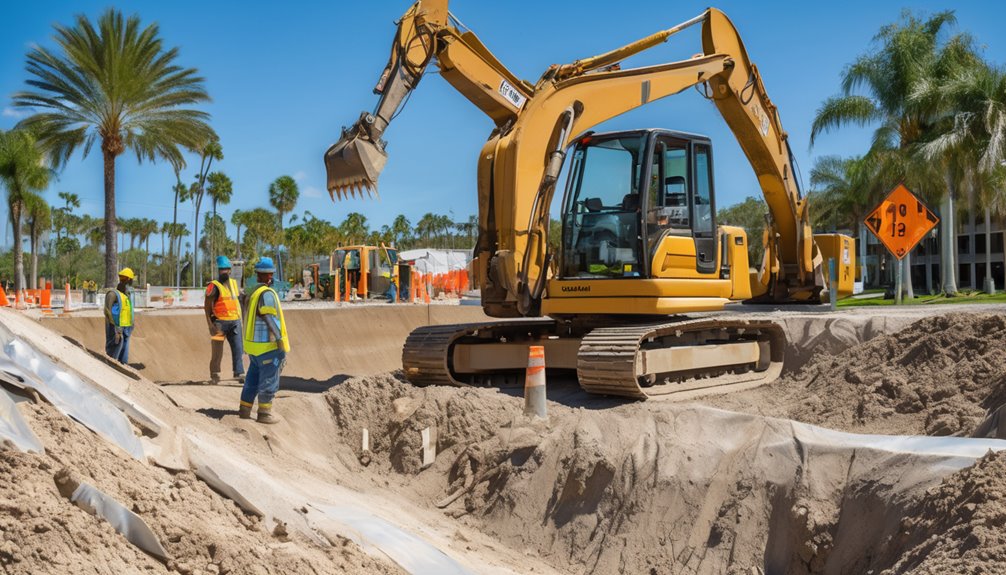
Compliance in the water and sewer industry is vital for ensuring public health and environmental protection. When you adhere to regulations, you’re not just following the law; you’re actively safeguarding communities from potential hazards.
Non-compliance can lead to contaminated water sources, which pose serious health risks. By meeting industry standards, you help maintain reliable services that residents rely on daily.
Furthermore, compliance fosters trust between you and the community, demonstrating your commitment to quality and safety. It also minimizes legal liabilities and potential fines, protecting your business reputation.
Ultimately, staying compliant is an investment in both public welfare and your professional integrity. Prioritizing compliance ensures that your projects contribute positively to the environment and community well-being.
What Is a Contractor’s Surety Bond?
In the water and sewer industry, understanding financial safeguards is just as important as adhering to regulations. A contractor’s surety bond is a crucial tool that ensures you meet your contractual obligations.
Think of it as a three-party agreement involving you, the surety company, and the project owner. If you fail to complete the project as promised, the surety company steps in to compensate the owner, protecting their interests.
This bond not only enhances your credibility but also provides clients with confidence in your ability to deliver quality work. By securing a surety bond, you’re demonstrating your commitment to professionalism and compliance within the industry, ultimately paving the way for more opportunities.
How Surety Bonds Protect Clients and Communities
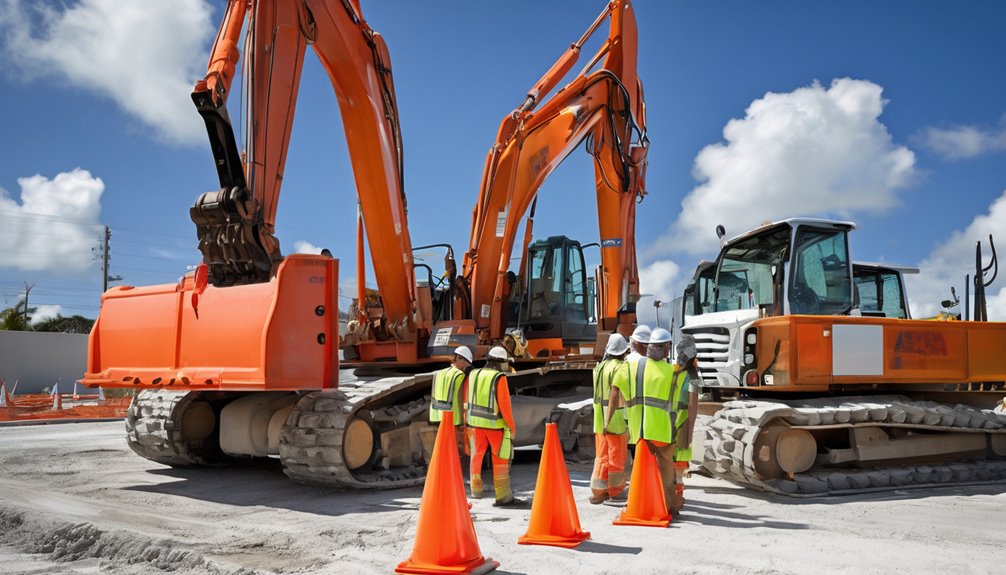
Surety bonds play a vital role in safeguarding both clients and communities in the water and sewer industry. When you hire a contractor with a surety bond, you’re ensuring that they’ll fulfill their obligations.
If anything goes wrong, like project delays or poor workmanship, the bond provides financial protection, allowing you to recover losses. This assurance not only protects your investment but also enhances trust in the contractor’s capabilities.
For communities, surety bonds promote accountability, ensuring that projects meet safety and quality standards. Knowing that contractors are bonded encourages responsible practices, benefiting everyone involved.
The Compliance Process for Water and Sewer Contractors

Navigating the compliance process for water and sewer contractors is critical to ensuring that projects adhere to local, state, and federal regulations.
To streamline your compliance efforts, follow these essential steps:
- Obtain Necessary Permits: Ensure you have all required permits and licenses specific to water and sewer works in Palm Beach County.
- Conduct Environmental Assessments: Perform thorough assessments to identify any potential environmental impacts, which may dictate project modifications.
- Maintain Documentation: Keep detailed records of all compliance-related activities, including inspections and permits, to facilitate audits and inspections.
Key Regulations for Contractors in Palm Beach County
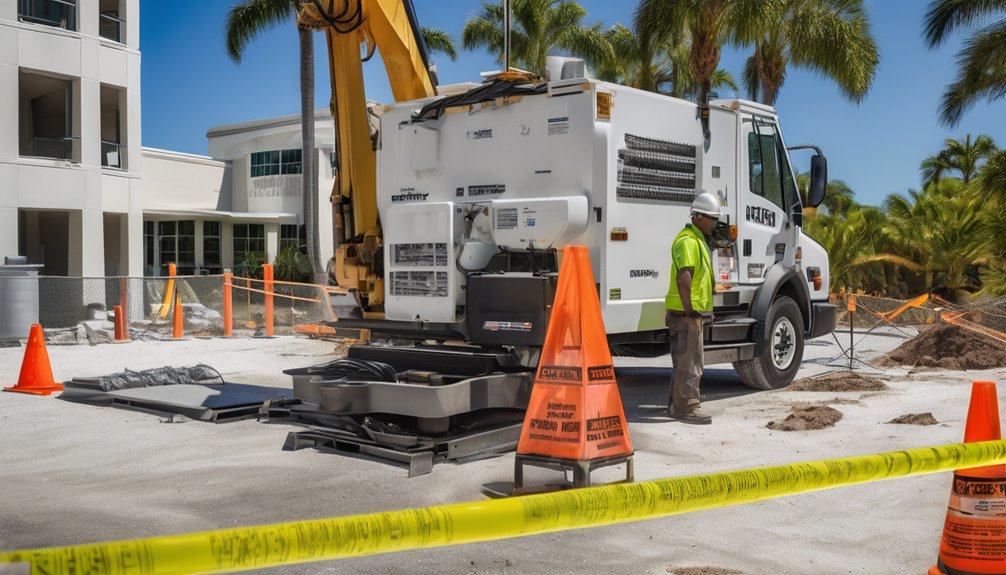
As a water and sewer contractor in Palm Beach County, you need to be aware of key regulations that govern your work.
Understanding licensing requirements, safety compliance, and environmental impacts is crucial for success.
Let’s break down these essential points to ensure you’re fully prepared.
Licensing Requirements Overview
Understanding the licensing requirements for water and sewer contractors in Palm Beach County is crucial if you want to operate legally and successfully in the area.
To navigate this process effectively, keep these key points in mind:
- Obtain a License: You must secure the appropriate contractor’s license specific to water and sewer services from the Palm Beach County Board of County Commissioners.
- Pass Required Exams: You’ll need to pass various exams that test your knowledge of local regulations, safety protocols, and industry standards.
- Provide Proof of Insurance: It’s essential to present evidence of liability and workers’ compensation insurance to protect yourself and your clients.
Safety Regulations Compliance
To ensure the safety of your crew and the public, complying with safety regulations is non-negotiable for water and sewer contractors in Palm Beach County.
You’ll need to familiarize yourself with OSHA standards, which mandate proper safety gear and protocols on-site. Always provide your team with adequate training to recognize hazards and respond appropriately.
It’s essential to maintain clear signage around work areas to protect pedestrians and nearby residents. Regularly inspect equipment and tools to prevent accidents, and ensure that emergency procedures are established and communicated.
Documenting safety meetings and incidents is crucial for compliance and improvement. By prioritizing safety regulations, you not only protect your workers but also enhance your reputation as a responsible contractor in the community.
Environmental Impact Considerations
While ensuring safety is a priority, it’s equally important to consider the environmental impact of your water and sewer projects in Palm Beach County.
Adhering to key regulations helps protect local ecosystems and communities. Here are three critical considerations for you to keep in mind:
- Permitting Requirements: Ensure you obtain the necessary environmental permits before starting any work, as regulatory bodies monitor compliance closely.
- Waste Management: Implement effective waste management practices to minimize pollution and protect water quality during construction.
- Erosion Control: Use erosion control measures to prevent soil runoff into nearby waterways, safeguarding aquatic habitats.
Benefits of Obtaining a Contractor’s Surety Bond

Obtaining a contractor’s surety bond offers numerous advantages that can significantly enhance your business’s credibility and financial security.
First, it demonstrates your commitment to fulfilling contractual obligations, giving clients peace of mind. This can lead to more contracts and repeat business, as clients feel secure knowing they’re protected.
Additionally, surety bonds can improve your chances of securing permits and licenses, as they’re often a requirement in many jurisdictions. They also set you apart from competitors who may not have this level of assurance.
Lastly, having a bond can mitigate financial risk, as it covers potential losses due to incomplete work or project violations.
Steps to Acquire a Contractor’s Surety Bond

Acquiring a contractor’s surety bond involves several key steps that can streamline the process and ensure you meet all necessary requirements. Here’s how to get started:
- Assess Your Needs: Determine the type and amount of bond required for your specific project, as this varies based on local regulations and project size.
- Gather Documentation: Collect essential documents such as your business license, financial statements, and proof of experience to present to the surety company.
- Choose a Surety Provider: Research and select a reputable surety company. Submit your application and the gathered documents for review.
Common Challenges Faced by Contractors in Compliance

As a contractor, you often find yourself navigating a maze of regulations that can feel overwhelming.
Keeping up with the ever-changing compliance requirements and managing extensive documentation can be a real challenge.
It’s crucial to understand these complexities to avoid costly mistakes and ensure your projects run smoothly.
Regulatory Complexity
Navigating the regulatory landscape can be one of the most daunting challenges for water and sewer contractors in Palm Beach County.
You’ll face various complexities that can impact your projects and compliance efforts. Here are three common challenges you might encounter:
- Varying Regulations: Different local, state, and federal regulations can create confusion, especially when they conflict with one another.
- Frequent Updates: Regulations often change, requiring you to stay informed and adapt your practices accordingly to avoid penalties.
- Permit Acquisition: Securing the necessary permits can be time-consuming, often leading to delays that affect your project timeline.
Understanding these complexities is crucial for maintaining compliance and ensuring your projects run smoothly.
Documentation Requirements
While managing your water and sewer projects, you’ll quickly realize that meeting documentation requirements can be a significant hurdle.
You’ll need to gather and maintain various records, including permits, inspection reports, and compliance certificates. Often, you might struggle with ensuring that all documents are current and meet regulatory standards. Missing or incomplete paperwork can lead to delays, fines, or even project shutdowns.
Additionally, organizing these documents can be time-consuming, especially when dealing with multiple stakeholders. To streamline the process, consider implementing a digital management system.
This way, you can easily track your documentation, make updates, and ensure compliance, ultimately minimizing challenges and keeping your projects on schedule.
Strengthening Your Business Reputation Through Compliance
Compliance isn’t just a legal obligation; it’s a powerful tool for enhancing your business reputation in the competitive landscape of Palm Beach County’s water and sewer industry.
When you prioritize compliance, you demonstrate your commitment to quality and integrity, which can set you apart from competitors.
Here are three ways compliance strengthens your reputation:
- Trust Building: Clients feel more secure hiring a contractor who adheres to regulations, knowing you’re reliable and responsible.
- Reduced Risk: By following compliance guidelines, you minimize legal and financial risks, showcasing your professionalism.
- Better Relationships: Compliance fosters positive relationships with local authorities, leading to potential partnerships and referrals.
Frequently Asked Questions
What Are the Costs Associated With Obtaining a Surety Bond?
When you obtain a surety bond, you’ll typically face costs like the premium, which usually ranges from 1% to 15% of the bond amount, plus potential fees for applications and underwriting services. Don’t forget those!
How Long Does It Take to Acquire a Contractor’s Surety Bond?
It typically takes a few days to acquire a contractor’s surety bond, depending on the provider and your financial background. You’ll need to gather documents and submit an application for processing.
Can a Contractor Operate Without a Surety Bond in Palm Beach County?
You can’t operate as a contractor in Palm Beach County without a surety bond. It’s essential for securing permits and protecting clients, so make sure you obtain one before starting any projects.
What Happens if a Contractor Defaults on Their Surety Bond?
If a contractor defaults on their surety bond, you’re typically liable for any financial loss incurred. The surety company may step in, covering costs but will expect reimbursement from you, potentially impacting your finances and reputation.
Are Surety Bonds Transferable Between Contractors?
No, surety bonds aren’t transferable between contractors. If you need a new contractor, they’ll have to secure their own bond. Each bond is specifically tied to the contractor who obtained it, ensuring accountability.
Conclusion
In Palm Beach County, prioritizing compliance as a water and sewer contractor isn’t just about following regulations; it’s about building trust and credibility. By securing a Contractor’s Surety Bond, you protect your clients and strengthen your business reputation. This commitment to professionalism not only helps you navigate the compliance process but also opens doors for future opportunities. Remember, investing in compliance today can lead to greater success tomorrow. Stay compliant, stay credible!