Get an Instant Quote on Contractor’s Performance Bond (Aluminum Contractor – 3rd Party Liability) Now!

When hiring an aluminum contractor in Orange County, Florida, understanding third-party liability and the significance of a performance bond is crucial. These elements not only protect your investment but also ensure the contractor adheres to safety and quality standards. Knowing how to verify a contractor’s bond can save you from potential headaches. So, what should you consider to ensure a secure and successful construction project?
Understanding Third-Party Liability in Construction Projects

When you dive into construction projects, understanding third-party liability is crucial, as it can significantly impact both your business and your clients.
Third-party liability refers to the legal responsibility you hold if someone outside your contract gets injured or suffers damages due to your work. This could include accidents on-site or property damage resulting from your project.
It’s essential to identify potential risks and ensure you have appropriate insurance coverage to protect yourself and your clients. Always communicate with your team and subcontractors about safety protocols to minimize exposure.
The Role of a Contractor’s Performance Bond

A contractor’s performance bond serves as a critical safety net in construction projects, ensuring that you fulfill your contractual obligations.
This bond protects project owners by providing financial assurance that if you fail to complete the project or meet specified standards, the bond can cover any resulting losses.
It’s not just about securing funding; it’s about building trust and credibility. When you obtain a performance bond, you demonstrate your commitment to quality and reliability, which can set you apart from competitors.
Additionally, clients often feel more confident hiring you when they know you’re bonded.
In essence, a performance bond is your promise to deliver, safeguarding both your reputation and your clients’ investments.
Benefits of Hiring Bonded Aluminum Contractors
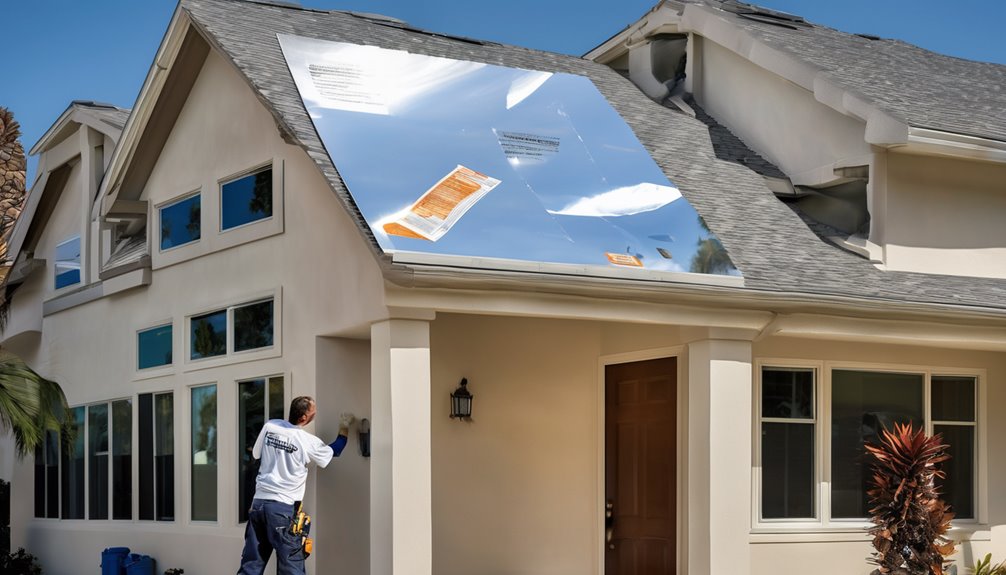
When you hire a bonded aluminum contractor, you gain financial protection that secures your investment.
You’ll also enjoy the peace of mind that comes with a guarantee of quality workmanship and legal compliance.
This means you can focus on your project, knowing you’re in good hands.
Financial Protection Assurance
Hiring bonded aluminum contractors not only ensures quality workmanship but also provides you with financial protection.
When you choose a bonded contractor, you’re safeguarded against potential financial losses. If a contractor fails to complete the job or doesn’t meet contractual obligations, the bond acts as a security measure. You won’t have to worry about unexpected costs or incomplete projects.
Additionally, this financial assurance can cover damages or defects, giving you peace of mind. You can trust that your investment is protected, allowing you to focus on your project without the stress of financial risks.
Quality Workmanship Guarantee
Choosing a bonded aluminum contractor means you’re securing a quality workmanship guarantee that protects your investment. This assurance ensures that the work done meets high standards, providing you with peace of mind.
Here are some benefits you’ll enjoy:
- Expertise and Skills: Bonded contractors are skilled professionals who adhere to industry standards, ensuring your project is completed correctly and efficiently.
- Accountability: If issues arise, a bonded contractor is obligated to rectify any mistakes, giving you confidence in their commitment to quality.
- Enhanced Value: Quality workmanship can increase the longevity and durability of your aluminum structures, ultimately saving you money on future repairs.
Legal Compliance Confidence
Opting for a bonded aluminum contractor not only guarantees quality workmanship but also ensures legal compliance with local building codes and regulations.
When you hire a bonded contractor, you gain peace of mind knowing they’ve met specific legal and financial standards. This means they’re more likely to adhere to safety protocols, reducing the risk of fines or legal issues down the line.
With their expertise, you can avoid costly mistakes that might arise from non-compliance. Plus, should any disputes arise, your contractor’s bond provides an added layer of protection, ensuring you’re covered.
How to Verify a Contractor’s Performance Bond

Verifying a contractor’s performance bond is crucial to ensuring your project’s financial protection and compliance with industry standards.
Here’s how you can do it:
- Request Documentation: Ask the contractor for a copy of their performance bond. Make sure it includes details like the bond amount and the surety company.
- Contact the Surety Company: Reach out directly to the surety company listed on the bond. Confirm that the bond is valid and hasn’t expired.
- Check State Licensing: Verify that the contractor holds the necessary licenses in your state. This ensures they’re authorized to perform the work and can adhere to local regulations.
Taking these steps will help you ensure that your contractor is bonded, providing you peace of mind for your project.
Common Issues Covered by Performance Bonds
When you secure a performance bond, it’s essential to understand the common issues it covers, as these can significantly impact your project’s success.
Performance bonds typically address project delays, ensuring that work is completed on time. They also cover instances of poor workmanship, protecting you from subpar results that don’t meet contract standards.
If a contractor fails to pay subcontractors or suppliers, the bond can help resolve disputes, ensuring that everyone involved is compensated.
Additionally, performance bonds often cover compliance with local regulations and codes, safeguarding your project from legal issues.
Steps to Take if a Contractor Fails to Deliver

If you find yourself in a situation where a contractor fails to deliver as promised, it’s crucial to act promptly to protect your interests.
Here are three steps you should take:
- Document Everything: Gather all contracts, communications, and photos related to the project. This evidence will support your claims.
- Communicate with the Contractor: Reach out to the contractor directly to discuss the issues. Be clear about your expectations and set a deadline for resolution.
- Contact the Bonding Company: If the contractor still doesn’t respond, notify the performance bond provider. They can help resolve the issue or compensate you for losses.
Taking these steps can help you navigate the situation effectively and ensure your rights are protected.
Frequently Asked Questions
What Is the Cost of Obtaining a Performance Bond?
The cost of obtaining a performance bond typically ranges from 1% to 3% of the total contract amount. It can vary based on factors like your credit score and the project’s complexity, so always shop around.
How Long Does a Performance Bond Last?
A performance bond typically lasts until the project’s completion or until the contract terms are fulfilled. It’s crucial to read the bond agreement carefully, as specific durations can vary based on the contract requirements.
Are Performance Bonds Transferable Between Contractors?
No, performance bonds aren’t transferable between contractors. They’re specific to the contractor who obtains them. If a contractor changes, you’ll need to secure a new bond for the new contractor to ensure coverage.
What Happens if a Contractor Goes Bankrupt?
If a contractor goes bankrupt, you might face delays in your project. Depending on your agreements, you could pursue claims against their assets or seek another contractor to complete the work, but it’s often complicated.
Can Homeowners Obtain Performance Bonds for DIY Projects?
You can’t typically obtain performance bonds for DIY projects since they’re designed for contractors. However, you might consider other insurance options to protect your investment and ensure your project’s successful completion.
Conclusion
When hiring an aluminum contractor in Orange County, Florida, understanding third-party liability and the importance of a contractor’s performance bond is crucial. By ensuring your contractor is bonded, you not only safeguard your investment but also promote quality and safety in your project. Always verify the bond and coverage before proceeding. If issues arise, knowing the steps to take can protect your interests. Make informed decisions to ensure a smooth and secure construction experience.