Get an Instant Quote on Highway Excavation Bond Now!

When you’re involved in highway excavation projects, understanding the Highway Excavation Bond is essential. This bond not only secures compliance with regulations but also protects the public from potential damages. It can enhance your credibility as a contractor and foster trust in your work. But what does it take to secure one, and what challenges might you face in the process? Let’s explore these critical aspects further.
What Is a Highway Excavation Bond?
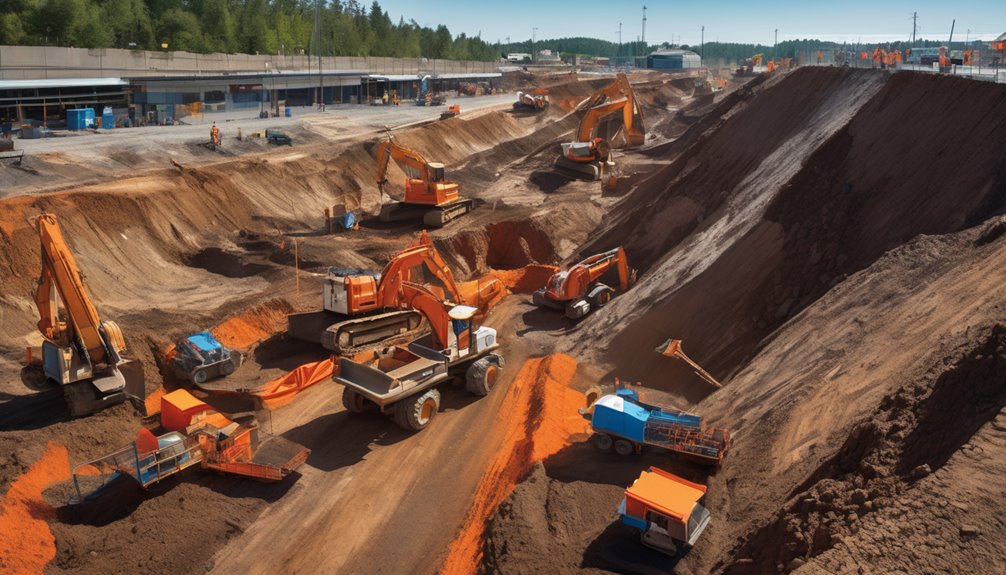
A highway excavation bond is a crucial financial tool that ensures compliance with state and local regulations during construction projects.
This bond acts as a guarantee that you’ll adhere to all laws and standards throughout the excavation process. When you secure this bond, you’re essentially protecting the public from potential damages caused by your work.
In case you fail to meet your obligations, the bond provides financial compensation to affected parties. It’s important to understand that obtaining a highway excavation bond might require you to demonstrate your financial stability and expertise in handling such projects.
Why Is a Highway Excavation Bond Important?

Understanding the importance of a highway excavation bond is vital for anyone involved in construction projects. This bond protects you and the public by ensuring that all work meets local regulations and safety standards.
It also provides financial security, covering potential damages or project delays. If a contractor fails to fulfill their obligations, the bond guarantees compensation for affected parties, which can save you from costly legal disputes.
Additionally, having this bond enhances your reputation and credibility, showing clients and stakeholders that you’re committed to responsible business practices. In competitive bidding situations, a solid bond can give you an edge over others, making it a key element in securing contracts.
Ultimately, it safeguards your investments and promotes project success.
How Does a Highway Excavation Bond Work?
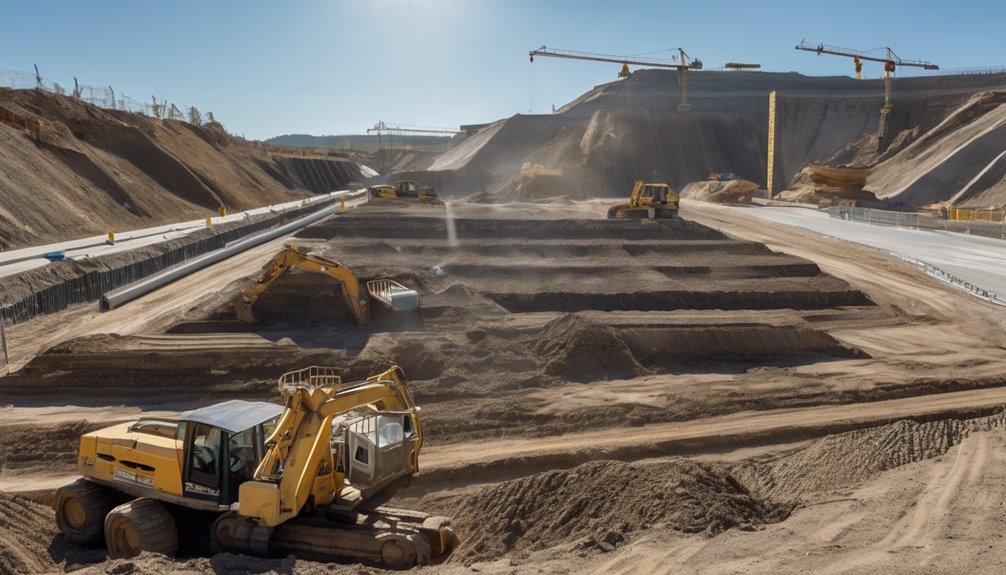
A highway excavation bond serves to protect your interests during construction projects.
Understanding the bond application process and the steps involved in filing a claim is crucial for ensuring that you’re covered.
Let’s break down how these elements work together to keep your project on track.
Purpose of Excavation Bond
When navigating the complexities of highway construction, knowing how a highway excavation bond functions is crucial. This bond serves as a financial safety net, ensuring that you’ll meet your contractual obligations.
If you fail to complete the excavation work or adhere to regulations, the bond protects the project owner by covering any losses. It also encourages you to follow safety standards and local laws, reducing the risk of costly mistakes.
Moreover, having this bond enhances your credibility and can make securing contracts easier. Stakeholders feel more confident when they know you’re financially backed, which can lead to more opportunities in the future.
Ultimately, it’s about accountability and fostering trust in the construction process.
Bond Application Process
To secure a highway excavation bond, you’ll need to follow a clear application process that involves several key steps.
First, gather all necessary documentation, including your business license, financial statements, and project details.
Next, choose a reputable surety company that specializes in excavation bonds. You’ll complete their application form, providing the required information about your business and the specific project.
The surety will evaluate your credit history and financial stability to determine your eligibility.
Once approved, you’ll pay a premium based on the bond amount.
Finally, after payment, the surety issues the bond, allowing you to commence your excavation work legally and confidently.
Claim Process Explained
Understanding how a highway excavation bond works is essential, especially if you find yourself needing to file a claim.
When a claim arises, you’ll typically contact the bond issuer, usually an insurance company or surety. They’ll require you to submit documentation supporting your claim, such as contracts, project details, and evidence of the issue at hand.
After filing, the bond issuer will investigate the claim to determine its validity. If they find it legitimate, the issuer will pay up to the bond amount to cover your losses or repairs.
Types of Highway Excavation Bonds

When you’re navigating the world of highway excavation bonds, it’s crucial to understand the different types available.
You’ll encounter bid bonds, performance bonds, and payment bonds, each serving a unique purpose in the contracting process.
Let’s break down what each one means and why they matter for your projects.
Bid Bonds Overview
While navigating the complexities of highway excavation projects, it’s crucial to grasp the different types of bid bonds available. Bid bonds are essential tools that guarantee you’ll fulfill your obligations if awarded the contract. They protect project owners by ensuring that you won’t back out after submitting your bid.
There are generally three types of bid bonds: traditional bid bonds, which secure your bid submission; performance bonds, which ensure contract completion; and payment bonds, which guarantee subcontractor and supplier payments.
Each of these bonds serves a specific purpose, so understanding them helps you choose the right one for your project. By being informed about these options, you can navigate bid processes confidently and secure your position in competitive bidding opportunities.
Performance Bonds Explanation
After securing your bid bond, the next step is to consider performance bonds, another key component of highway excavation projects.
These bonds assure project completion according to contract specifications. They protect you and the project owner in case of contractor default.
Here are the main types of performance bonds you should know:
- Contractor Performance Bonds: Ensure the contractor fulfills their obligations.
- Maintenance Bonds: Cover any repairs or defects after project completion.
- Supply Bonds: Guarantee that materials needed for the project are provided as agreed.
- Subdivision Bonds: Secure the completion of public improvements in new developments.
Understanding these types helps you choose the right bond to safeguard your investment and ensure project success.
Payment Bonds Importance
Payment bonds play a crucial role in highway excavation projects, ensuring that subcontractors and suppliers get paid for their work and materials. Without them, you risk delays and disputes that can derail your project.
These bonds protect everyone involved, creating a more stable financial environment. If a contractor fails to pay, the bond guarantees that the unpaid parties will receive compensation. This fosters trust and encourages subcontractors to participate in your project.
Plus, having a payment bond can enhance your reputation, showing potential partners that you’re serious about fulfilling your financial obligations.
Ultimately, using payment bonds helps keep your project on track while maintaining healthy relationships with those who contribute to your success. Don’t underestimate their importance!
The Process of Obtaining a Highway Excavation Bond

To obtain a highway excavation bond, you’ll need to follow a series of clear steps that ensure compliance with local regulations and project requirements.
Here’s what you’ll typically do:
- Gather necessary documentation: Collect all relevant permits, project plans, and financial statements.
- Choose a surety company: Research and select a reputable surety provider that specializes in excavation bonds.
- Complete the application: Fill out the required forms accurately and submit them along with your documentation.
- Review terms and conditions: Understand the bond’s requirements, including its duration and any obligations you must fulfill.
Key Requirements for Contractors

Before diving into a highway excavation project, contractors must meet several key requirements to ensure they’re compliant and prepared.
First, you need a valid contractor’s license, demonstrating your expertise and adherence to local regulations.
Next, obtaining the necessary permits is crucial; check with local authorities to ensure you meet all zoning and environmental regulations.
You’ll also want to gather detailed project plans and specifications, as these guide your work and help avoid costly mistakes.
Additionally, securing adequate insurance coverage safeguards against potential liabilities.
Finally, you should establish a reliable safety plan to protect your team and the public.
Meeting these requirements is vital for a successful and compliant highway excavation project.
Common Challenges in Securing Highway Excavation Bonds
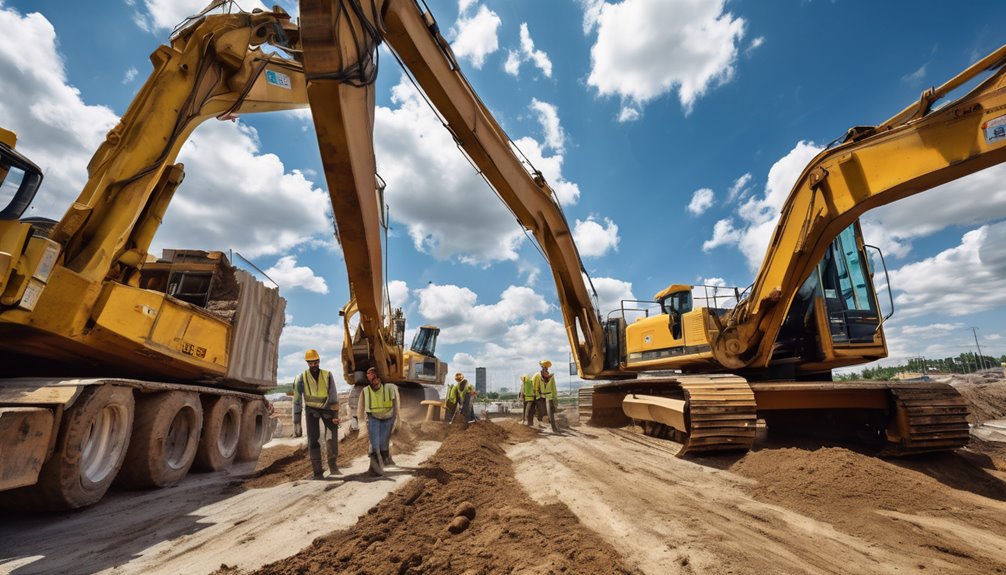
Securing highway excavation bonds can be a daunting process, especially when unfamiliar challenges arise.
You’ll often face obstacles that can complicate your bonding experience. Understanding these common challenges can help you navigate the process more effectively:
- Lack of Documentation: Insufficient or incomplete paperwork can delay bond approval.
- Creditworthiness Issues: Poor credit history or financial instability may hinder your ability to secure a bond.
- Regulatory Changes: Staying updated on evolving regulations can be overwhelming and may impact your compliance.
- Project Complexity: More intricate projects often require higher bond amounts, increasing the difficulty of securing them.
The Role of Surety Companies

Surety companies play a crucial role in the highway excavation bonding process. They provide the financial backing necessary for contractors to secure bonds, assuring project owners that obligations will be met.
When you engage with a surety company, they evaluate your financial health, experience, and capacity to complete the project. This assessment helps them determine the bond amount and terms. If you default on your obligations, the surety company steps in to fulfill them, protecting the project owner’s interests.
Additionally, surety companies often offer guidance throughout the bonding process, helping you navigate requirements efficiently. By partnering with these companies, you enhance your credibility and gain access to more projects, ensuring your success in the highway excavation industry.
Tips for Managing Highway Excavation Bonds
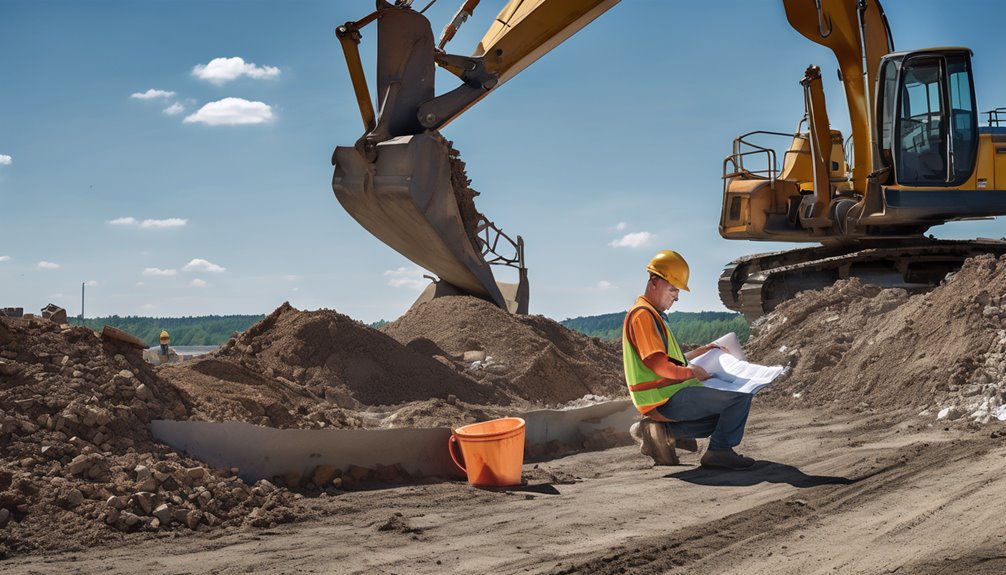
Managing highway excavation bonds effectively is essential for maintaining project integrity and ensuring smooth operations.
To help you navigate this process, consider these tips:
- Review the terms: Understand the bond’s requirements and conditions to avoid potential pitfalls.
- Communicate regularly: Keep an open line with your surety company to address any concerns or changes promptly.
- Document everything: Maintain thorough records of all communications and transactions related to the bond.
- Plan for contingencies: Be prepared for unexpected issues that may arise, ensuring you have a financial backup if necessary.
Frequently Asked Questions
What Is the Cost of a Highway Excavation Bond?
The cost of a highway excavation bond varies based on project size, location, and risk factors. You’ll typically pay a percentage of the total bond amount, often influenced by your credit score and financial history.
How Long Does a Highway Excavation Bond Last?
A bond’s duration typically varies based on the project and local regulations. You’ll usually find it lasts until the project’s completion or until you fulfill all obligations. Always check specific requirements for your area.
Can I Cancel a Highway Excavation Bond Early?
You can cancel a bond early, but it often depends on the terms set by the issuer. Review your bond agreement and consult with your provider to understand any potential fees or conditions involved.
What Happens if a Bond Claim Is Filed?
If a bond claim’s filed, you’ll need to respond promptly. The bond issuer investigates the claim, and if valid, they’ll cover the damages, impacting your financial standing and potentially increasing future bonding costs.
Are There Penalties for Not Obtaining a Bond?
Yes, there can be penalties for not obtaining a bond. You might face fines, delays in project approval, or even legal repercussions. It’s essential to comply with bonding requirements to avoid these potential issues.
Conclusion
In summary, a highway excavation bond is essential for ensuring your projects run smoothly and adhere to regulations. It protects both you and the public, enhancing your credibility as a contractor. By understanding its importance, navigating the bonding process, and meeting key requirements, you can secure the necessary bonds with confidence. Remember, working with surety companies and managing your bonds effectively will help you avoid common challenges and set you up for success in your excavation projects.