When you're planning any construction or development project, understanding the grading permit is essential. This document ensures your plans align with local regulations and environmental standards. Without it, you risk facing fines and project delays. So, it's crucial to know when a grading permit is needed and how to navigate the application process effectively. What steps should you take to secure this vital approval? Let's explore that next.
What Is a Grading Permit?
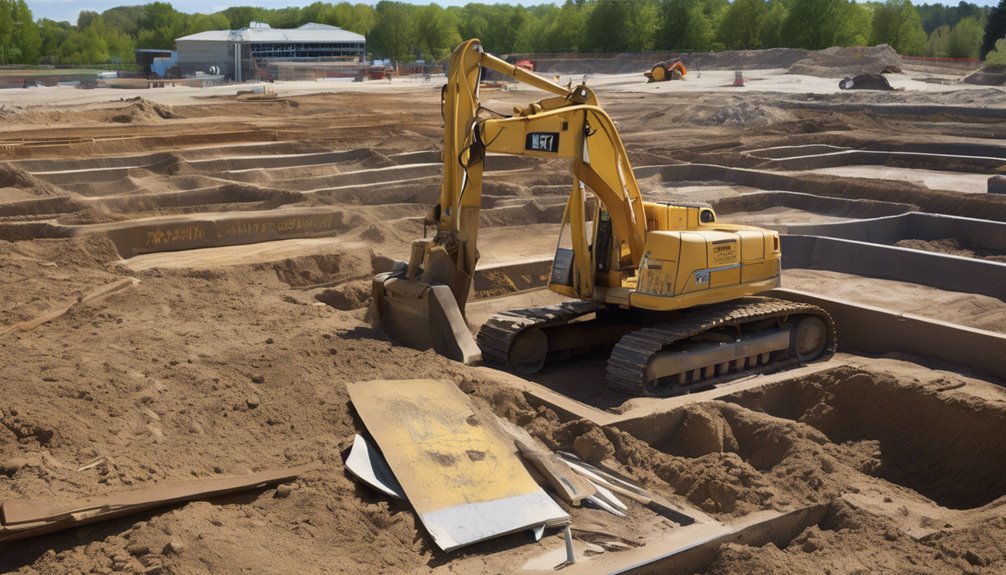
A grading permit is an essential document that allows you to modify the land's surface for construction or development projects.
This permit ensures that your land alterations comply with local regulations and zoning laws. You'll need to submit detailed plans showing how you intend to grade the land, including any drainage systems, cut and fill areas, and erosion control measures.
Typically, you'll apply through your local government or planning department, which may require site inspections. Obtaining a grading permit not only protects the environment but also helps prevent future legal issues or construction delays.
Importance of a Grading Permit

Understanding the importance of a grading permit is crucial for your project's success.
Not only does it ensure you're legally compliant, but it also helps you consider the environmental impact of your work.
Legal Compliance Necessity
When you plan to undertake any significant land alteration, obtaining a grading permit is essential for legal compliance. This permit ensures that your project meets local regulations and safety standards, protecting both you and the environment.
Skipping this step can lead to fines, project delays, and even legal action. Authorities require grading permits to manage land use and prevent potential hazards, such as erosion or flooding.
By securing a permit, you're not just following the law; you're also contributing to responsible development practices. It gives you peace of mind that your project is on solid legal ground.
Environmental Impact Consideration
Securing a grading permit isn't just about legal compliance; it's also about considering the environmental impact of your project.
When you alter the landscape, you're affecting local ecosystems, water drainage, and even wildlife habitats. By obtaining a grading permit, you ensure that you're following regulations designed to protect these vital resources.
You'll need to assess how your project might contribute to erosion, sediment runoff, or pollution, which can harm nearby waterways. Additionally, a permit often requires you to implement measures that mitigate these impacts.
So, by prioritizing environmental concerns, you're not only safeguarding nature but also enhancing your project's long-term sustainability.
When Is a Grading Permit Required?

Have you ever wondered if you need a grading permit for your construction project?
Generally, you'll need a grading permit if your project involves moving or altering the earth, like excavating, filling, or grading that changes the landscape. If you're planning to disturb a certain amount of land—often around 100 cubic yards or more—you'll likely require one.
Additionally, if you're building near a waterway or in a floodplain, permits are usually mandatory to prevent environmental damage. Local regulations vary, so you should check with your city or county's planning department for specific requirements.
Ignoring these rules could lead to fines or delays, so it's always best to be informed before you start your project.
The Grading Permit Application Process

Before you dive into your grading project, it's crucial to understand the grading permit application process.
First, check your local regulations to determine specific requirements for your area. Next, gather all necessary information about your project, including site plans and grading details.
Then, fill out the application form accurately, ensuring you provide all requested information. After submitting your application, expect a review period during which local authorities may request additional details or modifications.
Stay in touch with the permitting office to address any questions promptly. Once your application is approved, you'll receive your grading permit, allowing you to start your project legally and safely.
Following this process can help you avoid delays and potential issues down the line.
Required Documentation for a Grading Permit

When applying for a grading permit, you'll need to gather several key documents to ensure a smooth process.
These documents help demonstrate your project's compliance with local regulations and environmental standards.
Make sure you have the following:
- Site Plan: This detailed map shows the area where grading will occur, including existing features and proposed changes.
- Geotechnical Report: A professional assessment that evaluates soil conditions and provides recommendations for grading methods.
- Environmental Impact Assessment: This document outlines how your project may affect the local ecosystem and any necessary mitigation measures.
Having these documents ready not only speeds up your application but also shows that you're serious about adhering to local guidelines.
Don't underestimate their importance!
Common Challenges in Obtaining a Grading Permit
When you're applying for a grading permit, you might face several challenges that can slow down your progress.
Incomplete application submissions, environmental impact assessments, and local zoning regulations often come into play.
Navigating these hurdles can be tricky, but understanding them can help you prepare better.
Incomplete Application Submissions
Incomplete application submissions are one of the most common challenges you'll face when trying to obtain a grading permit. These incomplete submissions can delay your project and lead to frustration.
Here are some typical issues you might encounter:
- Missing documentation: Ensure all required forms and supporting materials are included.
- Insufficient details: Provide clear and detailed project descriptions to avoid confusion.
- Incorrect fees: Double-check that you've submitted the right payment amount.
To overcome these hurdles, take the time to review your application thoroughly before submission.
It's a good idea to create a checklist of requirements to make sure everything's in order. This proactive approach will streamline the process and increase the likelihood of a swift approval.
Environmental Impact Assessments
Environmental Impact Assessments (EIAs) can significantly complicate the process of obtaining a grading permit, especially if you're unprepared for the requirements.
These assessments evaluate how your proposed project may affect the environment, including land, water, and wildlife. If you don't have a solid understanding of these impacts, you might face delays or even rejection of your permit application.
You'll need to gather data, perform analyses, and possibly consult experts to ensure compliance with local regulations.
Moreover, the timeframe for completing an EIA can vary, adding uncertainty to your project timeline.
To navigate these challenges, start early and be thorough in your assessment. Being proactive can save you time and money in the long run.
Local Zoning Regulations
Navigating local zoning regulations can be one of the biggest hurdles when applying for a grading permit, especially if you're unfamiliar with the rules that govern land use in your area.
These regulations often dictate how and where you can grade, leading to potential complications in your project.
Here are some common challenges you might face:
- Setback Requirements: You may need to keep a certain distance from property lines, affecting your grading plans.
- Land Use Restrictions: Zoning laws can limit the types of activities allowed on your property, impacting your grading options.
- Permitting Processes: Different jurisdictions have varying procedures and timelines, which can delay your project significantly.
Understanding these challenges can help you navigate the process more effectively.
Consequences of Operating Without a Grading Permit

Operating without a grading permit can lead to serious consequences that you may not foresee.
First, you could face hefty fines imposed by local authorities, which can add up quickly. Additionally, your project may be halted, causing delays and extra costs.
If you've already started work, you might've to undo it, wasting time and resources. Not to mention, your reputation could suffer as future clients or partners may view you as unprofessional.
In some cases, you could even face legal action, which can complicate matters further.
Tips for a Successful Grading Permit Application

To avoid the pitfalls of operating without a grading permit, getting your application right from the start is key. Here are some tips to help you succeed:
- Research local regulations: Understand the specific requirements in your area to prevent delays.
- Prepare thorough documentation: Include site plans, environmental impact assessments, and other necessary paperwork to support your application.
- Consult with professionals: Enlist the help of engineers or land surveyors who can provide expertise and ensure accuracy.
Frequently Asked Questions
How Long Does It Take to Receive a Grading Permit?
It typically takes several weeks to process permit applications, depending on the complexity and local regulations. You should check with your local authority for specific timelines and any requirements that might expedite the process.
Can I Appeal a Denied Grading Permit Application?
Yes, you can appeal a denied application. You'll need to gather necessary documentation and submit your appeal within the specified timeframe. Make sure to check local regulations for specific procedures and requirements related to your case.
Are There Fees Associated With a Grading Permit?
Yes, there are often fees associated with permits. You'll need to check with your local authority for specific amounts and any additional costs related to inspections or amendments. Always budget for these expenses in your planning.
Do Grading Permits Expire, and How Can I Renew Them?
Yes, permits can expire. You'll need to check your local regulations for specific timelines. To renew, gather necessary documentation and submit your application before your current permit lapses to avoid delays in your project.
Can Grading Permits Be Transferred to New Property Owners?
You can't typically transfer permits to new property owners. Each permit is usually tied to the original applicant. If you're selling, the new owner will need to apply for their own permits.
Conclusion
In conclusion, securing a grading permit is vital for any construction project that alters land. It not only ensures compliance with local regulations but also protects you from potential fines and delays. By understanding the requirements and preparing thoroughly, you can navigate the application process more smoothly. Remember, taking the time to obtain a grading permit upfront saves you from headaches down the road, allowing you to focus on your project with confidence.