Get an Instant Quote on Homeowners Recovery Fund – Hernando County Bond (Elevator Contractor – 3rd Party Liability) Now!

When hiring an elevator contractor in Hernando County, understanding the intricacies of third-party liability and the Florida Homeowners Recovery Fund is crucial. These elements not only protect your investment but also ensure safety and compliance. You’ll want to know how contractor bonds play a role in this process and what steps you can take to safeguard your interests. Let’s explore how these factors can impact your construction project and what you should be aware of.
Understanding the Florida Homeowners Recovery Fund
If you’ve ever faced issues with your home’s elevator installation or repairs, understanding the Florida Homeowners Recovery Fund can be crucial for your peace of mind.
This fund serves as a safety net for homeowners like you, protecting against financial losses caused by dishonest contractors. If a contractor fails to fulfill their obligations, you might be eligible for compensation through this fund, which can cover damages up to $50,000.
To access it, you’ll need to demonstrate that you’ve made reasonable attempts to resolve your issue directly with the contractor. Keep in mind that filing a claim requires specific documentation, so staying organized is key.
Knowing about this fund empowers you, ensuring you’re not left in a lurch during difficult situations.
Importance of Contractor Bonds in Florida

While navigating the complexities of hiring an elevator contractor in Florida, understanding the importance of contractor bonds can significantly impact your project’s success.
Contractor bonds serve as a safety net, ensuring that the work is completed according to state regulations and standards. They protect you from financial loss if the contractor fails to fulfill their obligations or causes damage.
When a contractor holds a bond, it demonstrates their commitment to quality and accountability. This assurance can give you peace of mind, knowing your investment is safeguarded.
Moreover, hiring a bonded contractor often streamlines the permitting process, making it easier for your project to move forward smoothly.
Ultimately, contractor bonds are vital for protecting both your interests and the project’s integrity.
What Is 3rd Party Liability?
Third-party liability refers to the legal responsibility that can arise when someone outside a contractual agreement is harmed due to the actions or negligence of one of the parties involved.
In the context of construction, this means if an elevator contractor’s work leads to an injury or damage affecting a non-party, they could be held liable. This could include accidents caused by faulty installations or maintenance that result in injuries to bystanders.
It’s crucial for contractors to understand this liability, as it impacts their insurance needs and financial responsibilities.
The Role of the Elevator Contractor

An elevator contractor plays a vital role in ensuring the safe and efficient operation of elevators and escalators in various buildings. You’re responsible for installing, maintaining, and repairing these systems, ensuring they meet safety regulations and manufacturer specifications.
Your expertise helps prevent accidents and minimizes downtime, keeping occupants safe and satisfied. You also conduct regular inspections to identify potential issues before they become serious problems.
By staying updated on industry standards and technology, you ensure that your work remains top-notch. Communicating effectively with clients, you explain necessary repairs or upgrades, fostering trust and transparency.
Ultimately, your diligence and skill not only enhance building functionality but also contribute to a safer environment for everyone who relies on these essential systems.
How the Recovery Fund Protects Homeowners
The Recovery Fund serves as a vital safety net for homeowners in Florida, ensuring you’re protected in case an elevator contractor fails to fulfill their obligations.
If a contractor doesn’t complete work, or if their work results in damages, you can file a claim against the fund. This provides you financial relief, helping you recover losses directly related to the contractor’s negligence.
The fund is designed to cover a variety of situations, from incomplete installations to faulty repairs, giving you peace of mind.
It’s essential to understand that this fund isn’t a substitute for due diligence; however, it does offer an added layer of security as you invest in home improvements involving elevators.
You can proceed with confidence knowing you’re safeguarded.
Steps to Ensure Your Contractor Is Bonded

When hiring an elevator contractor, it’s crucial to ensure they’re bonded.
Start by checking their license status, then verify their bond coverage to protect yourself from potential liabilities.
Finally, don’t hesitate to request proof documents to confirm everything is in order.
Check License Status
How can you be sure your elevator contractor is properly licensed and bonded?
Start by checking their license status with the Florida Department of Business and Professional Regulation. You can easily access this information online. Simply enter the contractor’s name or license number to verify their credentials.
A legitimate contractor should have an active license that matches the work you need done. Don’t hesitate to ask for their license number directly if you can’t find it online.
Additionally, inquire about their bonding status to ensure they meet all local requirements. This will give you peace of mind, knowing you’re working with a qualified professional who’s committed to following Florida’s regulations on elevator installations.
Verify Bond Coverage
After confirming your contractor’s license status, it’s important to verify their bond coverage. A bond protects you from potential financial loss if the contractor fails to meet their obligations.
Start by asking your contractor for their bond details, including the bond amount and the issuing company. You can then contact the bonding company directly to confirm the bond’s validity and ensure it’s active.
This step is crucial because it provides peace of mind, knowing you’re protected in case of any issues. Don’t hesitate to ask for clarification on any terms you don’t understand; a reputable contractor will be happy to explain.
Request Proof Documents
To ensure your contractor is properly bonded, start by requesting proof documents that confirm their bond coverage.
Ask for a copy of their bond certificate, which should detail the bond amount and the bonding company‘s information. Verify that the bond is active and covers the type of work you’re hiring the contractor for.
Don’t hesitate to contact the bonding company directly to confirm the details. Additionally, request any licenses or permits that the contractor holds, as this can further validate their legitimacy.
If they’re hesitant to provide these documents, consider it a red flag. Ensuring your contractor has proper bonding protects you from potential liabilities and gives you peace of mind throughout your project.
Common Issues Covered by the Recovery Fund
When dealing with elevator contractors in Florida, it’s important to know about common issues the Recovery Fund covers.
You might encounter problems like fraudulent contractor claims, unpaid contract obligations, or disputes over improper workmanship.
Understanding these issues can help you navigate the complexities of contractor liability more effectively.
Fraudulent Contractor Claims
Although the construction industry is vital for Florida’s economy, it also attracts fraudulent contractor claims that can leave unsuspecting clients in a difficult position.
You might encounter contractors who promise high-quality work but deliver subpar results or fail to complete projects altogether. These dishonest individuals often take your money upfront, leaving you with unfinished work and a headache.
The Florida Homeowners Recovery Fund aims to protect you from these fraudulent practices. If you’ve fallen victim to a deceitful contractor, you can potentially recover your losses through this fund.
It’s crucial to verify a contractor’s credentials and reputation before hiring. By staying vigilant, you can minimize the risk of falling prey to fraudulent claims and ensure a smoother construction experience.
Unpaid Contract Obligations
If you find yourself dealing with unpaid contract obligations, you’re not alone; many homeowners face this issue when contractors neglect their financial commitments. This can lead to significant stress and potential financial loss.
Fortunately, the Florida Homeowners Recovery Fund can help in such cases. Here are some common issues covered by the fund:
- Non-payment for materials or services provided
- Unsettled invoices or outstanding balances
- Unpaid subcontractor claims affecting your project
- Delayed payments causing project stalls
Understanding these issues is crucial for navigating contractor relationships. If your contractor fails to meet their obligations, you may be eligible for financial recovery through this fund, providing some peace of mind during challenging situations.
Improper Workmanship Disputes
Improper workmanship can lead to significant headaches for homeowners, especially when a contractor fails to meet industry standards or the specific requirements of your project.
You might notice issues like uneven flooring, faulty electrical work, or improperly installed elevators. These problems not only affect the functionality of your home but can also pose safety risks.
When you encounter such disputes, the Florida Homeowners Recovery Fund can provide relief. If your contractor’s poor workmanship results in financial loss, you may be eligible for compensation.
It’s crucial to document all issues and attempts to resolve them with your contractor. Remember, you deserve a home that’s safe and meets your expectations, and resources are available to help you if things go wrong.
Navigating Claims With the Recovery Fund
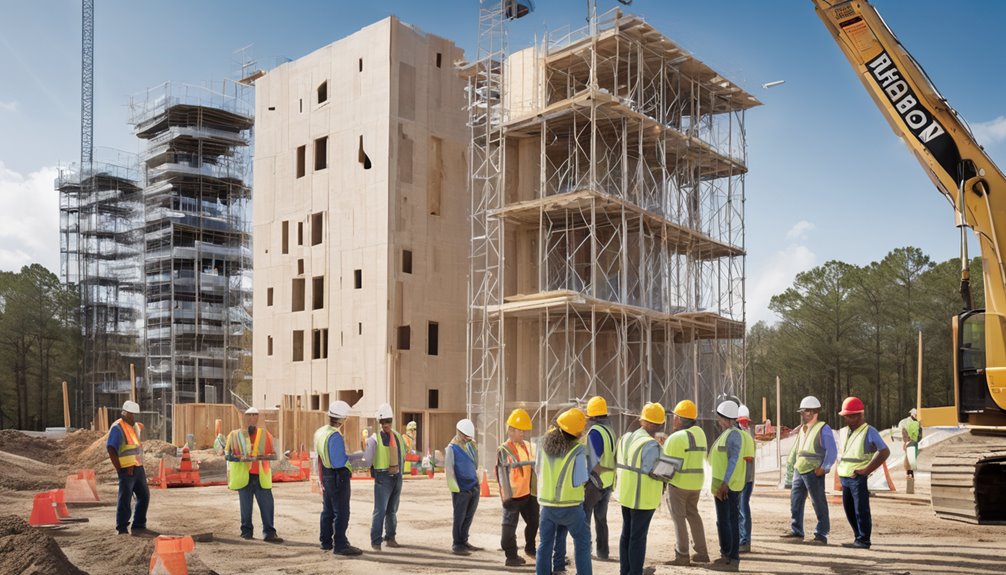
When you encounter issues with elevator contractors in Florida, navigating claims with the Recovery Fund can be essential for obtaining compensation.
Here’s how to effectively approach your claim:
- Document Everything: Keep detailed records of all communications and transactions with the contractor.
- File Promptly: Submit your claim as soon as you realize there’s a problem; delays can jeopardize your eligibility.
- Understand Eligibility: Familiarize yourself with the criteria for claims, ensuring you meet all necessary requirements.
- Seek Assistance: Consider consulting a legal expert or a claims specialist to help guide you through the process.
Frequently Asked Questions
What Types of Elevators Require a Licensed Contractor in Florida?
In Florida, you’ll need a licensed contractor for various elevator types, including commercial, residential, and service elevators. If you’re installing or maintaining them, ensure your contractor has the proper licenses to comply with state regulations.
How Long Does the Claim Process Take With the Recovery Fund?
The claim process with the recovery fund usually takes several months. It depends on the completeness of your documentation and any additional investigations. You’ll want to stay in touch for updates and potential delays.
Can Homeowners File Multiple Claims Against the Recovery Fund?
Yes, you can file multiple claims against the recovery fund, as long as each claim meets the necessary criteria. It’s important to gather all required documentation to support each claim for a smoother process.
Are There Limits on the Amount Recoverable From the Recovery Fund?
Yes, there’re limits on the amount you can recover from the fund. Typically, these limits are set by regulations and may vary depending on the type of claim, so you should check the specific guidelines.
What Documentation Is Needed to File a Claim With the Recovery Fund?
To file a claim with the recovery fund, you’ll need documentation such as proof of loss, contracts, invoices, and any correspondence related to your claim. Ensure everything’s organized to expedite the review process.
Conclusion
In Hernando County, understanding the complexities of third-party liability and the Florida Homeowners Recovery Fund is essential for homeowners. By ensuring your elevator contractor is bonded, you not only comply with local regulations but also protect yourself from potential fraud. The Recovery Fund serves as a vital safety net, offering compensation for financial losses due to contractor negligence. Don’t overlook these critical steps—prioritizing safety and accountability in your elevator projects can save you from future headaches.