Get an Instant Quote on Homeowners Recovery Fund – Hernando County Bond (Building Contractor – 3rd Party Liability) Now!

When hiring a building contractor in Hernando County, it’s crucial to understand the implications of third-party liability. This can affect not just your project, but also your finances. The Florida Homeowners Recovery Fund is designed to provide a safety net, but it’s essential to know how it works. Plus, there are bond requirements that contractors must meet. What do you need to know to protect yourself and ensure a successful project?
Overview of the Florida Homeowners Recovery Fund
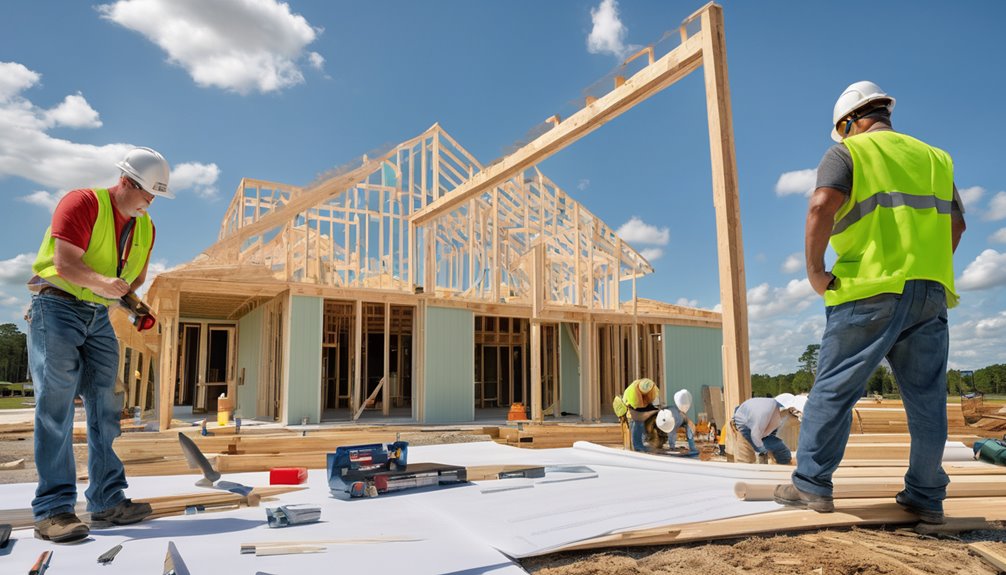
If you’re a Florida homeowner facing issues with a contractor, understanding the Florida Homeowners Recovery Fund can be crucial.
This fund is designed to protect you from financial loss due to a contractor’s misconduct, such as fraud or failure to complete a project. If you’ve been wronged, you might be eligible for compensation from this fund, which can cover damages up to $50,000.
To access it, you’ll need to file a complaint and prove your case, showing that the contractor violated the law or acted unethically. It’s important to keep thorough records of your interactions and any financial losses.
Knowing your rights and the resources available can make a significant difference in your situation.
Understanding 3rd Party Liability in Construction
While working on a construction project, you mightn’t realize that third-party liability can significantly impact both contractors and homeowners.
Essentially, this liability means you’re responsible for any harm or damage that occurs to people or property outside of your contract. If a passerby gets injured on-site or a neighbor’s property is damaged, you could be held liable, which might lead to costly legal battles.
This is where insurance becomes crucial; it protects you from financial losses and helps cover expenses related to claims. Understanding third-party liability not only safeguards your finances but also fosters trust with clients and the community.
Being aware of these responsibilities can ultimately ensure smoother project execution and a solid reputation in the construction industry.
Importance of Contractor Licensing in Hernando County
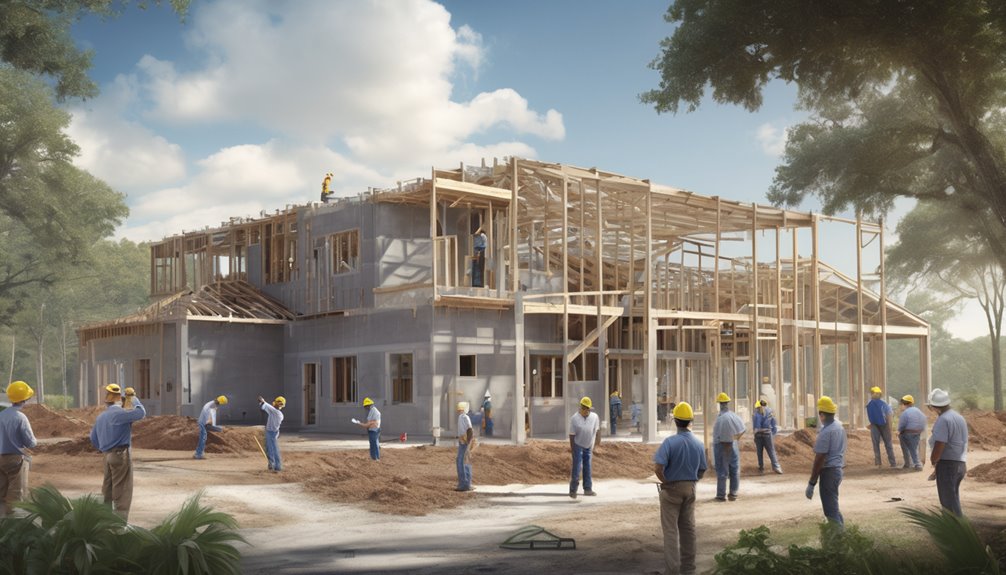
Navigating the complexities of construction liability extends beyond understanding third-party risks; it also involves ensuring that you’re properly licensed.
In Hernando County, contractor licensing isn’t just a formality; it’s a safeguard for you and your clients. When you hold a valid license, you demonstrate your commitment to professionalism and adherence to local regulations. This not only builds trust with homeowners but also minimizes your liability exposure.
A licensed contractor has met specific standards, ensuring that your work complies with safety and building codes. Additionally, being licensed often opens doors to insurance and bonding options, providing extra layers of protection.
Ultimately, maintaining your contractor license is essential for your business’s credibility and long-term success in Hernando County.
Bond Requirements for Contractors in Hernando County

In Hernando County, understanding bond requirements is crucial for contractors looking to operate legally and effectively.
You’ll need to obtain a contractor bond, which acts as a financial guarantee that you’ll comply with local regulations and fulfill your contractual obligations. Typically, the bond amount varies based on the type of work you do and can range from $5,000 to $10,000.
This bond protects clients against potential losses due to incomplete work or regulatory violations. To secure your bond, you’ll need to provide personal and business information, undergo a credit check, and possibly pay a premium based on your financial stability.
Meeting these bond requirements not only boosts your credibility but also enhances your chances of winning contracts in Hernando County.
The Role of the Homeowners Recovery Fund in Contractor Disputes

The Homeowners Recovery Fund serves as a crucial safety net for homeowners facing contractor disputes in Florida.
If you’ve been wronged by a contractor, understanding the claim filing process and the eligibility criteria can help you access this fund.
Let’s explore how this resource can protect your investment and provide you with relief.
Purpose of Recovery Fund
Contractor disputes can lead to significant financial strain for homeowners, making the Homeowners Recovery Fund an essential safety net. This fund serves as a financial resource when you face losses due to a contractor’s failure to fulfill their obligations.
It helps protect you from the repercussions of shoddy workmanship, incomplete projects, or fraud. By providing compensation, the Recovery Fund aims to give you peace of mind, knowing that there’s a way to recover your investment.
This safety net encourages accountability among contractors, as they’re aware that their actions can directly impact their reputation and business. Ultimately, the Fund plays a crucial role in maintaining trust and stability within Florida’s construction industry, benefiting both homeowners and honest contractors alike.
Claim Filing Process
When facing issues with a contractor, knowing how to navigate the claim filing process for the Homeowners Recovery Fund can make a significant difference in your recovery efforts.
Start by gathering all relevant documentation related to your dispute. This includes contracts, invoices, and any correspondence with the contractor.
Next, follow these steps:
- Complete the claim form: Ensure all sections are filled accurately.
- Attach supporting documents: Include evidence of your claim.
- Submit your claim: Send it to the appropriate agency or department.
- Follow up: Stay in contact to check on your claim’s status.
Fund Eligibility Criteria
Understanding the eligibility criteria for the Homeowners Recovery Fund can significantly impact your ability to recover losses from an unlicensed or negligent contractor. To qualify, you must be a homeowner who’s incurred damages due to a contractor’s actions.
First, ensure the contractor was licensed at the time of the work. Next, you’ll need to provide evidence of your financial loss, which may include contracts, receipts, or invoices.
You must also have made a reasonable effort to resolve the dispute directly with the contractor before seeking recovery. Remember, claims can only be filed within two years of the contract date or the completion of the work, so act promptly to protect your rights and secure potential compensation.
Steps Homeowners Should Take Before Hiring a Contractor
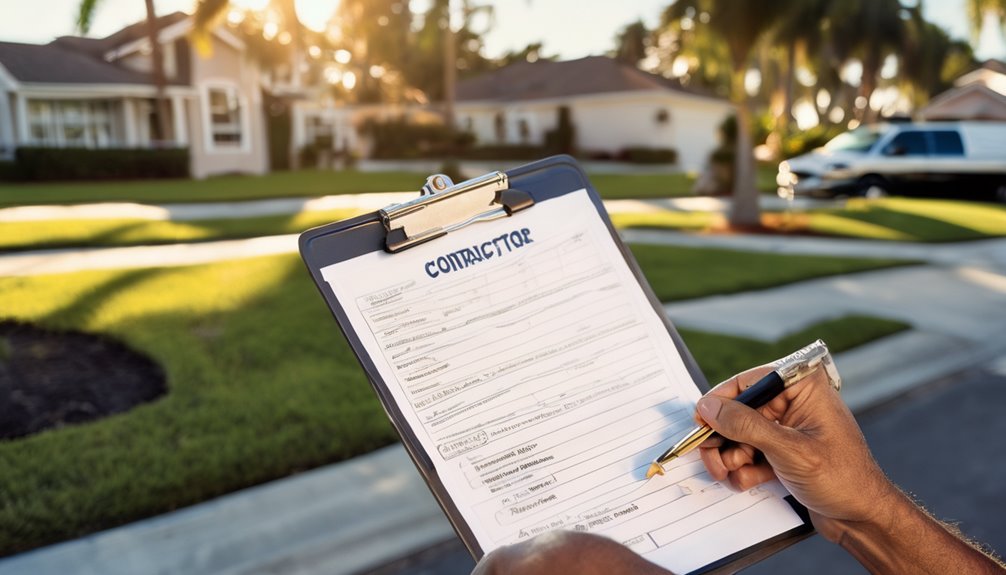
Before hiring a contractor, you should verify their credentials to ensure they’re licensed and insured.
It’s also smart to request detailed estimates to avoid any surprises down the line.
Taking these steps can help protect you from potential issues and ensure a smoother project.
Verify Contractor Credentials
Verifying contractor credentials is essential to ensure you’re hiring a qualified professional for your project. Start by checking their licensing status through your state’s licensing board.
Next, confirm their insurance coverage to protect yourself from potential liabilities. Don’t forget to look for any past complaints or disciplinary actions against them.
Finally, ask for references and take the time to reach out to previous clients to gauge their satisfaction.
- Check the contractor’s state licensing and qualifications.
- Verify their insurance coverage for liability and workers’ compensation.
- Research any complaints or disciplinary actions on record.
- Contact references to understand the contractor’s reliability and quality of work.
Taking these steps will help you make an informed decision.
Request Detailed Estimates
Once you’ve confirmed a contractor’s credentials, the next step is to request detailed estimates for your project.
Reach out to at least three contractors to ensure you get a well-rounded view of costs and services. When asking for estimates, be specific about your project’s scope, materials, and timelines. This clarity helps contractors provide accurate pricing.
Don’t hesitate to ask questions about their estimates, including labor costs, material choices, and any potential additional fees. Comparing these estimates not only reveals the best price but also helps you gauge the contractors’ professionalism and communication style.
How to File a Claim With the Homeowners Recovery Fund
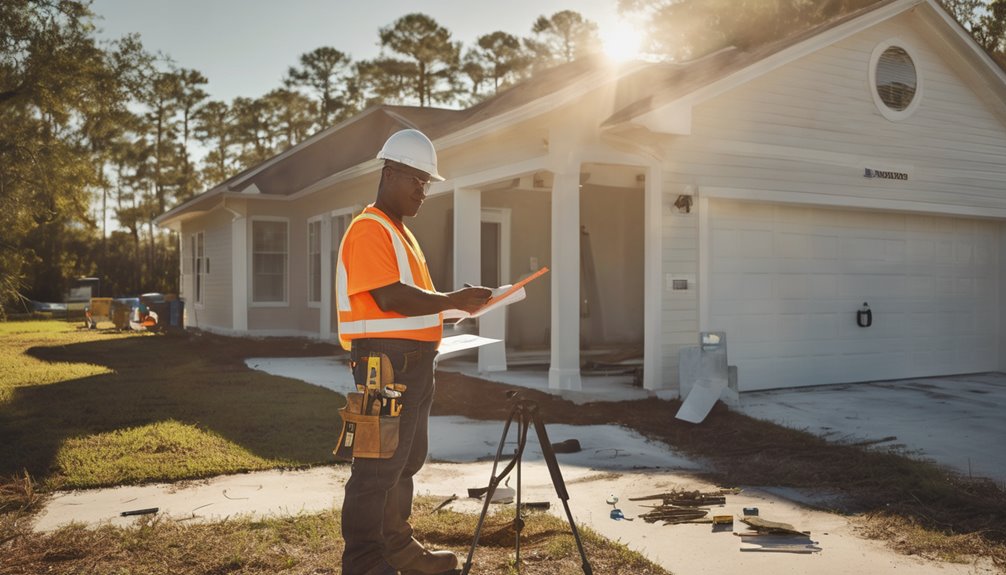
If you’ve experienced financial loss due to a contractor’s misconduct, filing a claim with the Homeowners Recovery Fund can be a crucial step in seeking restitution.
To get started, follow these steps:
- Gather all relevant documentation, such as contracts, receipts, and communication with the contractor.
- Complete the claim form provided by the Florida Department of Business and Professional Regulation (DBPR).
- Submit your claim within the required timeframe, typically within two years of the misconduct.
- Be prepared to provide evidence of your financial loss, including any additional costs incurred due to the contractor’s failure.
Common Issues Homeowners Face With Contractors
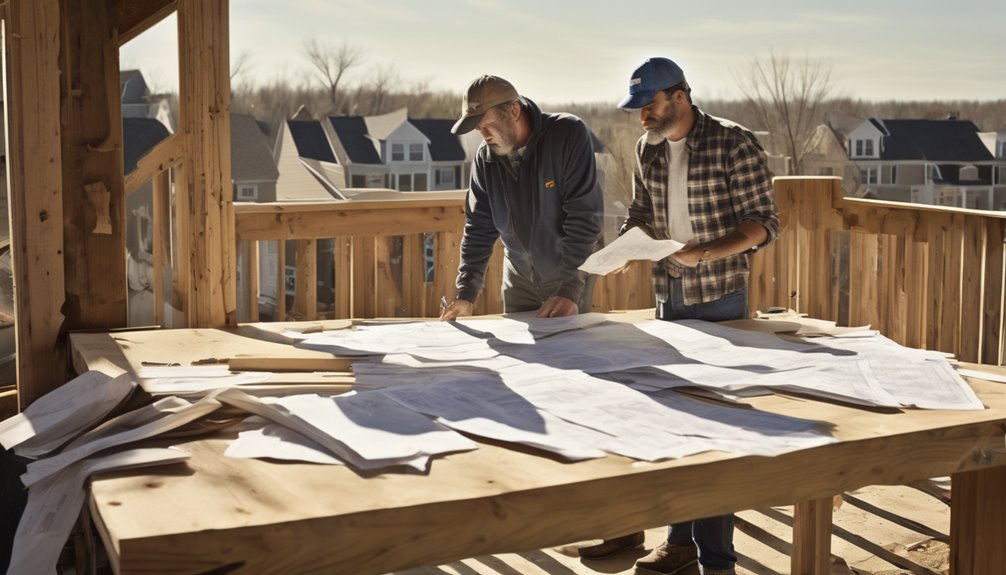
What challenges do homeowners often face when working with contractors? One major issue is miscommunication. You might’ve your vision, but if it isn’t clearly conveyed, it can lead to disappointing results.
Delays are another common problem; contractors may underestimate timelines, leaving you in limbo. Additionally, some homeowners encounter unexpected costs. A quoted price can balloon due to unforeseen complications or change orders.
Quality of work also varies; not all contractors uphold the same standards, which can result in subpar outcomes. Lastly, trust is crucial. You may struggle with finding a contractor who’s reliable and honest, leaving you feeling vulnerable.
Addressing these challenges upfront can help create a smoother experience.
Best Practices for Ensuring Contractor Accountability
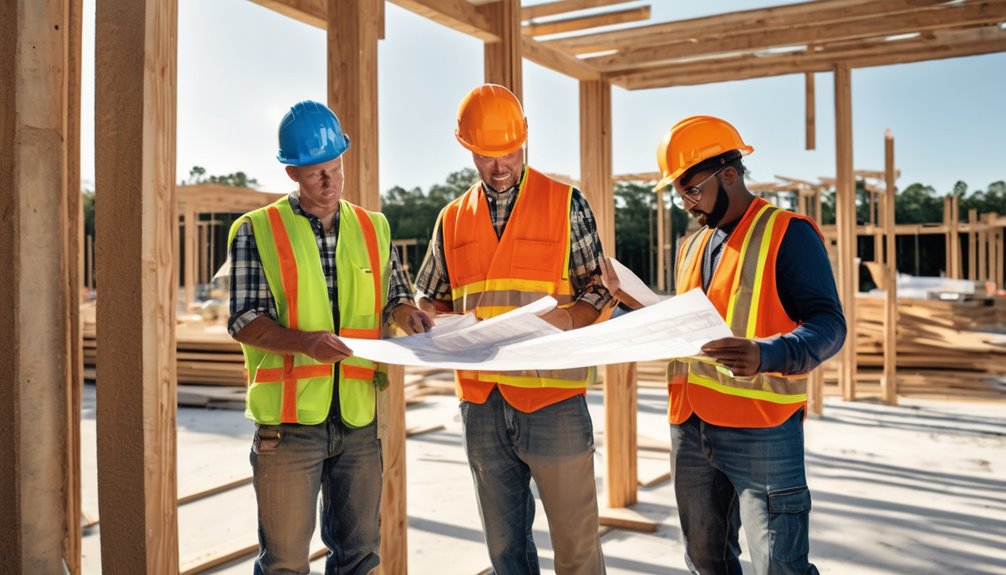
To navigate the challenges homeowners face with contractors, implementing best practices for accountability is vital.
By following these strategies, you can ensure your contractor remains responsible and your project stays on track.
- Research contractors thoroughly: Check licenses, reviews, and past work.
- Draft detailed contracts: Outline specific tasks, timelines, and payment schedules.
- Maintain open communication: Regularly discuss progress and address concerns promptly.
- Document everything: Keep records of agreements, changes, and communications.
Frequently Asked Questions
What Is the Eligibility Criteria for Filing a Claim?
To file a claim, you typically need to demonstrate direct harm, meet deadlines, provide documentation supporting your case, and ensure you’ve followed all necessary procedures. Check specific guidelines for your situation to confirm eligibility.
How Long Does It Take to Process a Claim?
It usually takes several weeks to process your claim, but the exact timeframe can vary based on the complexity of your case. You should stay in touch with the processing team for updates.
Are There Limits on the Amount Recoverable From the Fund?
Yes, there’re limits on the amount you can recover from the fund. Typically, these limits ensure fair distribution among claimants while protecting the fund’s integrity, so it’s important to check the specific guidelines.
Can Contractors Appeal Claims Made Against Them?
Yes, you can appeal claims made against you. You’ll need to follow specific procedures to ensure your appeal is considered, so be sure to gather all necessary documentation and present your case effectively.
What Documentation Is Needed to Support a Claim?
To support a claim, you’ll need relevant contracts, invoices, receipts, evidence of damages, and any correspondence related to the issue. Gathering this documentation early can strengthen your case and help resolve disputes efficiently.
Conclusion
In Hernando County, understanding third-party liability and the Florida Homeowners Recovery Fund is essential for homeowners. By ensuring your contractor is licensed and bonded, you protect yourself from potential disputes and losses. If issues arise, knowing how to file a claim with the Recovery Fund can provide financial relief. Always do your homework before hiring a contractor and stay informed about best practices for accountability. This proactive approach fosters a smoother, more successful construction experience.