Get an Instant Quote on Homeowners Recovery Fund – Hernando County Bond (Alarm Contractor – 3rd Party Liability) Now!

If you’re an alarm contractor in Hernando County, understanding the bonding requirements and the role of the 3rd Party Liability Fund is crucial for your business. These regulations not only protect homeowners but also hold you accountable for your work. As you navigate these responsibilities, you might wonder how these funds actually work and what steps you need to take to ensure compliance. Let’s explore the details that could impact your operations.
Overview of the Alarm Contractor – 3rd Party Liability Fund

When you think about hiring an alarm contractor in Florida, it’s crucial to understand the role of the 3rd Party Liability Fund. This fund provides financial protection for consumers like you in case of damages or losses caused by a contractor’s work.
If a contractor fails to meet their obligations or causes harm, you can file a claim against this fund, ensuring you’re not left in the lurch. This safety net is especially important in the alarm industry, where improper installation or service can lead to significant risks.
Importance of the Homeowners Recovery Fund

Security is paramount for homeowners, and that’s where the Homeowners Recovery Fund comes into play. This fund is essential for providing a safety net, ensuring you’re protected from financial losses caused by negligent actions of alarm contractors.
If you’ve suffered damages due to a contractor’s misconduct, the Recovery Fund can help you recover your losses, giving you peace of mind. It’s not just about protecting your property; it’s about safeguarding your investment and your family’s safety.
Bonding Requirements for Alarm Contractors in Hernando County

If you’re considering becoming an alarm contractor in Hernando County, you’ll need to understand the bonding requirements involved.
This includes knowing the licensing and registration process, the bond amount you’ll need, and how to comply with local regulations.
Meeting these requirements is essential for operating legally and protecting your business.
Licensing and Registration Process
To operate legally as an alarm contractor in Hernando County, you’ll need to navigate the licensing and registration process, which includes specific bonding requirements.
Here’s what you need to do:
- Complete an Application: Fill out the required application form for your alarm contractor license, ensuring all information is accurate.
- Obtain Background Checks: Undergo any necessary background checks to verify your qualifications and ensure compliance with local laws.
- Secure Bonding: Obtain the appropriate bond as required by Hernando County regulations to protect clients and ensure financial responsibility.
Bond Amount Requirements
When operating as an alarm contractor in Hernando County, understanding the bond amount requirements is crucial for your compliance and credibility.
The county mandates that you secure a surety bond, typically set at $5,000. This bond acts as a financial guarantee, ensuring you’ll adhere to local regulations and fulfill your contractual obligations.
It’s important to choose a reputable bonding company to facilitate this process, as your bond reflects your professionalism and reliability in the industry.
Additionally, maintaining your bond is essential; any claims against it can impact your ability to operate. Be proactive in keeping your bond current to avoid disruptions in your business and to ensure a positive reputation within the community.
Compliance With Local Regulations
Compliance with local regulations is essential for alarm contractors in Hernando County, as it ensures not only the legality of your operations but also the safety and security of your clients.
By adhering to these regulations, you show professionalism and commitment to quality service.
Here are three key aspects to focus on:
- Licensing: Ensure you’re properly licensed by the state and local authorities before starting any work.
- Bonding: Obtain the necessary bonds to protect your clients and yourself from potential liabilities.
- Permits: Always secure the required permits for installations and modifications to alarm systems.
How the Recovery Fund Protects Homeowners

The Recovery Fund serves as a financial safety net for homeowners, ensuring you’re protected against potential losses from alarm contractors.
Understanding the claim process and eligibility criteria is essential for making the most of this safeguard.
Let’s explore how you can access these benefits if needed.
Financial Safety Net
Although many homeowners may not think about it, the Recovery Fund plays a crucial role in safeguarding your financial investment in alarm systems. This fund acts as a financial safety net, ensuring that you’re protected if something goes wrong.
Here’s how it helps you:
- Compensation for Losses: If an alarm contractor fails to deliver or causes damage, you can recover your losses through the fund.
- Peace of Mind: Knowing that there’s a safety net gives you confidence in your investment and encourages you to choose quality contractors.
- Encourages Accountability: The existence of the Recovery Fund urges contractors to uphold high standards, knowing they’re accountable for their work.
With these protections, you can feel secure about your alarm system investment.
Claim Process Overview
When you need to file a claim with the Recovery Fund, understanding the process can make all the difference.
Start by gathering all relevant documentation, such as contracts, receipts, and any correspondence with your contractor. Then, complete the claim form provided by the Recovery Fund, ensuring you include all necessary details about your situation.
Once your claim is submitted, it’ll be reviewed for validity. You might’ve to provide additional information or clarification, so be prepared for follow-up questions.
After the review, you’ll receive notification about the outcome. If approved, you’ll be compensated for your losses.
This process aims to protect you, ensuring you have recourse if a contractor fails to meet their obligations.
Eligibility Criteria Explained
To qualify for the Recovery Fund, you must meet specific eligibility criteria designed to protect homeowners like you.
This fund serves as a safety net for those who experience financial loss due to contractor negligence. Here are three key criteria you need to be aware of:
- Licensed Contractors: The contractor must hold a valid license and be in good standing with the state.
- Verified Claims: You must provide documented proof of your claim, showing the contractor’s failure to uphold their end of the contract.
- Timely Submission: Claims should be submitted within a certain timeframe after the contractor’s breach to ensure eligibility.
Steps for Homeowners to Access the Recovery Fund

If you’ve encountered issues with your alarm contractor, accessing the Recovery Fund in Florida can provide you with some financial relief.
Start by gathering all documentation related to your claim, including contracts, invoices, and correspondence with your contractor.
Next, file a complaint with the Florida Department of Business and Professional Regulation. This step is crucial as it initiates the investigation process.
Afterward, submit your claim to the Recovery Fund, making sure to include all supporting documents and evidence of your financial loss.
Keep track of all communications, and be prepared to follow up regularly.
Finally, stay patient, as the process may take time, but these steps can help you secure the compensation you deserve.
Responsibilities of Alarm Contractors
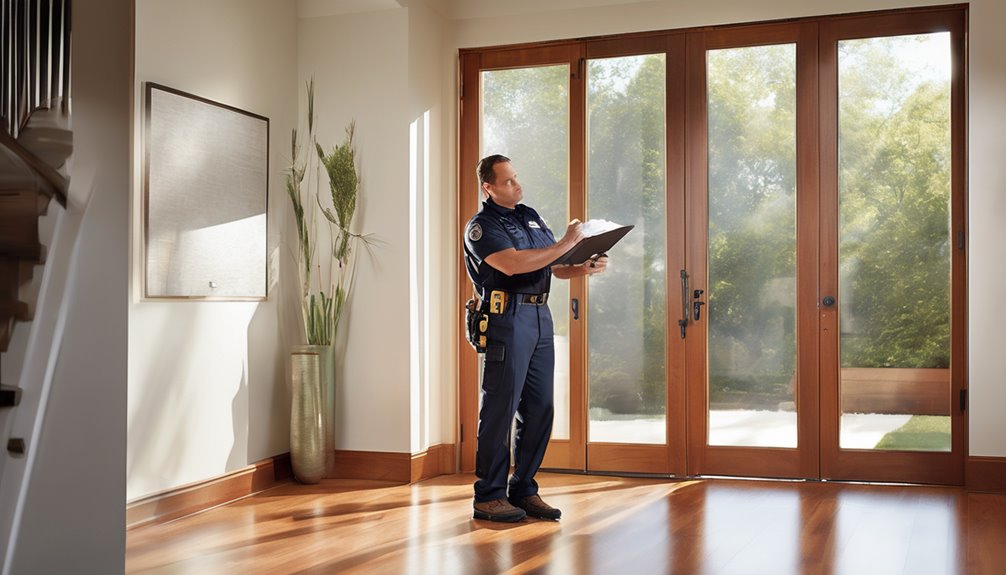
Alarm contractors have a crucial role in ensuring the safety and security of your property, as they’re responsible for designing, installing, and maintaining alarm systems that meet industry standards.
Their responsibilities extend beyond simply setting up equipment; they must also ensure that everything functions properly and complies with local regulations.
Here are three key responsibilities you should expect from an alarm contractor:
- System Design: They assess your property’s layout to create an effective alarm system tailored to your needs.
- Installation: Proper installation is essential for the system’s effectiveness, ensuring all components are correctly placed and connected.
- Maintenance and Support: They provide ongoing support and regular maintenance checks to ensure your alarm system remains fully operational.
Navigating the Regulatory Landscape in Florida

Understanding the responsibilities of alarm contractors is just the beginning when it comes to ensuring your security system is compliant with Florida’s regulatory framework. You need to familiarize yourself with state laws governing alarm installations, licensing requirements, and insurance obligations.
Make sure to obtain the necessary permits before starting work to avoid fines. Staying updated on any changes in legislation is crucial since regulations can evolve.
Additionally, consider joining professional organizations that provide resources and training on compliance. Engaging with local authorities can also help you navigate any specific county regulations.
Frequently Asked Questions
What Types of Claims Are Eligible for the Recovery Fund?
You’ll find that eligible claims for the recovery fund typically involve financial losses due to contractor fraud, negligence, or failure to complete a project. Ensure you meet specific criteria to qualify for assistance.
Are There Limits on the Amount Homeowners Can Recover?
Yes, there are limits on the amount homeowners can recover. Typically, these limits vary by jurisdiction and specific fund guidelines, so it’s essential to check the local regulations to understand your potential recovery options.
How Long Does the Claim Process Take?
The claim process usually takes several weeks to a few months, depending on the complexity of your case and the documentation you provide. Staying organized and responsive can help speed up the process significantly.
Can Homeowners Appeal a Denied Claim?
Yes, you can appeal a denied claim. You’ll need to gather supporting documents and submit a formal request to the appropriate authority, ensuring you clearly explain why you believe the denial was incorrect.
What Happens if the Contractor Goes Bankrupt?
If the contractor goes bankrupt, you might face delays in project completion or financial loss. You should explore other options, like filing a claim with their insurance or seeking legal advice to recover your losses.
Conclusion
In summary, as an alarm contractor in Hernando County, understanding the bonding requirements and the importance of the 3rd Party Liability Fund is essential. By complying with these regulations, you’re not only protecting yourself but also ensuring peace of mind for homeowners. The Homeowners Recovery Fund serves as a safety net for those affected by contractor negligence, reinforcing the standards of accountability in the industry. Stay informed and committed to safeguarding both property and family safety.