If you're involved in land development in Santa Barbara County, understanding the Grading/Stockpile/Improvement Bond is crucial. This bond serves as a financial safety net, ensuring compliance with local regulations while safeguarding community interests. You might wonder about the specific regulations, the application process, and the potential challenges you could face. Let's explore these aspects and see how they impact your development projects and the local community.
Understanding the Grading/Stockpile/Improvement Bond
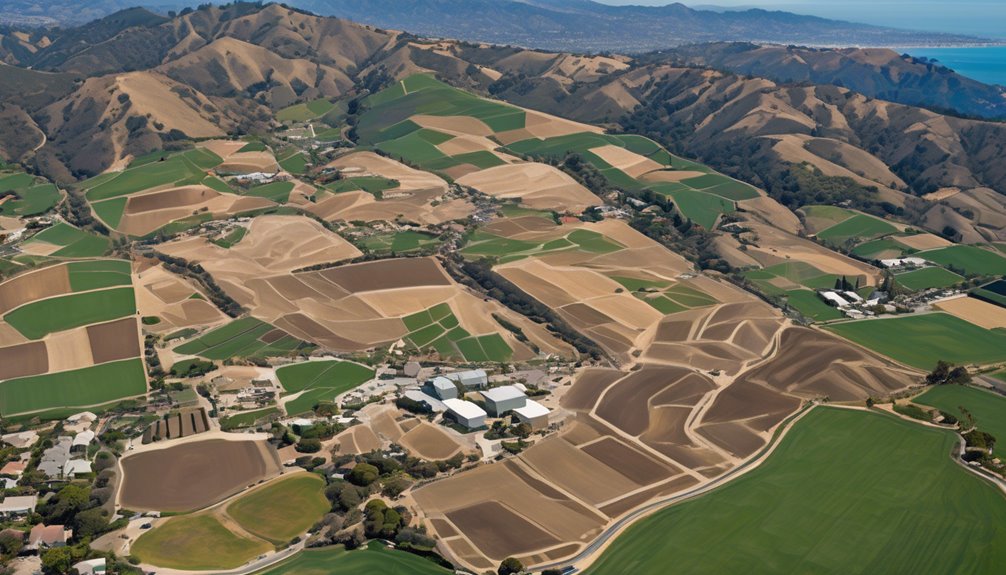
When you're planning a project in Santa Barbara County that involves grading, stockpiling, or improvements, understanding the Grading/Stockpile/Improvement Bond is crucial.
This bond acts as a financial guarantee to ensure that your project complies with local regulations. It covers potential costs associated with damages or incomplete work, protecting both you and the county.
Before you start, you'll need to secure this bond, which usually requires a specific amount based on your project's scope.
Reviewing the county's requirements for the bond can save you from unexpected delays or penalties. Additionally, it's wise to consult with professionals familiar with local regulations to streamline the process.
Purpose of the Bond in Land Development

When you consider land development, the bond serves as a crucial financial assurance for your projects.
It helps ensure compliance with regulations and provides a safety net against potential risks.
Understanding its purpose can significantly impact your project's success and stability.
Financial Assurance for Projects
Financial assurance plays a crucial role in land development projects, ensuring that developers fulfill their obligations to complete necessary improvements and mitigations.
By providing a bond, you're essentially guaranteeing that funds are available to cover costs if you fail to meet your commitments. This financial backing instills confidence in the community and local authorities, knowing that resources will be allocated to complete the project as planned.
It protects against potential delays or incomplete work, fostering a smoother development process. Plus, having this bond can enhance your credibility as a developer, demonstrating your commitment to responsible project management.
In short, securing financial assurance is vital for the success of your land development endeavors.
Compliance With Regulations
Securing a bond not only ensures that funds are available for project completion but also plays a pivotal role in compliance with regulations.
When you enter the land development process, you must adhere to local, state, and federal guidelines. The bond acts as a safeguard, showing that you're committed to following these rules. It helps you avoid costly fines or legal issues by ensuring that all necessary permits and inspections are obtained.
Risk Mitigation Strategies
Though navigating the complexities of land development can be challenging, employing risk mitigation strategies is essential for your project's success.
Start by conducting thorough site assessments to identify potential hazards, like erosion or flooding. Establish a robust grading plan and ensure compliance with local regulations to minimize risks.
Securing a Grading/Stockpile/Improvement Bond not only provides financial protection but also reassures stakeholders that you're prepared for unforeseen issues.
Regularly monitor your project's progress and adapt your strategies as needed. Engage with experienced professionals who can offer insights and guidance throughout the process.
Key Regulations Governing the Bond
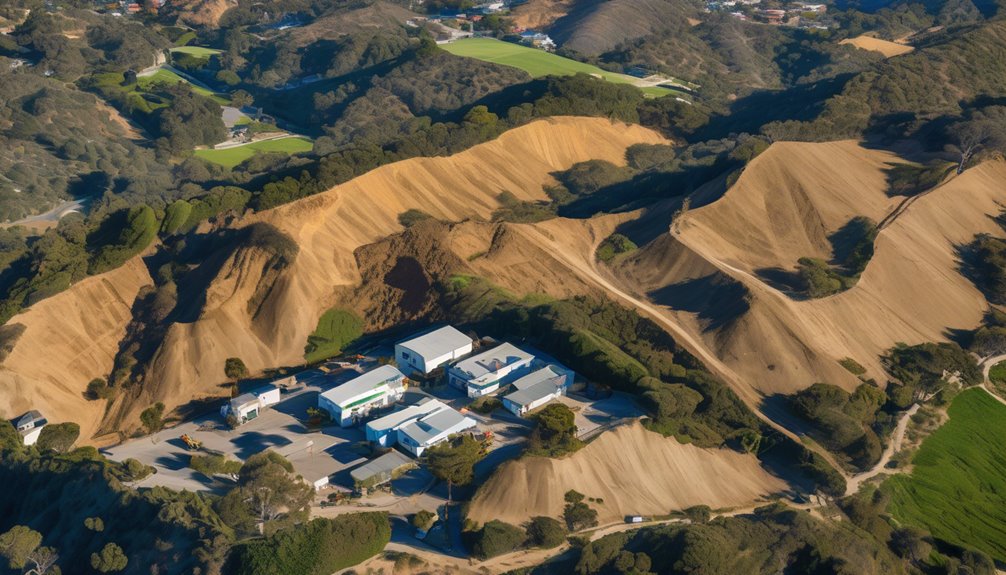
When navigating the key regulations governing the bond in Santa Barbara County, it's essential to understand how these rules shape the financial landscape.
First, familiarize yourself with the California Government Code, which outlines the requirements for bonds related to grading, stockpiling, and improvements. You'll need to ensure that your bond amount meets the county's minimum standards, typically based on project scope and estimated costs.
Additionally, you'll want to comply with the county's specific guidelines regarding insurance and liability coverage. Keep in mind that the regulations aim to protect public interests and ensure project completion.
Staying informed about these requirements will help you avoid potential pitfalls and facilitate smoother project execution in the county.
Application Process for Obtaining the Bond

To obtain the bond in Santa Barbara County, you'll need to gather specific documentation that demonstrates your eligibility.
The approval timeline can vary, so it's important to plan ahead and submit your application promptly.
Let's explore what paperwork you'll need and how long the process typically takes.
Required Documentation
As you begin the application process for obtaining the bond, you'll need to gather specific documentation to ensure a smooth submission.
Start by collecting your project plans, which should detail the scope of work. You'll also need to provide a site map that outlines the area impacted by your grading, stockpile, or improvement activities.
Financial statements are essential, demonstrating your ability to complete the project. Additionally, prepare a copy of any permits or approvals from the relevant authorities.
Don't forget to include a completed application form, signed and dated. Lastly, be ready to present proof of insurance as required.
Having these documents ready will greatly enhance your chances of a successful bond application.
Approval Timeline
Understanding the approval timeline for your bond application is crucial, since it can significantly impact your project's schedule.
Typically, you should expect the review process to take anywhere from a few weeks to a couple of months, depending on the complexity of your project and the completeness of your submitted documents.
To expedite the process, ensure all required documents are accurate and submitted promptly.
After you submit your application, the county will review it, which may involve site inspections or requests for additional information.
Once the review is complete, you'll receive a decision. If approved, you can then proceed with the bond issuance.
Staying proactive in communication with county officials can help clarify any delays and keep your project on track.
Financial Implications for Developers
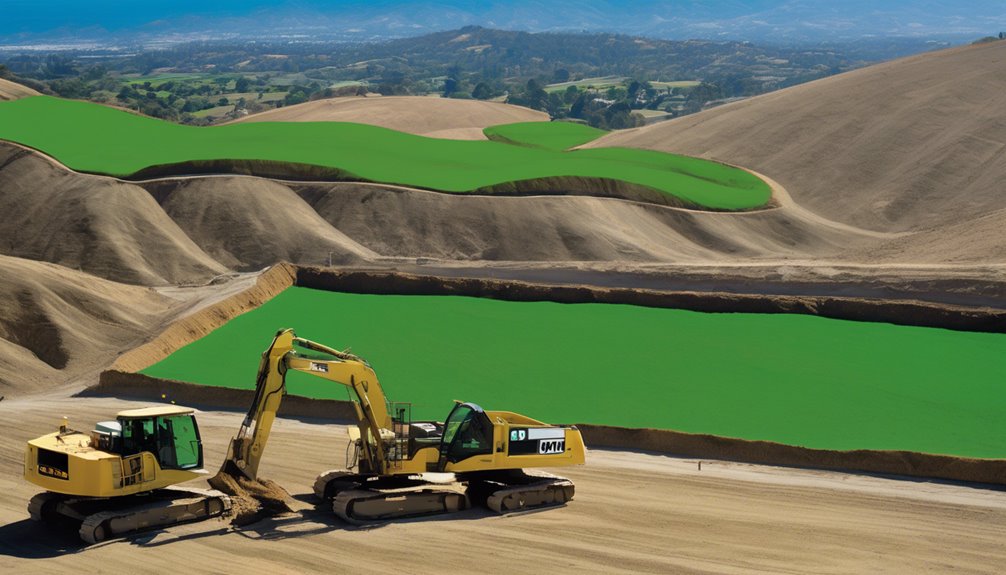
When developers consider projects in Santa Barbara County, they must navigate a complex landscape of financial implications that can significantly impact their bottom line.
You'll encounter various fees, including grading, stockpile, and improvement bonds, which can add up quickly. These costs often require upfront investment, affecting your project's cash flow.
Additionally, securing financing may become more challenging due to these financial obligations. You'll also need to factor in potential delays, as extended timelines can increase carrying costs.
Understanding the local regulations and anticipating these expenses is crucial for maintaining profitability. Partnering with financial advisors familiar with Santa Barbara's requirements can help you better manage these financial implications and improve your overall project feasibility.
Impact on Environmental Standards

When you consider the impact on environmental standards in Santa Barbara, soil erosion control and water quality protection become crucial topics.
You'll see how local regulations aim to balance development with the preservation of natural resources.
Understanding these standards helps you appreciate the challenges developers face in this beautiful area.
Soil Erosion Control
Soil erosion control plays a crucial role in maintaining environmental standards, as it directly impacts land health and water quality. By implementing effective erosion control practices, you can prevent the loss of topsoil, which is vital for plant growth and biodiversity.
Techniques such as planting cover crops, using silt fences, and creating terraces help stabilize the soil and reduce runoff. When you actively manage erosion, you're also safeguarding habitats and promoting healthier ecosystems.
Additionally, proper soil management can help mitigate the effects of climate change, as healthy soil stores carbon more efficiently. By prioritizing soil erosion control, you contribute to a sustainable environment that benefits both current and future generations.
Your efforts make a difference in preserving the land's integrity.
Water Quality Protection
Protecting water quality is essential for maintaining environmental standards, as clean water is vital for both human health and ecosystems.
You play a crucial role in ensuring that your activities don't negatively impact nearby water sources. Implementing effective runoff management practices can help. Using sediment controls, like silt fences, prevents pollutants from entering waterways.
Regular inspections of your construction sites will catch potential issues early, allowing you to address them swiftly. Additionally, you should educate your team about the importance of maintaining water quality.
Role of the County in Bond Enforcement

Although bond enforcement may seem like a complex legal matter, the County of Santa Barbara plays a crucial role in ensuring compliance with financial obligations.
You'll find that the County actively monitors the performance of bonds related to grading, stockpiling, and improvements. They review project plans, assess risks, and ensure that financial guarantees are adequate to cover potential liabilities.
When a bondholder fails to meet their obligations, the County steps in to enforce compliance, often initiating corrective actions to protect public interests. Additionally, they communicate with stakeholders and provide guidance on bond requirements, helping you navigate the process smoothly.
Benefits for the Community and Local Residents
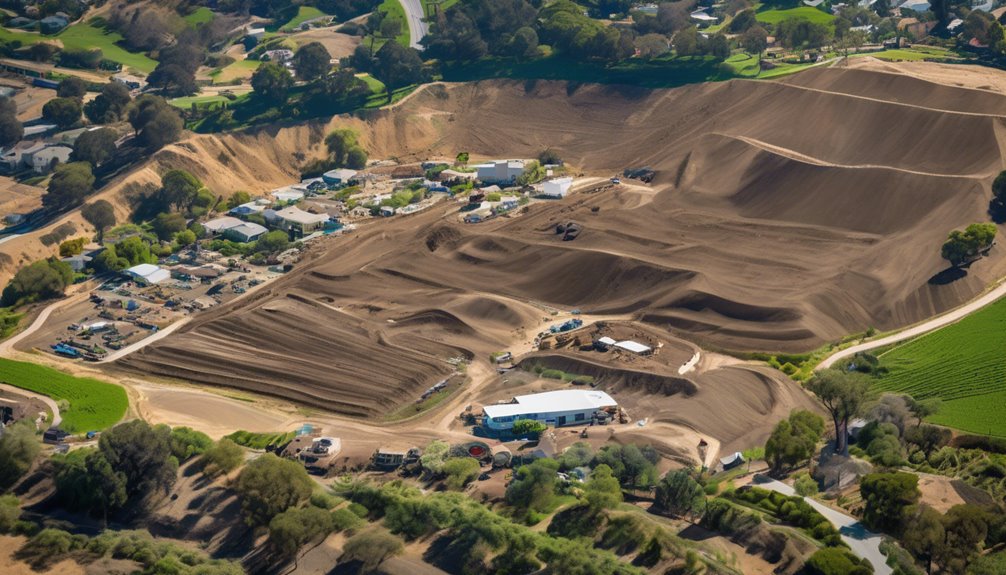
The County's diligent bond enforcement not only ensures compliance but also brings significant benefits to the community and local residents.
By requiring bonds for grading and improvement projects, the County safeguards your environment, minimizing risks associated with erosion and sedimentation. This proactive approach leads to better infrastructure, enhancing your daily life through improved roads and public spaces.
You can enjoy a safer, more aesthetically pleasing community as developers invest in responsible practices backed by financial security. Additionally, these bonds promote local job growth, as projects often require labor from nearby residents.
Ultimately, the County's commitment to bond enforcement fosters a sense of pride and investment in your community, ensuring that development aligns with the needs and aspirations of local residents like you.
Common Challenges Faced by Developers
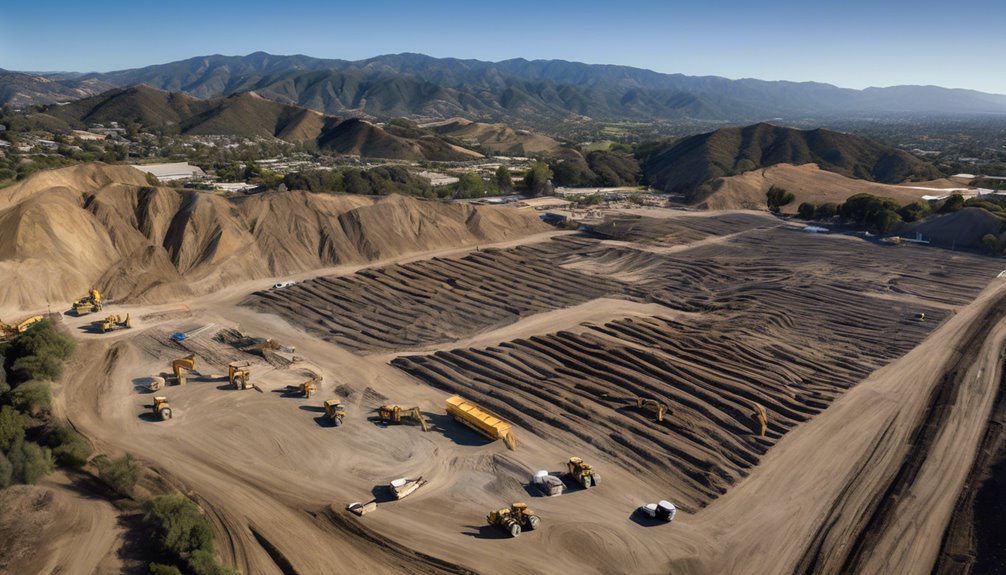
When navigating the development landscape in Santa Barbara County, many developers encounter a range of challenges that can complicate their projects.
Zoning regulations can be tricky, often requiring you to adapt your plans to meet specific guidelines. You might also face environmental concerns, as the area's natural beauty demands careful consideration of sustainable practices.
Securing permits can be time-consuming, leading to delays that impact your timeline and budget. Additionally, local community opposition can arise, making it crucial to engage stakeholders effectively.
Lastly, fluctuations in construction costs and labor availability can strain your financial projections. By understanding these challenges upfront, you can strategize effectively and enhance your chances of a successful project.
Future Trends in Land Development Bonds

As land development continues to evolve, you'll find that trends in land development bonds are shifting to meet the demands of modern projects.
One notable trend is the increasing emphasis on sustainability. Developers are seeking bonds that encourage eco-friendly practices, such as green infrastructure and energy-efficient designs.
Additionally, technology integration is on the rise; developers are leveraging data analytics and digital platforms to streamline bond management and compliance processes.
You'll also see a push for greater flexibility in bond terms, allowing for more adaptive responses to changing market conditions.
Lastly, community engagement is becoming essential, with bonds increasingly tied to local benefits, ensuring that developers address the needs and concerns of the neighborhoods they impact.
Frequently Asked Questions
How Long Does the Bond Remain Valid Once Issued?
The bond typically remains valid for a specific period, usually defined in the bond agreement. You should check the terms outlined in the documentation to determine the exact duration of validity for your bond.
Can the Bond Be Transferred to Another Party?
Yes, you can transfer the bond to another party, but it typically requires approval from the issuer. Make sure to review the bond's terms and conditions to ensure a smooth transfer process.
What Happens if the Bond Requirements Are Not Met?
If you don't meet the bond requirements, penalties may apply. You could face financial repercussions, potential legal actions, or loss of your deposit. It's crucial to ensure compliance to avoid these consequences.
Are There Any Exemptions to the Bond Requirement?
Yes, there can be exemptions to bond requirements, depending on specific circumstances like project size or type. You should check local regulations or consult with officials to determine if you qualify for any exemptions.
How Are Bond Amounts Determined for Specific Projects?
Bond amounts for specific projects typically depend on factors like project scope, estimated costs, and potential risks. You'll want to consult local regulations and guidelines to get a clearer picture of the requirements you're facing.
Conclusion
In conclusion, the Grading/Stockpile/Improvement Bond in Santa Barbara is crucial for ensuring responsible land development. It protects the community by ensuring projects are completed to local standards and fosters trust between developers and residents. By understanding the bond's purpose, regulations, and the application process, you can navigate this requirement effectively. Embracing these financial assurances not only supports infrastructure improvement but also contributes to job growth and community pride, paving the way for a brighter future.