Get an Instant Quote on Nassau County License Bond (Landscape Irrigator – Compliance Only) Now!

If you’re a landscape irrigator in Nassau County, Florida, understanding compliance is crucial for your business. You’ll need to navigate licensing requirements, bonding necessities, and the application process carefully. It’s not just about meeting regulations; it’s about establishing your credibility in the community. As you consider these aspects, think about how they impact your operations and the future of your irrigation practices. What steps are you prepared to take to ensure compliance?
Overview of Landscape Irrigation in Nassau County
Landscape irrigation in Nassau County plays a crucial role in maintaining the lush greenery that residents and businesses cherish.
You’ll find that effective irrigation systems not only enhance aesthetics but also conserve water efficiently. As a resident or business owner, you benefit from various methods, including drip irrigation and sprinklers, tailored to suit different landscapes.
Understanding your landscape’s specific needs is key to optimizing water usage and promoting healthy plant growth. You can also explore native plants that require less water, further supporting sustainability efforts.
Importance of Compliance for Landscape Irrigators

Compliance isn’t just a legal requirement for landscape irrigators; it also plays a crucial role in protecting our environment.
By adhering to regulations, you enhance your professional reputation and show your commitment to sustainable practices.
Understanding these benefits can help you thrive in your industry and contribute positively to the community.
Legal Requirements Overview
Understanding the legal requirements for irrigation in Nassau County is crucial for any landscape irrigator aiming to operate within the law. You need to familiarize yourself with local regulations, including licensing and permitting processes.
Without the proper licenses, you risk fines and potential legal action that could jeopardize your business.
Additionally, you’ll have to adhere to specific installation standards and maintenance practices to ensure compliance. This includes understanding water usage restrictions and conservation measures mandated by the county.
Staying updated on these requirements is essential, as regulations can change frequently. By prioritizing compliance, you not only protect your business but also enhance your reputation in the community as a responsible and knowledgeable professional.
Environmental Protection Benefits
Operating within the legal framework not only shields your business from penalties but also plays a vital role in environmental protection.
By adhering to compliance standards, you ensure that your irrigation practices conserve water and reduce waste. This helps maintain local ecosystems, supports wildlife habitats, and preserves the natural beauty of Nassau County.
When you use efficient irrigation techniques, you’re not just following the law; you’re also actively contributing to sustainability efforts. Additionally, compliant practices minimize the risk of chemical runoff, safeguarding local waterways from pollutants.
Your commitment to these regulations demonstrates responsibility toward the environment, fostering a healthier community. Ultimately, your efforts in compliance benefit both your business and the world around you.
Professional Reputation Enhancement
Trustworthiness is crucial in the landscape irrigation industry, and adhering to compliance standards significantly boosts your professional reputation.
When you stay compliant, you not only protect your business but also enhance your credibility among clients and peers. This leads to more referrals and repeat business, setting you apart from competitors.
Consider the benefits of compliance:
- Demonstrates your commitment to quality service
- Builds trust with clients and stakeholders
- Reduces the risk of legal issues or fines
- Enhances your marketing and branding efforts
- Positions you as a knowledgeable expert in the field
Licensing Requirements for Landscape Irrigators
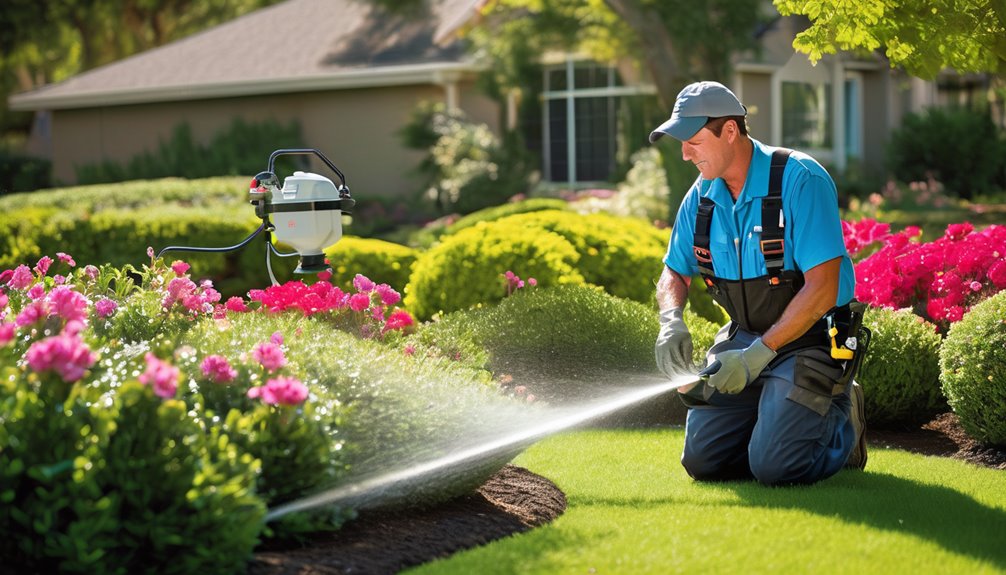
While navigating the landscape irrigation industry in Nassau County, you need to be aware of the specific licensing requirements that ensure compliance with local regulations.
To operate legally, you must obtain a Landscape Irrigator License from the Nassau County Building Department. This involves submitting a completed application, proof of relevant experience, and passing a state exam.
You’ll also need to provide documentation of liability insurance and workers’ compensation coverage if you employ others.
Keep in mind that licenses must be renewed periodically, so staying informed about renewal deadlines is crucial.
Bonding Requirements in Nassau County

When you’re looking to comply with Nassau County’s landscape irrigation regulations, understanding the bonding requirements is crucial.
You’ll need to know the specific bond amounts and how to navigate the application process smoothly.
Let’s break down what you need to ensure you’re fully prepared.
Bond Amount Specifications
To ensure compliance with local regulations, you must be aware of the bond amount specifications required for landscape irrigators in Nassau County.
The bond amount is essential for protecting clients and ensuring you meet local standards. Here’s what you need to know:
- The minimum bond amount typically required is $5,000.
- This bond covers potential damages or failures in service.
- You’ll need to renew the bond annually to maintain compliance.
- Ensure the bond is issued by a licensed surety company.
- Keep a copy of the bond on file for inspection by local authorities.
Application Process Overview
Navigating the application process for bonding requirements in Nassau County can seem daunting, but understanding the steps involved makes it manageable.
First, you’ll need to gather necessary documentation, including proof of your qualifications and a valid business license.
Next, complete the bond application form, ensuring all information is accurate.
After that, you’ll submit your application along with any required fees to the county’s licensing office.
It’s crucial to review the bond amount specified for your contractor category and ensure you meet those requirements.
Once your application is approved, you can purchase the bond from an authorized surety provider.
Finally, submit the bond to the county to finalize your licensing process and start your work as a landscape irrigator.
Application Process for Licenses and Bonds

Securing the necessary licenses and bonds for landscape irrigation in Nassau County involves a straightforward application process.
You’ll need to gather specific documentation and follow a few key steps to ensure everything goes smoothly.
- Complete the application form accurately.
- Provide proof of relevant experience and qualifications.
- Submit financial documents, including a credit report.
- Obtain and present a surety bond.
- Pay the required fees for processing.
Once you’ve submitted your application, it will be reviewed by county officials.
Be prepared for any follow-up questions or additional documentation they might request.
Continuing Education and Training for Contractors

Continuing education and training are essential for landscape irrigation contractors in Nassau County to stay competitive and compliant. By participating in ongoing learning opportunities, you’ll keep your skills sharp and stay updated on the latest industry standards and technologies.
Local workshops, online courses, and seminars can enhance your knowledge about irrigation systems, water conservation, and state regulations. These educational experiences not only improve your practical skills but also help you meet licensing requirements.
Additionally, networking with other professionals during training can lead to valuable collaborations and insights. Investing time in your education showcases your commitment to excellence and can ultimately boost your reputation in the industry, ensuring you provide the best service to your clients.
Common Violations and Penalties
While understanding the common violations and penalties in landscape irrigation can seem daunting, it’s crucial for contractors in Nassau County to be aware of them. Ignoring these can lead to costly fines or even loss of your license.
Here are some violations you should watch out for:
- Not obtaining the necessary permits before starting work
- Failing to adhere to irrigation design standards set by the county
- Overwatering or using improper water management techniques
- Inadequate maintenance of irrigation systems leading to water waste
- Violating local regulations regarding backflow prevention
Being informed helps you avoid these pitfalls and ensures compliance, ultimately benefiting your business and the community.
Stay proactive to ensure you’re operating within legal boundaries.
Resources for Landscape Irrigators in Nassau County

As a landscape irrigator in Nassau County, you need to be aware of local licensing requirements and the permitting process to stay compliant.
Accessing available resources can help you navigate these regulations effectively.
Let’s explore what’s out there to support your efforts in maintaining compliance.
Local Licensing Requirements
Understanding local licensing requirements is crucial for landscape irrigators in Nassau County to operate legally and efficiently. Knowing what’s needed helps you avoid fines and ensures you provide quality services.
Here are key points to consider:
- Obtain a state-issued license for landscape irrigation.
- Complete a background check and provide necessary documentation.
- Attend required training or continuing education programs.
- Keep your license updated and renew it on time.
- Familiarize yourself with local regulations and best practices.
Permitting Process Overview
Navigating the permitting process is essential for landscape irrigators in Nassau County to ensure compliance and project success.
First, you’ll need to determine which permits apply to your specific project. This often involves contacting the Nassau County Planning and Zoning Department for guidance.
Prepare all necessary documentation, including site plans and irrigation designs, to submit with your application. Be sure to factor in any fees and processing times, as these can affect your project timeline.
Once submitted, your application will be reviewed for compliance with local regulations. If approved, you’ll receive your permit, allowing you to proceed with the installation.
Always keep a copy of your permit on-site during the project to avoid potential issues.
Compliance Resources Available
After securing your permits, it’s important to know where to find compliance resources that can help you maintain adherence to local regulations.
Nassau County offers various tools and information to support landscape irrigators in their compliance efforts. Here are some valuable resources you can explore:
- Nassau County Building Department: Access guidelines and regulations specific to landscaping.
- Florida Department of Environmental Protection: Find state-level resources and best practices.
- Irrigation Association: Get industry standards and educational materials.
- Local Workshops and Seminars: Attend events for hands-on training and updates.
- Online Compliance Checklists: Use templates to ensure you meet all necessary requirements.
Utilizing these resources will keep your operations compliant and efficient.
Best Practices for Responsible Water Use

While conserving water might seem challenging, adopting best practices for responsible water use can make a significant difference in your landscape irrigation efforts.
Start by scheduling irrigation during early mornings or late evenings to minimize evaporation. Use a rain gauge to track rainfall and adjust your watering schedule accordingly. Opt for drip irrigation systems that deliver water directly to plant roots, ensuring efficiency.
Regularly check your irrigation system for leaks or clogs to maintain optimal performance. Group plants with similar water needs together and consider using mulch to retain soil moisture.
Lastly, educate yourself on drought-resistant plants that require less water. By implementing these strategies, you’ll not only conserve water but also promote a healthier landscape.
Future Trends in Landscape Irrigation Compliance

As you implement best practices for responsible water use, it’s important to stay informed about future trends in landscape irrigation compliance.
The industry is evolving, and you’ll want to adapt to new regulations and technologies that promote efficiency and sustainability.
- Increased use of smart irrigation systems that adjust based on weather data
- Emphasis on drought-resistant landscaping to minimize water usage
- Adoption of stricter regulations for water usage during peak seasons
- Growing popularity of rainwater harvesting systems for irrigation needs
- Enhanced training and certification programs for landscape irrigators focusing on compliance
Frequently Asked Questions
What Is the Cost of Obtaining a Landscape Irrigation License in Nassau County?
The cost of obtaining a landscape irrigation license in Nassau County varies. You’ll need to consider application fees, examination costs, and any additional expenses for training or materials. It’s wise to budget accordingly.
How Long Does the Licensing Process Typically Take in Nassau County?
The licensing process in Nassau County typically takes a few weeks to a couple of months. It depends on the completeness of your application and any required documentation you submit during that time.
Are There Specific Certifications Required for Landscape Irrigators in Nassau County?
Yes, you’ll need specific certifications to work as a landscape irrigator in Nassau County. These typically include a state-approved training course and passing an exam to ensure you meet local irrigation standards.
Can I Apply for Multiple Licenses Simultaneously in Nassau County?
Yes, you can apply for multiple licenses simultaneously in Nassau County. Just make sure you meet all requirements for each license and submit the necessary documentation together to streamline your application process effectively.
What Happens if My License or Bond Expires in Nassau County?
If your license or bond expires in Nassau County, you can’t legally operate. You’ll need to renew them promptly to avoid penalties or disruptions in your business. Stay proactive to ensure compliance and smooth operations.
Conclusion
In Nassau County, staying compliant with landscape irrigation regulations isn’t just a legal requirement; it’s key to building your reputation as a responsible contractor. By obtaining the necessary license, maintaining your bond, and adhering to best practices, you not only protect the environment but also enhance your business prospects. Keep up with evolving trends and resources to ensure you’re always ahead. Embrace these standards, and you’ll contribute positively to the community while thriving in your profession.