Get an Instant Quote on Nassau County License Bond (Electrician – Compliance Only) Now!

If you’re an electrician in Nassau County, Florida, understanding the licensing requirements and the Nassau County License Bond is crucial. This bond not only ensures compliance with local regulations but also protects you and your clients from potential liabilities. Without it, you could face significant challenges in your business. So, what steps do you need to take to secure this bond and maintain your professional standing? Let’s explore the details further.
Overview of Nassau County Licensing Requirements for Electricians

In Nassau County, electricians must adhere to specific licensing requirements to ensure compliance and safety.
First, you need to obtain a state license, which involves passing an exam that tests your knowledge of electrical codes and regulations. Additionally, you’ll have to provide proof of relevant experience, typically requiring several years working under a licensed electrician.
Insurance coverage is also necessary to protect both you and your clients from potential liabilities. You’ll need to submit an application along with a fee to the county’s licensing board.
Once licensed, you must follow all local codes and regulations, ensuring your work meets safety standards. Keeping your license current is essential, as it reflects your commitment to professionalism and adherence to industry standards.
Importance of the Nassau County License Bond
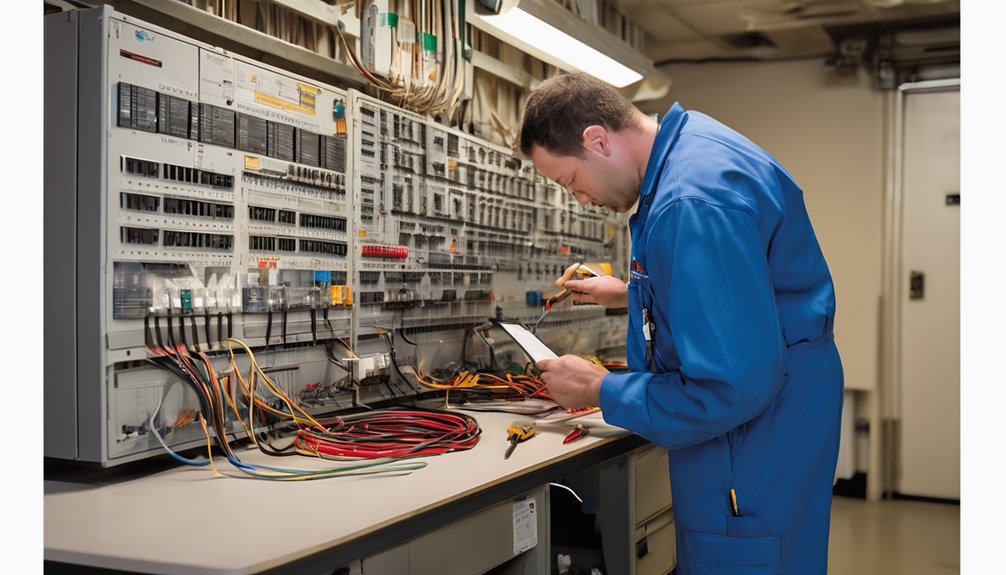
Obtaining a Nassau County license bond is a vital step in the licensing process for electricians. This bond serves as a financial guarantee that you’ll adhere to local laws and regulations, giving clients peace of mind.
It protects you and your customers by ensuring that you’ll meet your contractual obligations and complete projects as promised. If any issues arise, such as failure to comply with regulations or incomplete work, the bond can cover damages, helping maintain your reputation.
Moreover, having this bond can enhance your credibility and trustworthiness in the eyes of potential clients. By securing a Nassau County license bond, you’re not just fulfilling a requirement; you’re investing in your future success as a reliable electrician.
Eligibility Criteria for Obtaining a License Bond

To obtain a license bond in Nassau County, you need to meet specific eligibility criteria.
This includes demonstrating minimum experience in the electrical field and undergoing a financial responsibility assessment.
Understanding these requirements can help you navigate the licensing process more smoothly.
Minimum Experience Requirements
While aspiring electricians in Nassau County may feel eager to start their careers, meeting the minimum experience requirements is crucial for obtaining a license bond.
You’ll need to demonstrate a solid foundation in electrical work, typically through a combination of education and hands-on experience. This may include:
- Completing an accredited electrical training program
- Accumulating a specific number of hours as an apprentice
- Gaining experience in residential, commercial, or industrial wiring
- Passing a written exam that assesses your electrical knowledge
Financial Responsibility Assessment
Before you can secure a license bond as an electrician in Nassau County, you must undergo a financial responsibility assessment. This process evaluates your creditworthiness and financial stability, ensuring you can meet any potential liabilities that may arise during your work.
You’ll need to provide documentation, such as financial statements and proof of insurance, to demonstrate your ability to cover costs associated with claims or damages. A good credit score is typically essential, as it reflects your reliability and responsibility.
If your financial history raises concerns, you may need to take additional steps, like obtaining a co-signer or providing collateral. Successfully passing this assessment is crucial for obtaining your license bond and legally operating as an electrician in the county.
Process for Applying for the Nassau County License Bond

Applying for the Nassau County License Bond involves several straightforward steps that ensure compliance with local regulations.
First, you’ll need to gather necessary documentation, including proof of insurance and personal identification.
Next, fill out the application form accurately and completely.
After that, you should submit your application along with the required fees to the appropriate county office.
Here’s what you need to keep in mind:
- Confirm your eligibility by checking local requirements.
- Ensure all information is accurate to avoid delays.
- Be prepared for potential background checks.
- Follow up with the county office to track your application status.
Types of Electrician Licenses in Nassau County
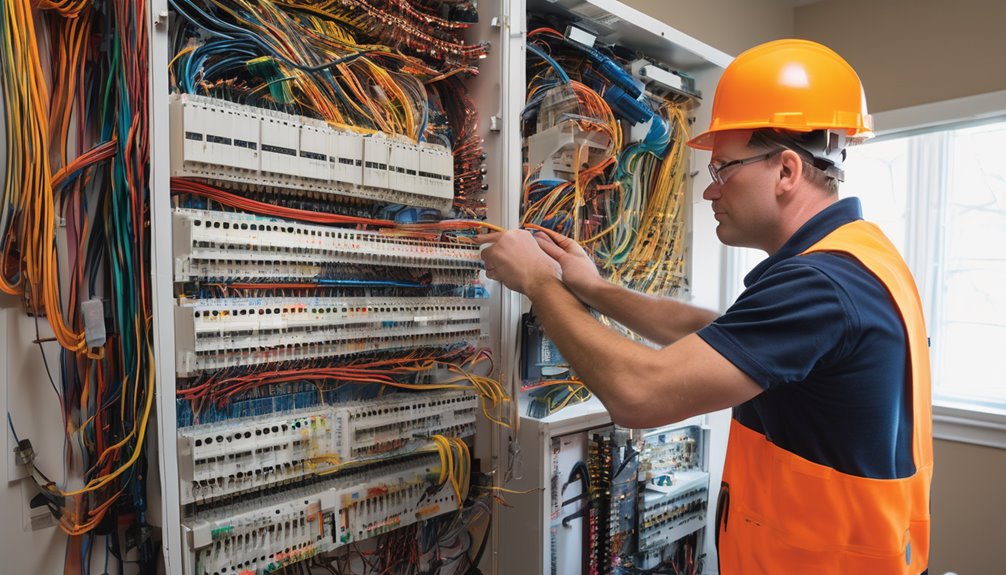
Once you’ve secured your Nassau County License Bond, it’s important to understand the different types of electrician licenses available to you.
In Nassau County, you’ll typically encounter three main categories: Apprentice, Journeyman, and Master Electrician.
As an Apprentice, you’ll work under the supervision of a licensed electrician to gain valuable hands-on experience.
Once you’ve completed your apprenticeship, you can apply for the Journeyman license, allowing you to perform electrical work independently.
Finally, if you want to take your skills to the highest level, the Master Electrician license is for you.
This requires extensive experience and knowledge, enabling you to oversee projects and manage other electricians.
Knowing these distinctions will help you navigate your career in the electrical trade effectively.
Bond Amounts and Coverage Requirements
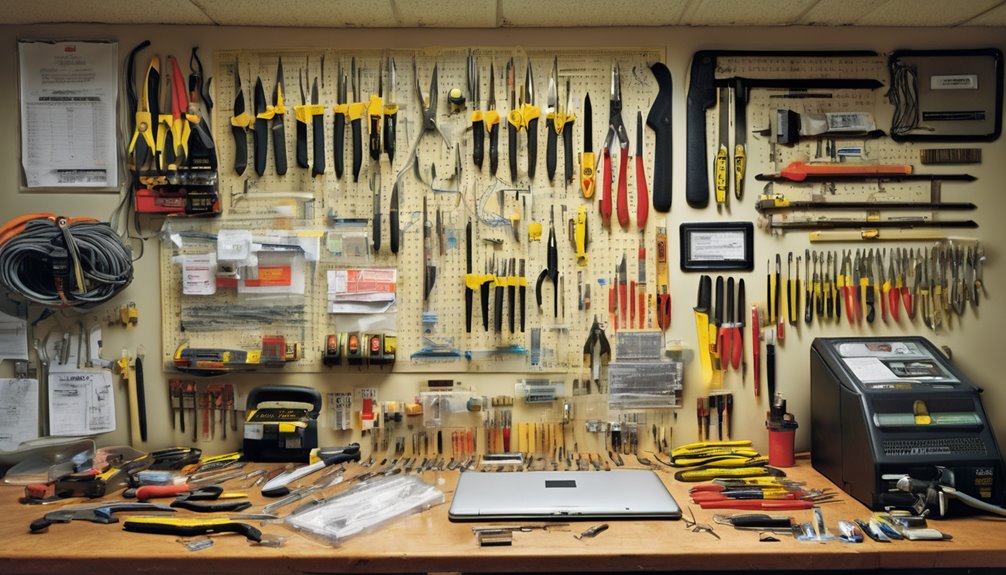
Understanding bond amounts and coverage requirements is crucial for electricians in Nassau County. These bonds protect clients and ensure compliance with local regulations.
You’ll need to familiarize yourself with the specific amounts required for your licensing category, as they can vary.
Here are some key points to consider:
- Minimum Bond Amount: Typically, it ranges from $5,000 to $20,000, depending on your license type.
- Coverage Scope: Bonds generally cover damages caused by improper work or non-compliance.
- Renewal Requirements: Keep track of renewal dates and ensure your bond remains active.
- Local Regulations: Always check Nassau County’s specific requirements, as they may change.
Make sure you’re informed to maintain your credibility and protect your business.
Common Compliance Issues Faced by Electricians
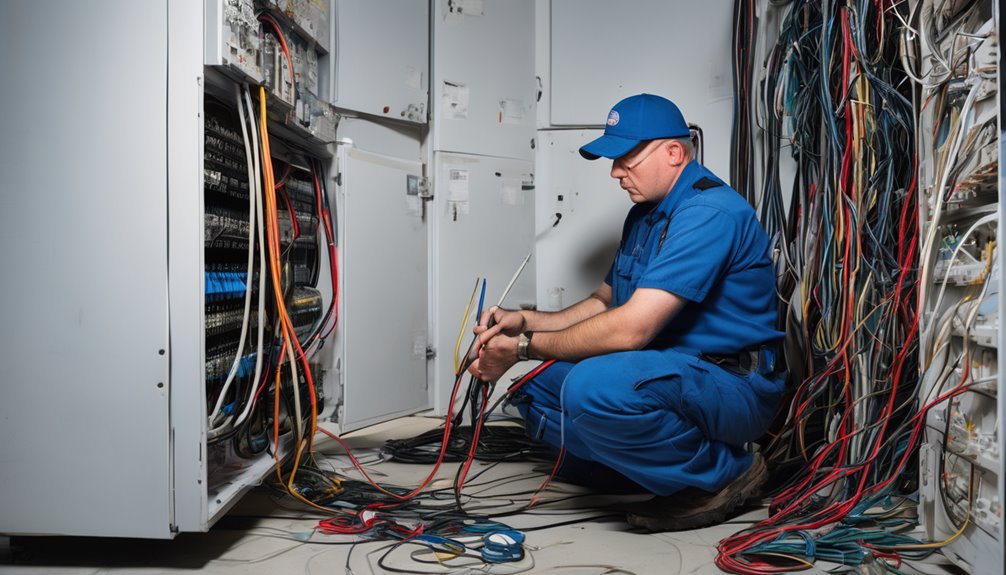
While navigating the complexities of electrical work, you may encounter several common compliance issues that can impact your business in Nassau County.
One major issue is failing to obtain the necessary permits for your projects, which can lead to fines and project delays. Additionally, you might struggle with adhering to local codes and regulations, especially if you’re unaware of recent updates.
Inconsistent documentation, such as not keeping accurate records of your work, can also pose problems during inspections. Moreover, using non-compliant materials or equipment can jeopardize your projects and safety.
Lastly, not maintaining up-to-date licenses and certifications could prevent you from legally operating. Staying informed and organized can help you avoid these pitfalls.
Benefits of Maintaining Compliance in Nassau County

Maintaining compliance in Nassau County offers you crucial legal protection, ensuring you avoid penalties and liabilities.
It also enhances your professional reputation, making you a trusted choice among clients.
Plus, staying compliant opens the door to new opportunities and projects that can boost your business.
Legal Protection Assurance
Ensuring compliance with local electrical codes in Nassau County not only safeguards your business but also provides essential legal protection.
When you adhere to these regulations, you minimize your risk of legal disputes and ensure that your work meets safety standards. This proactive approach can save you time and money in the long run.
- Reduces liability for accidents or damages caused by non-compliance
- Protects your business from fines or penalties imposed by local authorities
- Helps maintain a valid insurance policy, avoiding potential claims denial
- Provides peace of mind knowing you’re operating within legal boundaries
Enhanced Professional Reputation
A solid professional reputation is crucial for any electrician in Nassau County, and compliance with local electrical codes plays a significant role in building that reputation.
When you adhere to these regulations, clients recognize your commitment to safety and quality work. This compliance not only fosters trust but also sets you apart from competitors who might cut corners.
Satisfied customers are more likely to recommend you to others, enhancing your visibility in the community. Additionally, a strong reputation can lead to repeat business, as clients feel confident in hiring someone who prioritizes adherence to the law.
Ultimately, by maintaining compliance, you’re positioning yourself as a reliable professional, ensuring long-term success in your electrical career.
Access to Opportunities
When you comply with local electrical codes in Nassau County, you unlock a wealth of opportunities for your business. This compliance not only enhances your credibility but also provides you with a competitive edge.
By adhering to regulations, you can:
- Access larger projects that require licensed electricians.
- Attract a wider client base seeking reliable and compliant contractors.
- Benefit from potential tax incentives or grants for certified work.
- Minimize risks associated with fines or legal issues, ensuring smoother operations.
Ultimately, maintaining compliance opens doors to growth, partnerships, and increased revenue.
Resources for Electricians in Nassau County
Finding the right resources can make all the difference for electricians in Nassau County. Start by checking out the Nassau County Building Department‘s website for essential permits and regulations.
It’s also wise to connect with local trade associations; they offer training, networking, and support tailored to your needs. You can find valuable information on continuing education courses through the Florida Department of Business and Professional Regulation.
Don’t overlook online forums and social media groups dedicated to electricians, where you can share experiences and ask questions.
Lastly, consider local suppliers for materials and tools; building strong relationships can lead to better deals and support for your projects.
Utilizing these resources helps you stay compliant and thrive in your work.
Frequently Asked Questions
What Is the Renewal Process for the Nassau County Electrician License?
To renew your Nassau County electrician license, you’ll need to complete any required continuing education, fill out the renewal application, and pay the associated fees. Check the local regulations for specific deadlines and documentation needed.
Can I Work Without a License in Nassau County?
You can’t work without a license in Nassau County. Performing electrical work without proper licensing is illegal and may result in fines or penalties. Always ensure you’re licensed to avoid complications and maintain compliance.
What Happens if I Violate Compliance Regulations?
If you violate compliance regulations, you might face fines, legal penalties, or suspension of your operations. It’s crucial to stay informed and adhere to the rules to avoid these serious consequences for your business.
Are There Continuing Education Requirements for Electricians?
Yes, there are continuing education requirements for electricians. You’ll need to complete specific courses periodically to maintain your license, ensuring you stay updated on industry standards, safety protocols, and new technologies in electrical work.
How Can I Check the Status of My License Application?
To check the status of your license application, visit the licensing authority’s website or contact their office directly. They’ll provide you with the most up-to-date information regarding your application’s progress and any requirements.
Conclusion
In Nassau County, securing a license bond is crucial for your success as an electrician. It not only protects you and your clients but also enhances your credibility in the industry. By understanding the licensing requirements and staying compliant, you can avoid common pitfalls and open doors to larger projects. Remember, maintaining compliance isn’t just a legal obligation; it’s a smart business move that fosters trust and contributes to your long-term growth.