In Los Angeles County, waste collection isn't just about picking up trash; it's a regulated process that demands permits and adherence to stringent standards. These permits aim to boost efficiency and sustainability while minimizing risks. However, the real impact of these regulations on performance metrics is often overlooked. What are the specific challenges waste collectors face, and how do they adapt to meet these demands?
Overview of Waste Collection in Los Angeles County

When you think about waste collection in Los Angeles County, it's essential to recognize the complex system in place to manage the vast amount of refuse generated by its residents and businesses.
The county employs a mix of private and public services to ensure efficient waste disposal and recycling. Each area has designated collection days, and many residents benefit from curbside pickup, making it convenient to dispose of their trash.
Additionally, recycling programs encourage responsible waste management and reduce landfill pressure. The county also promotes education on composting and hazardous waste disposal to minimize environmental impact.
Ultimately, this multifaceted approach aims to create a cleaner, more sustainable community while addressing the diverse needs of its population.
The Waste Collector Permit System Explained
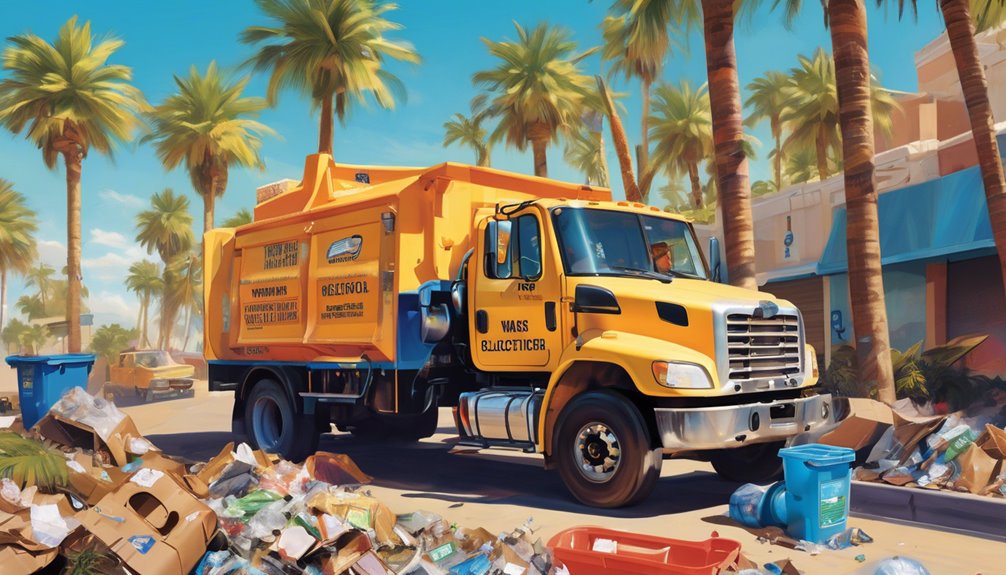
To ensure safe and efficient waste collection in Los Angeles County, the Waste Collector Permit System plays a vital role. This system requires waste collectors to obtain permits before operating, which helps regulate the industry.
You'll need to apply for a permit, proving you're compliant with local laws and safety standards. The application process involves submitting necessary documentation, including proof of insurance and vehicle specifications.
Once granted, your permit must be renewed periodically to maintain compliance. This system not only safeguards public health but also ensures that waste is collected responsibly.
Regulatory Compliance and Its Importance
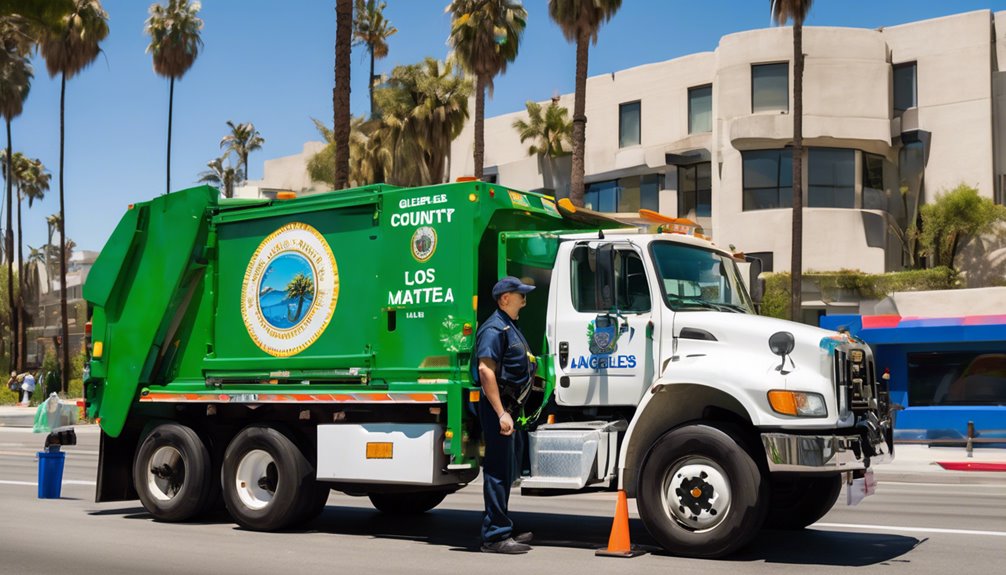
Understanding the legal framework behind waste collection permits is crucial for your compliance.
By adhering to environmental standards, you not only protect the community but also ensure your business operates smoothly.
Plus, staying on top of the permit renewal process helps avoid unnecessary fines and disruptions.
Legal Framework Overview
While navigating the complexities of waste collection in Los Angeles County, it's crucial to grasp the legal framework governing this industry.
Understanding this framework helps you ensure compliance and avoid penalties. Here are three key components to consider:
- Permits and Licensing: You must obtain the necessary permits and licenses specific to waste collection to operate legally.
- Local Ordinances: Familiarize yourself with local regulations, as they can vary widely and directly impact your operations.
- Safety Standards: Adhering to safety standards protects both your employees and the community, minimizing liability risks.
Environmental Standards Adherence
Adhering to environmental standards is essential for waste collectors in Los Angeles County, as it not only ensures compliance with regulations but also promotes sustainability.
By following these standards, you help reduce pollution, conserve resources, and protect public health. It's crucial that you understand the specific requirements set forth by local, state, and federal regulations, which cover various aspects like emissions, waste segregation, and recycling practices.
Regular training and updates on these standards can keep you informed and accountable. Failing to comply can lead to penalties, damage your reputation, and harm the environment.
Ultimately, embracing these standards reflects your commitment to responsible waste management and supports a cleaner, greener community for everyone.
Permit Renewal Process
To maintain your waste collector permit in Los Angeles County, staying on top of the renewal process is crucial for regulatory compliance.
Missing deadlines or failing to meet requirements could jeopardize your ability to operate legally.
Follow these essential steps for a smooth renewal:
- Submit Documentation: Ensure all necessary documents, such as insurance and safety certifications, are current and submitted on time.
- Pay Fees: Be aware of any renewal fees and make timely payments to avoid penalties.
- Stay Informed: Regularly check for updates on regulations or changes in local laws that might affect your permit.
Performance Metrics for Waste Collectors
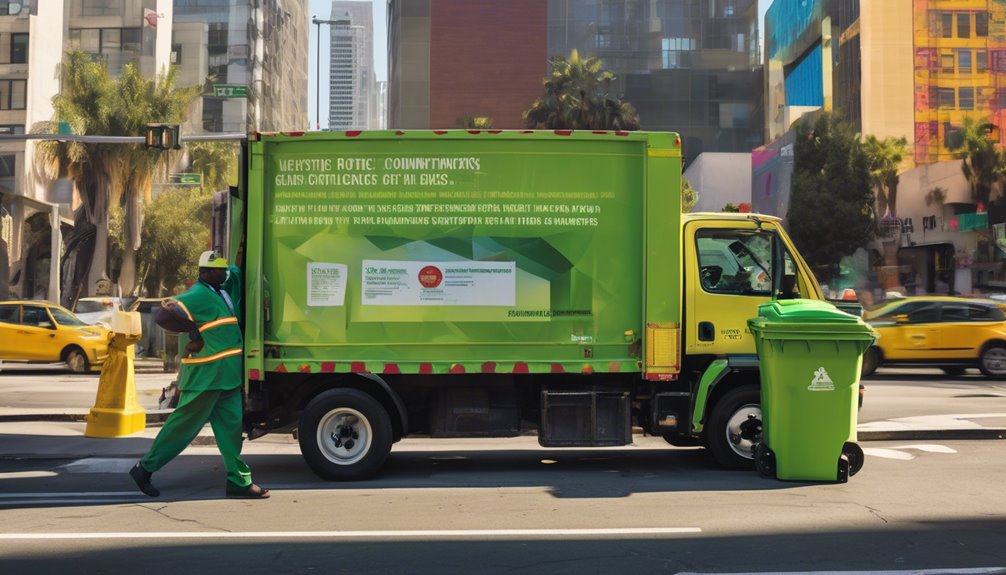
When evaluating waste collectors, you'll want to focus on key performance metrics that reflect their effectiveness.
Collection efficiency rates, route optimization strategies, and adherence to environmental compliance standards are crucial indicators.
These metrics not only highlight operational success but also ensure that waste management aligns with community and environmental goals.
Collection Efficiency Rates
While many factors influence waste collection, understanding collection efficiency rates is crucial for evaluating the performance of waste collectors in Los Angeles County.
These rates help you gauge how effectively waste is collected and managed. Here are three key aspects to consider:
- Collection Volume: Measure the total weight of waste collected against the expected volume. Higher weights indicate better efficiency.
- Service Frequency: Evaluate how often pickups occur in designated areas. Consistent schedules enhance efficiency and customer satisfaction.
- Missed Collections: Track instances of missed pickups. Fewer missed collections suggest better operational performance and reliability.
Route Optimization Strategies
Effective route optimization strategies are essential for enhancing the performance of waste collectors in Los Angeles County, as they directly impact collection efficiency and operational costs.
By analyzing traffic patterns, you can design routes that minimize delays and reduce fuel consumption. Utilizing advanced software tools helps in planning the most efficient paths, ensuring that all areas are covered without unnecessary backtracking.
Incorporating real-time data allows you to adapt routes based on changing conditions, such as road closures or high traffic times. Training your drivers on these optimized routes further boosts efficiency.
Ultimately, implementing these strategies not only enhances service delivery but also contributes to cost savings, making waste collection operations more sustainable and effective for the community.
Environmental Compliance Standards
Optimized routes not only boost efficiency but also play a role in meeting environmental compliance standards for waste collectors in Los Angeles County.
By adhering to these standards, you contribute to a cleaner environment and promote sustainable practices. Here are three key metrics you should focus on:
- Emission Reduction: Track the decrease in greenhouse gas emissions by optimizing vehicle routes and maintenance schedules.
- Waste Diversion Rates: Measure the percentage of waste diverted from landfills through recycling and composting initiatives.
- Operational Efficiency: Assess fuel consumption and route time to ensure minimal environmental impact while maximizing service delivery.
Resident Feedback and Satisfaction Levels

As residents engage with the county's waste collection services, their feedback plays a crucial role in shaping overall satisfaction levels. You might find that timely pickups and efficient service significantly impact your perception of the waste collectors.
Positive experiences often lead to higher satisfaction, while issues like missed collections can spark frustration.
Surveys conducted by the county reveal that many residents appreciate the clear communication from waste collectors regarding schedules and changes. When you voice your concerns or compliments, it helps the county enhance services further.
Regular feedback channels, like online platforms, make it easy for you to share your thoughts. Ultimately, your input directly influences improvements, ensuring that waste collection aligns more closely with your community's needs and expectations.
Challenges Faced by Waste Collectors

While providing essential services to the community, waste collectors face numerous challenges that can hinder their operations.
These obstacles not only affect their efficiency but also impact the overall service quality. Here are three key challenges you might encounter:
- Traffic Congestion: Navigating through busy streets can delay collection schedules, leading to missed pickups and frustrated residents.
- Equipment Maintenance: Breakdowns or malfunctions of collection vehicles can halt operations and require costly repairs, affecting service reliability.
- Safety Concerns: Interacting with hazardous materials or working in unsafe environments increases the risk of injury, necessitating strict safety protocols.
Understanding these challenges helps you appreciate the complexities of waste collection and the dedication required to maintain effective services.
Case Studies of Successful Waste Collection

When communities implement innovative strategies in waste collection, they often see remarkable improvements in efficiency and service quality.
For example, a neighborhood in Los Angeles adopted a community-based approach, involving residents in the planning process. By creating designated collection days and encouraging recycling education, they reduced contamination rates and increased participation.
Another success story involved a waste management company that introduced a reward system for households that consistently separated recyclables. This initiative not only motivated residents but also fostered a sense of community pride and responsibility.
Lastly, a partnership with local businesses allowed for coordinated pickups, minimizing vehicle traffic and emissions.
These case studies highlight how tailored approaches can lead to effective waste collection, benefiting both residents and the environment.
Impact of Technology on Waste Management
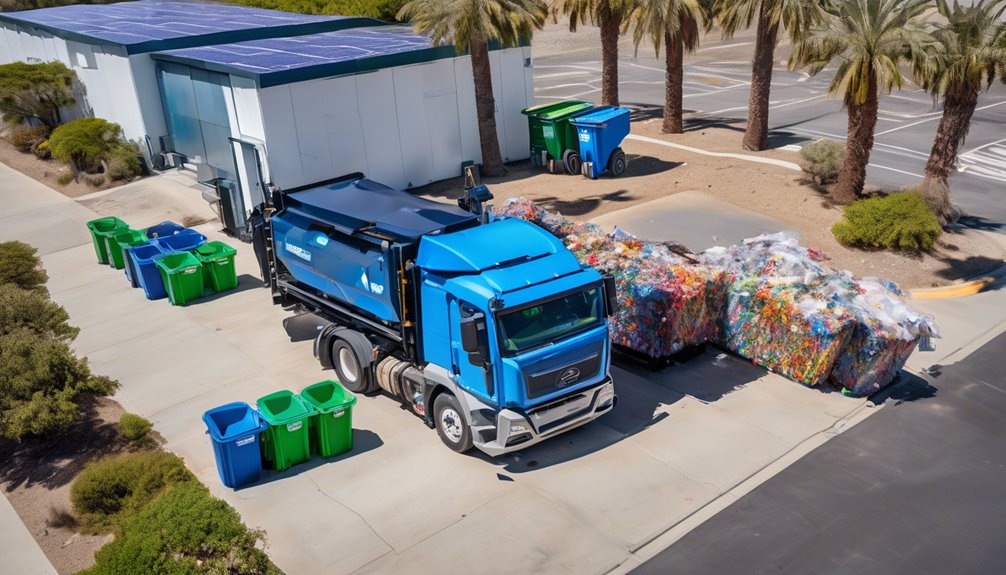
Technology has revolutionized waste management, making processes more efficient and effective. You'll find that advancements in technology have transformed how you deal with waste, ensuring a cleaner environment.
Here are three key impacts:
- Smart Bins: These bins use sensors to monitor fill levels, optimizing collection routes and reducing fuel consumption.
- Data Analytics: By harnessing data, you can analyze waste trends and improve recycling efforts, leading to better resource management.
- Automation: Automated sorting systems enhance the efficiency of recycling facilities, ensuring more materials are processed correctly and quickly.
With these innovations, waste management becomes not just easier, but also more sustainable, allowing you to contribute positively to your community and the planet.
Future Directions for Waste Collection in Los Angeles County
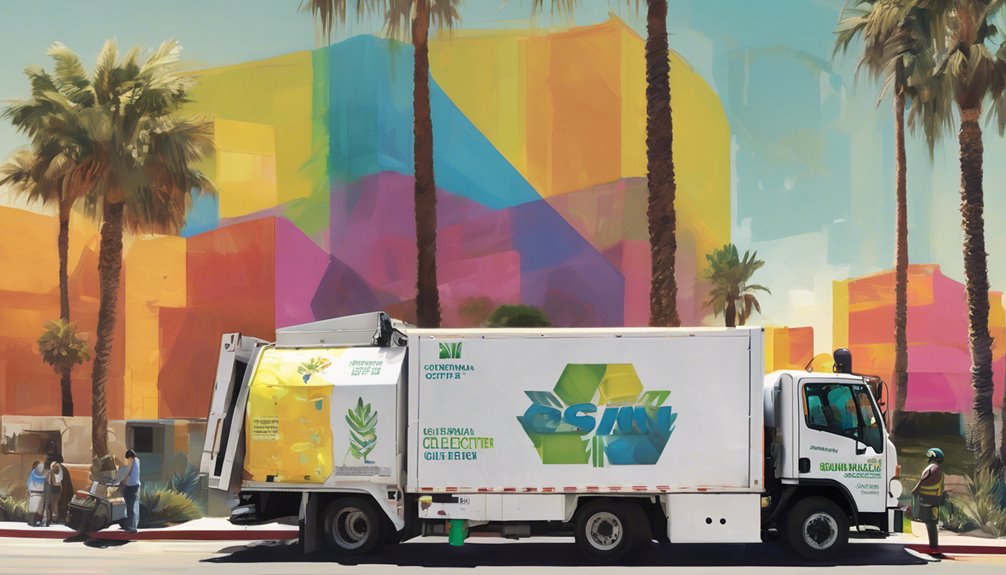
How can Los Angeles County enhance waste collection to meet the growing demands of its residents?
First, you might consider investing in smart waste bins equipped with sensors that notify collectors when they're full. This technology can optimize collection routes, saving time and reducing emissions.
Additionally, expanding curbside recycling programs and implementing organic waste collection can further divert materials from landfills.
You should also prioritize community education on proper waste disposal, encouraging recycling and composting practices.
Collaborating with local businesses to create incentive programs for sustainable practices can foster a culture of environmental responsibility.
Lastly, exploring partnerships with innovative waste management startups can introduce fresh ideas, ensuring the county adapts to evolving challenges and maintains an efficient system for all residents.
Frequently Asked Questions
How Do I Apply for a Waste Collector Permit in Los Angeles County?
To apply for a waste collector permit, you'll need to gather necessary documents, complete the application form, and submit it to the appropriate local authority. Make sure you meet all requirements to avoid delays.
What Are the Fees Associated With Obtaining a Waste Collector Permit?
When you're looking to obtain a waste collector permit, you'll encounter various fees. These typically include application fees, annual renewal costs, and possibly additional charges for inspections or compliance requirements, depending on your specific situation.
Are There Specific Vehicle Requirements for Waste Collectors?
Yes, waste collectors must use vehicles that meet specific standards for safety and emissions. These vehicles typically need proper signage, waste containment systems, and must comply with local regulations to ensure efficient and environmentally responsible collection.
How Often Are Waste Collector Permits Renewed in Los Angeles County?
Waste collector permits typically need renewal annually. You should check with your local authority for specific deadlines and requirements, as they may vary. Staying updated ensures compliance and helps avoid potential fines or penalties.
What Penalties Exist for Non-Compliance With Waste Collector Regulations?
If you fail to comply with waste collector regulations, you might face fines, permit suspension, or revocation. It's essential to follow all guidelines to avoid these penalties and maintain your operational status.
Conclusion
In conclusion, the waste collector permit system in Los Angeles County plays a crucial role in enhancing service quality and environmental responsibility. By staying compliant with regulations and actively seeking resident feedback, waste collectors can not only boost efficiency but also foster community trust. Embracing technology and innovative practices will help tackle ongoing challenges, ensuring a sustainable future for waste management. Together, you can contribute to a cleaner, greener Los Angeles, making a positive impact on your community.