Get an Instant Quote on Contractor’s Code Compliance Bond (Roofing Contractor – 3rd Party Liability) Now!

As a homeowner in Hillsborough County, it’s crucial to understand the complexities of hiring a roofing contractor, especially regarding third-party liability risks. You’re not just looking for quality work; you’re also safeguarding yourself from potential medical expenses and property damage claims. The Contractor’s Code Compliance Bond plays a vital role in this process, offering protection and peace of mind. But how do you ensure your chosen contractor is compliant? Let’s explore this further.
Understanding Third-Party Liability in Roofing Projects

What happens if someone gets injured during a roofing project? If an injury occurs, you might face serious consequences.
As the roofing contractor, you’re potentially liable for medical expenses, lost wages, and even pain and suffering for the injured party. This liability extends to third parties, like neighbors or passersby, who could be affected by unsafe work conditions.
Your insurance coverage plays a crucial role here; it can help protect you from hefty financial burdens. However, if you lack adequate insurance, you could find yourself personally responsible for the costs.
It’s essential to understand and manage these risks, ensuring a safe work environment to minimize liability and protect both your reputation and finances.
The Importance of the Contractor’s Code Compliance Bond

When hiring a roofing contractor, you need to understand the significance of a code compliance bond.
It not only offers legal protection and ensures financial responsibility but also guarantees adherence to local regulations.
Knowing this can help you make informed decisions and avoid potential liabilities.
Legal Protection Assurance
Understanding the importance of a contractor’s code compliance bond is essential for anyone hiring a roofing contractor in Hillsborough County. This bond serves as a safeguard, ensuring that contractors adhere to local building codes and regulations.
When you hire a contractor with a compliance bond, you’re protecting yourself from potential legal issues that may arise from code violations. If the contractor fails to meet these standards, the bond provides a means for compensation, easing your concerns about the project’s outcome.
It also reflects the contractor’s commitment to quality work and adherence to regulations, which can give you peace of mind. Ultimately, knowing your contractor is bonded helps you make an informed decision, ensuring your project runs smoothly and legally.
Financial Responsibility Guarantee
A contractor’s code compliance bond acts as a crucial financial responsibility guarantee for homeowners in Hillsborough County. This bond ensures that contractors adhere to local regulations and fulfill their obligations, protecting you from potential financial loss.
When you hire a bonded contractor, you gain peace of mind knowing that:
- Financial recourse: If the contractor fails to complete the job or causes damage, you can claim against the bond.
- Enhanced credibility: A bonded contractor demonstrates professionalism and commitment to quality work.
- Legal compliance: The bond reinforces that the contractor is compliant with local laws, reducing the risk of future complications.
Compliance With Regulations
Hiring a bonded contractor not only provides financial security but also ensures compliance with local regulations.
When you choose a contractor with a code compliance bond, you gain peace of mind knowing they adhere to Hillsborough County’s specific building codes and safety standards. This bond acts as a guarantee that the contractor will follow all necessary protocols, reducing the risk of fines or legal issues down the line.
Moreover, by hiring a compliant contractor, you protect your investment and help maintain property values in your community.
In short, compliance with regulations isn’t just about avoiding penalties; it’s about ensuring your roofing project is completed safely and effectively, ultimately leading to a well-built roof that lasts.
Key Regulations for Roofing Contractors in Hillsborough County
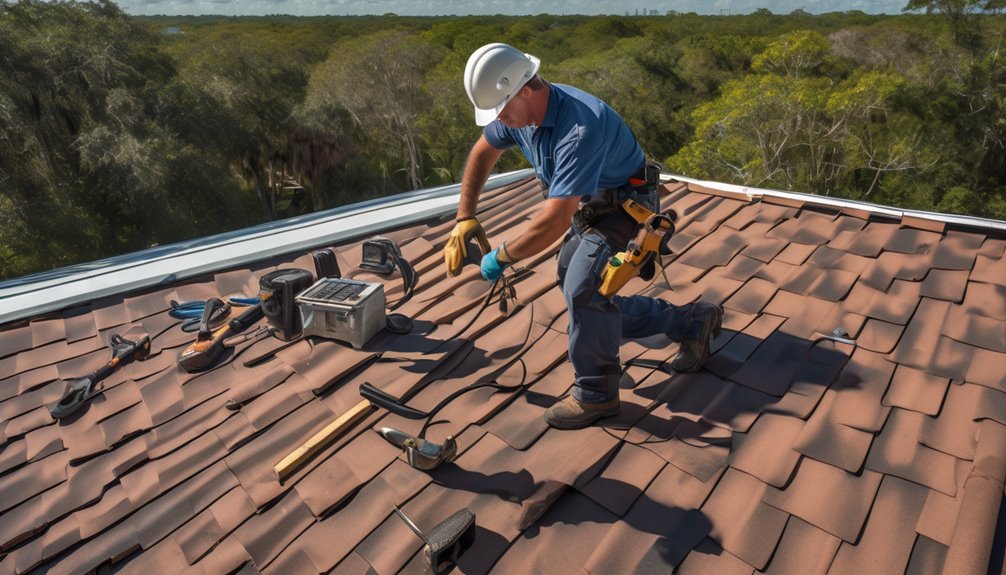
While navigating the roofing industry in Hillsborough County, you’ll encounter a variety of regulations that shape how contractors operate.
Understanding these key regulations is essential for your success. Here are some vital points to consider:
- Licensing Requirements: Ensure you have the appropriate licenses to perform roofing work, which often includes passing examinations and providing proof of experience.
- Building Codes: Familiarize yourself with local building codes and standards to guarantee your projects meet safety and quality benchmarks.
- Insurance Coverage: Maintain adequate liability insurance to protect yourself and your clients from potential accidents or damages during roofing projects.
How to Verify a Contractor’s Compliance Bond

How can you ensure that a roofing contractor has the necessary compliance bond? Start by asking the contractor for proof of their compliance bond.
They should provide you with a copy of the bond certificate, which includes details like the bond amount and the bonding company.
Next, verify the bond by contacting the bonding company directly. This step confirms that the bond is active and covers the specific work you’re hiring the contractor for.
Additionally, check with the Hillsborough County Contractor’s Licensing Board to see if the contractor is licensed and in good standing.
Taking these steps will help you feel confident that the contractor is compliant and financially responsible for their work.
Protecting Homeowners: What You Need to Know

When hiring a roofing contractor, it’s crucial to understand the importance of liability insurance and bond requirements.
This knowledge can protect you from potential financial losses if something goes wrong during the project.
Knowing what to look for can save you headaches and ensure your home is in good hands.
Importance of Liability Insurance
Understanding the importance of liability insurance can save you from significant financial loss as a homeowner. This coverage protects you from unforeseen events that can occur during roofing projects. Without it, you could be held responsible for accidents or damages, leading to costly repairs or legal fees.
Here are a few key reasons to prioritize liability insurance:
- Financial Protection: Covers damages or injuries caused by contractors, preventing hefty out-of-pocket expenses.
- Peace of Mind: Knowing that you’re protected allows you to focus on your home improvements without worrying about potential mishaps.
- Credibility: Hiring insured contractors shows that you value professionalism and safety, ensuring a smoother project experience.
Understanding Bond Requirements
Before hiring a roofing contractor, it’s crucial to grasp the bond requirements that can protect you as a homeowner. A bond acts as a safety net, ensuring that contractors adhere to local regulations and complete projects as promised.
If a contractor fails to meet these obligations, you can file a claim against their bond for financial compensation. In Hillsborough County, contractors must secure a compliance bond, which guarantees their adherence to the Contractor’s Code. This protects you from potential losses due to substandard work or unethical practices.
Always ask your contractor for proof of their bond and verify its validity before signing any contracts. Understanding these requirements helps ensure a smoother, safer roofing experience for you.
Common Risks Associated With Roofing Projects

Roofing projects come with a variety of inherent risks that can impact both the contractor and the property owner.
Understanding these risks helps you manage them effectively. Here are some common risks you should consider:
- Injury to Workers: Falls from heights or accidents with tools can lead to serious injuries, increasing liability for both parties.
- Property Damage: Unintended damage to your home or surrounding areas can happen during installation, leading to costly repairs.
- Weather Conditions: Sudden changes in weather can halt work or damage materials, delaying project timelines and raising costs.
Steps to Take if a Contractor Lacks a Compliance Bond

If you discover that a contractor lacks a compliance bond, it’s crucial to take immediate action to protect yourself and your property.
First, communicate your concerns directly with the contractor. Ask for clarification and consider if they can obtain the bond promptly. If they’re uncooperative or dismissive, it’s a red flag.
Next, research alternative contractors who hold valid compliance bonds and check their references.
Don’t hesitate to report the unbonded contractor to local authorities, as this can prevent others from facing similar risks.
Lastly, consider putting any work with the contractor on hold until they secure the required bond.
The Role of Insurance in Roofing Contracts

Understanding the role of insurance in roofing contracts is essential for protecting your investment and ensuring peace of mind. Having the right insurance coverage can safeguard you from unexpected issues that may arise during a roofing project. This includes potential damages, accidents, or liabilities that could occur.
Here are a few key benefits of insurance in roofing contracts:
- Liability Coverage: Protects you from financial loss if someone gets injured on your property.
- Property Damage Protection: Covers repairs for any accidental damage caused during the roofing process.
- Completion Guarantee: Ensures the contractor will finish the job, providing recourse if they don’t.
Resources for Homeowners and Contractors in Hillsborough County
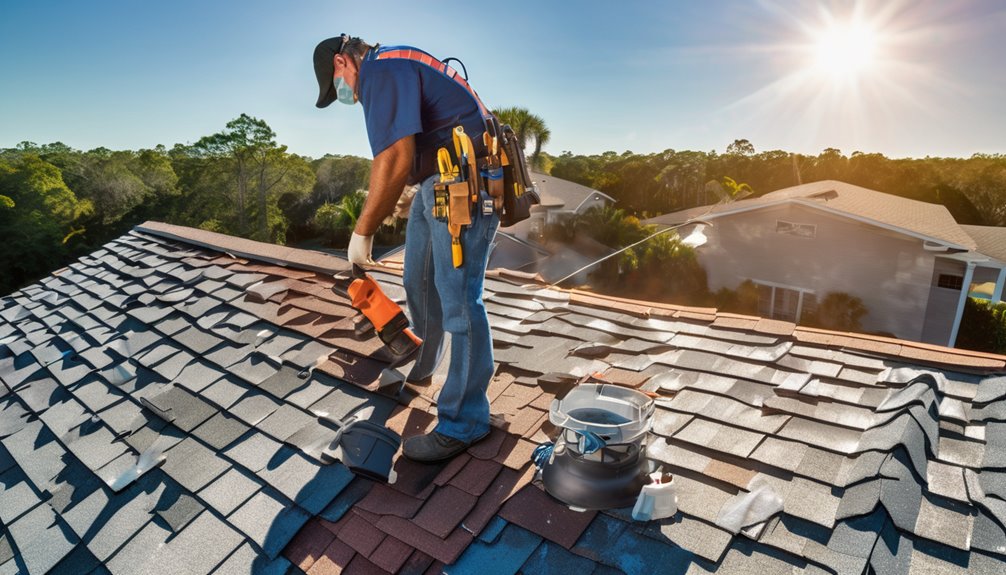
Navigating the complexities of roofing projects in Hillsborough County can be overwhelming, but several resources are available to help both homeowners and contractors.
The Hillsborough County Building Department offers guidelines and permits to ensure your project meets local codes. You can access online resources, including checklists and frequently asked questions, to streamline your process.
Additionally, the Florida Department of Business and Professional Regulation provides information on licensed contractors, safeguarding you from unqualified workers.
Local trade associations often host workshops and seminars, offering invaluable insights on best practices and compliance.
Don’t hesitate to reach out to community groups or online forums to connect with others in your area who can share their experiences and advice.
Frequently Asked Questions
What Is the Process to File a Claim Against a Contractor’s Bond?
To file a claim against a contractor’s bond, you gather documentation of the issue, notify the contractor, and submit your claim to the bonding company. They’ll investigate and determine if compensation’s warranted.
How Does Third-Party Liability Affect Homeowner Insurance Premiums?
Third-party liability can increase your homeowner insurance premiums, as insurers assess potential risks. If claims arise from contractor issues, they might view you as a higher risk, leading to elevated rates when renewing your policy.
Can a Contractor Operate Without a Compliance Bond in Hillsborough County?
In Hillsborough County, you can’t operate as a contractor without a compliance bond. It’s essential for protecting clients and ensuring adherence to local regulations. Not having one could lead to legal complications and financial penalties.
What Penalties Do Contractors Face for Non-Compliance With Bonding Requirements?
If you don’t comply with bonding requirements, you could face hefty fines, license suspension, or even legal action. It’s crucial to meet all regulations to avoid these serious consequences and protect your business.
Are There Specific Licensing Requirements for Roofing Contractors in Hillsborough County?
Yes, you need specific licensing to operate as a roofing contractor in Hillsborough County. This includes obtaining a contractor’s license, meeting experience requirements, and passing exams to ensure you comply with local regulations and standards.
Conclusion
In Hillsborough County, understanding third-party liability and the importance of a Contractor’s Code Compliance Bond is vital for both homeowners and roofing contractors. By ensuring your contractor has the necessary insurance and compliance bond, you protect yourself from potential legal and financial pitfalls. Remember, taking these steps not only safeguards your investment but also promotes quality workmanship. Stay informed and proactive, and you’ll navigate your roofing project with confidence and peace of mind.