Get an Instant Quote on Contractor’s Code Compliance Bond (Electrical Contractor – 3rd Party Liability) Now!

As an electrical contractor in Hillsborough County, Florida, it’s crucial to understand the significance of 3rd party liability insurance and the Contractor’s Code Compliance Bond. These elements not only protect you but also assure your clients of your professionalism. Failing to comply can lead to serious repercussions. So, what do you need to know about obtaining these essential protections and how they can impact your business and client relationships?
Understanding 3rd Party Liability Coverage

How can understanding third-party liability coverage protect you as an electrical contractor? This type of insurance helps shield you from financial loss if a third party claims damages or injury due to your work.
If a client or passerby gets hurt because of your electrical installation, having this coverage means you won’t have to pay out of pocket for legal fees or settlements.
It also enhances your credibility, as clients often look for contractors with proper insurance. By grasping the specifics of third-party liability, you can better assess risks and ensure you’re adequately covered.
Ultimately, this knowledge empowers you to operate confidently, knowing you’re protected against unforeseen incidents that could otherwise jeopardize your business.
Importance of Liability Insurance for Electrical Contractors
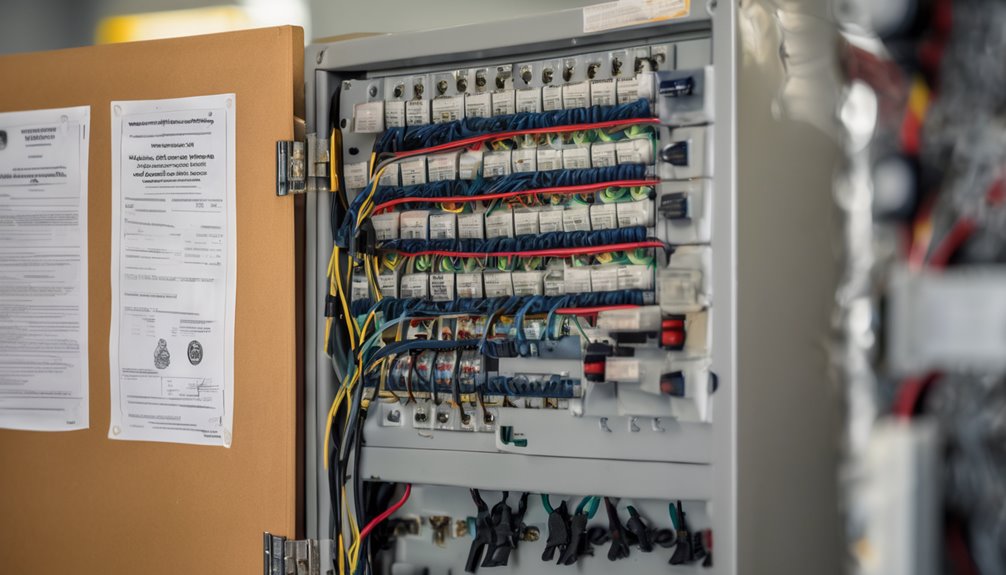
As an electrical contractor, having liability insurance isn’t just a good idea; it’s essential for protecting your business.
It helps you manage risks, provides legal protection when issues arise, and ensures your financial stability in case of unforeseen incidents.
Without it, you could face significant setbacks that threaten your livelihood.
Risk Mitigation Strategies
While you focus on delivering quality electrical work, it’s vital to recognize the importance of liability insurance as a key risk mitigation strategy. This coverage protects you from unexpected claims that may arise from accidents or damages during a project.
Without it, you risk facing significant financial losses that could jeopardize your business. Liability insurance can also enhance your credibility with clients, showing them you’re serious about safety and professionalism.
Additionally, it allows you to take on larger projects with confidence, knowing you’re protected. Assess your specific risks and choose a policy that fits your needs.
Legal Protection Necessity
Liability insurance isn’t just a safety net; it’s a crucial component of your business’s legal protection.
As an electrical contractor, you face various risks, from job site accidents to potential damage claims. Without proper coverage, you could find yourself financially vulnerable, facing lawsuits that could jeopardize your livelihood.
Liability insurance shields you from these unexpected legal challenges, ensuring you’re not solely responsible for costly settlements or legal fees.
Moreover, clients often expect proof of insurance before hiring, making it essential for securing contracts and maintaining your reputation.
By investing in liability insurance, you not only protect yourself and your business but also demonstrate professionalism and reliability to your clients.
Don’t underestimate the importance of this essential coverage.
Financial Stability Assurance
Having a solid liability insurance policy is vital for maintaining your financial stability as an electrical contractor. It protects you from unexpected accidents and claims that could severely impact your finances.
Without this coverage, you risk facing substantial legal fees and potential settlements that can drain your resources. If a client or third party holds you responsible for damages, your personal assets could be at stake.
Liability insurance not only covers these costs but also enhances your credibility in the industry. Clients often look for contractors who’ve insurance, as it shows professionalism and responsibility.
Overview of Hillsborough County Contractor’s Code Compliance Bond

In Hillsborough County, understanding the Contractor’s Code Compliance Bond is essential for any electrical contractor. This bond acts as a safeguard, ensuring that you adhere to local laws, regulations, and building codes while performing your work.
Essentially, it protects both you and your clients by guaranteeing that your projects meet safety and quality standards. If you fail to comply with these regulations, the bond provides a financial remedy to those affected, covering any damages or penalties incurred.
By securing this bond, you demonstrate your commitment to professionalism and accountability in your trade. It also strengthens your credibility, reassuring clients that you’ll complete projects responsibly and in accordance with local requirements.
Knowing how this bond works is crucial for your success.
Requirements for Obtaining a Code Compliance Bond

When you’re looking to obtain a code compliance bond, it’s crucial to understand the bond application process.
You’ll need to gather specific documentation and meet eligibility criteria to move forward.
Let’s break down what you need to know to ensure a smooth application experience.
Bond Application Process
Securing a code compliance bond is a crucial step for electrical contractors in Hillsborough County.
To start the bond application process, you’ll need to reach out to a surety company that specializes in contractor bonds. They’ll guide you through their specific requirements, which typically involve completing an application form.
Be prepared to provide details about your business, including licensing and experience. The surety company may also evaluate your financial stability to determine your eligibility.
It’s important to be honest and thorough in your application, as any discrepancies can delay the process.
Once you’ve submitted everything, the surety will review your information and, if approved, issue the bond, allowing you to proceed with your projects.
Required Documentation
After reaching out to a surety company and completing your bond application, you’ll need to gather specific documentation to secure your code compliance bond.
Start by compiling a copy of your contractor’s license, as it verifies your qualifications. Next, prepare financial statements, which demonstrate your business’s stability and ability to fulfill obligations.
You’ll also need to present proof of insurance, confirming that you have the necessary coverage. Additionally, be ready to submit personal identification, such as a driver’s license or passport, to validate your identity.
Finally, collect any relevant project documentation that showcases your experience. Having all these documents ready will streamline the process and increase your chances of obtaining the bond swiftly.
Eligibility Criteria
To qualify for a code compliance bond, you must meet several key eligibility criteria that ensure your ability to operate responsibly within Hillsborough County.
First, you need to hold a valid contractor’s license specific to your trade. You’ll also need to demonstrate a clean record, free from any major violations or complaints related to your work.
Additionally, providing proof of insurance coverage is essential, as it protects both you and your clients. Financial stability is another factor; you may need to submit financial statements or documentation showing your capability to fulfill contractual obligations.
Lastly, you must pay any applicable fees associated with the bond application process. Meeting these criteria is crucial for a smooth bonding experience.
The Role of Bonds in Protecting Consumers

When you hire an electrical contractor in Hillsborough County, understanding the role of bonds can provide you with crucial protection as a consumer.
Bonds serve as a financial safety net, ensuring that contractors fulfill their obligations. If a contractor fails to complete a job or meets subpar standards, you may have the right to file a claim against their bond. This means you could recover losses incurred from their negligence or incompetence.
Additionally, requiring a bond demonstrates that the contractor is committed to adhering to local regulations and industry standards. By choosing a bonded contractor, you’re not just protecting your investment; you’re also ensuring peace of mind, knowing that you have recourse should issues arise during your project.
Consequences of Non-Compliance With Bonding Requirements

Failing to comply with bonding requirements can lead to serious consequences for both contractors and consumers in Hillsborough County.
For contractors, not having the proper bond exposes you to financial liabilities and potential legal actions from dissatisfied clients. You could face fines, loss of your business license, or even lawsuits if issues arise during a project.
Consumers, on the other hand, risk financial loss and lack protection against incomplete or substandard work. Without a bond, it’s harder to seek recourse if problems occur. Additionally, your reputation may suffer, making it difficult to secure future contracts.
To avoid these consequences, make sure you understand and meet all bonding requirements before undertaking any electrical work.
How to Choose the Right Electrical Contractor
How can you ensure you’re choosing the right electrical contractor for your project? Start by considering a few key factors. You want someone who not only meets your needs but also adheres to local codes and standards.
Here’s what to look for:
- Licensing and Insurance: Verify they’ve the necessary licenses and insurance to protect you.
- Experience: Check how long they’ve been in business and their familiarity with your specific project type.
- Reputation: Look for online reviews and ask for references from past clients.
- Estimates: Get detailed written estimates from multiple contractors, comparing both price and services offered.
Taking these steps can help you find a reliable electrical contractor for your project.
Tips for Homeowners Hiring Electrical Contractors
Hiring an electrical contractor can feel overwhelming, but following a few essential tips can simplify the process.
First, always verify the contractor’s license and insurance. This protects you from liability and ensures they meet local standards.
Next, get multiple quotes to compare prices and services. Don’t just settle for the lowest bid; consider the contractor’s reputation and experience as well.
Make sure to ask for references and check customer reviews. Communication is key—discuss your project in detail and ensure they understand your needs.
Finally, have a written contract that outlines the scope of work, timeline, and payment schedule.
Following these tips will help you find a reliable contractor and make your project a success.
Resources for Contractors and Consumers in Hillsborough County

In Hillsborough County, both contractors and consumers have access to various valuable resources that streamline the electrical contracting process. Understanding these resources can help you navigate the complexities of electrical work more efficiently.
- Hillsborough County Building Division: Offers guidelines, permits, and inspections.
- Local Contractor Associations: Provide networking opportunities and educational resources.
- Consumer Protection Office: Assists consumers with disputes and contractor complaints.
- Online Permit Portal: Simplifies the permit application process for contractors and homeowners alike.
Utilizing these resources can enhance your experience, whether you’re hiring a contractor or working as one.
Stay informed and ensure your projects comply with local regulations, ultimately leading to a successful outcome.
Frequently Asked Questions
What Is the Process for Filing a Claim Against a Contractor’s Liability Insurance?
To file a claim against a contractor’s liability insurance, you’ll need to gather evidence, document the incident, notify the contractor, and submit your claim to their insurance provider. Don’t forget to keep copies of everything.
How Often Do Electrical Contractors Need to Renew Their Code Compliance Bond?
You need to renew your code compliance bond annually. It’s essential to keep up with local regulations, ensuring your bond remains valid. Regularly checking renewal dates helps you avoid any lapses that could affect your business.
Can Homeowners Require Additional Insurance From Their Electrical Contractors?
Yes, homeowners can require additional insurance from their electrical contractors. It’s smart to protect your investment, ensuring the contractor has sufficient coverage for potential damages or accidents during the project. Always discuss your needs upfront.
What Types of Damages Are Typically Covered Under Liability Insurance?
Liability insurance typically covers bodily injury, property damage, medical expenses, and legal fees resulting from accidents. It helps protect you from financial loss due to unforeseen incidents that may occur during your projects.
Are There Specific Code Compliance Bond Amounts Required for Different Project Sizes?
Yes, there are specific code compliance bond amounts required based on project size. Smaller projects usually require lower bond amounts, while larger projects often demand higher amounts to ensure compliance with local regulations and standards.
Conclusion
In summary, securing 3rd party liability insurance and a Contractor’s Code Compliance Bond is essential for electrical contractors in Hillsborough County. These protections not only safeguard you against potential legal issues but also enhance your credibility with clients. By choosing a contractor who meets these requirements, you can ensure a successful project and peace of mind. Always prioritize these factors when hiring an electrical contractor to protect your interests and investments.