Get an Instant Quote on Contractor’s Code Compliance Bond (Building Contractor – 3rd Party Liability) Now!

As a building contractor in Hillsborough County, you’re likely aware of the importance of complying with local regulations. The Contractor’s Code Compliance Bond is a crucial aspect of your responsibilities, ensuring you meet essential safety standards. But what exactly does this bond entail, and how does it protect both you and your clients? Understanding its implications can significantly impact your business and reputation in the community. Let’s explore what you need to know.
Understanding Contractor Liability in Hillsborough County

When you hire a contractor in Hillsborough County, understanding their liability is crucial to protecting your interests.
Contractors are responsible for their work, meaning they must adhere to safety standards and building codes. If they fail to meet these standards and cause damage or injury, you could be at risk if they don’t have adequate insurance coverage.
Verify that the contractor carries liability insurance to cover potential mishaps. Moreover, it’s essential to discuss liability waivers and contracts beforehand, as these documents dictate responsibilities and risks.
The Role of the Hillsborough County Contractor’s Code Compliance Bond

When you’re working as a contractor in Hillsborough County, understanding the Contractor’s Code Compliance Bond is crucial.
This bond not only serves a specific purpose but also comes with certain requirements that you must meet.
Knowing the benefits it offers can help you navigate your responsibilities more effectively.
Purpose of Compliance Bond
A compliance bond serves as a crucial safeguard for both contractors and clients in Hillsborough County. It ensures that you, as a contractor, adhere to local building codes and regulations.
By obtaining this bond, you demonstrate your commitment to quality work and legal compliance, which builds trust with your clients. If you fail to meet these standards, the bond offers financial protection to your clients, covering any potential losses incurred.
This security encourages clients to choose you over competitors who may not have the same level of assurance. Ultimately, a compliance bond not only protects your clients but also enhances your reputation as a reliable contractor in the community, paving the way for future projects and success.
Bond Requirements Explained
Before undertaking any construction project in Hillsborough County, understanding the bond requirements is essential.
The Hillsborough County Contractor’s Code Compliance Bond serves as a financial guarantee that you’ll adhere to local building codes and regulations. This bond protects the county and the public by ensuring that contractors complete their projects according to the established standards.
To obtain this bond, you’ll need to provide specific documentation, including proof of licensure and insurance. The bond amount typically varies based on the project size and scope, so it’s crucial to check the county’s regulations.
Failing to secure this bond can hinder your ability to work legally in the area, so make sure you fulfill these requirements before starting your project.
Benefits for Contractors
Security and peace of mind are significant advantages for contractors who obtain the Hillsborough County Contractor’s Code Compliance Bond. This bond protects you against potential claims resulting from code violations or construction defects.
By having this bond in place, you demonstrate your commitment to adhering to local regulations, which can enhance your reputation in the community.
Additionally, it fosters trust with clients, assuring them that you’re financially responsible and compliant with county standards.
With the bond backing you, you can focus on delivering quality work without the constant worry of unforeseen liabilities.
Ultimately, obtaining this bond can lead to more business opportunities, as clients often prefer contractors who prioritize compliance and accountability.
Key Requirements for Obtaining a Code Compliance Bond

To ensure compliance with local building codes, obtaining a code compliance bond is essential for contractors operating in Hillsborough County.
First, you’ll need to complete the appropriate application form, providing details about your business and the scope of your work.
Next, you must demonstrate that you meet all local licensing requirements and maintain the necessary insurance coverage.
Additionally, you may be required to provide references or proof of previous work to showcase your reliability.
Once you submit your application, expect to pay a fee, which varies based on the bond amount.
Finally, the bond must be issued by a licensed surety company approved by the county.
With these steps, you’re on your way to obtaining the bond you need.
Implications of Non-Compliance for Contractors

Obtaining a code compliance bond is just one step in ensuring your business operates smoothly in Hillsborough County.
If you fail to comply with local regulations, the consequences can be severe. You might face fines, penalties, or even the suspension of your contractor’s license. Non-compliance can lead to costly delays in your projects, damaging your reputation and client relationships.
Additionally, you could be held liable for any damages resulting from your failure to adhere to codes, which can lead to expensive legal battles. It’s crucial to stay informed and compliant, as non-compliance not only jeopardizes your business but also affects your ability to secure future projects.
Protect your investment by prioritizing adherence to code requirements.
Protection for Homeowners: How the Bond Benefits You

While you may feel uncertain about hiring a contractor, knowing that they’ve a code compliance bond can offer you peace of mind. This bond protects you in several key ways:
- Financial protection: If the contractor fails to comply with codes, you may be eligible for compensation.
- Quality assurance: Contractors are incentivized to meet standards, ensuring the work’s quality.
- Legal recourse: Should issues arise, you have a clear path for addressing disputes.
- Trustworthiness: A bonded contractor demonstrates professionalism and accountability, helping you feel more secure in your investment.
With a code compliance bond, you can focus on your project, knowing you’re safeguarded against potential pitfalls.
It’s a smart move for any homeowner looking to hire a contractor confidently.
Steps to Ensure Compliance During Construction Projects
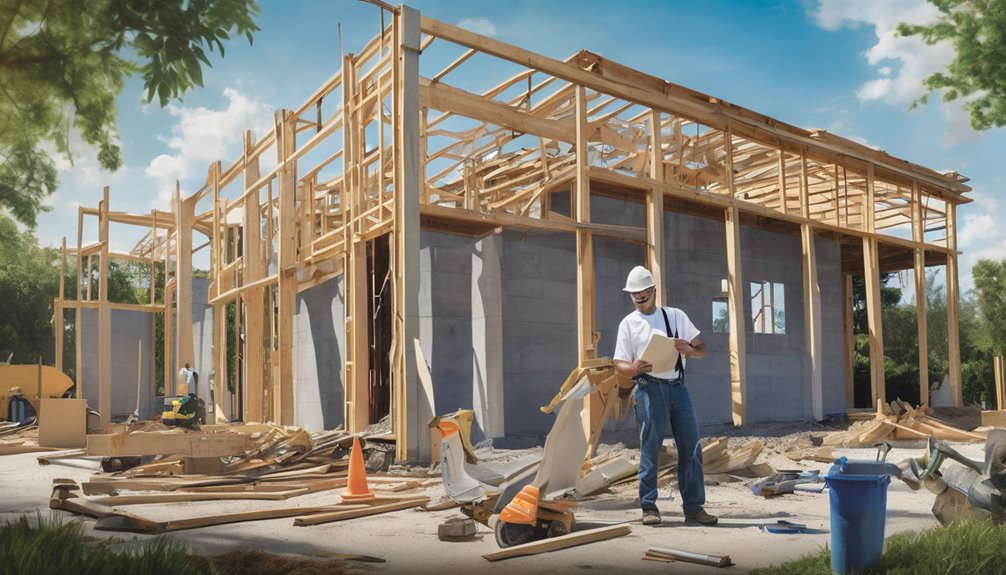
Ensuring compliance during construction projects is crucial for avoiding costly delays and legal issues. Start by familiarizing yourself with local regulations and building codes. Obtain the necessary permits before commencing work, as this sets a solid foundation for compliance.
Next, maintain open communication with your team and subcontractors to ensure everyone understands their responsibilities. Conduct regular inspections throughout the project to catch any potential compliance issues early.
Keep thorough documentation of all permits, inspections, and changes made during construction. Lastly, stay updated on any changes in local laws or regulations that might affect your project.
Common Challenges and Solutions in Contractor Liability
As a contractor in Hillsborough County, you’ll face challenges like navigating liability insurance and ensuring compliance with local regulations.
Understanding these issues is crucial to protecting your business and avoiding costly disputes.
Let’s explore practical solutions to tackle these common hurdles effectively.
Liability Insurance Considerations
Understanding the intricacies of liability insurance is crucial for contractors operating in Hillsborough County, especially since they face unique challenges in the construction industry.
You need to be aware of common pitfalls and solutions to protect your business effectively.
Here are some considerations to keep in mind:
- Coverage Gaps: Ensure your policy covers all potential risks specific to your projects.
- Claims Process: Familiarize yourself with the claims process to avoid delays when issues arise.
- Policy Limits: Assess if your coverage limits meet the potential liabilities you might encounter.
- Additional Insureds: Consider adding clients or subcontractors as additional insureds for broader protection.
Compliance With Local Regulations
While navigating compliance with local regulations, contractors in Hillsborough County often encounter significant challenges that can impact their liability. One common issue is staying updated on the frequently changing codes and permitting requirements. This can lead to unintentional violations, resulting in penalties or delays.
Another challenge is understanding the nuances of zoning laws, which can complicate project planning and execution.
To address these issues, maintain open communication with local authorities and attend workshops on regulatory changes. Establishing a strong relationship with compliance experts can also provide valuable insights.
Investing in training for your team on local regulations ensures everyone is informed and reduces the risk of liability. By proactively managing compliance, you can minimize potential legal issues and protect your business.
Frequently Asked Questions
What Is the Cost of a Contractor’s Code Compliance Bond in Hillsborough County?
The cost of a contractor’s code compliance bond in Hillsborough County varies based on factors like project size and contractor experience. You should expect fees ranging from a few hundred to several thousand dollars.
How Long Does It Take to Obtain a Compliance Bond?
It typically takes a few days to obtain a compliance bond, provided you have all necessary documents ready. You’ll want to ensure everything’s in order to speed up the process and avoid delays.
Can Homeowners Require Additional Bonding From Contractors?
Yes, homeowners can require additional bonding from contractors. It’s wise to discuss your specific needs and expectations upfront. Clear communication helps ensure both parties understand the requirements and protects your interests throughout the project.
Are There Exemptions for Certain Types of Contractors From Bonding Requirements?
Yes, there are exemptions for certain contractors from bonding requirements. Typically, these exemptions apply to specific trades or small projects. You should check local regulations to see if your contractor qualifies for any exemptions.
What Happens if a Contractor’s Bond Is Revoked?
If a contractor’s bond is revoked, you’ll face immediate consequences, including inability to operate legally. You might also deal with potential lawsuits from clients and difficulty securing future contracts until the bond is reinstated.
Conclusion
In Hillsborough County, securing a Contractor’s Code Compliance Bond is crucial for both you and your clients. It not only protects homeowners from potential losses but also reinforces your commitment to quality work and adherence to local regulations. By understanding and following the requirements, you can avoid the pitfalls of non-compliance and enhance your reputation. Embracing this bond helps build trust, ensuring a smoother construction process and safeguarding your business’s future.