Get an Instant Quote on Contractor’s Code Compliance Bond (Alarm Contractor – 3rd Party Liability) Now!

If you’re considering hiring an alarm contractor in Hillsborough County, it’s crucial to understand the nuances of third-party liability and the Contractor’s Code Compliance Bond. These elements not only protect you as a consumer but also set the standard for contractor accountability. So, what exactly do you need to know about compliance and its impact on your project? Let’s explore the key aspects that could influence your decision.
Overview of 3rd Party Liability in Hillsborough County
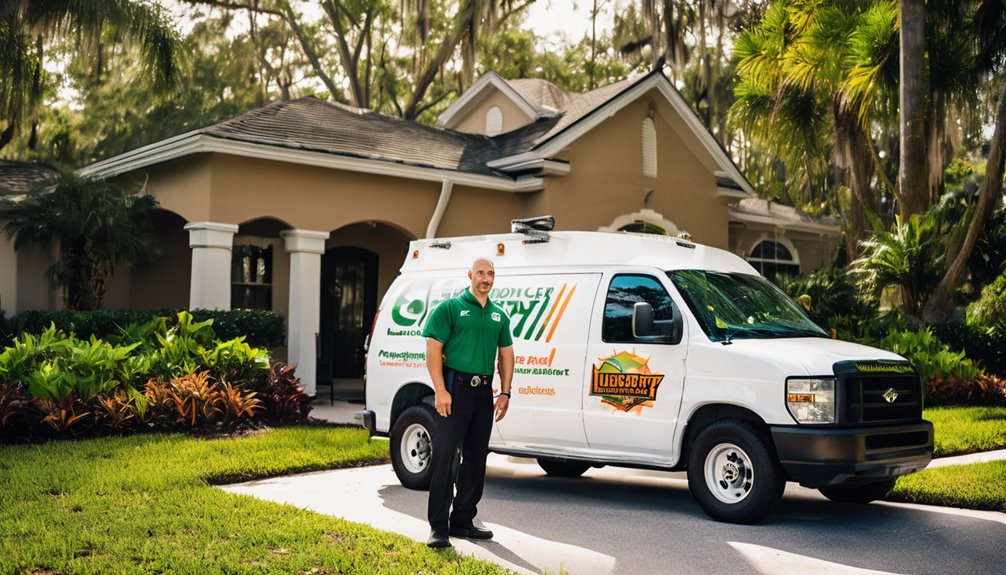
When you consider alarm contractor liability in Hillsborough County, it’s essential to grasp the nuances of third-party liability. This type of liability occurs when someone outside your contract suffers harm due to your actions or negligence.
If a system you installed fails and causes property damage or injury, you might be held responsible. Understanding your obligations is crucial, as it can impact your financial stability and reputation.
You’ll want to ensure your insurance covers potential claims, as third-party lawsuits can be costly. Additionally, familiarize yourself with local laws and regulations that govern contractor practices.
Understanding the Hillsborough County Contractor’s Code Compliance Bond

Understanding the Hillsborough County Contractor’s Code Compliance Bond is crucial for your success as an alarm contractor.
This bond not only ensures that you meet compliance requirements but also protects your clients and the community.
Let’s break down its purpose, the necessary compliance steps, and how to apply for it.
Bond Purpose Explained
The Hillsborough County Contractor’s Code Compliance Bond serves a crucial role in ensuring that alarm contractors adhere to local regulations and standards.
This bond protects consumers by guaranteeing that contractors will complete their work according to the agreed terms and in compliance with applicable laws. If a contractor fails to meet these obligations, the bond provides a financial remedy for affected parties, helping to cover any potential damages.
Essentially, it acts as a safety net for clients, ensuring they can seek compensation if issues arise. By obtaining this bond, you demonstrate your commitment to quality and accountability, fostering trust within the community and enhancing your professional reputation in the alarm contracting industry.
Compliance Requirements Overview
To ensure compliance with the Hillsborough County Contractor’s Code Compliance Bond, alarm contractors must navigate several key requirements.
These requirements help maintain professionalism and protect both clients and the community.
- Obtain necessary licenses and permits specific to alarm installation.
- Provide proof of insurance to cover potential damages or liabilities.
- Maintain accurate records of all installations and inspections.
- Adhere to local building codes and safety regulations.
- Complete all required training and certifications related to alarm systems.
Application Process Steps
Navigating the application process for the Hillsborough County Contractor’s Code Compliance Bond can feel overwhelming, but knowing the steps involved makes it manageable.
First, gather all required documentation, including proof of insurance and your contractor’s license.
Next, complete the application form accurately, ensuring all information is current and correct.
After that, submit your application along with the necessary fees to the appropriate county office.
Once submitted, the county will review your application for compliance with local regulations.
If everything checks out, you’ll receive your bond.
Lastly, keep a copy of the bond for your records.
Following these steps can help streamline your application process and ensure you meet all requirements efficiently.
Key Responsibilities of Alarm Contractors
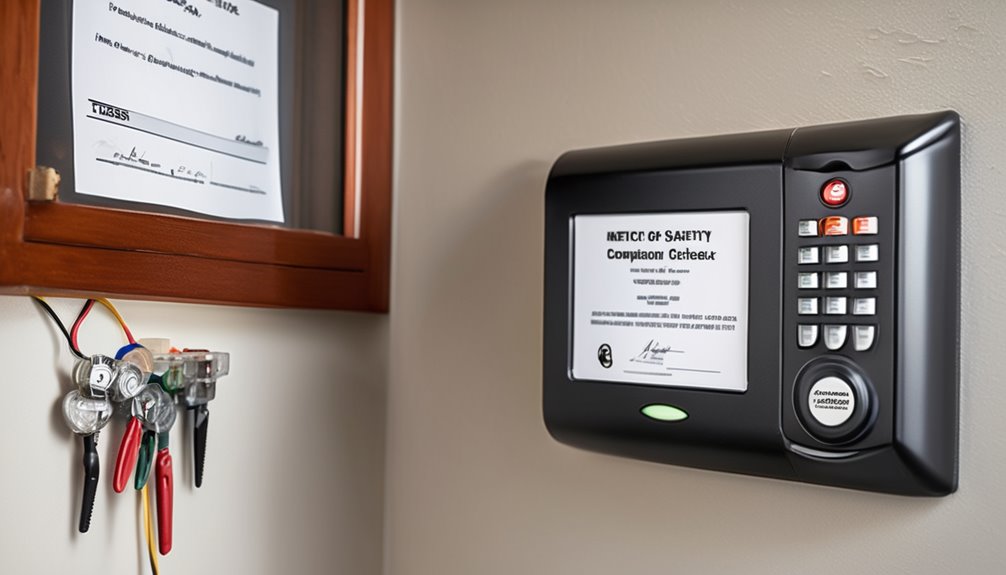
While alarm contractors are often seen as the first line of defense in security, their key responsibilities extend far beyond just installing systems.
You’re tasked with ensuring that every alarm system functions seamlessly and meets local regulations. Here are some of your essential duties:
- Assessing client needs to recommend appropriate security solutions
- Installing alarm systems with precision, ensuring optimal coverage
- Conducting regular maintenance checks to guarantee system reliability
- Providing training for clients on how to operate their systems effectively
- Responding promptly to service calls for any issues or malfunctions
Benefits of Compliance for Clients

When your alarm contractor complies with regulations, you gain enhanced trustworthiness in their services.
This compliance not only builds confidence but also assures you of legal protection in case of disputes.
Knowing you’re covered can give you peace of mind while securing your property.
Enhanced Trustworthiness
Compliance with alarm regulations enhances trustworthiness, ensuring clients feel secure in their investment.
When you choose a compliant contractor, you’re not just hiring someone to install a system; you’re building a partnership rooted in reliability. Knowing your contractor adheres to local codes means:
- Safety: Your alarm system meets rigorous standards.
- Quality: You receive top-notch equipment and installation.
- Transparency: Clear communication about your system’s capabilities.
- Support: Access to dependable customer service when you need it.
- Peace of Mind: Confidence that your property is protected by a professional.
This trust fosters long-term relationships, making clients more likely to recommend your services and rely on you for future projects.
Embracing compliance isn’t just a requirement; it’s a commitment to excellence.
Legal Protection Assurance
Choosing a contractor who adheres to local alarm regulations not only boosts your peace of mind but also offers significant legal protections. When you hire a compliant contractor, you’re ensuring that they carry the necessary licenses and bonds, which can shield you from potential liabilities.
If an issue arises, such as property damage or installation failures, you’re less likely to face legal repercussions because the contractor is held accountable. Compliance means they follow industry standards, reducing risks related to subpar work.
Additionally, if disputes occur, you have recourse through the contractor’s bond, providing financial assurance. Ultimately, you can enjoy your security system knowing that you’re backed by a legal framework designed to protect both you and your property.
Impact of Non-Compliance on Contractors

Failing to comply with local regulations in Hillsborough County can significantly impact contractors in the alarm industry. When you overlook these rules, you face serious consequences that can jeopardize your business.
- Fines and penalties that drain your finances
- Loss of licenses, halting your ability to operate
- Damage to reputation, causing clients to seek competitors
- Increased insurance premiums due to perceived risks
- Legal battles that consume time and resources
Each of these factors can hinder your growth and lead to missed opportunities.
Staying compliant isn’t just about avoiding penalties; it’s essential for establishing trust with your clients and maintaining a sustainable business.
Embrace compliance to protect your livelihood and enhance your standing in the community.
How to Verify a Contractor’s Compliance Status

Ensuring that the contractor you hire adheres to local regulations is vital for your peace of mind and project success.
To verify a contractor’s compliance status, start by checking their licensing with the Hillsborough County Building Department. You can usually find this information online or by calling their office directly.
Next, confirm that they carry the necessary insurance and bonding, which protects you in case of accidents or non-compliance.
Additionally, look for reviews or testimonials from previous clients, as these can provide insight into their reliability.
Finally, don’t hesitate to ask the contractor for proof of compliance documents.
Taking these steps will help you ensure that your chosen contractor meets all local requirements and standards.
Essential Questions to Ask When Hiring an Alarm Contractor

What key information do you need to gather when hiring an alarm contractor? Asking the right questions can help ensure you choose a trustworthy professional.
Consider these essential inquiries:
- Experience: How long have you been in the alarm installation business?
- Licensing: Are you licensed and insured to operate in Hillsborough County?
- References: Can you provide testimonials from previous clients?
- Warranty: What kind of warranty do you offer on your products and services?
- Aftercare: How do you handle maintenance and emergency support after installation?
Frequently Asked Questions
What Is the Cost of Obtaining a Contractor’s Code Compliance Bond?
The cost of obtaining a contractor’s code compliance bond typically ranges from 1% to 15% of the bond amount. Factors like your credit score and the project’s size can influence the final price you’ll pay.
How Often Do Alarm Contractors Need to Renew Their Compliance Bond?
Alarm contractors typically need to renew their compliance bond annually. It’s essential to keep track of renewal dates and ensure all paperwork is up-to-date to maintain your license and avoid any potential penalties.
Can Individuals File Claims Against a Contractor’s Compliance Bond?
Yes, individuals can file claims against a contractor’s compliance bond if the contractor fails to meet obligations. You should gather evidence of the contractor’s non-compliance and submit a claim to seek compensation for damages.
What Happens if a Contractor’s Bond Is Revoked?
If a contractor’s bond is revoked, you’ll likely face challenges. The contractor may lose their ability to operate legally, and you might struggle to recover any compensation for damages or unfinished work.
Are There Specific Insurance Requirements for Alarm Contractors in Hillsborough County?
Yes, there are specific insurance requirements for alarm contractors in Hillsborough County. You’ll need liability coverage to protect against damages, and it’s essential to check local regulations for any additional mandates that may apply.
Conclusion
In Hillsborough County, understanding third-party liability and the Contractor’s Code Compliance Bond is crucial for both you and your chosen alarm contractor. By ensuring compliance, you protect yourself against potential risks while building trust in your contractor’s services. Don’t hesitate to ask questions and verify their compliance status; it’s your right as a consumer. Ultimately, choosing a compliant contractor not only safeguards your property but also contributes to a safer community for everyone.