Get an Instant Quote on Contracting, Plumbing, Electrical HVAC Contractor Plumber Bond

As a contractor in plumbing, electrical, or HVAC fields, you know compliance is non-negotiable. It’s not just about following the rules; it’s about ensuring safety and quality in your work. Staying updated on codes and regulations is essential, but many overlook the details that can make or break a project. Let’s explore the key compliance standards you need to keep in mind to protect your business and clients.
Understanding Compliance Regulations in Contracting
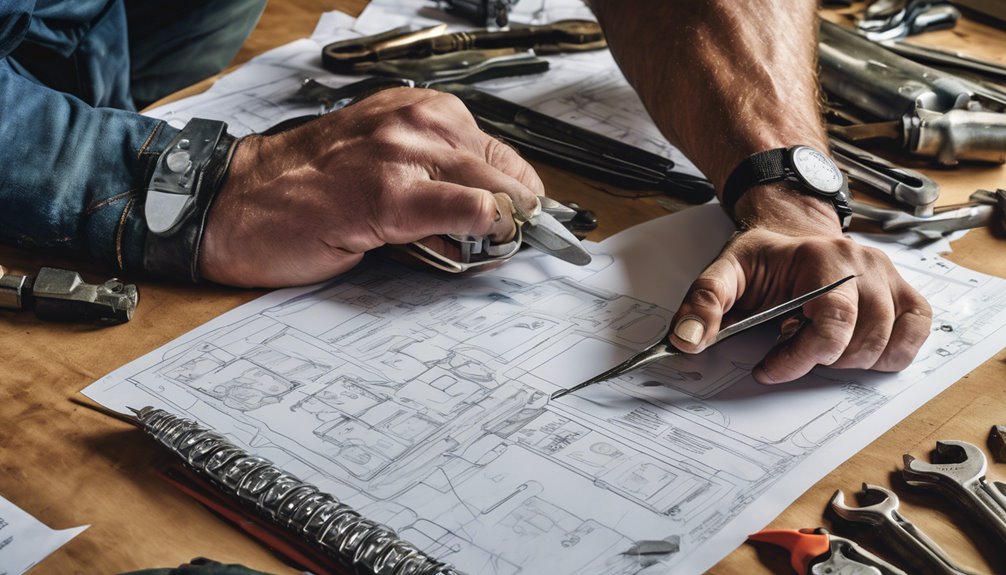
When you enter the world of contracting, understanding compliance regulations is crucial to your success. These regulations ensure that you adhere to safety, quality, and legal standards.
You need to familiarize yourself with local, state, and federal laws that affect your work. This includes building codes, labor laws, and environmental regulations. Staying informed about changes in these regulations can save you from legal issues and financial penalties.
It’s essential to keep all necessary licenses up to date and ensure that your projects meet all compliance requirements. Regular training and workshops can help you stay ahead in this ever-evolving field.
Key Compliance Standards for Plumbing
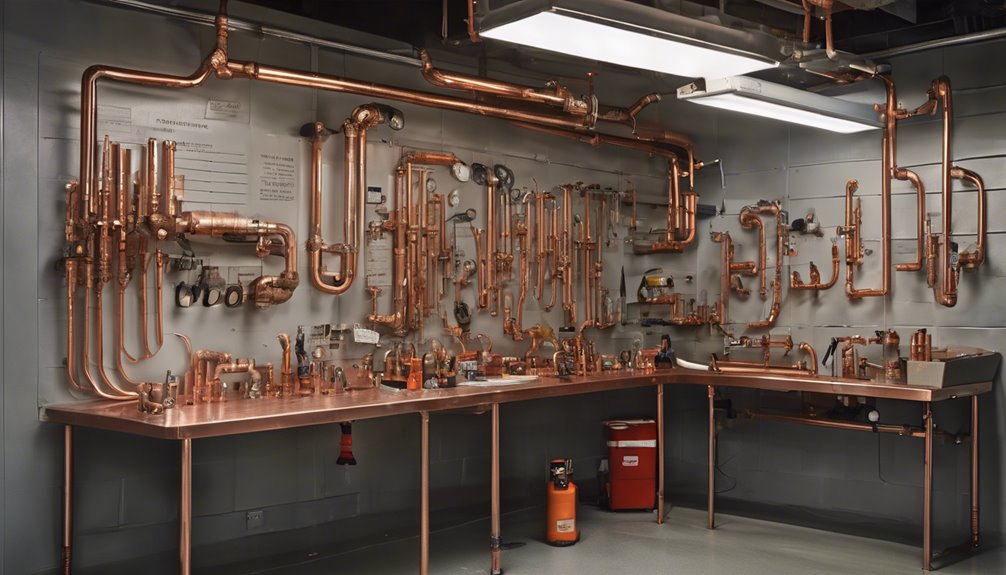
To ensure your plumbing projects meet industry standards, it’s vital to understand the key compliance standards that govern this field. Adhering to these standards not only guarantees safety but also enhances the quality of your work.
Here are some essential compliance standards you should be aware of:
- National Plumbing Code: Ensures safe installation and maintenance practices.
- Local Building Codes: Varies by municipality, so check your area’s specific requirements.
- Water Efficiency Standards: Promotes conservation and reduces waste.
- Backflow Prevention Regulations: Protects water supply from contamination.
- Material Standards: Specifies acceptable materials for pipes, fittings, and fixtures.
Essential Electrical Compliance Guidelines
Understanding compliance standards in plumbing sets a solid foundation for navigating other trades, such as electrical work.
When you’re tackling electrical projects, it’s crucial to follow the National Electrical Code (NEC) to ensure safety and reliability. Start by familiarizing yourself with local codes, as they can vary significantly.
Always use the right materials; using approved wiring and components is essential to maintain compliance. Be mindful of circuit load limits; overloading can lead to hazards.
Ensure your installations include proper grounding and bonding to protect against electrical shocks. Lastly, don’t skip inspections; they’re vital for verifying compliance and ensuring your work meets safety standards.
HVAC Compliance: What Contractors Need to Know
HVAC compliance is essential for ensuring both safety and efficiency in heating, ventilation, and air conditioning systems. As a contractor, you must stay updated on local codes, regulations, and best practices.
Understanding compliance helps you avoid fines and ensures your systems operate optimally. Here are some key points to consider:
- Familiarize yourself with the latest building codes and standards.
- Ensure proper installation of equipment to meet manufacturer specifications.
- Regularly inspect systems for compliance with safety regulations.
- Keep accurate records of maintenance and inspections.
- Educate clients on the importance of compliance for long-term efficiency.
Best Practices for Ensuring Compliance Across Trades
Compliance isn’t just about HVAC systems; it extends across all trades in construction and maintenance.
To ensure compliance, start by familiarizing yourself with the relevant codes and standards for each trade. Regularly attend training sessions and workshops to stay updated on changes.
Implement a robust documentation process to track compliance efforts, including permits and inspections. Foster a culture of accountability within your team by assigning compliance responsibilities and encouraging open communication.
Conduct regular audits to identify potential gaps and areas for improvement. Finally, collaborate with other trades to share insights and best practices, as teamwork enhances overall compliance.
Frequently Asked Questions
What Are the Penalties for Non-Compliance in Contracting?
If you fail to comply with regulations, you might face hefty fines, project delays, or even license suspension. It’s crucial to stay informed and adhere to standards to avoid these serious consequences.
How Often Should Compliance Audits Be Conducted?
You should conduct compliance audits regularly, ideally at least annually. However, if your operation involves high-risk areas or frequent changes, more frequent audits can help ensure adherence to standards and mitigate potential issues effectively.
Can I Be Certified in Compliance Training?
Yes, you can be certified in compliance training. Many organizations offer programs that equip you with the necessary knowledge and skills. Check with accredited institutions to find training that fits your needs and enhances your qualifications.
Are There Specific Compliance Resources for Small Contractors?
Yes, there’re specific compliance resources available for small contractors. You can explore online courses, industry associations, and government websites. These resources help you understand regulations and ensure your business meets all compliance requirements effectively.
How Do I Report Compliance Violations?
To report compliance violations, you should gather evidence and contact the relevant authority. Provide details like dates, locations, and descriptions. Follow up to ensure your report is acknowledged and addressed appropriately. Don’t hesitate to escalate if necessary.
Conclusion
In the contracting world, staying compliant isn’t just about following rules; it’s about ensuring safety and quality in your work. By understanding and adhering to the specific regulations for plumbing, electrical, and HVAC, you not only protect your business but also build trust with your clients. Remember, regular training and robust documentation are key to maintaining compliance. Make compliance a priority, and you’ll enhance your project success while mitigating risks along the way.