Get an Instant Quote on Roofing Contractor – 3rd Party Liability Now!

When hiring a roofing contractor in Little Rock, it’s crucial to understand the role of contractor bonds and third-party liability insurance. These requirements not only ensure the contractor follows local regulations but also protect you from potential financial setbacks. Knowing how to verify these credentials can make a significant difference in your project’s outcome. So, what steps should you take to ensure you hire a qualified and trustworthy contractor?
Understanding Contractor Bonds in Little Rock

Have you ever wondered why contractor bonds are essential for roofing contractors in Little Rock?
These bonds protect you and your clients, ensuring that contractors meet state regulations and industry standards. When a roofing contractor holds a bond, it shows they’re financially responsible and committed to completing projects according to agreed terms.
If they fail to uphold their obligations, the bond provides a safety net for clients, covering potential losses. This gives you peace of mind when hiring a contractor.
Additionally, contractor bonds help maintain a level playing field in the industry, as only qualified professionals can obtain them.
Types of Contractor Bonds
When you’re working as a roofing contractor in Little Rock, it’s essential to know the different types of contractor bonds available.
Performance bonds ensure you complete your project as promised, while payment bonds protect your subcontractors and suppliers.
Additionally, license and permit bonds help you comply with local regulations, making them crucial for your business.
Performance Bonds Explained
Performance bonds play a crucial role in ensuring that contractors fulfill their obligations, offering a safety net for project owners.
When you hire a contractor, a performance bond guarantees that they’ll complete the project according to the terms of your contract. If the contractor fails to deliver, the bond provides financial compensation to cover any losses, allowing you to hire someone else to finish the job.
Typically, these bonds are issued by surety companies after assessing the contractor’s financial stability and track record. You’ll want to verify that your contractor has a valid performance bond, as it protects your investment and helps ensure the project meets quality standards and timelines.
In short, it’s a smart move for any project owner.
Payment Bonds Overview
While performance bonds ensure project completion, payment bonds focus on securing timely payment for subcontractors and suppliers.
These bonds protect those who provide labor, materials, or services on a project, ensuring they receive their due compensation. If a contractor fails to pay, the bond allows subcontractors or suppliers to file a claim and seek payment from the bond company.
This process not only fosters trust among parties involved but also helps maintain a project’s financial integrity.
As a roofing contractor in Little Rock, understanding payment bonds is crucial for your business. They not only safeguard your relationships with subcontractors but also enhance your reputation in the industry, making it easier to secure future projects.
License and Permit Bonds
License and permit bonds are essential for roofing contractors in Little Rock, as they ensure compliance with local regulations and protect the public from potential financial losses.
When you obtain these bonds, you’re not just meeting legal requirements; you’re also building trust with your clients and the community. These bonds guarantee that you’ll adhere to all applicable laws, codes, and standards while completing your work.
If you fail to comply, the bond provides a financial safety net for anyone affected. This means that if a dispute arises, affected parties can file a claim against your bond to recover losses.
Ultimately, securing a license and permit bond is a crucial step in establishing your professionalism and reliability as a roofing contractor.
The Process of Obtaining a Contractor Bond

To secure a contractor bond in Little Rock, you’ll first need to gather the necessary documentation and information about your business. This typically includes your business license, tax identification number, and any relevant certifications.
Next, you’ll want to find a reliable surety company that specializes in contractor bonds. Once you’ve selected a surety, you’ll submit your documentation and complete an application.
The surety will then assess your financial standing and business history. If approved, you’ll receive a quote for the bond premium.
After reviewing the terms, you can finalize the bond and pay the premium. Finally, make sure to keep a copy of your bond on file for any future inspections or compliance checks.
The Importance of Compliance With Local Regulations

Compliance with local regulations is crucial for roofing contractors in Little Rock, as it not only ensures the safety and quality of your work but also protects your business from potential legal issues.
By adhering to these regulations, you demonstrate professionalism and a commitment to high standards, which can enhance your reputation in the community.
It’s essential to stay updated on the latest codes and requirements, as non-compliance can lead to fines or even project shutdowns.
Additionally, working within the legal framework helps you avoid disputes with clients, ensuring smoother project execution.
Overview of Third-Party Liability Insurance

While you focus on delivering quality roofing services, having third-party liability insurance is essential for protecting your business from unforeseen incidents.
This type of insurance covers claims made by clients or third parties for property damage or bodily injury that may occur during your work. If an accident happens, like a falling tool injuring someone or damaging property, this insurance helps cover legal fees, medical expenses, and potential settlements.
It also shows clients that you take responsibility seriously, enhancing your credibility. Without this protection, you could face significant financial strain from legal claims.
Investing in third-party liability insurance not only safeguards your business but also fosters trust with your customers, ensuring a successful operation in the competitive roofing industry.
How Third-Party Liability Protects Homeowners

Third-party liability insurance acts as a safety net for homeowners during roofing projects. If an accident occurs, such as a worker getting injured or property damage happening, this insurance helps cover the costs.
Without it, you might be left facing hefty bills or legal issues. When hiring a roofing contractor, ensuring they’ve this coverage protects you from potential third-party claims that could arise during the job.
It gives you peace of mind, knowing that you’re financially shielded from unexpected incidents. Plus, it can enhance the contractor’s credibility, as it shows they take responsibility seriously.
Ultimately, having third-party liability insurance ensures that your investment in your home remains secure, even amidst unforeseen challenges.
The Relationship Between Contractor Bonds and Liability Insurance

When you’re hiring a roofing contractor, understanding the role of contractor bonds and liability insurance is crucial.
Contractor bonds protect you from incomplete or substandard work, while liability insurance covers potential damages or injuries.
Together, they create a safety net that helps ensure your project goes smoothly and responsibly.
Understanding Contractor Bonds
Understanding contractor bonds is essential for anyone in the construction industry, especially when considering their relationship with liability insurance. Contractor bonds serve as a guarantee that you’ll fulfill contractual obligations, ensuring that you adhere to local laws and regulations.
They protect clients from financial loss caused by your failure to complete a project or meet agreed-upon standards. While contractor bonds and liability insurance both provide a layer of protection, they serve different purposes.
A bond ensures compliance and performance, while liability insurance covers damages resulting from accidents or negligence. Understanding these distinctions helps you navigate the risks associated with contracting work, ultimately safeguarding your reputation and financial stability in the industry.
Importance of Liability Insurance
Liability insurance is crucial for contractors, providing a safety net that protects you from potential financial losses due to accidents or property damage during a project. It ensures you’re covered in case of unforeseen incidents, helping you avoid hefty out-of-pocket expenses.
While contractor bonds guarantee your compliance with local regulations and project completion, liability insurance addresses the risks associated with your work directly. Together, they create a robust financial shield, enhancing your credibility and client trust.
When you have both in place, you’re not only safeguarding your business but also demonstrating professionalism and responsibility. Clients feel more secure knowing you’re insured, which can lead to more contracts and a solid reputation in the roofing industry.
Common Issues Covered by Contractor Bonds
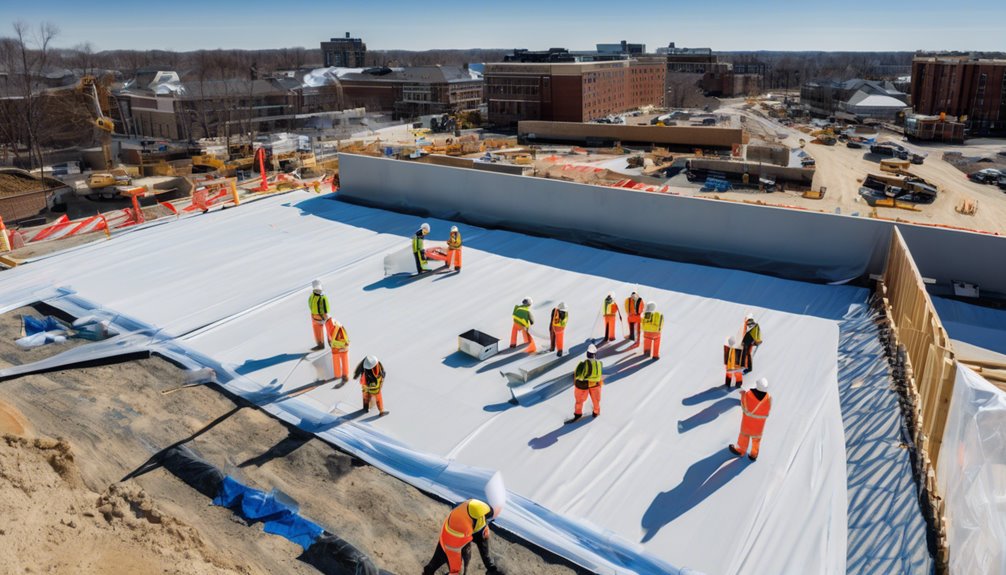
Contractor bonds play a crucial role in protecting both clients and contractors by addressing common issues that may arise during a project.
One major concern is the contractor’s failure to complete the job as agreed, which can leave you in a difficult position. Bonds also cover instances of subpar workmanship or materials, ensuring you receive the quality promised.
In cases where a contractor fails to adhere to local regulations or codes, the bond can provide financial protection against fines or remediation costs. Additionally, if a contractor fails to pay subcontractors or suppliers, the bond can help shield you from potential liens on your property.
Steps to Verify a Roofing Contractor’s Bond and Insurance

How can you ensure that your roofing contractor is properly bonded and insured? Start by asking the contractor for their bond and insurance certificates.
Verify that these documents are up to date and cover the necessary amounts. Next, contact the bonding company to confirm the bond’s validity and check for any claims made against it.
Additionally, reach out to the insurance provider to ensure the contractor’s liability coverage is active. Don’t forget to ask if the contractor has workers’ compensation insurance; this protects you from liability if an accident occurs on your property.
Tips for Homeowners When Hiring Roofing Contractors
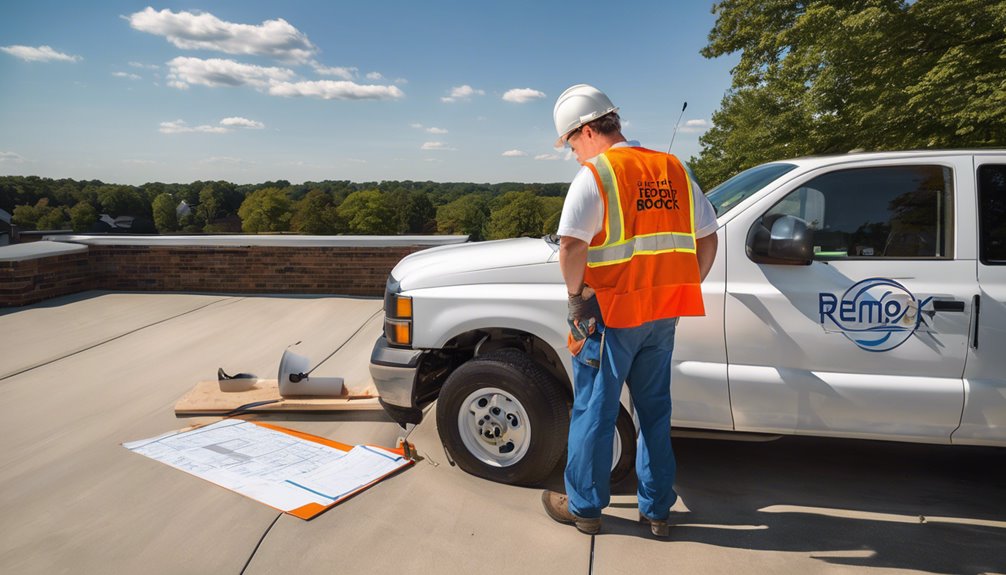
When hiring roofing contractors, it’s essential to do your homework to ensure you choose the right professional for the job.
Start by asking for recommendations from friends or family and check online reviews. Always verify their licenses and insurance to protect yourself from liability.
Request multiple quotes to compare prices and services, but remember that the lowest bid isn’t always the best choice. Make sure to ask about warranties on both materials and workmanship.
During the interview, communicate your expectations clearly, and don’t hesitate to ask questions about their experience.
Finally, trust your instincts—if something feels off, keep looking. A reliable contractor will prioritize your needs and provide transparency throughout the process.
Frequently Asked Questions
How Much Does a Contractor Bond Typically Cost in Little Rock?
A contractor bond in Little Rock typically costs between $100 to $500 depending on factors like the project size and type. It’s essential to shop around and compare rates from different bonding companies to find the best deal.
Are There Specific Bonding Requirements for Roofing Contractors in Little Rock?
Yes, there are specific bonding requirements for roofing contractors in Little Rock. You’ll need to check local regulations, as they often mandate certain bonds to ensure compliance and protect against potential damages or liabilities.
Can Homeowners File a Claim Against a Contractor’s Bond?
Yes, homeowners can file a claim against a contractor’s bond if the contractor fails to meet contractual obligations or causes damage. It’s essential to understand the bond’s terms and conditions to navigate the claims process effectively.
What Happens if a Contractor Fails to Obtain a Bond?
If a contractor fails to obtain a bond, you might face financial risks. You could struggle to recover costs from incomplete work or damages, leaving you vulnerable without the protection a bond typically provides.
Do Contractor Bonds Expire, and How Often Must They Be Renewed?
Yes, contractor bonds can expire, typically after a year. You’ll need to renew them periodically to maintain compliance with local regulations and ensure continued protection for your clients and projects. Keep track of expiration dates!
Conclusion
In Little Rock, hiring a roofing contractor with the right bonds and insurance is crucial for protecting your investment. By ensuring your contractor is bonded and carries third-party liability insurance, you’re safeguarding yourself against potential financial losses and unexpected issues. Always verify their credentials before starting any project, and don’t hesitate to ask questions. Taking these steps will give you peace of mind and help you choose a trustworthy professional for your roofing needs.