Get an Instant Quote on Contractor License Bond (Demolition Contractor – 3rd Party Liability) Now!

When you hire a demolition contractor in Lakeland, Florida, understanding third-party liability is crucial. Not only do you want to ensure the job is done safely, but you also need to protect yourself from potential financial risks. This is where a contractor license bond comes into play. It offers a layer of security, but it’s just one piece of the puzzle. What else should you know to safeguard your interests?
Understanding Third-Party Liability in Demolition Projects

When you embark on a demolition project, understanding third-party liability is crucial, especially since accidents can happen unexpectedly.
You’re responsible for ensuring that the worksite is safe for nearby individuals and properties. If someone gets injured or property gets damaged due to your actions, you could face significant financial repercussions.
It’s essential to identify potential hazards early and take proactive measures to mitigate risks. This means using proper safety equipment, following regulations, and communicating clearly with your team.
Furthermore, consider obtaining insurance that covers third-party claims to protect yourself. By being aware of your legal responsibilities and taking preventative steps, you can navigate your demolition project with greater confidence and security.
The Importance of Hiring a Licensed Demolition Contractor
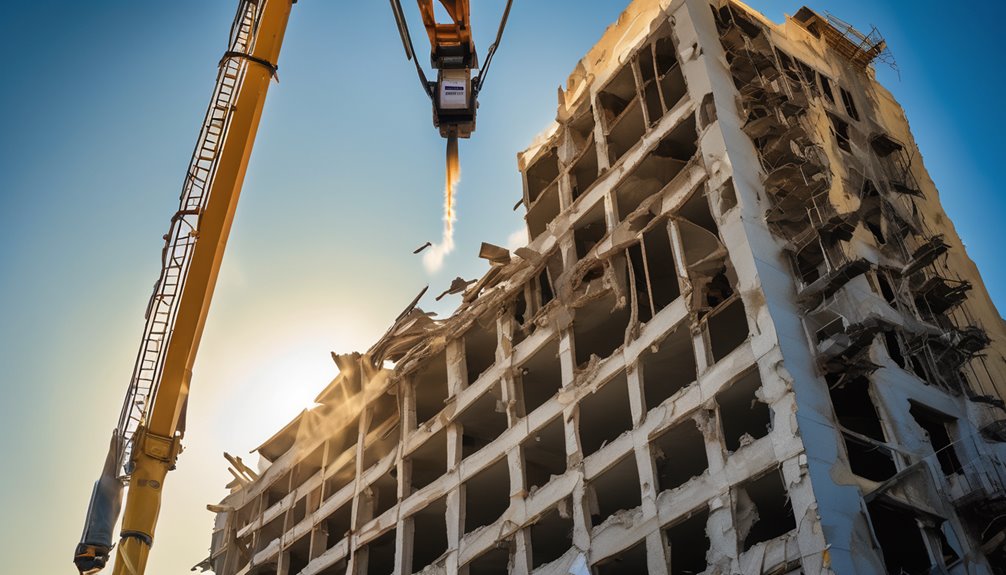
When you hire a licensed demolition contractor, you ensure legal compliance with local regulations, which can save you from costly fines.
Their expertise in safety and risk management also protects you and your property during the demolition process.
Choosing a licensed professional gives you peace of mind knowing that the job is done right and safely.
Legal Compliance Assurance
Hiring a licensed demolition contractor isn’t just a smart choice; it’s essential for ensuring legal compliance. When you choose a licensed professional, you’re not only adhering to local regulations but also minimizing the risk of legal issues down the line.
Licensed contractors are familiar with the necessary permits, environmental regulations, and safety standards, which means they can navigate the complexities of demolition projects seamlessly. This compliance protects you from potential fines and penalties, ensuring your project stays on track.
Moreover, a licensed contractor typically carries insurance and bonds that further safeguard your interests. By making this choice, you’re investing in peace of mind and guaranteeing that your demolition project meets all legal requirements.
Safety and Risk Management
While you might be tempted to cut corners by opting for an unlicensed contractor, doing so can significantly increase safety risks on your demolition project.
Licensed contractors have the necessary training and expertise to handle hazardous materials and complex structural challenges. They’re familiar with local regulations and safety protocols, ensuring compliance and minimizing accidents.
Moreover, licensed contractors carry liability insurance, protecting you from potential financial loss if something goes wrong.
When you hire a licensed professional, you’re not just ensuring a smoother project; you’re also prioritizing the safety of everyone involved.
Ultimately, investing in a licensed demolition contractor safeguards your project and provides peace of mind, knowing that experienced hands are managing the risks effectively.
Overview of Contractor License Bonds
Contractor license bonds are essential for protecting both you and your clients in the construction industry.
In Florida, specific bond requirements ensure that contractors adhere to regulations and standards.
Understanding these bonds helps you navigate your responsibilities and safeguard your business.
Importance of License Bonds
License bonds serve as a crucial safety net for both clients and contractors in the construction industry. These bonds ensure that you, as a contractor, adhere to local laws and regulations, protecting your reputation and credibility.
If you fail to meet your obligations, the bond provides a financial guarantee for clients to recover losses. This reduces the risk for clients, making them more likely to hire you.
Moreover, having a license bond demonstrates your commitment to professionalism and quality work. It builds trust, as clients feel secure knowing there’s a safeguard in place.
Ultimately, license bonds not only protect your clients but also enhance your business prospects, helping you stand out in a competitive market.
Bond Requirements in Florida
In Florida, understanding bond requirements is vital for contractors looking to operate legally and successfully. A contractor license bond protects the public from potential financial losses due to a contractor’s failure to comply with state regulations.
To obtain this bond, you’ll need to meet certain criteria, including providing proof of financial stability and a clean business record. The bond amount varies based on the type of work you do, so it’s essential to check local regulations.
Typically, bonds are issued for a specified term, and you’ll need to renew them periodically. By securing a contractor license bond, you not only comply with state laws but also build trust with clients, enhancing your business reputation.
How Contractor License Bonds Protect Property Owners
When hiring a demolition contractor, it’s crucial to understand how contractor license bonds can safeguard your interests.
These bonds act as a financial guarantee that the contractor will adhere to local laws and regulations, ensuring that the work is done properly and legally.
If the contractor fails to meet their obligations—such as causing property damage or not completing the job—you can file a claim against the bond. This can provide you with funds to cover any losses or repairs needed.
The Role of Insurance in Demolition Work
In demolition work, having the right insurance coverage is crucial for protecting yourself and your business.
You’ll want to explore various types of insurance, like general liability and workers’ compensation, to safeguard against potential risks.
Understanding the importance of liability protection not only shields your finances but also builds trust with clients.
Types of Insurance Coverage
While demolition work can be a rewarding yet challenging endeavor, having the right types of insurance coverage is crucial for protecting your business and ensuring compliance with regulations.
First, general liability insurance shields you from claims of property damage or bodily injury during your projects. Next, workers’ compensation insurance is essential; it covers medical expenses and lost wages for employees injured on the job.
Additionally, equipment insurance protects your tools and machinery from theft or damage. You might also consider pollution liability insurance, especially if you’re dealing with hazardous materials.
Each of these coverages plays a vital role in minimizing financial risks and safeguarding your reputation in the competitive demolition industry. Don’t overlook the importance of comprehensive coverage.
Importance of Liability Protection
Having the right types of insurance coverage not only protects your assets but also ensures you’re covered against potential liabilities that can arise in demolition work. In this industry, accidents can happen unexpectedly, whether it’s property damage or personal injury.
Without adequate liability protection, you could face significant financial losses that might jeopardize your business.
Insurance serves as your safety net, allowing you to focus on the job at hand, knowing you’re safeguarded against unforeseen events.
Plus, clients often require proof of liability insurance before hiring you, reinforcing your professionalism and credibility.
Investing in comprehensive coverage isn’t just a legal obligation; it’s a smart business decision that can save you from costly setbacks down the line.
Common Risks Associated With Demolition Projects
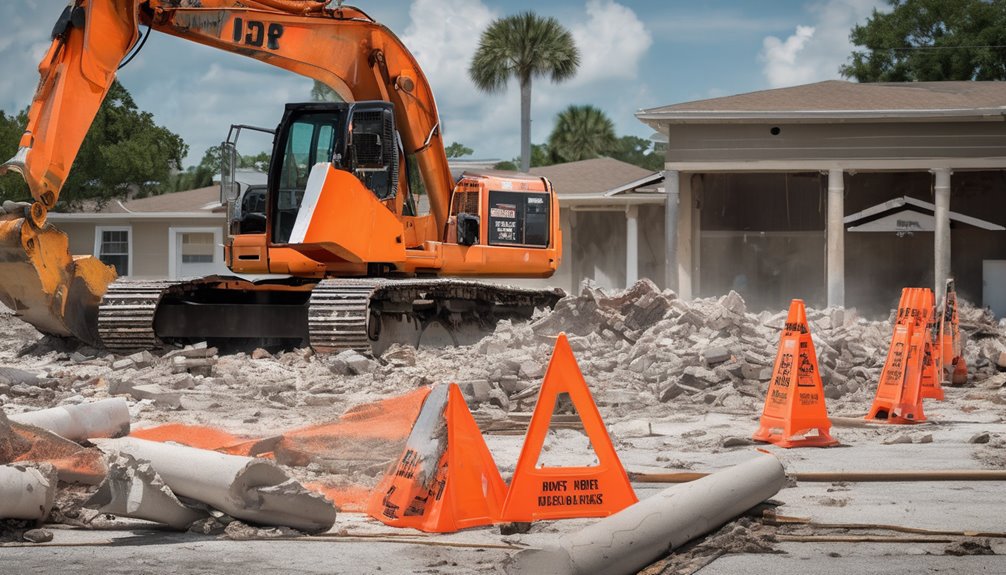
Demolition projects carry inherent risks that can lead to significant safety hazards and financial repercussions if not properly managed. One major risk is structural failure, where buildings may collapse unexpectedly, endangering workers and nearby properties.
You also face exposure to hazardous materials like asbestos or lead, which require careful handling to avoid health issues. Equipment accidents can occur, leading to injuries or damage, especially if machinery isn’t properly maintained.
Additionally, unplanned utility disruptions, such as gas or electrical lines, can result in dangerous situations. Lastly, inadequate site assessments can lead to unforeseen challenges, increasing costs and extending timelines.
Requirements for Demolition Contractors in Lakeland
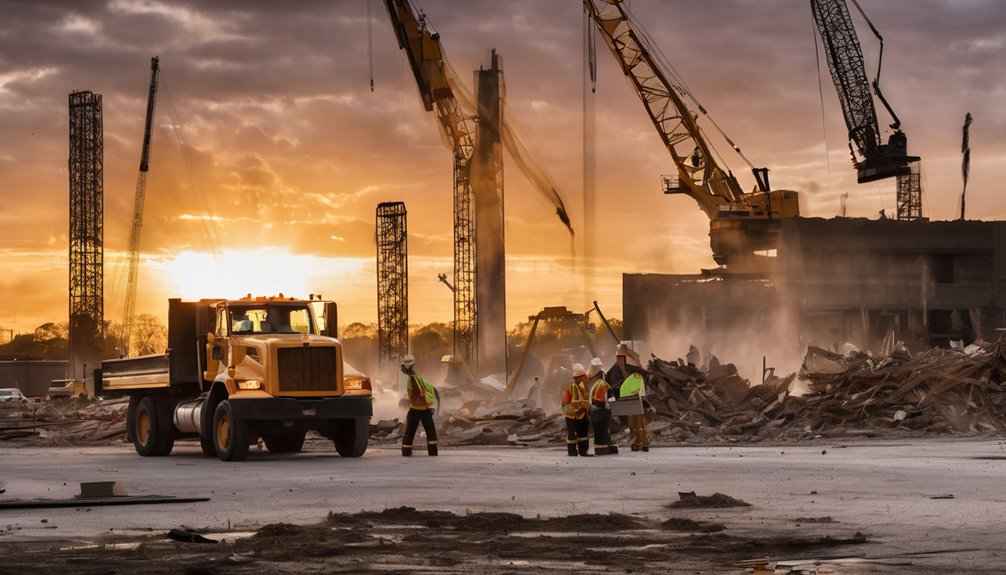
In Lakeland, there are several key requirements you must meet to operate as a demolition contractor.
First, you need to obtain a valid contractor’s license specific to demolition work. This often involves passing an examination that tests your knowledge of safety regulations and demolition practices.
You’ll also need to provide proof of insurance, including general liability and worker’s compensation coverage, to protect yourself and your workers.
Additionally, a surety bond may be required, ensuring your compliance with local regulations.
It’s crucial to familiarize yourself with any specific permits related to demolition projects, especially for hazardous materials.
Lastly, maintaining a solid reputation and experience in the field can significantly enhance your credibility and attract more clients.
Steps to Ensure Compliance With Local Regulations
To successfully navigate the complexities of operating as a demolition contractor in Lakeland, it’s vital to ensure compliance with local regulations.
Here are three essential steps you should take:
- Research Local Ordinances: Familiarize yourself with city codes and zoning laws that pertain to demolition projects. This’ll help you avoid fines and delays.
- Obtain Necessary Permits: Before starting any work, make sure you secure all required permits. This ensures that your project aligns with safety standards and legal requirements.
- Stay Updated: Regulations can change, so regularly check for updates from the city’s planning department. Staying informed will keep your operations compliant and efficient.
How to Verify a Contractor’s License and Bond Status
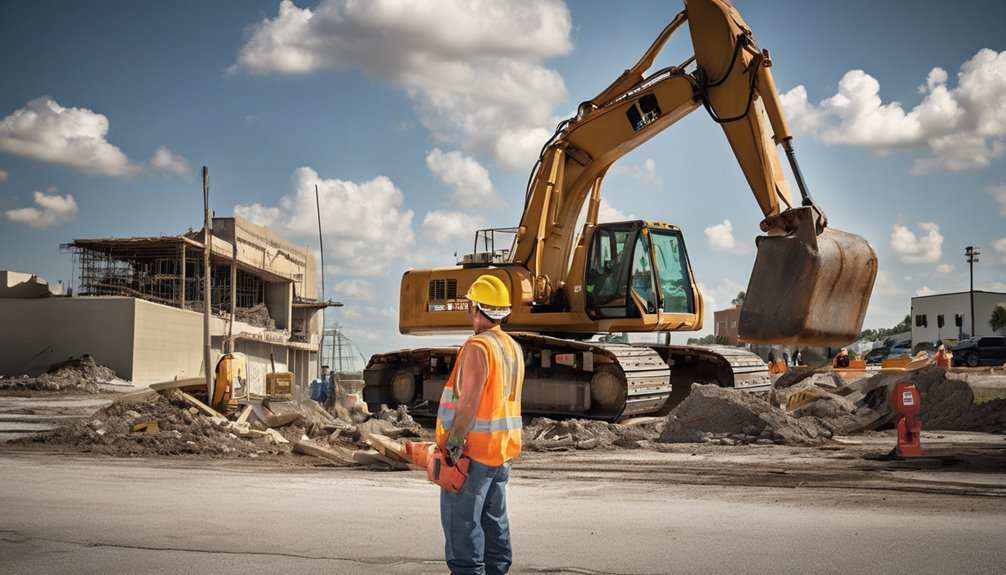
How can you ensure that a demolition contractor is properly licensed and bonded? Start by checking your state’s licensing board website. Most states have online databases where you can verify a contractor’s license status. You’ll typically need the contractor’s name or license number.
Next, confirm their insurance and bond status. Ask the contractor for copies of their bond and insurance certificates. Call the bonding company and insurance provider to verify the details. Remember, a reliable contractor won’t hesitate to provide this information.
Finally, check online reviews and ratings to gauge their reputation. By taking these steps, you’ll protect yourself and ensure you’re hiring a qualified professional for your demolition project.
Best Practices for a Safe Demolition Experience
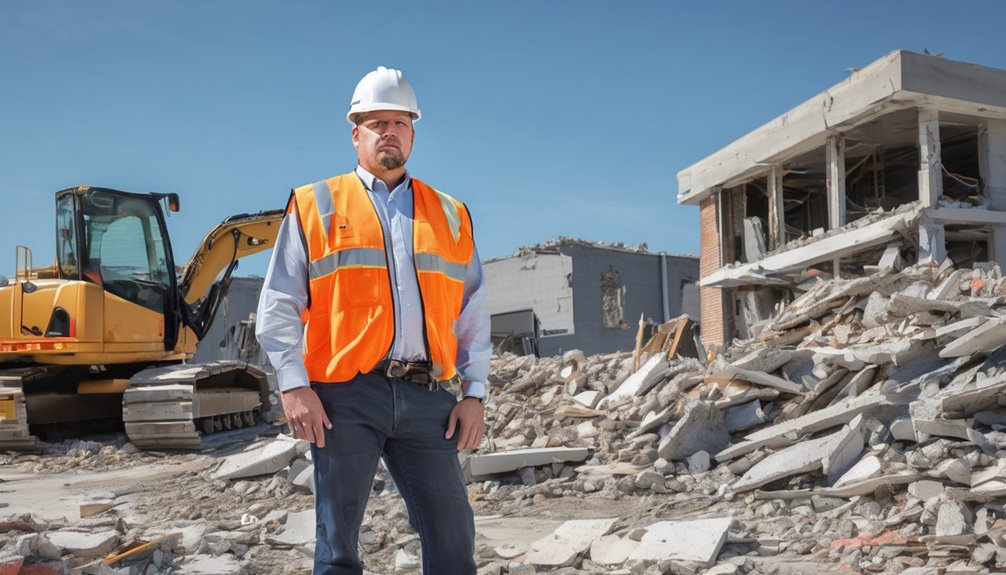
While planning a demolition project, prioritizing safety is crucial to ensure a smooth and secure experience. By following best practices, you can minimize risks and protect everyone involved.
Here are three key steps to consider:
- Conduct a thorough site assessment: Before starting, inspect the area for hazards like asbestos, unstable structures, or nearby utilities. This helps in planning for safe demolition.
- Implement proper safety gear: Equip yourself and your team with essential protective gear, including helmets, gloves, and goggles. This reduces the chance of injury.
- Establish clear communication: Ensure that everyone on-site understands their roles and safety protocols. Regular briefings can keep everyone aware of potential dangers.
Frequently Asked Questions
What Types of Projects Require a Demolition Contractor in Lakeland?
In Lakeland, you’ll need a demolition contractor for various projects like tearing down old buildings, clearing land for new construction, or removing hazardous materials. It ensures safety and compliance with local regulations during the process.
How Long Does It Take to Obtain a Contractor License Bond?
It typically takes a few days to a couple of weeks to obtain a contractor license bond. You’ll need to provide necessary documentation and sometimes undergo a credit check, so plan accordingly for the process.
Are There Any Specific Demolition Certifications Required in Florida?
Yes, in Florida, you’ll need specific demolition certifications, including a contractor’s license and potentially additional safety training certifications. Always check local regulations, as requirements can vary by county or municipality. Don’t overlook essential training!
What Happens if a Contractor’s Bond Is Canceled?
If a contractor’s bond is canceled, you’ll lose protection against financial claims. You may face liability for any damage or incomplete work, and your ability to secure future contracts could be seriously impacted.
Can Property Owners Perform Their Own Demolition Work in Lakeland?
Yes, you can perform your own demolition work in Lakeland, but you’ll need to follow local regulations and obtain necessary permits. Make sure to check safety guidelines to protect yourself and your property during the process.
Conclusion
In conclusion, navigating third-party liability as a demolition contractor in Lakeland is crucial for your success and credibility. By understanding the importance of contractor license bonds and complying with local regulations, you not only protect yourself but also safeguard property owners. Always verify a contractor’s license and bond status, and prioritize safety practices on the job. With these steps, you can ensure a smooth demolition experience while building trust and minimizing risks for everyone involved.